Dandelion Live Plants – Two Plants in One 4-inch Pot – Edible & Medicinal
-50%
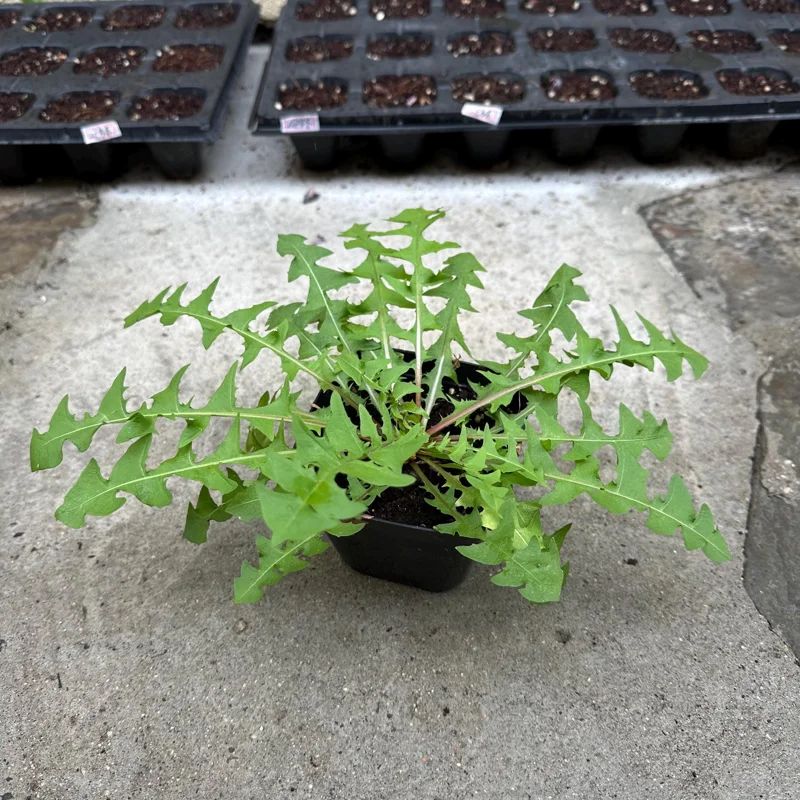
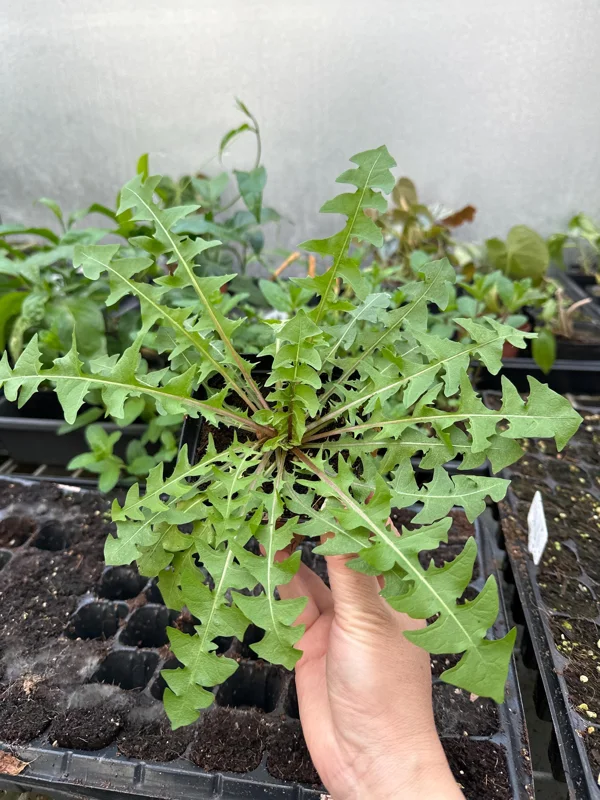
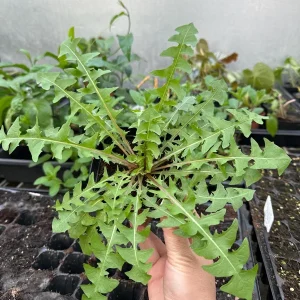
Dandelion Live Plants – Two Plants in One 4-inch Pot – Edible & Medicinal
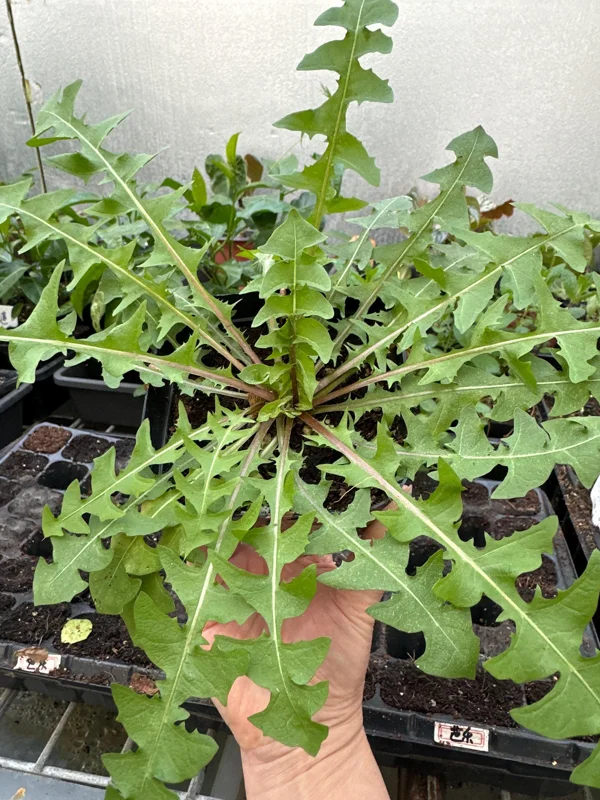
Enhance your garden with these versatile dandelion live plants. You’ll receive two healthy plants in one 4-inch nursery pot, ready for transplanting. Known for their edible leaves, roots, and flowers, dandelions are a beneficial addition to any herb garden or landscape. Easy to grow and maintain, they offer both culinary and medicinal value.
Original price was: $59.96.$29.98Current price is: $29.98.

With our Alive & Thrive Guarantee, we’ve got your back for the first 30 days! If you have any concerns about your plants, just reach out to us. Our team is here to help answer your questions and guide you in selecting the best plants for your garden, climate, and unique preferences. We're excited to help you create the garden of your dreams!
Estimated arrival
Oct 21
Oct 26 - Oct 28
Oct 31 - Nov 04
Product Details
-
USDA Hardiness Zone
USDA zones 3-10 -
Soil type
well-draining, fertile soil -
Sunlight Exposure
full sun to partial shade -
Expected Planting Period
spring to early summer, or year-round indoors
Overview
Introducing our vibrant dandelion live plant offering, featuring two healthy plants nestled together in a convenient 4-inch nursery pot. Often misunderstood as a common weed, the dandelion (Taraxacum officinale) is a powerhouse of nutrition and traditional medicine, cherished for centuries across various cultures. These resilient plants are perfect for those looking to cultivate their own edible greens, explore herbal remedies, or simply add a touch of natural, pollinator-friendly beauty to their outdoor spaces. Growing your own edible dandelion ensures a fresh, organic supply, free from pesticides, making it ideal for salads, teas, and various culinary preparations.
Each order provides you with two established dandelion live plants, allowing for immediate transplanting into your garden beds, containers, or even an indoor herb garden. Dandelions are incredibly adaptable and relatively easy to care for, making them an excellent choice for both novice and experienced gardeners. Beyond their culinary and medicinal uses, dandelions contribute to soil health and attract beneficial insects, making them a valuable part of a sustainable garden ecosystem. Embrace the natural goodness and versatility of these remarkable plants.
Key Benefits
Cultivating your own dandelions offers a multitude of advantages, from enhancing your diet to supporting local ecology. These hardy plants provide continuous harvests and contribute positively to your well-being and garden environment. Growing a dandelion live plant can be a rewarding experience.
- Rich in Nutrients: Dandelion leaves are packed with vitamins A, C, and K, as well as calcium, potassium, and iron. They offer a nutrient-dense addition to salads, smoothies, and cooked greens, supporting overall health and vitality.
- Culinary Versatility: Every part of the dandelion is edible. The young leaves are excellent in salads, older leaves can be cooked like spinach, roots can be roasted for a coffee substitute or added to stir-fries, and flowers can be used to make wine or fried as fritters. Enjoy the diverse flavors of edible dandelion.
- Medicinal Properties: Traditionally used as a diuretic and liver tonic, dandelions are believed to aid digestion, support detoxification, and possess anti-inflammatory properties. Incorporating them into your routine can contribute to natural wellness.
- Pollinator Friendly: Dandelion flowers are an early and abundant food source for bees and other pollinators, playing a crucial role in supporting local ecosystems and biodiversity in your garden.
- Low Maintenance: Dandelions are known for their hardiness and ability to thrive in various conditions. Once established, they require minimal care, making them an excellent choice for busy gardeners. Learn how to grow dandelions with ease.
- Soil Improvement: Their deep taproots help to break up compacted soil, bringing up nutrients from deeper layers, which can benefit neighboring plants and improve overall soil structure.
- Continuous Harvest: With proper care, dandelions provide a continuous supply of fresh greens and other edible parts throughout the growing season, ensuring a steady harvest.
Plant Care & Growing Tips
Caring for your dandelion live plant is straightforward, thanks to its robust nature. To ensure your dandelions thrive and provide abundant harvests, follow these simple guidelines. Dandelions are highly adaptable, but providing optimal conditions will maximize their growth and productivity. Understanding proper dandelion plant care is key to success.
For sunlight, dandelions prefer full sun, meaning at least 6-8 hours of direct sunlight per day. They can tolerate partial shade, but growth may be less vigorous, and leaves might be less tender. When it comes to watering, dandelions are drought-tolerant once established, but regular watering, especially during dry spells, will promote lush, tender leaves. Aim for consistently moist, but not waterlogged, soil. Allow the top inch of soil to dry out slightly between waterings. Dandelions are not particular about soil type but thrive best in well-draining, fertile soil with a pH between 6.0 and 7.5. Amending heavy clay soils with compost or sand can improve drainage and aeration. They are quite hardy and can grow in USDA zones 3-10, tolerating a wide range of temperatures.
Fertilization is generally not necessary for dandelions if grown in rich soil, but a light application of balanced organic fertilizer or compost tea can boost growth, especially if you are harvesting frequently. Common problems are rare, but watch out for aphids, which can be dislodged with a strong spray of water. Overall, these plants are remarkably resilient, making the process to grow dandelions quite simple. Remember to harvest regularly to encourage new growth and prevent the plants from going to seed too quickly, unless you wish for them to self-propagate.
Size & Details
This offering includes two healthy dandelion live plant specimens, cultivated and shipped together in a single 4-inch nursery pot. Upon arrival, the plants will be young and actively growing, typically ranging from 3 to 6 inches in height, ready for transplanting. Dandelions are fast growers and, once established, can reach a mature height of 6 to 18 inches with a spread of 6 to 12 inches, depending on growing conditions and variety. The plants will arrive with their root ball intact, ensuring minimal transplant shock. They are typically shipped in their natural dormant or semi-dormant state during cooler months, but will quickly spring to life when planted in suitable conditions.
The time to maturity for harvesting leaves is relatively quick, often within 2-4 weeks after transplanting, allowing for continuous harvests throughout the growing season. If allowed to flower, they will produce their characteristic bright yellow blooms, followed by the familiar puffball seed heads. These plants are ideal for immediate planting outdoors in spring or fall, or can be grown indoors year-round with adequate light. Expect vigorous growth and a steady supply of fresh, nutritious greens. This makes it easy to incorporate dandelion benefits into your daily life.
Frequently Asked Questions
- Q: How big does this plant get? A: Each dandelion live plant can grow to be 6 to 18 inches tall and spread 6 to 12 inches wide, depending on growing conditions and how frequently you harvest the leaves. Regular harvesting can keep them more compact.
- Q: What size pot does it come in? A: You will receive two dandelion plants together in one 4-inch nursery pot, which is suitable for initial growth before transplanting to a larger container or garden bed.
- Q: Is this an indoor or outdoor plant? A: While primarily an outdoor plant thriving in gardens and landscapes, dandelions can also be grown indoors in a sunny window or under grow lights, especially if you wish to harvest fresh greens year-round.
- Q: How much sunlight does it need? A: Dandelions prefer full sun, requiring at least 6-8 hours of direct sunlight daily for optimal growth and leaf production. They can tolerate partial shade, but growth may be less robust.
- Q: Is this plant easy to care for? A: Yes, dandelions are exceptionally easy to care for. They are very hardy and adaptable, making them an excellent choice for beginners and those looking for low-maintenance edible plants. Following basic dandelion plant care guidelines will ensure success.
- Q: What condition will it arrive in? A: Your dandelion live plant will arrive as two healthy, actively growing plants in a 4-inch pot, carefully packaged to ensure their safe journey. They will be ready for immediate transplanting.
- Q: Can I use dandelion in cooking? A: Absolutely! Every part of the edible dandelion is highly valued in culinary applications. Young leaves are great in salads, older leaves can be cooked, roots roasted, and flowers used for various recipes.
- Q: How long until it blooms? A: Dandelions typically bloom in spring and early summer. If conditions are right, your plants may bloom shortly after transplanting, providing beautiful yellow flowers and attracting pollinators.
- Q: When is the best time to plant? A: The best time to plant dandelions outdoors is in spring or early fall. If growing indoors, they can be planted any time of year, provided they have adequate light.
- Q: Will it survive winter in my zone? A: Dandelions are extremely cold-hardy, typically surviving winters in USDA zones 3-10. In colder zones, they will go dormant and regrow in spring. This resilience adds to the many dandelion benefits.
Related products
-67%
Original price was: $75.72.$25.24Current price is: $25.24.
-20%
From Original price was: $22.00.$17.60Current price is: $17.60.
-20%
Original price was: $35.00.$28.00Current price is: $28.00.
-67%
From Original price was: $35.22.$11.74Current price is: $11.74.
-67%
Original price was: $39.72.$13.24Current price is: $13.24.
-30%
Original price was: $59.98.$41.98Current price is: $41.98.
-30%
Original price was: $67.98.$47.58Current price is: $47.58.
-30%
Original price was: $99.98.$69.98Current price is: $69.98.
PLANTING & CARE
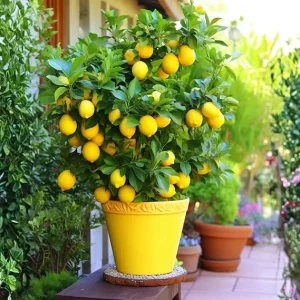
Lemon Tree Growing: Choose, Plant, and Harvest
Learn how to choose, plant, feed, and protect a lemon tree so it fits your
23
Sep
Sep
Dwarf Meyer Lemon Tree Australia: Climate Guide
Learn where dwarf Meyer lemon trees grow, how much cold they tolerate, and whether Australia,
Where to Buy a Dwarf Meyer Lemon Tree: Buyer’s Guide
Find the right dwarf Meyer lemon tree online or locally, compare starter sizes and costs,
Dwarf Meyer Lemon Tree for Sale: Buying Guide
Compare Meyer lemon tree sizes, prices, shipping limits, indoor growing and California options before you
Dwarf Meyer Lemon Tree Guide: Size, Care and Fruit
META: Learn how large a dwarf Meyer lemon tree grows, where it thrives, and how
How to Prune a Dwarf Meyer Lemon Tree
Learn when and how to prune a dwarf Meyer lemon tree, including tools, shaping cuts,
Can You Grow a Dwarf Meyer Lemon Tree in a Pot?
META: Learn how to grow a dwarf Meyer lemon tree in a pot, including container
When Do Dwarf Meyer Lemon Trees Bloom and Fruit?
META: Dwarf Meyer lemon trees usually bloom from winter through spring and may flower again