Live Purslane Plant – Edible Heirloom Herb for Gardens
-50%
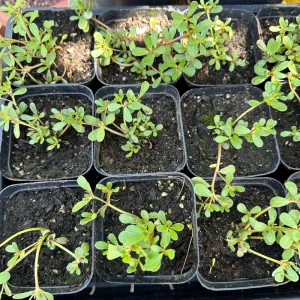
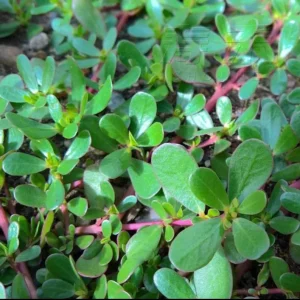
Live Purslane Plant – Edible Heirloom Herb for Gardens
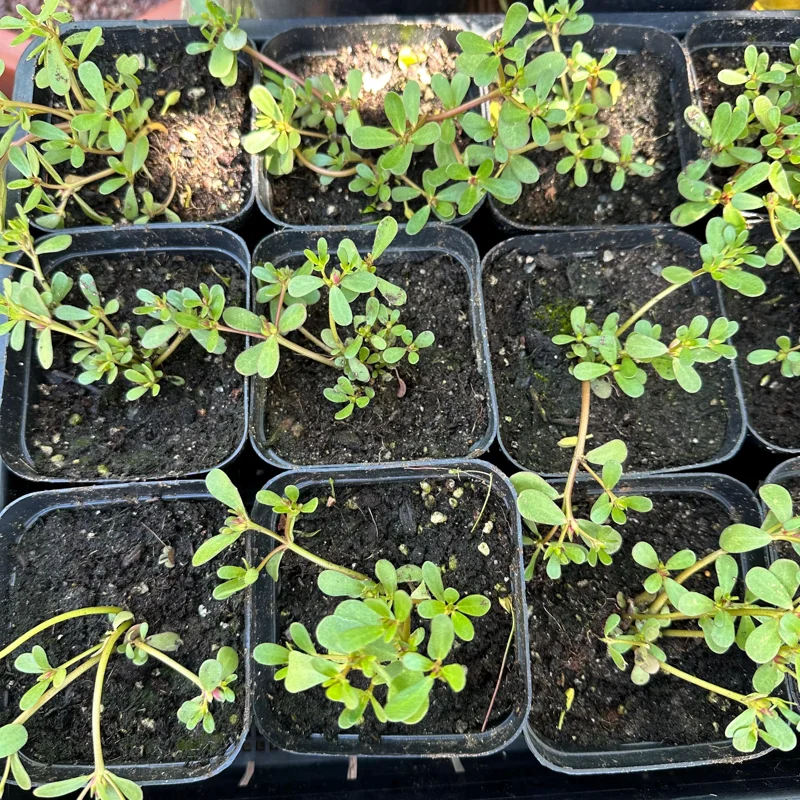
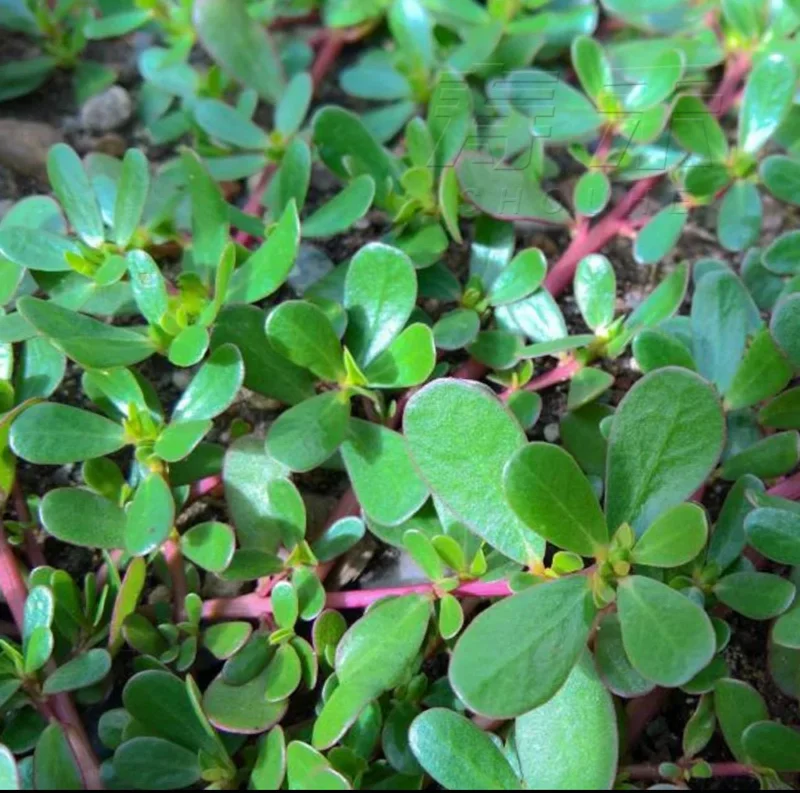
Bring home a vibrant purslane live plant, an excellent choice for both culinary enthusiasts and gardeners. This edible purslane is an heirloom purslane variety, known for its succulent leaves and rich nutritional value. Perfect for adding to salads, stir-fries, or as a vibrant groundcover in your garden.
Original price was: $47.96.$23.98Current price is: $23.98.

With our Alive & Thrive Guarantee, we’ve got your back for the first 30 days! If you have any concerns about your plants, just reach out to us. Our team is here to help answer your questions and guide you in selecting the best plants for your garden, climate, and unique preferences. We're excited to help you create the garden of your dreams!
Estimated arrival
Oct 21
Oct 26 - Oct 28
Oct 31 - Nov 04
Product Details
-
USDA Hardiness Zone
USDA zones 5-11 (as an annual) -
Soil type
Well-draining soil, sandy or loamy -
Sunlight Exposure
Full sun to partial shade -
Expected Planting Period
Spring to early summer
Overview
Discover the versatility and nutritional benefits of the purslane live plant. This remarkable succulent herb, scientifically known as Portulaca oleracea, is cherished worldwide for its edible leaves and stems. Our offering is an heirloom purslane variety, meaning it has been passed down through generations for its desirable traits, ensuring you receive a robust and authentic plant. Purslane is a fantastic addition to any garden, whether you’re a seasoned gardener or just starting out. Its low-growing habit and vibrant green foliage make it an attractive groundcover, while its tender leaves provide a delicious and healthy ingredient for countless dishes. This live plant arrives ready to thrive in your garden or container, promising fresh harvests and beautiful greenery.
Known for its slightly tart and peppery flavor, purslane is a popular ingredient in Mediterranean, Middle Eastern, and Asian cuisines. Beyond its culinary appeal, this plant is packed with nutrients, making it a superfood for your home garden. It’s a hardy and adaptable plant, capable of flourishing in various conditions, which makes grow purslane an incredibly rewarding experience. Add this easy-to-grow herb to your collection and enjoy the dual benefits of ornamental beauty and a fresh, healthy food source.
Key Benefits
Growing your own purslane offers a multitude of advantages, from its health benefits to its ease of cultivation. This resilient herb is more than just a pretty face; it’s a powerhouse of nutrition and a joy to cultivate.
- Nutrient-Rich Edible Herb: The purslane live plant is a powerhouse of Omega-3 fatty acids, vitamins (A, C, E), and minerals, making it a highly beneficial addition to your diet. Enjoy its fresh, slightly tangy flavor in salads, sandwiches, or cooked dishes.
- Easy to Grow and Maintain: Purslane is renowned for its hardiness and low-maintenance requirements. It thrives in various conditions and is perfect for beginner gardeners or those looking for a resilient, self-sufficient plant.
- Versatile Culinary Uses: From fresh salads and smoothies to stir-fries and soups, this edible purslane variety adds a unique flavor and texture. Explore diverse recipes and enhance your meals with homegrown freshness.
- Excellent Groundcover: Its low-spreading habit and succulent leaves make purslane an ideal groundcover, helping to suppress weeds and retain soil moisture in garden beds or containers.
- Drought Tolerant: As a succulent, purslane is naturally drought-tolerant once established, requiring less water than many other garden plants. This makes it an environmentally friendly choice for water-wise gardening.
- Heirloom Quality: This heirloom purslane ensures you’re growing a time-tested variety with reliable growth and flavor characteristics, preserving genetic diversity and traditional gardening practices.
- Pest Resistant: Purslane is generally resistant to most common garden pests, simplifying its care and ensuring a healthier plant without the need for extensive pest management.
Plant Care & Growing Tips
Caring for your purslane live plant is straightforward, making it an excellent choice for gardeners of all experience levels. This robust herb prefers warm weather and can be grown as an annual in most climates, though it may self-seed for future seasons. For optimal growth, choose a location that receives at least 6-8 hours of direct sunlight per day. While purslane can tolerate some partial shade, full sun encourages denser growth and a more vibrant appearance. Ensure the soil is well-draining, as waterlogged conditions can lead to root rot. A sandy or loamy soil mix with a neutral pH is ideal.
When it comes to watering, purslane is quite forgiving due to its succulent nature. Water thoroughly when the top inch of soil feels dry to the touch, then allow the soil to dry out before the next watering. Overwatering is a common mistake, so err on the side of underwatering. Fertilization is not strictly necessary for purslane, especially if planted in rich soil. However, a light application of a balanced, all-purpose liquid fertilizer every 4-6 weeks during the growing season can promote more vigorous growth. Keep an eye out for any yellowing leaves, which might indicate overwatering or nutrient deficiency. Generally, this resilient plant requires minimal intervention to thrive, making purslane plant care a breezy affair. It is quite hardy and can tolerate various temperatures, but it truly flourishes in warm conditions, making spring and summer the best times to grow purslane for abundant harvests.
Size & Details
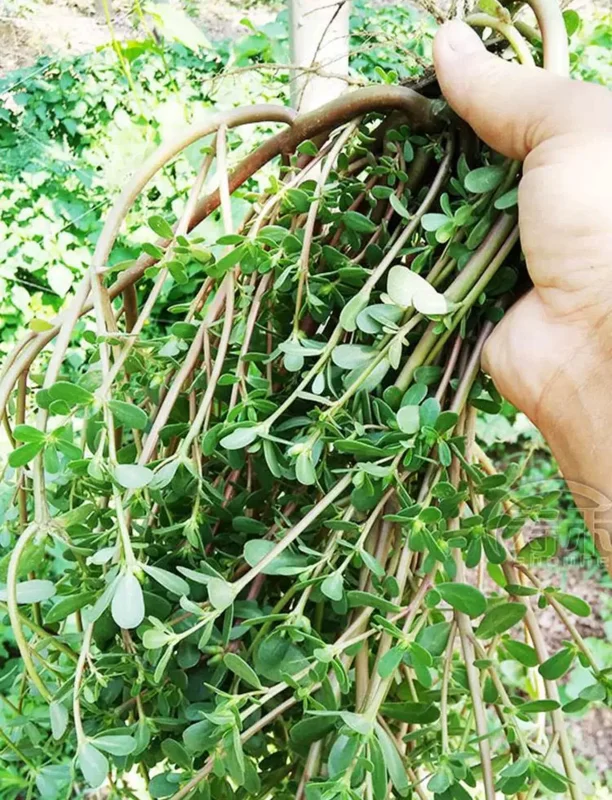
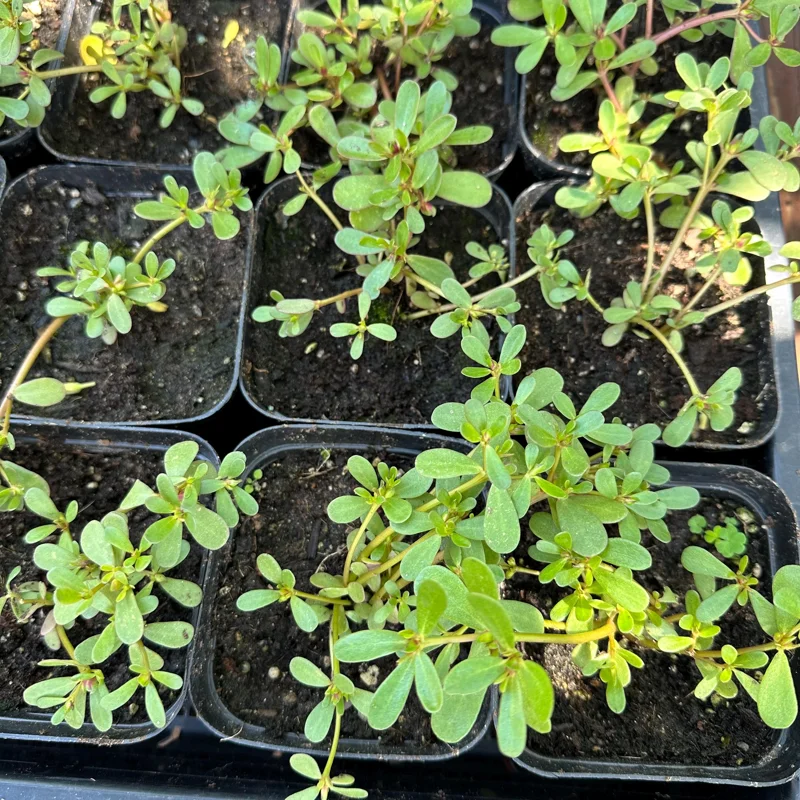
Your purslane live plant will arrive as a healthy, actively growing specimen, typically in a small nursery pot, ready for transplanting into your garden or a larger container. Purslane is a low-growing, spreading plant that usually reaches a height of 4 to 8 inches, with a spread of up to 12-18 inches per plant, depending on growing conditions. It exhibits a vigorous growth rate, quickly filling in spaces and providing a lush, green carpet. The succulent leaves are small, paddle-shaped, and a vibrant green, sometimes with reddish stems. While specific dimensions at arrival may vary, each plant is carefully selected to ensure a robust start in your garden. Expect to begin harvesting the tender leaves within a few weeks of planting, enjoying a continuous supply throughout the warm season.
Frequently Asked Questions
- Q: How big does this purslane plant get? A: This purslane live plant typically grows to about 4 to 8 inches tall and can spread up to 12-18 inches wide, creating a dense groundcover. Its size can vary slightly based on growing conditions and available space.
- Q: Is this an indoor or outdoor plant? A: Purslane thrives outdoors in full sun, making it an excellent choice for garden beds or outdoor containers. While it can be grown indoors in a very sunny window, it generally performs best and produces more foliage when grown outside.
- Q: How much sunlight does purslane need? A: For optimal growth and flavor, your edible purslane plant requires at least 6-8 hours of direct sunlight per day. It can tolerate partial shade, but full sun encourages the best development.
- Q: Is this plant easy to care for? A: Yes, purslane is known for being very easy to care for, making it suitable for beginners. It’s drought-tolerant and pest-resistant, requiring minimal attention once established.
- Q: What condition will the plant arrive in? A: Your heirloom purslane plant will arrive as a healthy, live specimen in a nursery pot, carefully packaged to ensure its safe journey. It will be ready for immediate transplanting.
- Q: Can I use purslane in cooking? A: Absolutely! Purslane is a delicious and nutritious herb with a slightly tart, peppery flavor. It’s excellent raw in salads, blended into smoothies, or lightly cooked in stir-fries and soups.
- Q: When is the best time to plant purslane? A: The best time to plant your purslane live plant is after the last frost in spring, once soil temperatures have warmed up. It thrives in warm weather throughout the summer and early fall.
- Q: Will it survive winter in my zone? A: Purslane is typically grown as an annual in most climates. It is sensitive to frost and will not survive freezing temperatures. However, it often self-seeds, so new plants may emerge the following spring.
- Q: Is this a common variety or something special? A: This is an heirloom purslane variety, meaning it’s a traditional, open-pollinated type that has been cultivated for generations, valued for its consistent quality and flavor.
- Q: What kind of soil does purslane prefer? A: Purslane prefers well-draining soil, ideally a sandy or loamy mix. It can tolerate poorer soils but will grow more vigorously in moderately fertile conditions.
Related products
-30%
Original price was: $59.98.$41.98Current price is: $41.98.
-67%
From Original price was: $35.22.$11.74Current price is: $11.74.
-67%
Original price was: $39.72.$13.24Current price is: $13.24.
-50%

Original price was: $27.96.$13.98Current price is: $13.98.
-50%
Original price was: $53.98.$26.99Current price is: $26.99.
-10%
Original price was: $65.00.$58.50Current price is: $58.50.
-50%
Original price was: $107.96.$53.98Current price is: $53.98.
PLANTING & CARE
Lemon Tree Growing: Choose, Plant, and Harvest
Learn how to choose, plant, feed, and protect a lemon tree so it fits your
23
Sep
Sep
Dwarf Meyer Lemon Tree Australia: Climate Guide
Learn where dwarf Meyer lemon trees grow, how much cold they tolerate, and whether Australia,
Where to Buy a Dwarf Meyer Lemon Tree: Buyer’s Guide
Find the right dwarf Meyer lemon tree online or locally, compare starter sizes and costs,
Dwarf Meyer Lemon Tree for Sale: Buying Guide
Compare Meyer lemon tree sizes, prices, shipping limits, indoor growing and California options before you
Dwarf Meyer Lemon Tree Guide: Size, Care and Fruit
META: Learn how large a dwarf Meyer lemon tree grows, where it thrives, and how
How to Prune a Dwarf Meyer Lemon Tree
Learn when and how to prune a dwarf Meyer lemon tree, including tools, shaping cuts,
Can You Grow a Dwarf Meyer Lemon Tree in a Pot?
META: Learn how to grow a dwarf Meyer lemon tree in a pot, including container
When Do Dwarf Meyer Lemon Trees Bloom and Fruit?
META: Dwarf Meyer lemon trees usually bloom from winter through spring and may flower again