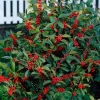
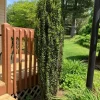
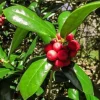
Dwarf Burford Holly Live Plant – Evergreen Shrub with Red Berries – 6-12″ Tall – Outdoor
-30%
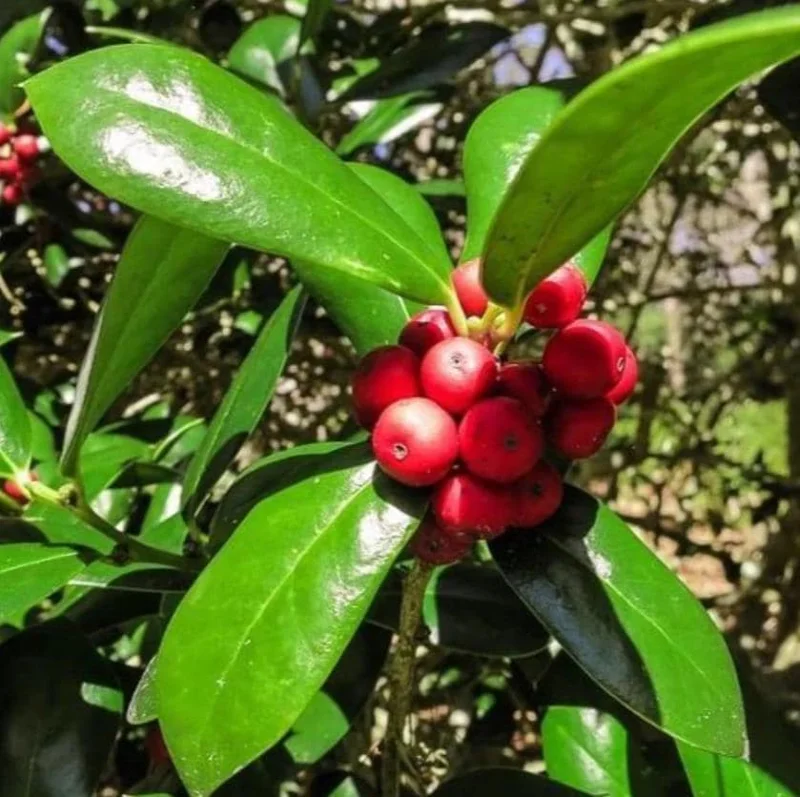
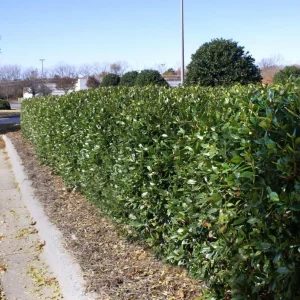
Dwarf Burford Holly Live Plant – Evergreen Shrub with Red Berries – 6-12″ Tall – Outdoor
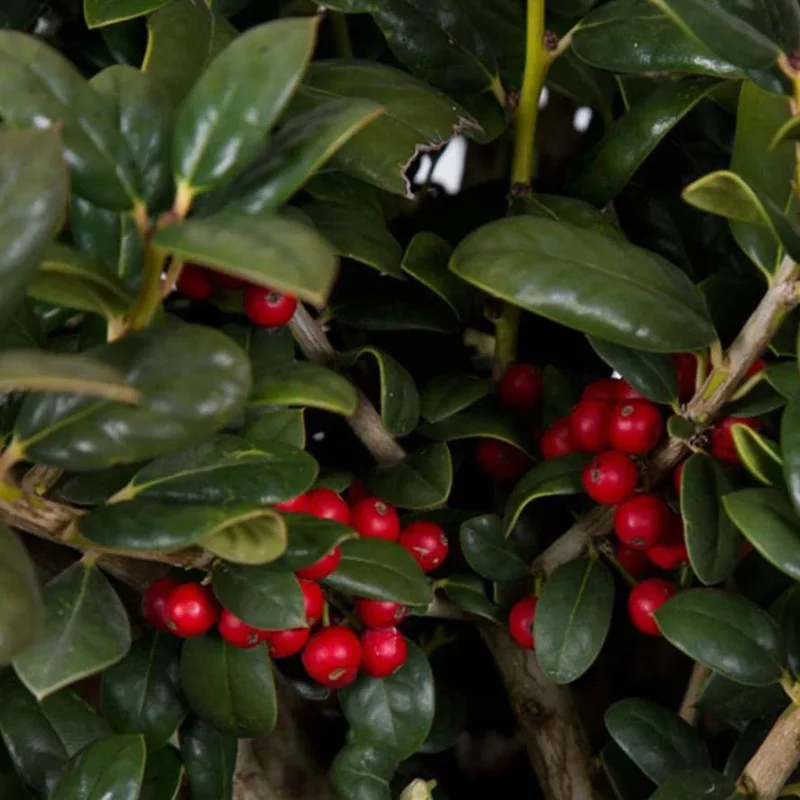
Enhance your landscape with the Dwarf Burford Holly live plant. This beautiful evergreen shrub offers glossy green leaves and bright red berries, perfect for borders or hedges. Hardy in USDA Zones 5-9.
Original price was: $31.98.$22.38Current price is: $22.38.

With our Alive & Thrive Guarantee, we’ve got your back for the first 30 days! If you have any concerns about your plants, just reach out to us. Our team is here to help answer your questions and guide you in selecting the best plants for your garden, climate, and unique preferences. We're excited to help you create the garden of your dreams!
Estimated arrival
Apr 03
Apr 08 - Apr 10
Apr 13 - Apr 17

Product Details
-
USDA Hardiness Zone
5–9 -
Soil type
Well-drained, moderately moist soil -
Sunlight Exposure
Full sun to partial shade -
Expected Planting Period
Spring to Fall
Overview
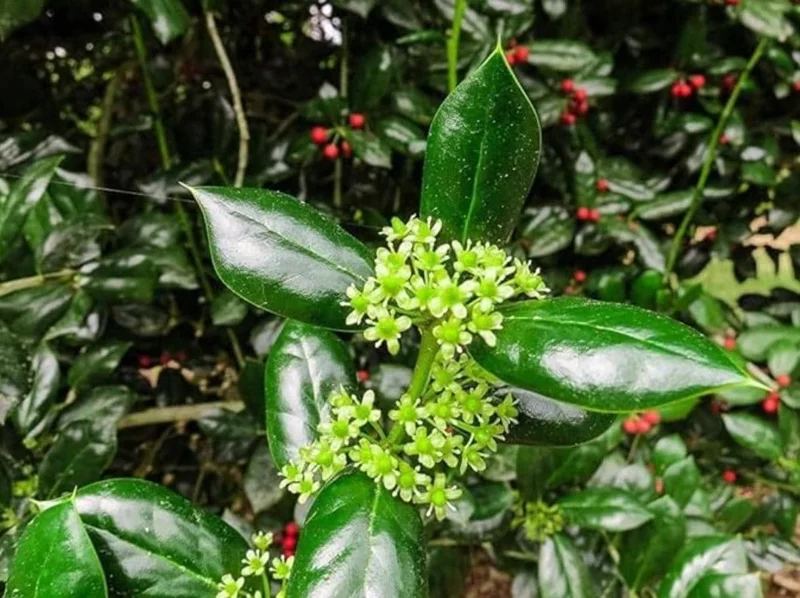
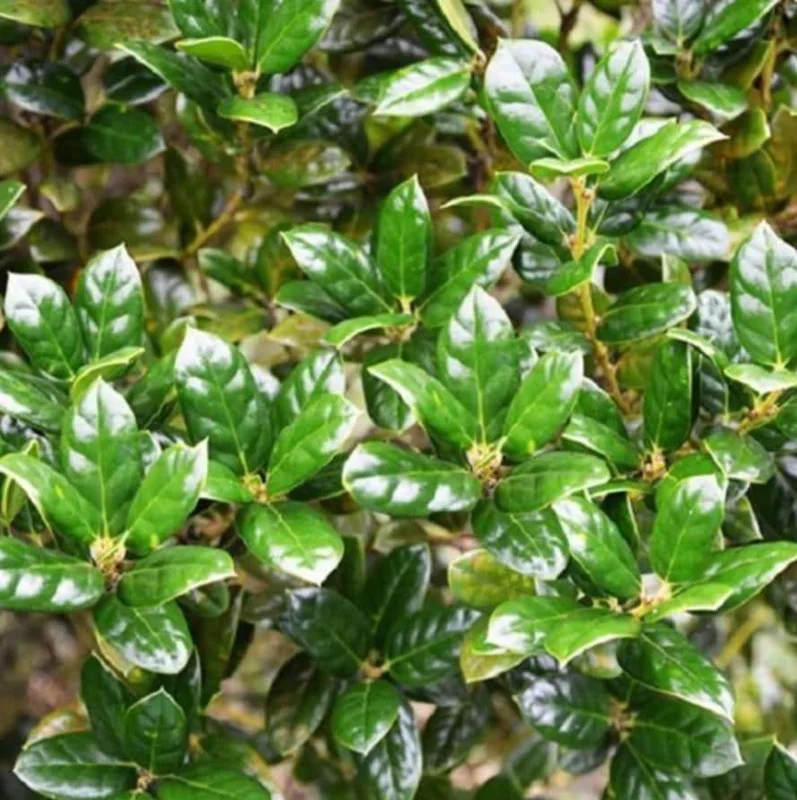
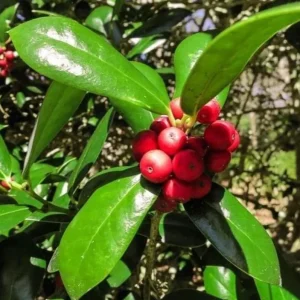
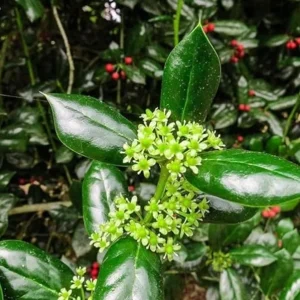
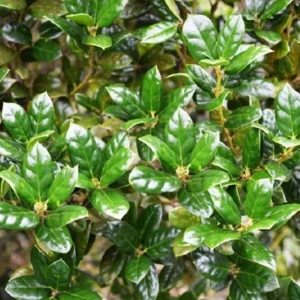
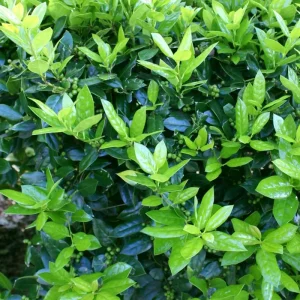
Introduce a touch of enduring beauty to your outdoor spaces with the Dwarf Burford Holly live plant. Revered for its robust nature and aesthetic appeal, this particular holly variety, scientifically known as Ilex cornuta ‘Burfordii Nana’, is a gardener’s favorite. It’s a compact, mounding evergreen shrub that provides year-round visual interest. Unlike many other hollies, the Dwarf Burford Holly is noted for its distinctive glossy green foliage, which features a single, less prickly spine at the tip of each leaf, making it more pleasant to handle. Its most striking feature, however, is the abundant production of brilliant red berries that emerge in fall and persist through winter, offering a spectacular contrast against the deep green leaves. This makes it an ideal choice for adding vibrant color during the colder months when many other plants are dormant. Whether you’re looking to create a formal hedge, an informal border, or a striking specimen plant, the Dwarf Burford Holly delivers both elegance and resilience.
Key Benefits
The Dwarf Burford Holly live plant offers numerous advantages for any landscape, combining ornamental beauty with practical benefits:
- Year-Round Evergreen Foliage: Enjoy consistent, glossy dark green leaves throughout all seasons, providing a steady backdrop for seasonal changes and maintaining garden structure.
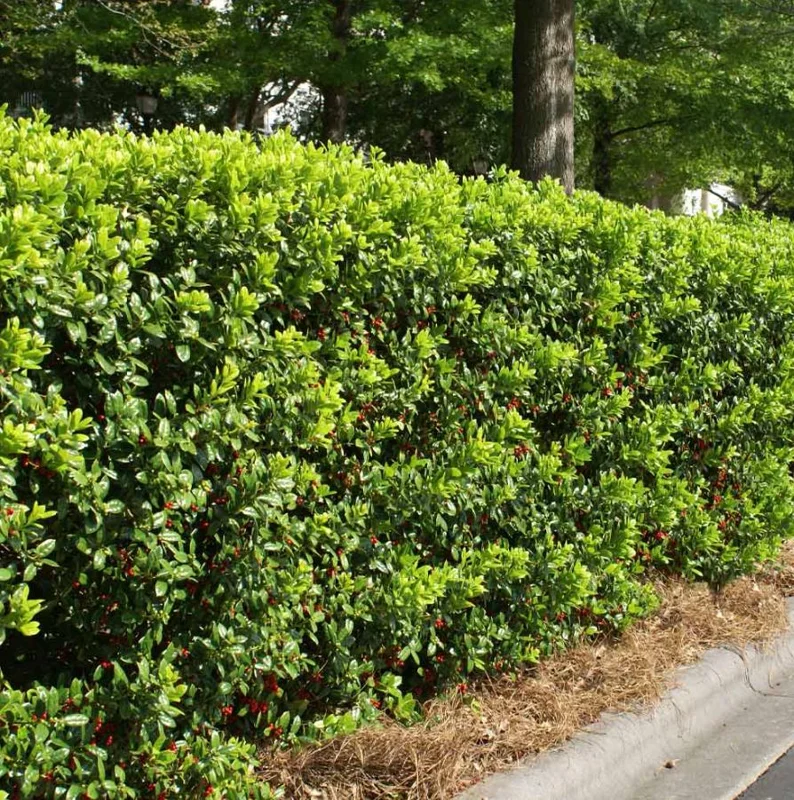
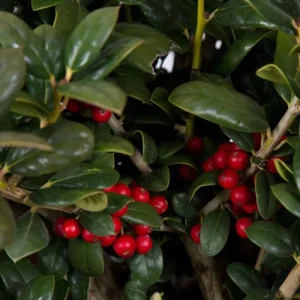
- Vibrant Red Berries: Produces a spectacular display of bright red berries in fall and winter, offering crucial color and visual interest when other plants are dormant. These berries are also a food source for local wildlife.
- Low Maintenance & Hardy: This Burford Holly shrub is known for its ease of care, tolerating a range of conditions once established and requiring minimal intervention to thrive.
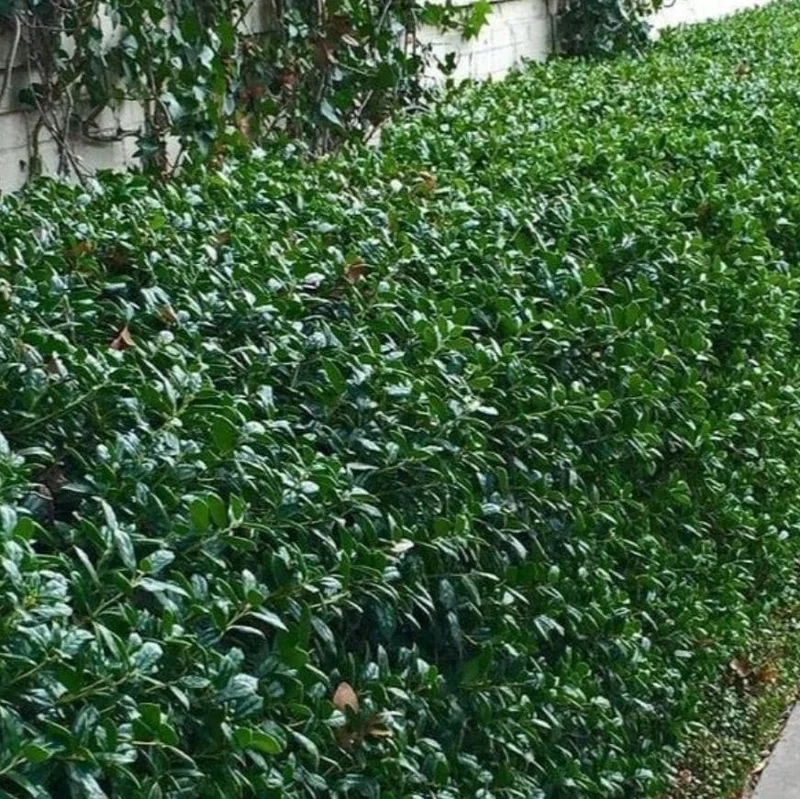
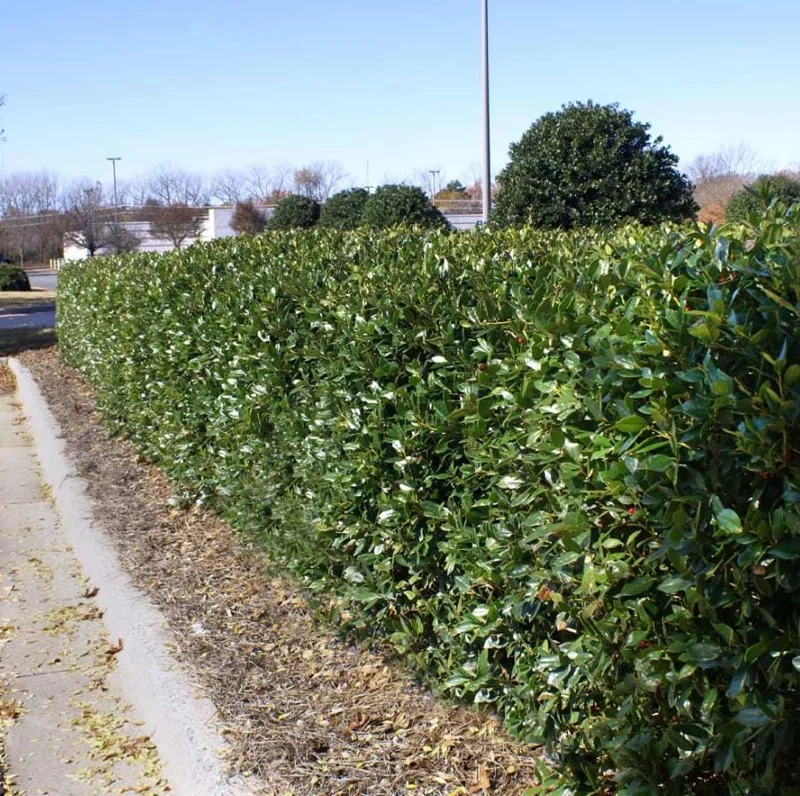
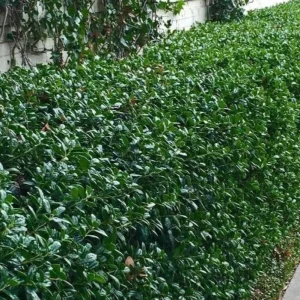
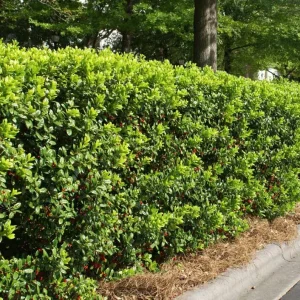
- Versatile Landscaping Use: Its compact size and dense growth habit make it perfect for various applications, including formal hedges, mixed borders, foundation plantings, or as an attractive standalone specimen.
- Self-Pollinating: Unlike some other holly varieties, the Dwarf Burford Holly is self-pollinating, meaning you don’t need a separate male plant to ensure berry production.
- Drought & Soil Tolerant: Exhibits good tolerance to periods of drought and a variety of soil types, as long as drainage is adequate, making it adaptable to different garden environments.
- Deer Resistant: Generally considered deer resistant, providing peace of mind for gardeners in areas prone to deer browsing.
Plant Care & Growing Tips
Caring for your Dwarf Burford Holly live plant is straightforward, ensuring it remains a vibrant and healthy addition to your garden for years. This resilient evergreen red berry plant thrives with proper placement and consistent, basic care. For optimal berry production and lush foliage, plant your holly in a location that receives full sun to partial shade. Full sun (at least 6 hours of direct sunlight daily) will generally result in the most abundant berry set. While it can tolerate some shade, too much shade may reduce the number of berries it produces. The ideal soil for this shrub is well-drained and moderately moist. It is adaptable to various soil types, including clay, loam, and sandy soils, but it will not tolerate poorly drained, waterlogged conditions. Ensure the planting site allows for good water runoff to prevent root rot.
Moderate watering is key, especially during dry spells and in its first year of establishment. Water deeply and regularly to encourage a strong root system. Once established, the Dwarf Burford Holly is quite drought-tolerant. Apply a layer of organic mulch around the base of the plant to help retain soil moisture, regulate soil temperature, and suppress weed growth. Fertilize in early spring with a balanced, slow-release fertilizer formulated for evergreen shrubs. Pruning can be done in late winter or early spring before new growth begins, or after the berries have faded. This shrub responds well to pruning and can be shaped into formal hedges or maintained at a desired size and shape for containers or borders. It is hardy in USDA Hardiness Zones 5-9, meaning it can withstand winter temperatures down to -20°F (-28.9°C).
Size & Details
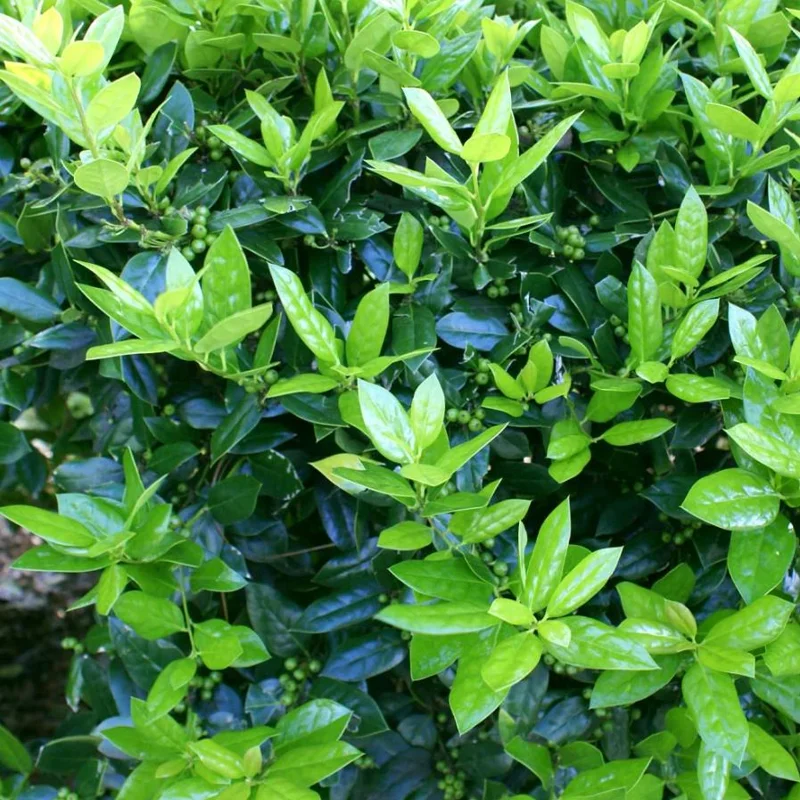
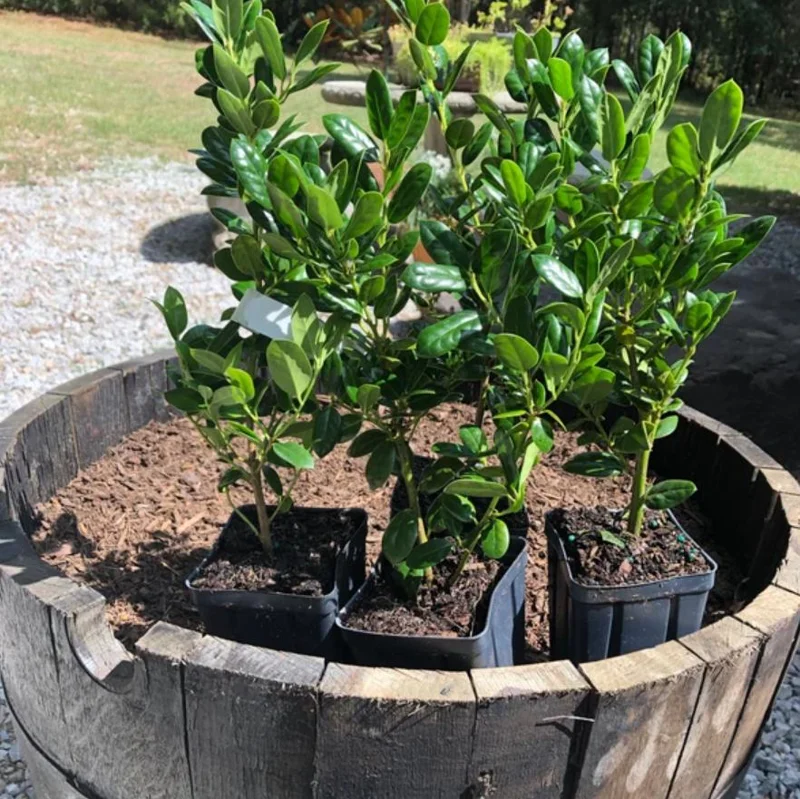
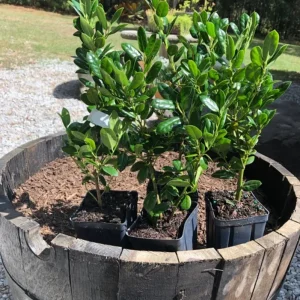
This offering includes one Dwarf Burford Holly live plant, provided as a seedling that is typically 6–12 inches tall and established in a 4-inch nursery pot. This size is ideal for planting directly into your garden or a larger container. The compact holly for garden applications typically grows to a mature height of 3-6 feet and a similar spread, making it a medium-sized shrub perfect for various landscape designs. Its growth rate is moderate, allowing it to reach its mature size within a few years while remaining manageable. The plant will arrive with glossy green foliage, and if purchased in fall or winter, it may already be adorned with its characteristic bright red berries. During winter dormancy, it is normal for the plant to appear less vigorous or even lose some leaves, but this does not affect its long-term health and growth in spring.
The Dwarf Burford Holly is an evergreen, ensuring continuous color and structure in your garden. Its dense branching habit and attractive foliage provide excellent cover and visual interest. It is a self-pollinating variety, guaranteeing berry production without the need for a separate male plant. This plant is a versatile choice for gardeners seeking a reliable, low-maintenance shrub that offers significant ornamental value throughout the year.
Frequently Asked Questions
- Q: How big does this Dwarf Burford Holly live plant get? A: The Dwarf Burford Holly typically grows to a mature height and spread of 3-6 feet, making it a compact yet substantial shrub for various garden uses. Its size can also be managed through regular pruning.
- Q: What size pot does it come in? A: Each Dwarf Burford Holly live plant is shipped as a live seedling, approximately 6–12 inches tall, in a 4-inch nursery pot, ready for planting upon arrival.
- Q: Is this an indoor or outdoor plant? A: The Dwarf Burford Holly is an outdoor plant, well-suited for landscaping in gardens, borders, and hedges. It thrives in various outdoor conditions within its hardiness zones.
- Q: How much sunlight does it need? A: For best results, plant your Burford Holly shrub in full sun to partial shade. Full sun exposure generally leads to more abundant berry production and denser foliage.
- Q: Is this plant easy to care for? A: Yes, the Dwarf Burford Holly is considered a low-maintenance shrub. Once established, it is quite hardy and tolerant of different soil conditions and periods of drought, making it a great choice for beginners.
- Q: What condition will it arrive in? A: Your evergreen red berry plant will arrive as a healthy, live seedling in a pot. During winter dormancy, it’s normal for the plant to appear less leafy; this is natural and does not indicate poor health.
- Q: When is the best time to plant a Dwarf Burford Holly? A: The best time to plant is typically in spring or fall when temperatures are moderate. This allows the plant to establish its root system before extreme heat or cold.
- Q: Will it survive winter in my zone? A: The Dwarf Burford Holly is hardy in USDA Zones 5-9, meaning it can tolerate winter temperatures down to -20°F (-28.9°C). If you are in these zones, it will survive winter outdoors.
- Q: Does this plant need a pollinator for berries? A: No, the Dwarf Burford Holly is a self-pollinating variety, so you do not need a separate male plant to ensure it produces its beautiful red berries.
- Q: How often should I water my Dwarf Burford Holly? A: Water regularly and deeply during the first growing season to establish a strong root system. Once established, it is relatively drought-tolerant but will benefit from moderate watering during prolonged dry periods.
Related products
-30%
Original price was: $73.98.$51.78Current price is: $51.78.
-50%


Original price was: $63.00.$31.50Current price is: $31.50.
-50%
Original price was: $55.98.$27.99Current price is: $27.99.
-20%
Original price was: $36.00.$28.80Current price is: $28.80.
PLANTING & CARE
Growing Glencoe Raspberry: A Complete Guide for Gardeners
If you’re looking to add something unique to your garden, look no further than the
31
Mar
Mar

The Comprehensive Guide to Growing Bay Leaf Plants for a Flavorful Garden
Imagine stepping into your garden, greeted by the earthy aroma of fresh bay leaves, their
09
Feb
Feb

How to Make Comfrey Tea: The Ultimate Organic Plant Food
Growing an organic garden can be surprisingly expensive, especially when most store-bought fertilizers come in
02
Feb
Feb

True Comfrey: 7 Essential Tips Before You Plant This Herb
A staple in permaculture practices across the US, True Comfrey easily earns its reputation as
27
Jan
Jan

7 Heart-Shaped Plants for a Lasting Valentine’s Gift
If you’ve ever bought a bouquet of roses for Valentine’s Day, you know they are
26
Jan
Jan

Best Types of Ivy Plant for Houses: How to Choose the Perfect Ones for Your Home
Are you a garden lover looking to introduce some greenery into your home? Maybe you’ve
14
Nov
Nov

When to Harvest Garlic (Especially Fall-Planted Garlic)
TIMING IS EVERYTHING, they say – and for garlic, that truth hits with surprising accuracy.
13
Nov
Nov

11 of the Best Sweet Potato Varieties to Grow for Your Garden
If you’ve ever tried growing sweet potatoes, you know that picking the right variety can
12
Nov
Nov