Dwarf Mulberry Tree Live Plant in 3.5in Pot, 10-18in Height – Edible Fruit
-50%
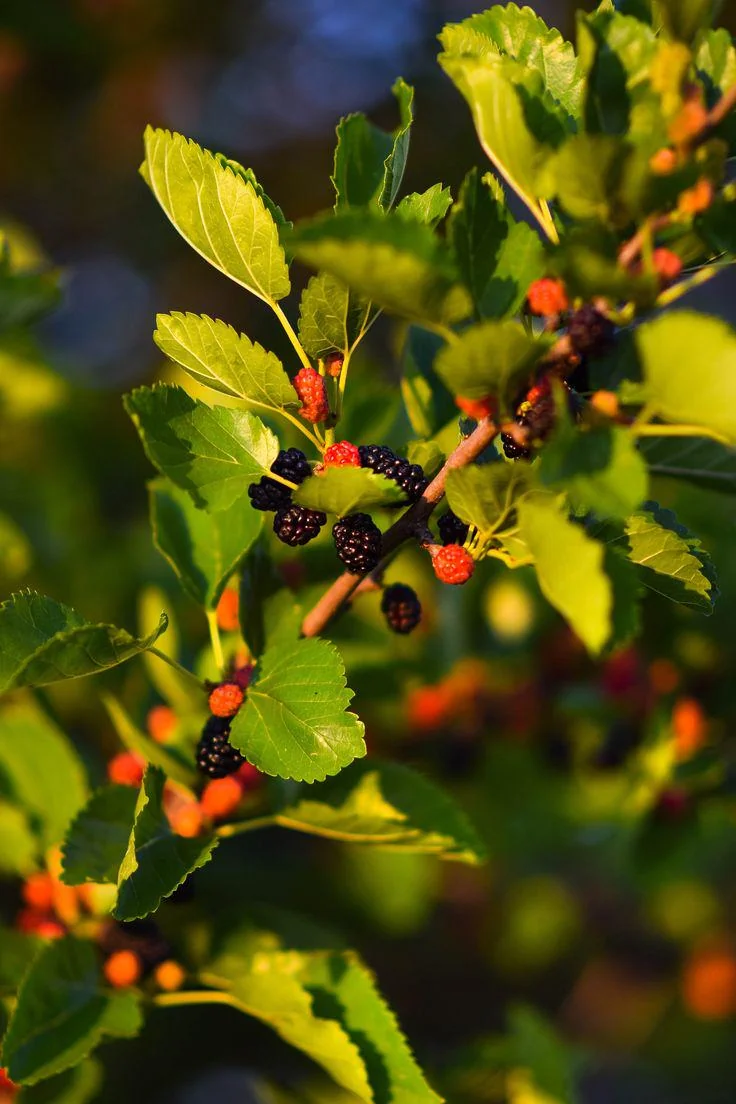
Dwarf Mulberry Tree Live Plant in 3.5in Pot, 10-18in Height – Edible Fruit
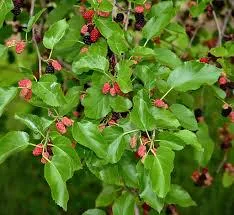
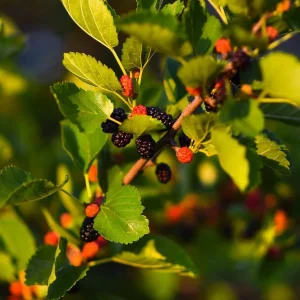
Cultivate your own delicious fruit with this dwarf mulberry tree live plant. Standing 10-18 inches tall in a 3.5-inch pot, this fast growing mulberry is perfect for home gardens. It provides sweet, edible berries for humans and is an excellent food source for wildlife, offering fruit early in the season.
From Original price was: $103.68.$51.84Current price is: $51.84.

With our Alive & Thrive Guarantee, we’ve got your back for the first 30 days! If you have any concerns about your plants, just reach out to us. Our team is here to help answer your questions and guide you in selecting the best plants for your garden, climate, and unique preferences. We're excited to help you create the garden of your dreams!
Estimated arrival
Mar 22
Mar 27 - Mar 29
Apr 01 - Apr 05
Product Details
-
USDA Hardiness Zone
USDA Zones 4-9 -
Soil type
Well-draining loam, adaptable to various soil types -
Sunlight Exposure
Full sun -
Expected Planting Period
Early spring or early fall
Overview
Introduce a versatile and rewarding addition to your garden with this dwarf mulberry tree live plant. Known for its rapid growth and early fruit production, this mulberry variety is an exceptional choice for both culinary enthusiasts and wildlife supporters. Mulberries are among the first fruits of the year to ripen, providing a crucial food source when other options are scarce. This particular plant measures between 10 to 18 inches in height and comes rooted in a 3.5-inch pot, ready for planting and establishment in your landscape. Prepare to enjoy abundant crops of juicy berries and observe the diverse wildlife it attracts.
The dwarf mulberry tree is a robust and resilient plant, making it suitable for various garden settings. Its ability to produce fruit within just a few years of planting means you won’t have to wait long to harvest your own delicious mulberries. Beyond its fruit, the foliage also serves as an additional food source, particularly for deer, making it a valuable asset for landowners looking to enhance their habitat. This live plant offers a sustainable and beautiful way to contribute to your local ecosystem while enjoying fresh, homegrown produce.
Key Benefits
Adding a dwarf mulberry tree to your property comes with a wealth of advantages, from providing fresh fruit to supporting local wildlife. These trees are exceptionally productive and offer benefits that extend far beyond a simple garden addition. The ease of care and rapid growth make them a popular choice for both seasoned gardeners and beginners alike.
- Fast Fruit Production: Enjoy delicious mulberries as early as 3-4 years after planting, with significant yields by years 5-7. This makes it one of the quickest fruit-bearing trees to establish in your garden.
- Excellent Wildlife Food Source: Mulberries are the first fruits to drop in late spring to early summer, providing vital nutrition for deer, turkeys, squirrels, coyotes, and raccoons when other food sources are limited. A mulberry for wildlife is an invaluable resource.
- Edible for Humans: The sweet, juicy berries are not only a favorite of wildlife but are also highly palatable for human consumption. Use them fresh, in pies, jams, or other culinary creations.
- Rapid Growth Rate: Mulberries grow extremely rapidly, often doubling the growth rate of other deciduous trees. This means your tree will establish quickly and begin providing benefits sooner.
- Habitat Enhancement: By providing both fruit and foliage, a dwarf mulberry tree significantly improves the quality of your land’s habitat, attracting and sustaining a variety of animals.
- Low Maintenance: Once established, mulberry trees are relatively low-maintenance, requiring minimal intervention to thrive and produce bountiful harvests.
- Deer Forage: The abundant seedlings that sprout around the base of the tree are a favorite food source for deer, offering continuous forage throughout the growing season.
Plant Care & Growing Tips
Caring for your dwarf mulberry tree is straightforward, thanks to its robust nature and adaptability. Understanding its basic needs will ensure a healthy, productive plant that thrives for years to come. Mulberries are generally forgiving, making them an excellent choice for a variety of growers.
Sunlight & Location: Mulberries prefer full sun, meaning at least 6-8 hours of direct sunlight per day. Choose a location in your garden that receives ample sun exposure. While they can tolerate some partial shade, full sun promotes the best fruit production. Ensure good air circulation around the tree to prevent fungal issues. This fast growing mulberry will quickly establish itself given proper light conditions.
Soil & Watering: This dwarf mulberry tree thrives in well-draining soil, but it is adaptable to various soil types, including clay, loam, and sand, as long as drainage is adequate. A slightly acidic to neutral pH (6.0-7.0) is ideal. Water regularly, especially during dry spells and the first few years after planting, to help the tree establish a strong root system. Once mature, mulberries are relatively drought-tolerant, but consistent moisture will lead to better fruit yields. Avoid waterlogging, as this can lead to root rot.
Temperature & Fertilization: Mulberries are hardy and can tolerate a wide range of temperatures. They are typically suited for USDA zones 4-9. While not explicitly stated for this dwarf variety, most mulberries are quite resilient. Fertilize in early spring with a balanced, slow-release fertilizer or a compost rich in organic matter. Avoid over-fertilizing, especially with high-nitrogen fertilizers, which can promote leafy growth at the expense of fruit production. Pruning can be done in late winter or early spring to shape the tree and remove any dead or diseased branches. Understanding mulberry plant care is key to a thriving tree.
Size & Details
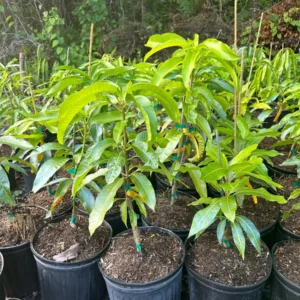
This offering is for a healthy dwarf mulberry tree live plant, carefully cultivated and ready for transplanting. Each plant stands approximately 10 to 18 inches in height, providing a substantial start for your garden project. The plant is shipped in a 3.5-inch nursery pot, ensuring its root system is well-protected and established for a smooth transition to its new home. Mulberries are known for their rapid growth rate, and this dwarf variety is no exception, allowing for quick establishment and early fruit production.
Expect fruit production to begin within 3-4 years, with significant and attractive crops by years 5-7. This makes the edible mulberry tree a highly rewarding long-term investment for your garden. The mature size of a dwarf mulberry tree can vary, but they are generally more compact than standard varieties, making them suitable for smaller gardens or container growing. They are deciduous, meaning they will lose their leaves in the fall and enter dormancy, which is a natural part of their growth cycle. This live plant is an excellent choice for anyone seeking a productive and low-maintenance fruit tree.
Frequently Asked Questions
- Q: How big does this dwarf mulberry tree get? A: While dwarf varieties are more compact, exact mature size can vary. They are designed to be manageable in smaller spaces, typically reaching heights of 6-15 feet, depending on pruning and growing conditions.
- Q: What size pot does the plant come in? A: Each dwarf mulberry tree plant is shipped in a 3.5-inch nursery pot, providing a secure and established root system for successful transplanting.
- Q: Is this an indoor or outdoor plant? A: This dwarf mulberry tree is primarily an outdoor plant, thriving in garden settings where it can receive full sun. It can be grown in large containers on patios.
- Q: How much sunlight does it need? A: Mulberries require at least 6-8 hours of direct sunlight per day for optimal growth and fruit production. Choose a sunny location in your garden.
- Q: Is this plant easy to care for? A: Yes, mulberries are known for being relatively easy to care for once established. They are robust and adaptable, making mulberry plant care suitable for gardeners of most experience levels.
- Q: What condition will it arrive in? A: The plant will arrive healthy, live, and well-rooted in its nursery pot. Please note that mulberries naturally lose their leaves in colder months as they enter dormancy.
- Q: How long until it produces fruit? A: This dwarf mulberry tree can start producing fruit as early as 3-4 years after planting, with significant yields typically beginning around 5-7 years.
- Q: Can I really use this mulberry for wildlife? A: Absolutely! Mulberries are a fantastic food source for a wide range of wildlife, including deer, turkeys, squirrels, and birds, especially in late spring/early summer.
- Q: What is the best time to plant a mulberry tree? A: The best time to plant a mulberry tree is typically in early spring after the last frost, or in early fall before the ground freezes, allowing the roots to establish.
- Q: Will it survive winter in my zone? A: Mulberries are generally hardy, thriving in USDA Zones 4-9. If you are in a colder zone, provide winter protection or consider growing in a large container that can be moved indoors.
| Mulberry | 1, 2, 3 |
|---|
Related products


PLANTING & CARE

The Comprehensive Guide to Growing Bay Leaf Plants for a Flavorful Garden
Imagine stepping into your garden, greeted by the earthy aroma of fresh bay leaves, their
09
Feb
Feb

How to Make Comfrey Tea: The Ultimate Organic Plant Food
Growing an organic garden can be surprisingly expensive, especially when most store-bought fertilizers come in
02
Feb
Feb

True Comfrey: 7 Essential Tips Before You Plant This Herb
A staple in permaculture practices across the US, True Comfrey easily earns its reputation as
27
Jan
Jan

7 Heart-Shaped Plants for a Lasting Valentine’s Gift
If you’ve ever bought a bouquet of roses for Valentine’s Day, you know they are
26
Jan
Jan

Best Types of Ivy Plant for Houses: How to Choose the Perfect Ones for Your Home
Are you a garden lover looking to introduce some greenery into your home? Maybe you’ve
14
Nov
Nov

When to Harvest Garlic (Especially Fall-Planted Garlic)
TIMING IS EVERYTHING, they say – and for garlic, that truth hits with surprising accuracy.
13
Nov
Nov

11 of the Best Sweet Potato Varieties to Grow for Your Garden
If you’ve ever tried growing sweet potatoes, you know that picking the right variety can
12
Nov
Nov
Pruning Bougainvillea for Winter
Bougainvillea vines are known for their dazzling display of magenta, orange, and fuchsia bracts that
05
Nov
Nov