Dwarf Nandina Shrub Live Plant – 2.5 Inch Pot – Compact Outdoor Plant
-30%
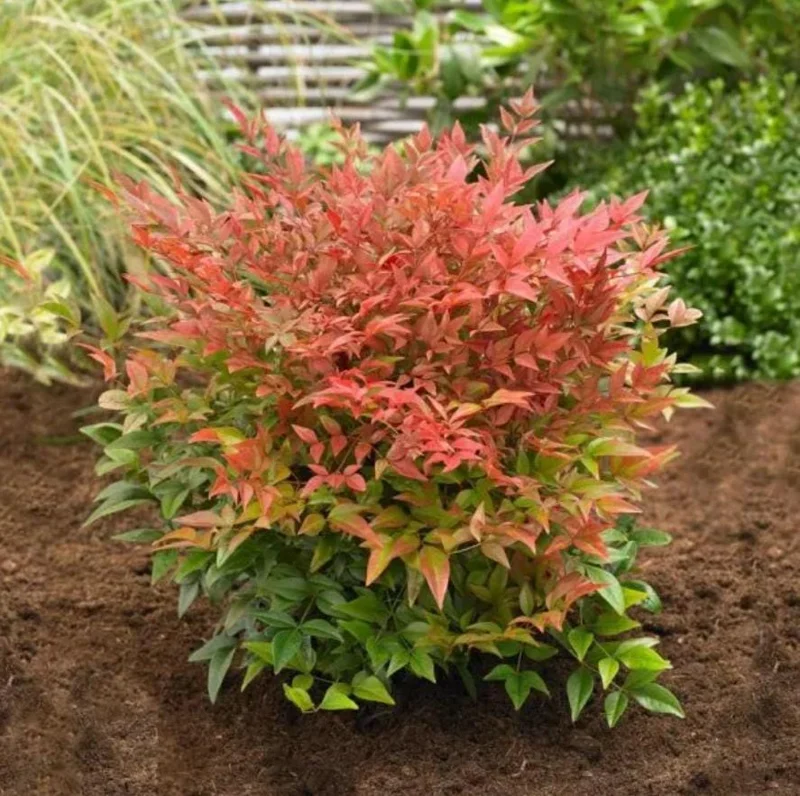
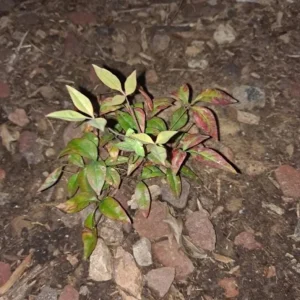
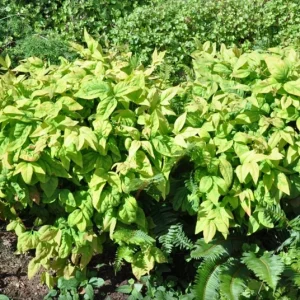
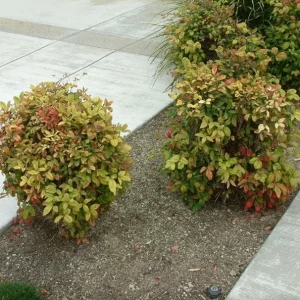
Dwarf Nandina Shrub Live Plant – 2.5 Inch Pot – Compact Outdoor Plant
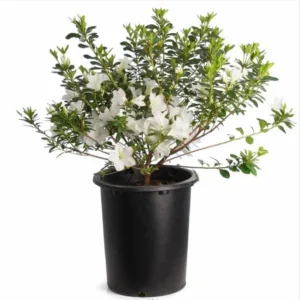
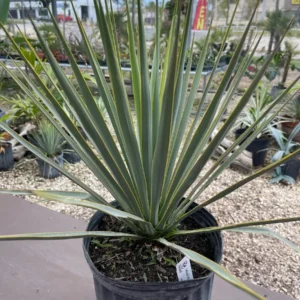
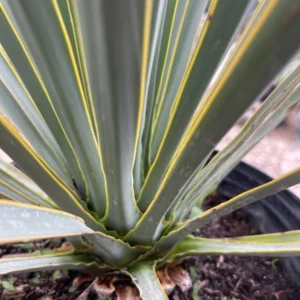
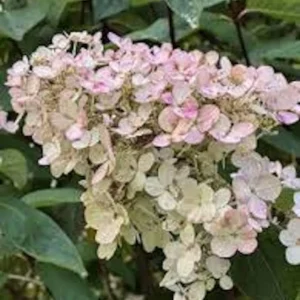
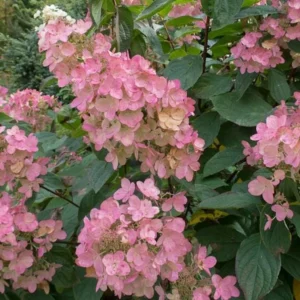
Bring vibrant, seasonal color to your garden or patio with the dwarf nandina shrub. This compact, low-maintenance nandina compact plant arrives in a 2.5-inch pot, perfect for small spaces, borders, or containers. Enjoy its beautiful foliage and drought tolerance once established.
Original price was: $45.98.$32.18Current price is: $32.18.

With our Alive & Thrive Guarantee, we’ve got your back for the first 30 days! If you have any concerns about your plants, just reach out to us. Our team is here to help answer your questions and guide you in selecting the best plants for your garden, climate, and unique preferences. We're excited to help you create the garden of your dreams!
Estimated arrival
Mar 31
Apr 05 - Apr 07
Apr 10 - Apr 14
Product Details
-
USDA Hardiness Zone
USDA zones 6-10 -
Soil type
Well-draining soil -
Sunlight Exposure
Full sun to partial shade -
Expected Planting Period
Spring to early fall
Overview
Discover the charm and versatility of the dwarf nandina shrub, a delightful addition to any garden or patio. Also widely known as heavenly bamboo plant, this specific variety is celebrated for its compact growth habit and stunning seasonal foliage changes. Unlike its larger relatives, the dwarf nandina remains small and manageable, making it an ideal choice for urban gardens, container planting, or defining borders. This live plant, arriving in a 2.5-inch nursery pot, is ready to bring immediate beauty to your outdoor living spaces. Its robust nature and captivating appearance make it a favorite among both seasoned and novice gardeners looking for a low-effort, high-impact plant.
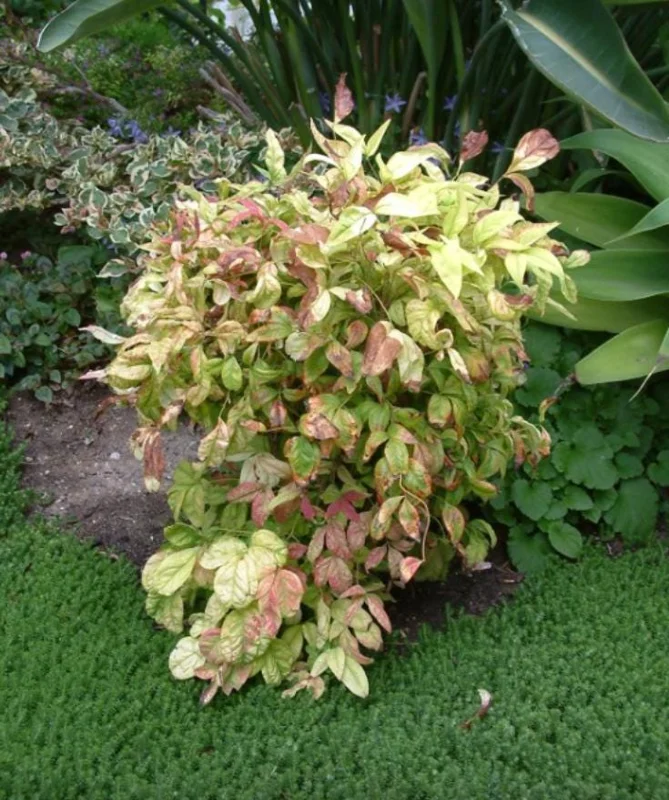
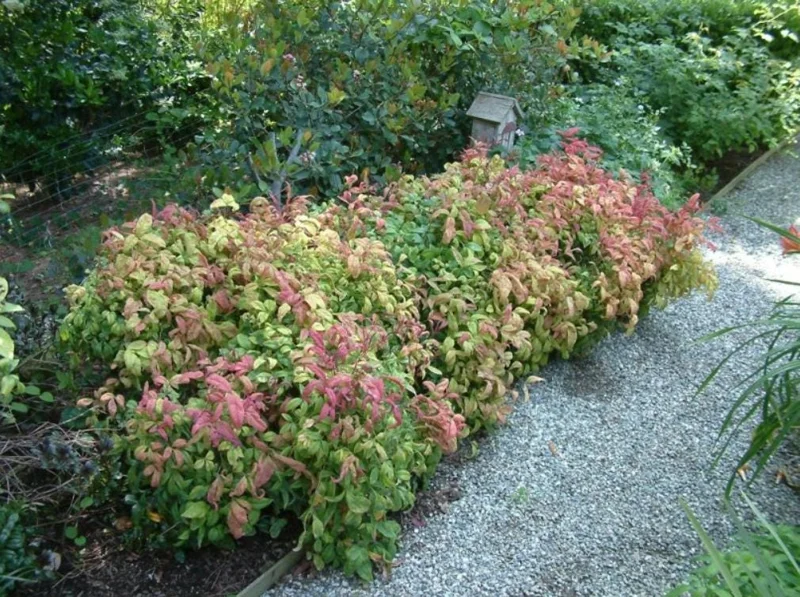
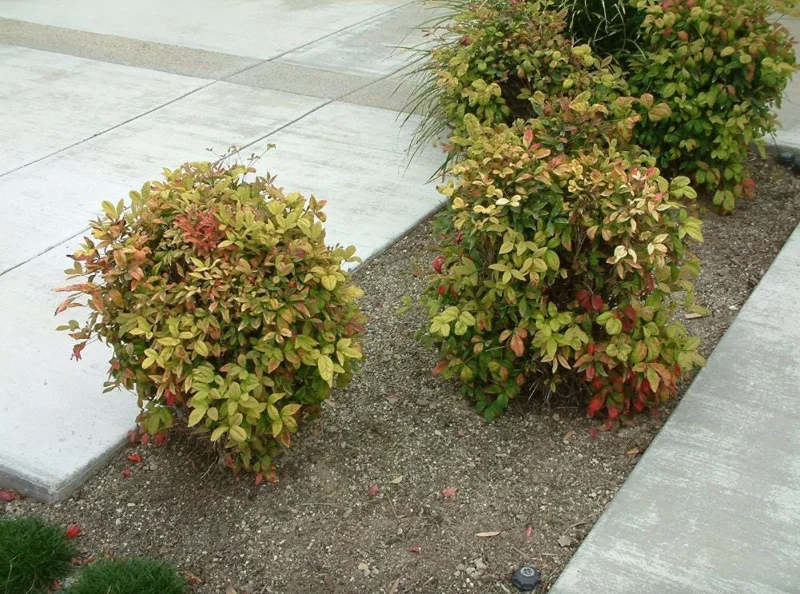
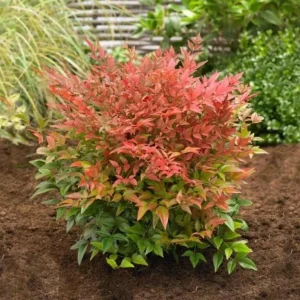
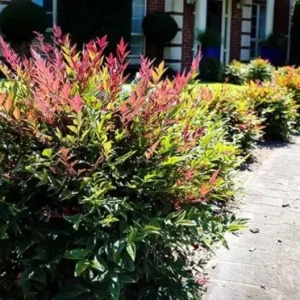
The botanical name for this species is Nandina domestica, often referred to as ‘Heavenly Bamboo’ due to its bamboo-like foliage, though it is not a true bamboo. The dwarf varieties, like this one, are specifically bred for their smaller stature, making them perfect for modern landscapes. This particular dwarf nandina shrub showcases a dynamic display of colors, transitioning from fresh green to fiery reds and oranges as seasons change, providing continuous visual interest throughout the year. It’s a fantastic feature plant that demands minimal attention while delivering maximum aesthetic appeal.
Key Benefits
The dwarf nandina shrub offers a multitude of benefits, making it an excellent choice for a variety of garden designs and gardener skill levels:
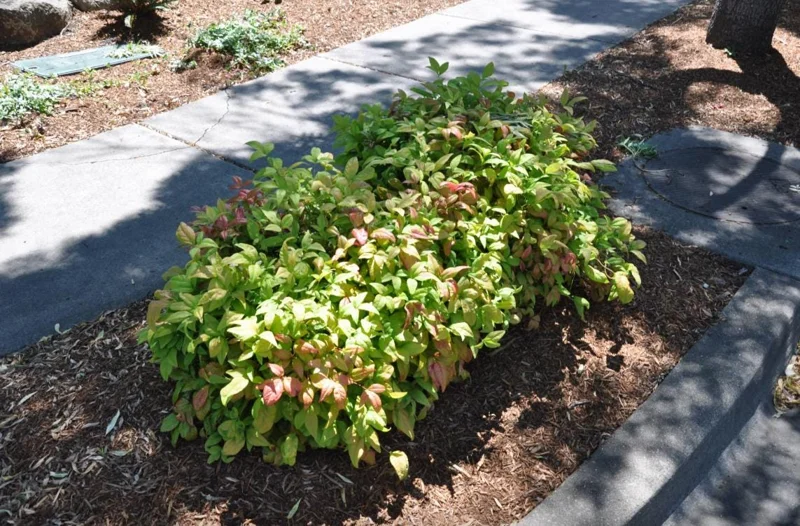
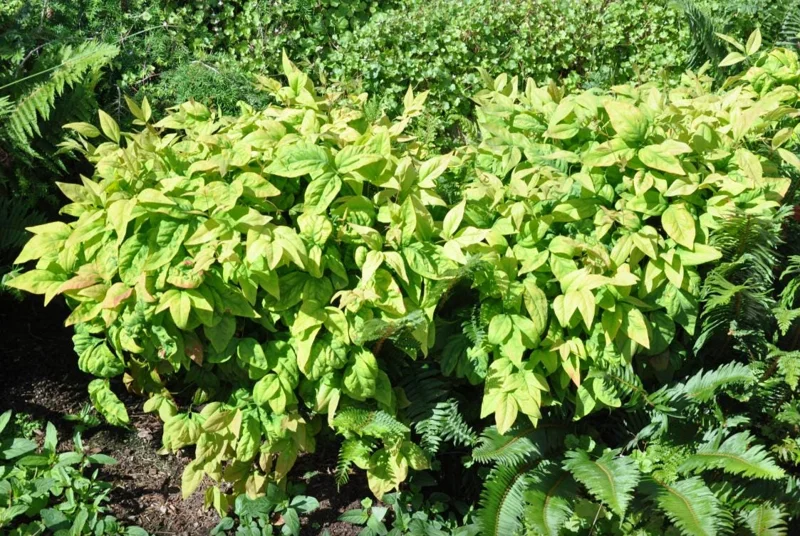
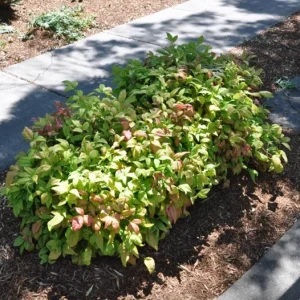
- Compact & Versatile Growth: This nandina compact plant maintains a small, tidy form, reaching mature heights and widths that are ideal for small gardens, rockeries, or container planting. Its controlled size means less pruning and more enjoyment, fitting perfectly into tight spaces or as an accent plant.
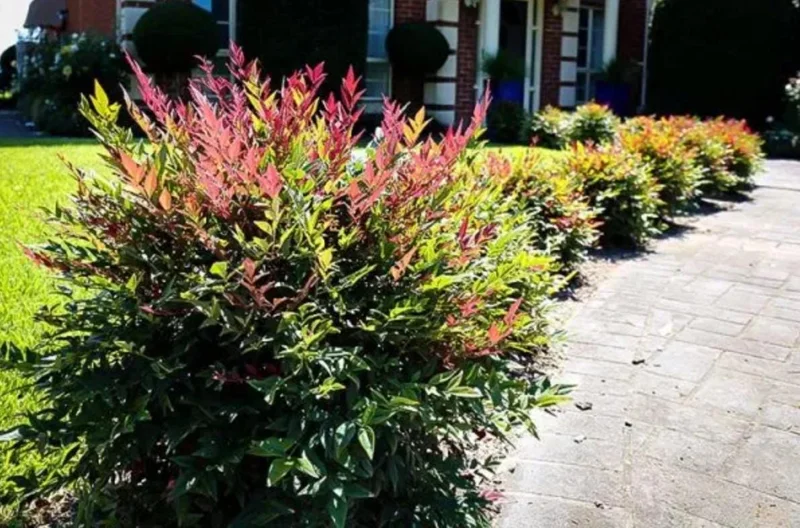
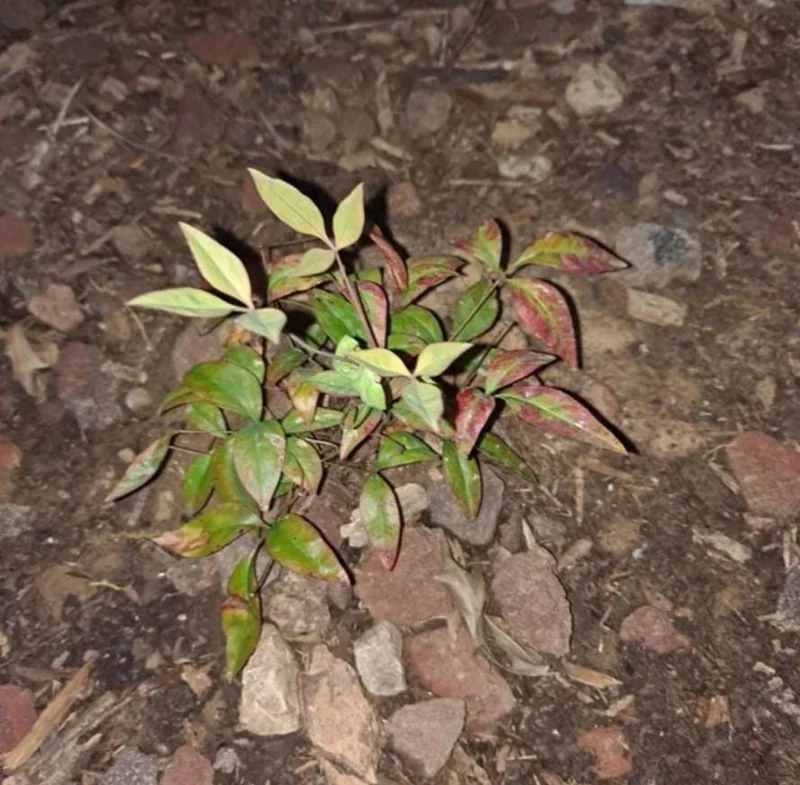
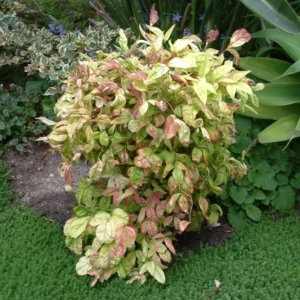
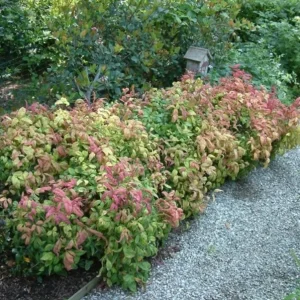
- Stunning Seasonal Foliage: Experience a year-round spectacle of color as its leaves transition from new spring greens to vibrant summer hues, culminating in brilliant reds, burgundies, and bronzes in fall and winter. This ever-changing display ensures your garden always has visual interest.
- Low Maintenance & Drought Tolerant: Once established, this shrub is remarkably resilient. It requires minimal watering and fertilization, making it a perfect choice for busy gardeners or those seeking water-wise landscaping solutions. Its ease of nandina care makes it a joy to grow.
- Adaptable to Various Conditions: The dwarf nandina is highly adaptable to a range of soil types and light conditions, flourishing in full sun to partial shade. This flexibility allows you to place it in diverse areas of your garden or patio, ensuring successful growth.
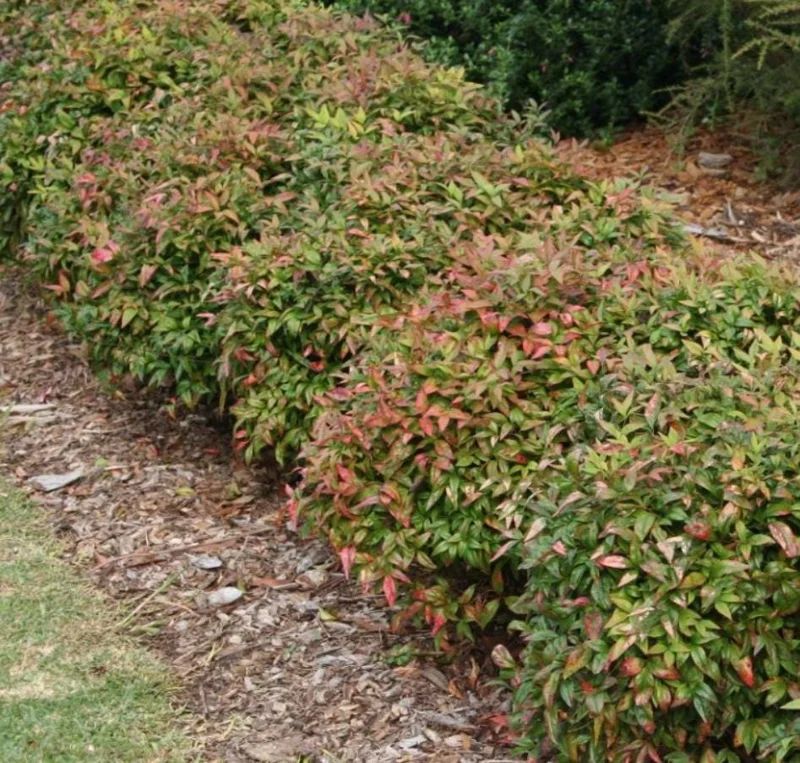
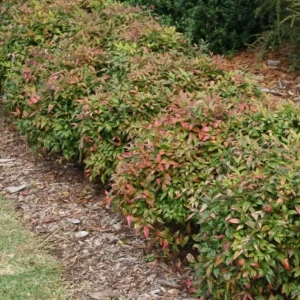
- Excellent for Borders & Edges: Its dense, upright habit and attractive foliage make it an outstanding plant for creating defined borders, pathway edges, or foundation plantings, adding structure and elegance to your landscape design.
- Attracts Wildlife: While primarily grown for its foliage, the plant can produce small white flowers followed by red berries, which can provide a food source for birds, adding another dimension to your garden ecosystem.
Plant Care & Growing Tips
Caring for your dwarf nandina shrub is straightforward, ensuring a healthy and vibrant plant for years to come. For optimal growth, plant it in a location that receives full sun to partial shade. Full sun exposure (at least 6 hours of direct sunlight daily) will encourage the most intense foliage coloration, particularly the fiery reds and oranges in cooler months. In hotter climates, some afternoon shade can prevent leaf scorch. The outdoor nandina thrives in well-draining soil. While it tolerates various soil types, a slightly acidic to neutral pH is preferred. Amend heavy clay soils with organic matter to improve drainage, and sandy soils with compost to enhance moisture retention.
Watering should be consistent during the plant’s establishment period, typically the first year after planting. Once established, the dwarf nandina shrub is remarkably drought-tolerant, requiring infrequent watering. Overwatering can lead to root rot, so ensure the soil dries out slightly between waterings. Fertilize sparingly in spring with a balanced, slow-release granular fertilizer formulated for shrubs. Excessive fertilization can promote lush green growth at the expense of vibrant fall and winter colors. Pruning is generally minimal; trim to maintain desired shape and size, or remove any dead or damaged branches in late winter or early spring before new growth emerges. This easy nandina care routine makes it a beginner-friendly choice.
The dwarf nandina is generally hardy in USDA zones 6-10. In colder zones, it may experience some dieback during harsh winters but often recovers from the roots in spring. Protect young plants with mulch in fall to insulate the root system. Pests and diseases are rarely an issue for this robust plant, further simplifying its care. Keep an eye out for common garden pests like aphids, though they seldom cause significant damage. Ensure good air circulation to prevent fungal issues. Understanding nandina care will ensure your plant flourishes.
Size & Details
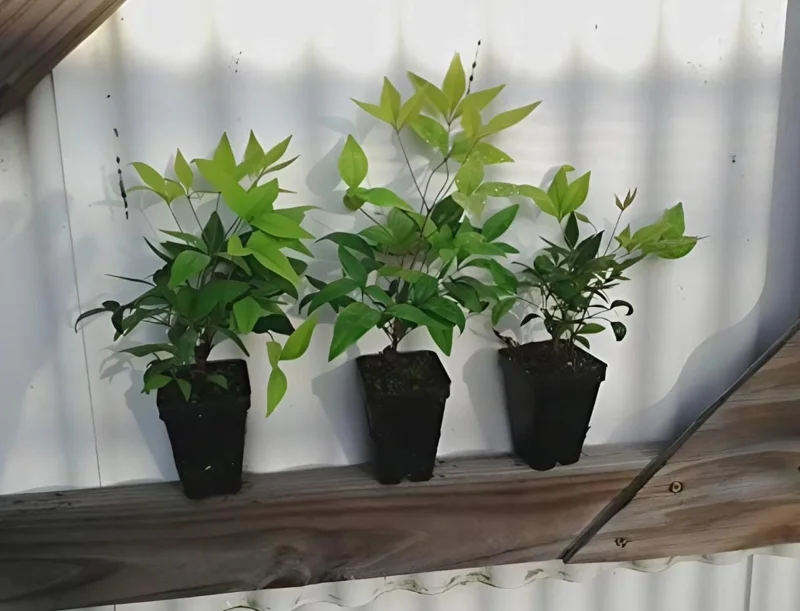
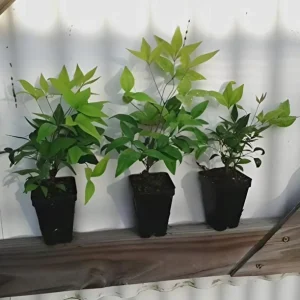
This offering is for one dwarf nandina shrub, shipped as a live plant in a 2.5-inch nursery pot. At maturity, this compact variety typically reaches a height of 2-3 feet and a similar spread, forming a dense, upright mound. Its relatively slow to moderate growth rate means it won’t quickly outgrow its space, making it an excellent long-term landscape solution. The plant you receive will be well-rooted and ready for transplanting into a larger pot or directly into your garden bed. Expect vibrant green foliage that will develop characteristic red and orange hues with the onset of cooler temperatures.
The plant is carefully packaged to ensure it arrives in the best possible condition, ready to thrive in its new home. Depending on the season, especially during colder months, the plant may arrive in a dormant state with fewer leaves, which is completely normal and indicates a healthy, resting plant. Once conditions become warmer and more favorable, new growth will emerge. This heavenly bamboo plant is an investment in year-round garden beauty.
Frequently Asked Questions
- Q: How big does this plant get? A: The dwarf nandina shrub typically reaches a mature height and spread of 2-3 feet, making it a very compact and manageable plant for most garden sizes and container arrangements.
- Q: What size pot does it come in? A: This live plant is shipped in a 2.5-inch nursery pot, providing a healthy root system ready for transplanting.
- Q: Is this an indoor or outdoor plant? A: The dwarf nandina shrub is primarily an outdoor plant, thriving in garden beds, borders, and patio containers. While it can be temporarily brought indoors in very cold climates, it performs best outdoors.
- Q: How much sunlight does it need? A: For the best foliage color and overall health, your outdoor nandina needs full sun to partial shade, ideally at least 4-6 hours of direct sunlight per day. More sun generally means more vibrant fall and winter colors.
- Q: Is this plant easy to care for? A: Yes, the dwarf nandina is known for its low maintenance requirements. Once established, it is drought-tolerant and needs minimal pruning and fertilization, making nandina care very easy. It’s a great choice for beginners.
- Q: What condition will it arrive in? A: Your plant will arrive carefully packaged. Depending on the season, it may be actively growing or in a dormant state with fewer leaves, but it will be a healthy, viable plant ready to thrive.
- Q: When is the best time to plant? A: Spring or early fall are generally the best times to plant the dwarf nandina shrub, allowing it to establish its root system before extreme temperatures.
- Q: Will it survive winter in my zone? A: The dwarf nandina is hardy in USDA Zones 6-10. In zone 6, it may experience some winter dieback but usually recovers in spring. In warmer zones, it remains evergreen.
- Q: Does this plant produce berries? A: While dwarf nandinas are primarily grown for their foliage, they can produce small white flowers followed by red berries, especially when mature. These berries are attractive to birds but are considered mildly toxic if ingested by humans or pets.
- Q: What kind of soil does it prefer? A: This plant prefers well-draining soil. It can tolerate a range of soil types but thrives in slightly acidic to neutral soil that doesn’t stay waterlogged.
Related products
-30%
Original price was: $73.98.$51.78Current price is: $51.78.
-50%
Original price was: $63.00.$31.50Current price is: $31.50.
-50%

Original price was: $133.98.$66.99Current price is: $66.99.
-10%
Original price was: $23.99.$21.59Current price is: $21.59.
-50%
Original price was: $59.98.$29.99Current price is: $29.99.
PLANTING & CARE

Growing Glencoe Raspberry: A Complete Guide for Gardeners
If you’re looking to add something unique to your garden, look no further than the
31
Mar
Mar

The Comprehensive Guide to Growing Bay Leaf Plants for a Flavorful Garden
Imagine stepping into your garden, greeted by the earthy aroma of fresh bay leaves, their
09
Feb
Feb

How to Make Comfrey Tea: The Ultimate Organic Plant Food
Growing an organic garden can be surprisingly expensive, especially when most store-bought fertilizers come in
02
Feb
Feb

True Comfrey: 7 Essential Tips Before You Plant This Herb
A staple in permaculture practices across the US, True Comfrey easily earns its reputation as
27
Jan
Jan

7 Heart-Shaped Plants for a Lasting Valentine’s Gift
If you’ve ever bought a bouquet of roses for Valentine’s Day, you know they are
26
Jan
Jan

Best Types of Ivy Plant for Houses: How to Choose the Perfect Ones for Your Home
Are you a garden lover looking to introduce some greenery into your home? Maybe you’ve
14
Nov
Nov

When to Harvest Garlic (Especially Fall-Planted Garlic)
TIMING IS EVERYTHING, they say – and for garlic, that truth hits with surprising accuracy.
13
Nov
Nov

11 of the Best Sweet Potato Varieties to Grow for Your Garden
If you’ve ever tried growing sweet potatoes, you know that picking the right variety can
12
Nov
Nov