Eastern Mayhaw Tree (Crataegus Aestivalis) – 2 Bare Root Live Plants
-50%
Eastern Mayhaw Tree (Crataegus Aestivalis) – 2 Bare Root Live Plants
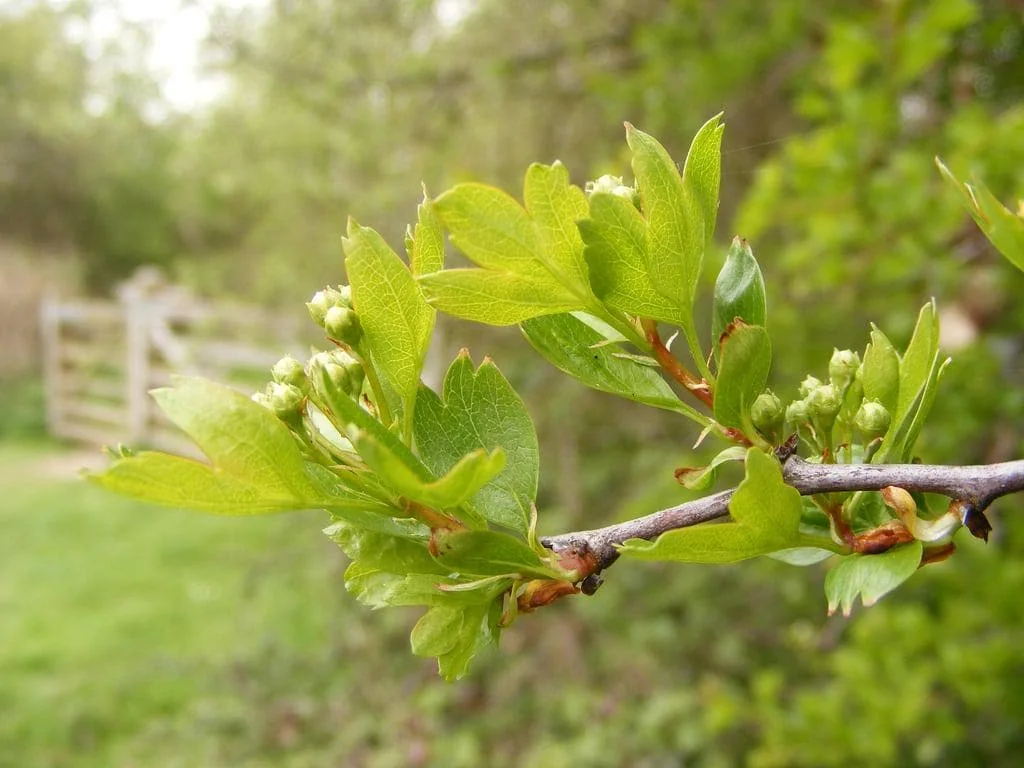
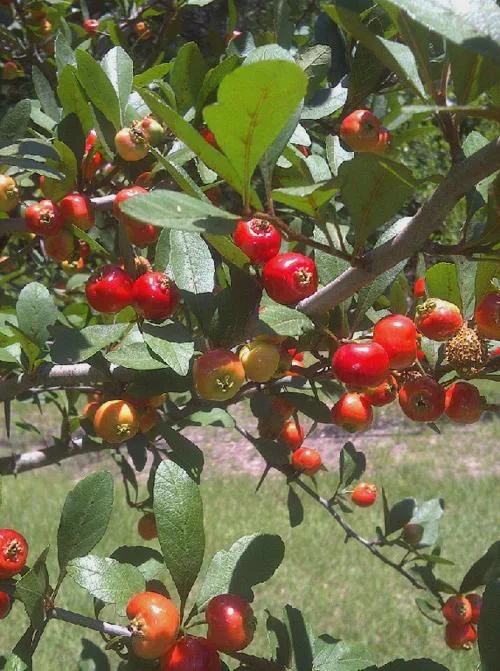
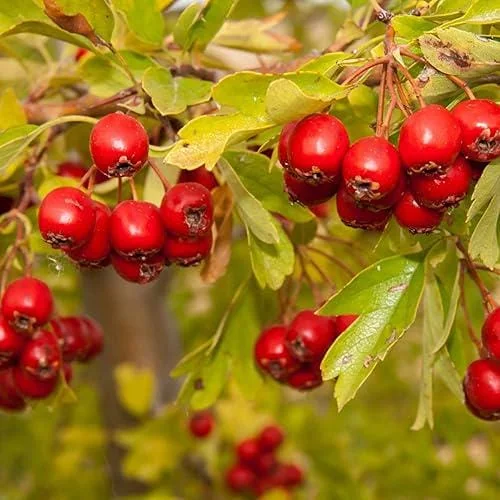
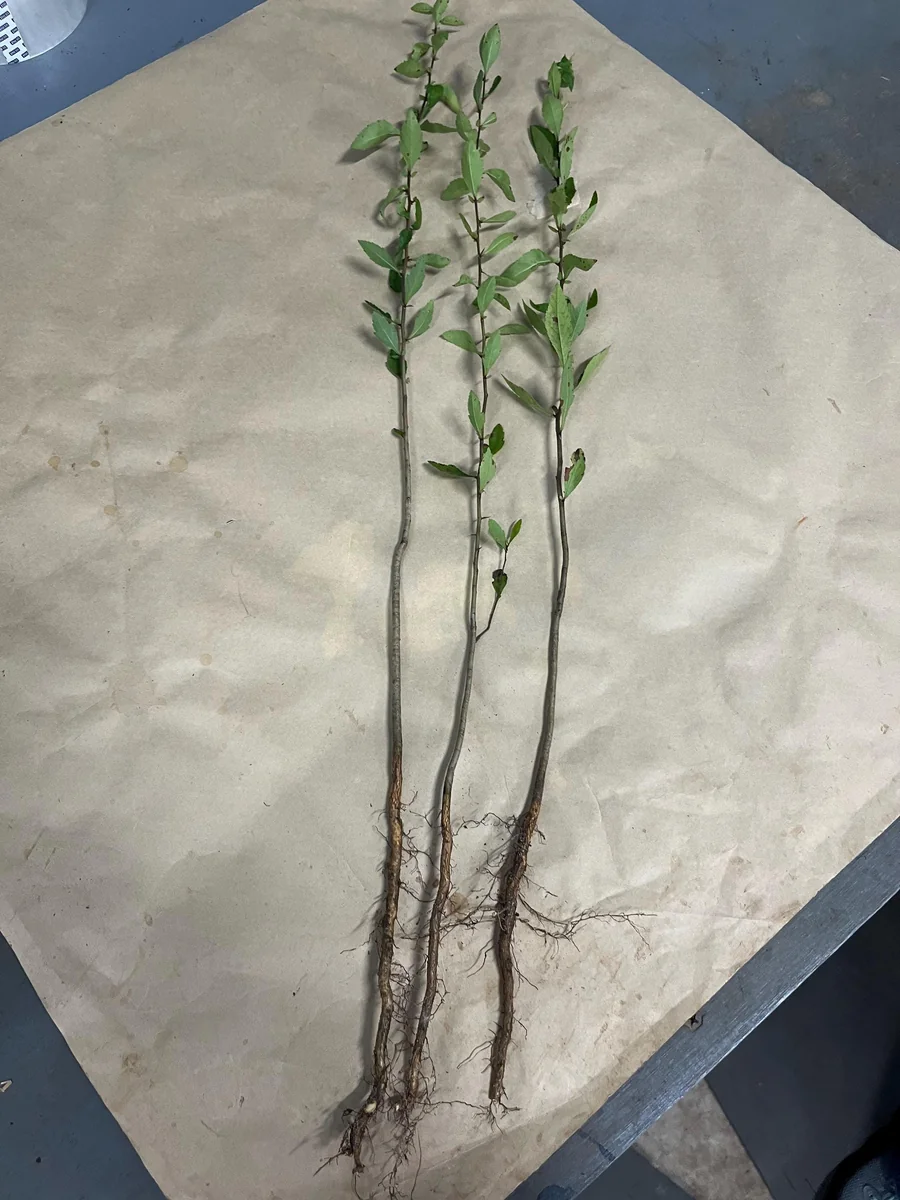
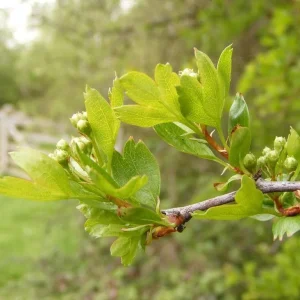
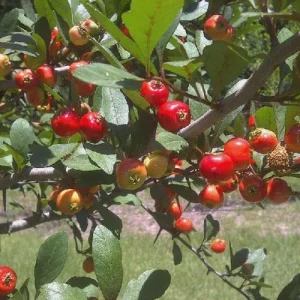
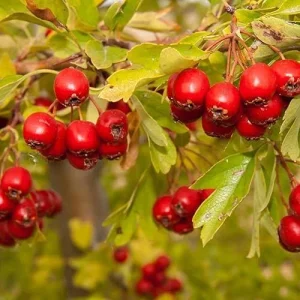
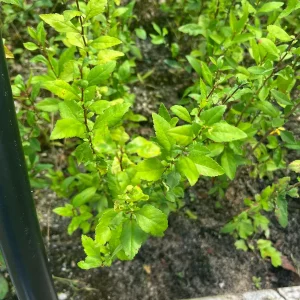
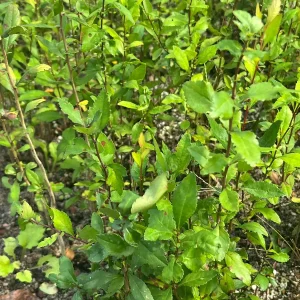
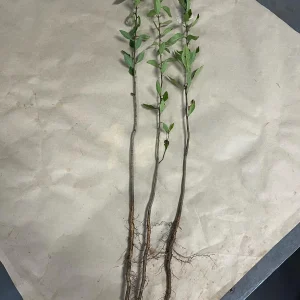
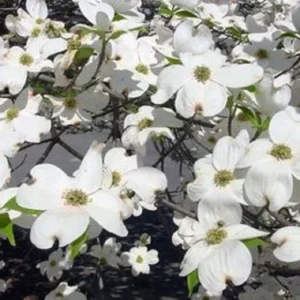
Cultivate a piece of Southern heritage with the Eastern Mayhaw Tree (Crataegus aestivalis). This deciduous tree is native to the southeastern US and produces clusters of showy white flowers in spring, followed by tart, edible red fruits perfect for making jelly. You receive 2 bare root plants, ready for planting.
From Original price was: $143.92.$71.96Current price is: $71.96.

With our Alive & Thrive Guarantee, we’ve got your back for the first 30 days! If you have any concerns about your plants, just reach out to us. Our team is here to help answer your questions and guide you in selecting the best plants for your garden, climate, and unique preferences. We're excited to help you create the garden of your dreams!
Estimated arrival
Apr 13
Apr 18 - Apr 20
Apr 23 - Apr 27

Product Details
-
USDA Hardiness Zone
USDA zones 4-9 -
Soil type
Well-draining soil, adaptable to various conditions -
Sunlight Exposure
Full sun to partial shade -
Expected Planting Period
Late winter to early spring
Overview
Bring the charm and utility of a native Southern tree to your landscape with the Eastern Mayhaw Tree (Crataegus aestivalis). This offering includes 2 bare root plants, providing an excellent start to growing these fascinating trees. The Mayhaw is a deciduous shrub or small tree belonging to the rose family and is highly valued for its beautiful spring blossoms and delicious, tart fruits. Found naturally in wet woods and along coastal plains of the southeastern USA, this resilient tree adapts well to various conditions in a home garden. Known for its showy clusters of white flowers in early spring, the Eastern Mayhaw Tree transforms into a productive fruit-bearer, delivering ripe red berries from June to July. These fruits are particularly prized for their use in making jellies, jams, and preserves, offering a unique flavor profile that is both sweet and tangy. The botanical name, Crataegus aestivalis, accurately identifies this specific species of hawthorn, distinguishing it from others. Whether you’re looking to enhance your garden with a native species, attract wildlife, or enjoy homegrown fruit, the Eastern Mayhaw Tree is an exceptional choice.
Key Benefits
The Eastern Mayhaw Tree offers a multitude of benefits for both the gardener and the environment. Its unique characteristics make it a standout addition to any landscape.
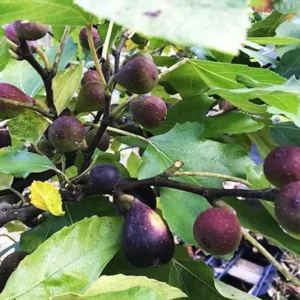
- Edible Fruit Production: One of the primary draws of the Mayhaw is its delicious, tart red fruit. These berries ripen earlier than other hawthorns, from June to July, and are highly sought after for making gourmet jellies, sauces, and pies. Enjoy a fresh, unique flavor right from your backyard.
- Attractive Ornamental Value: In early spring, the Eastern Mayhaw Tree bursts with showy clusters of white flowers, creating a stunning visual display. Its rounded crown and deep green foliage add year-round beauty to your garden, transitioning to vibrant fall colors.
- Native & Resilient: As a native species to the southeastern US, the Mayhaw is well-adapted to local climates and soil conditions. It’s a hardy plant that can withstand various environmental stressors, making it a low-maintenance option for many gardeners.
- Wildlife Attraction: The flowers serve as an early nectar source for pollinators, while the fruits provide food for birds and other wildlife, contributing to local biodiversity and creating a lively garden ecosystem.
- Versatile Growth Habit: The Mayhaw can be grown as a large, multi-stemmed shrub or trained into a small, elegant tree, offering flexibility in landscape design. This allows it to fit into various garden sizes and styles.
- Low Maintenance Plant Care: Once established, Mayhaw bare root plants require minimal intervention. They are known for their hardiness and ability to thrive in a range of soil conditions, reducing the need for constant attention.
Plant Care & Growing Tips
Caring for your Eastern Mayhaw Tree is straightforward, especially since it’s a hardy native species. For optimal growth and fruit production, understanding its specific needs is crucial. These trees thrive in full sun to partial shade, ideally receiving at least 6 hours of direct sunlight daily to encourage abundant flowering and fruiting. While naturally found in wet areas, established Mayhaw trees are quite adaptable. They prefer consistently moist, well-draining soil but can tolerate periods of drought once mature. When planting your Mayhaw bare root, ensure the soil is rich in organic matter to provide a good foundation for growth. Initial watering should be thorough to help establish the root system.
The Eastern Mayhaw Tree is hardy and can withstand various soil conditions, though it benefits from a slightly acidic to neutral pH. During the first two months after leaves appear, especially if planted in warmer weather, water twice a day to ensure the young tree gets enough moisture. Fertilization can be done annually in early spring with a balanced, slow-release fertilizer designed for fruit trees or flowering shrubs. Pruning should focus on removing dead or diseased branches and shaping the tree to maintain its desired form, whether as a shrub or a small tree. These plants are known to spread by roots, so consider this when choosing a planting location. For successful long-term growth and bountiful harvests, providing consistent care, especially for Mayhaw plant care during its establishment phase, will yield excellent results.
Size & Details
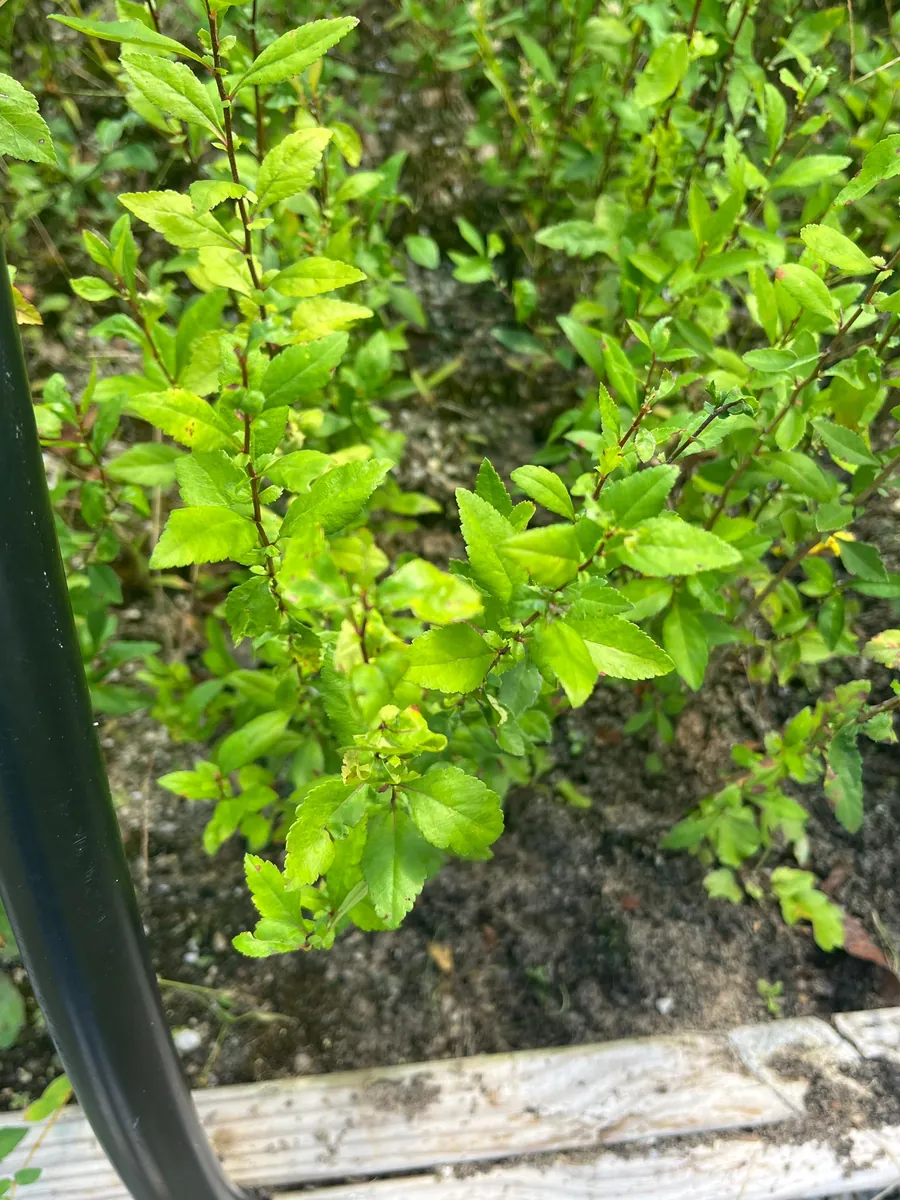
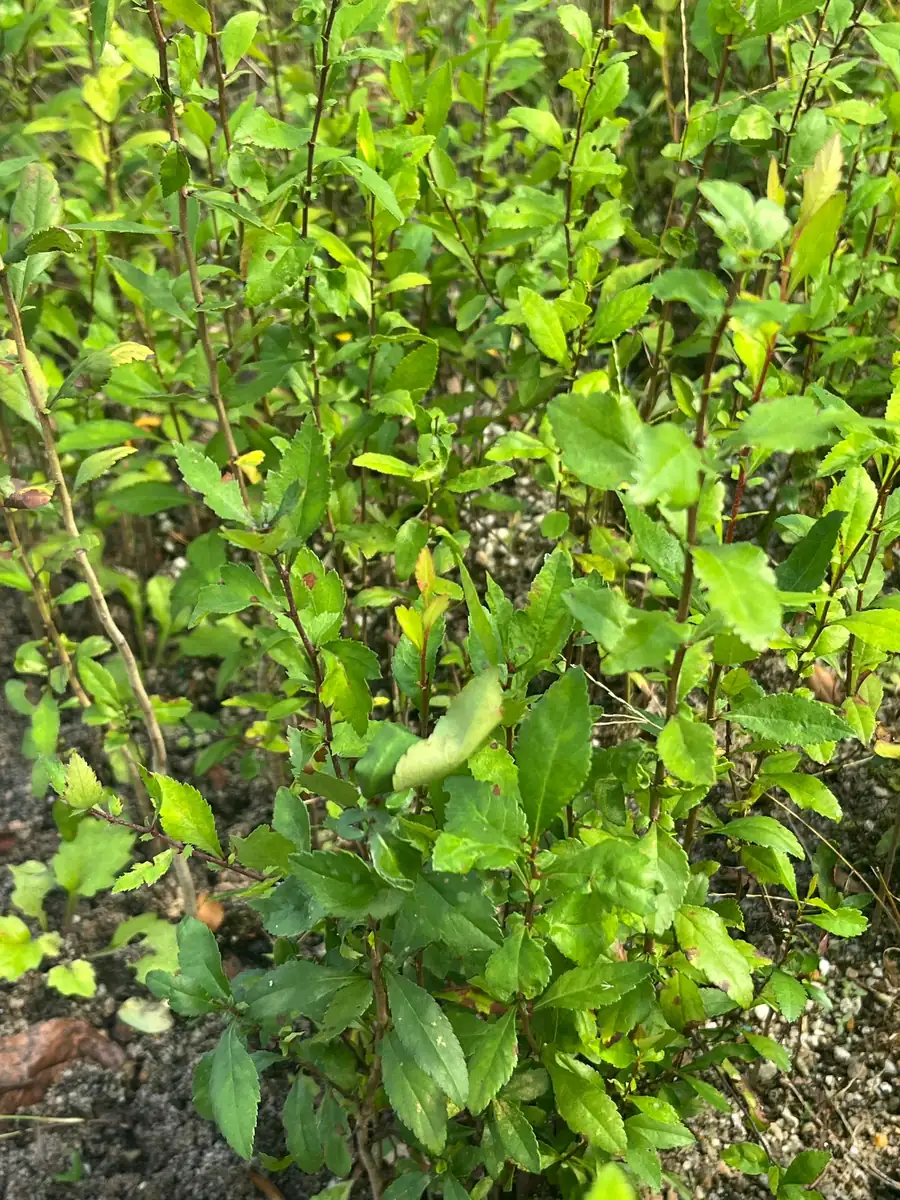
This product includes 2 bare root Eastern Mayhaw Tree plants, ready for you to establish in your garden. When mature, the Crataegus aestivalis can reach a height of 30 to 40 feet with a rounded crown, though it is slow-growing. It can also be managed as a large shrub, depending on your pruning preferences. The bare root form means the plants are dormant and shipped without soil around their roots, making them easier to transport and typically more cost-effective. Upon arrival, these bare roots should be planted promptly. Expect the tree to establish its root system and begin sending out new growth in the spring. The long, straight thorns are a characteristic feature of this hawthorn species. The vibrant red fruits, which are the highlight of this tree, typically ripen from June to July. The Eastern Mayhaw Tree is a robust choice that brings both aesthetic appeal and culinary rewards to your home garden.
Frequently Asked Questions
- Q: How big will the Eastern Mayhaw Tree get? A: The Eastern Mayhaw Tree is a slow-growing species that can reach an impressive height of 30 to 40 feet with a rounded crown when mature. However, it can also be trained and pruned as a large shrub, depending on your landscape design goals.
- Q: Is this an indoor or outdoor plant? A: The Eastern Mayhaw Tree is an outdoor plant, native to the southeastern United States. It thrives in an outdoor garden setting where it can receive adequate sunlight and space to grow into its full potential.
- Q: How much sunlight does the Eastern Mayhaw Tree need? A: For optimal growth and fruit production, the Eastern Mayhaw Tree prefers full sun to partial shade, meaning it should receive at least 6 hours of direct sunlight per day. Adequate light is crucial for its showy spring flowers and subsequent fruit.
- Q: Is this plant easy to care for? A: Yes, once established, the Eastern Mayhaw Tree is considered hardy and relatively low-maintenance. It adapts to various soil conditions and is resilient, making Mayhaw plant care suitable for gardeners of different experience levels.
- Q: What condition will the bare root plants arrive in? A: The Mayhaw bare root plants will arrive in a dormant state, without soil around their roots. This is a common and effective way to ship deciduous trees, ensuring they are ready for planting upon arrival.
- Q: When is the best time to plant the Eastern Mayhaw Tree? A: Bare root trees are typically best planted in late winter or early spring while they are still dormant. This allows their root systems to establish before the stress of summer heat.
- Q: What are the fruits of the Eastern Mayhaw Tree used for? A: The tart, red fruits of the Eastern Mayhaw Tree are highly prized for making delicious jellies, jams, preserves, and sauces. They offer a unique flavor profile that is a Southern delicacy.
- Q: Does this tree have thorns? A: Yes, like many hawthorn varieties, the Eastern Mayhaw Tree has long, straight thorns. This is a natural characteristic of the species.
- Q: Will the Mayhaw Tree attract wildlife? A: Absolutely! The white flowers attract pollinators in spring, and the edible red fruits provide a valuable food source for birds and other local wildlife, enhancing the biodiversity of your garden.
- Q: How long until it produces fruit? A: While growth rates vary, a young Eastern Mayhaw Tree typically begins to produce fruit within 3-5 years after planting, with increasing yields as it matures.
| Size | 12-18'', 18-24'', 6-12'' |
|---|
Related products
-10%
Original price was: $80.99.$72.89Current price is: $72.89.

-20%
Original price was: $36.00.$28.80Current price is: $28.80.
-20%
Original price was: $90.00.$72.00Current price is: $72.00.
-10%
Original price was: $23.99.$21.59Current price is: $21.59.
PLANTING & CARE

Growing Glencoe Raspberry: A Complete Guide for Gardeners
If you’re looking to add something unique to your garden, look no further than the
31
Mar
Mar

The Comprehensive Guide to Growing Bay Leaf Plants for a Flavorful Garden
Imagine stepping into your garden, greeted by the earthy aroma of fresh bay leaves, their
09
Feb
Feb

How to Make Comfrey Tea: The Ultimate Organic Plant Food
Growing an organic garden can be surprisingly expensive, especially when most store-bought fertilizers come in
02
Feb
Feb

True Comfrey: 7 Essential Tips Before You Plant This Herb
A staple in permaculture practices across the US, True Comfrey easily earns its reputation as
27
Jan
Jan

7 Heart-Shaped Plants for a Lasting Valentine’s Gift
If you’ve ever bought a bouquet of roses for Valentine’s Day, you know they are
26
Jan
Jan

Best Types of Ivy Plant for Houses: How to Choose the Perfect Ones for Your Home
Are you a garden lover looking to introduce some greenery into your home? Maybe you’ve
14
Nov
Nov

When to Harvest Garlic (Especially Fall-Planted Garlic)
TIMING IS EVERYTHING, they say – and for garlic, that truth hits with surprising accuracy.
13
Nov
Nov

11 of the Best Sweet Potato Varieties to Grow for Your Garden
If you’ve ever tried growing sweet potatoes, you know that picking the right variety can
12
Nov
Nov