-
×
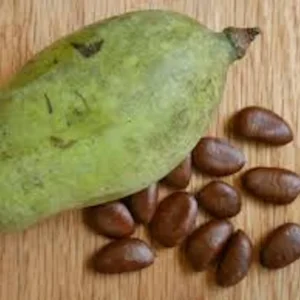 20 Pawpaw Tree Seeds - Organic Asimina triloba Heirloom Fruit Tree Seeds, Stratified
1 × $30.40
20 Pawpaw Tree Seeds - Organic Asimina triloba Heirloom Fruit Tree Seeds, Stratified
1 × $30.40 -
×
 Black Knight Butterfly Bush Live Plant – 1 Gallon – Deep Purple Flowers
1 × $54.98
Black Knight Butterfly Bush Live Plant – 1 Gallon – Deep Purple Flowers
1 × $54.98 -
×
30 Organic Golden Hami Melon Seeds - Rare Fruit Seeds, Annual, Outdoor
1 × $8.50
-
×
Red Orchid Cactus Live Plant – 8-inch Height – 4-inch Pot – Indoor/Outdoor
1 × $60.18
-
×
Granny Smith Apple Tree – Live Plant – 2.5 ft Tall – Outdoor
1 × $70.00
-
×
5 Pawpaw Tree Seeds - Organic Asimina triloba Native American Fruit Tree
1 × $14.40
-
×
Orange Daylily Bulbs - 3 Bare Roots for Vibrant Garden Flowers
1 × $39.99
-
×
White Thanksgiving Cactus Live Plant - 7" Tall, 6" Pot - Indoor/Outdoor Zygocactus
2 × $90.98
-
×
Heliotrope Fragrant Delight Live Plants - Set of 2, 3-6" Tall, Violet Fragrant Flowers
1 × $13.99
-
×
Crassula 'Sunrise' Variegated Succulent Live Plant - Pink & Yellow Trailing Houseplant
1 × $9.92
-
×
Bay Leaf Live Plant – 5-8 Inch Tall – 4 Inch Pot – Indoor/Outdoor Herb
1 × $20.99
-
×
Pickering Mango Tree Live Plant – Grafted Dwarf Tropical Fruit – 2-4 Feet Tall
1 × $179.98
-
×
1 Columbia Star Blackberry Starter Plug - Thornless Rubus Live Plant, High-Yielding
1 × $28.80
-
×
10 Jersey Giant Asparagus Bare Roots - High-Yielding Asparagus officinalis
1 × $28.80
-
×
Dwarf Cavendish Banana Tree – Live plant – Indoor/Outdoor – 1 plant
3 × $35.50
-
×
10 Fragrant Honeysuckle Bush Bare Root Cuttings – Winter Honeysuckle – 1-2 ft Tall – Outdoor Shrub
2 × $89.98
-
×
Golden Loquat Live Plant Starter - 4-8 Inch Loquat Tree for Indoor/Outdoor Growing
2 × $33.29
-
×
2 Syngonium Milk Confetti Live Plant - Potted Houseplant, Variegated Aroid
1 × $22.99
-
×
Echeveria Lola Succulent Live Plant – 2-inch Pot – Indoor/Outdoor
1 × $11.76
-
×
5 Queen Anne's Lace Bare Root Plants – Perennial Wildflower – Daucus Carota
1 × $25.58
-
×
 20 Dunstan American Chestnut Tree Seeds - Blight Resistant for Planting
1 × $35.20
20 Dunstan American Chestnut Tree Seeds - Blight Resistant for Planting
1 × $35.20 -
×
Mixed Apple Trees – Live plant – 2.5 ft tall – Outdoor
1 × $524.00
-
×
Organic Worm Castings - Natural Plant Nutrient, Soil Enhancer - 1 Pound Bag
1 × $11.24
-
×
Thanksgiving Cactus Live Plant – Red Flowering Houseplant – 4 inch Pot
1 × $49.98
-
×
Button Bush – Cephalanthus – Live Plant – 2 ft Tall – Outdoor
1 × $24.00
-
×
15 Organic Sugar Apple Seeds - Annona Squamosa Custard Apple Fruit Seeds
1 × $8.98
-
×
10 Carolina Sapphire Cypress Live Plant - Tall Evergreen Blue, 4-6" Bare Root Starter
1 × $72.00
-
×
Yellow Milkweed Live Starter Plants - Set of 2, 4-8" Tall - Asclepias Syriaca Perennial Flower for Butterflies
1 × $22.24
-
×
Red Mandevilla Live Plant Starter Set - 2 Vines, 4-6" Tall - Tropical Garden
1 × $9.49
-
×
Hosta Starter Plant - Live Green Hosta up to 5 inches in 4 inch Pot - Well Rooted
1 × $11.99
-
×
100+ Vinca Minor Periwinkle Live Plants - Evergreen Ground Cover Bare Roots, Zones 4-9
1 × $99.90
-
×
2" Variegated String of Hearts Live Plant - Ceropegia Woodii Variegata Potted Houseplant
1 × $19.98
-
×
Purple Azalea Live Plant – Formosa Azalea Shrub, 6-8 Inch Tall, 3 Inch Pot
1 × $21.59
-
×
Swamp Rose Mallow – Live plant – Flowering shrub – Indoor/Outdoor
1 × $31.50
-
×
Philodendron White Princess Live Plant - Variegated Houseplant Starter
1 × $12.60
-
×
Golden Torch Cactus Live Plant - 2 Rooted Pieces, 3-6" Tall - Drought-Tolerant Succulent
2 × $44.00
-
×
Purple Ranunculus Flower Bulbs - 10 Quality Corms for Planting
1 × $27.98
-
×
Incense Cedar Live Tree Seedling - Calocedrus decurrens - Small 1-1.5 Year Old Plant
1 × $17.98
-
×
Black Cherry Trees – Prunus serotina – Live plant – 2 ft tall – Outdoor
1 × $100.00
-
×
Natchez Crape Myrtle Live Plant – 1 Gallon Pot – White Flowers – Outdoor Shrub/Tree
1 × $77.90
-
×
Unique Hexagonal Pattern Cactus Live Plant – Rare Succulent – 2 Inch Diameter – Indoor
1 × $24.50
-
×
Dragonfruit Live Plant - Pink Fruit Inside, 2 Stems, Rooted, Easy Care
1 × $24.00
-
×
Sweet Gum Balls - Natural Pods for Crafts, Weddings, Decor, & Planting
1 × $13.96
-
×
Thanksgiving Cactus Live Plant – White Zygocactus – 4in Pot – Indoor Houseplant
1 × $55.98
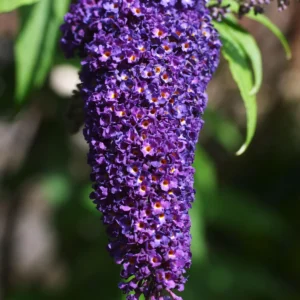 Black Knight Butterfly Bush Live Plant – 1 Gallon – Deep Purple Flowers
 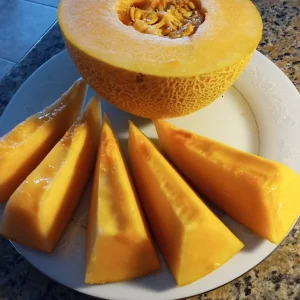 30 Organic Golden Hami Melon Seeds - Rare Fruit Seeds, Annual, Outdoor
 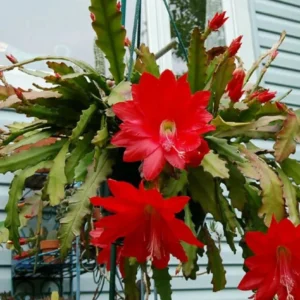 Red Orchid Cactus Live Plant – 8-inch Height – 4-inch Pot – Indoor/Outdoor
 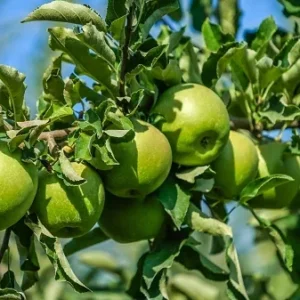 Granny Smith Apple Tree – Live Plant – 2.5 ft Tall – Outdoor
 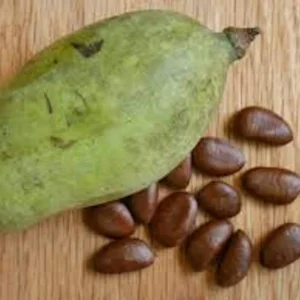 5 Pawpaw Tree Seeds - Organic Asimina triloba Native American Fruit Tree
 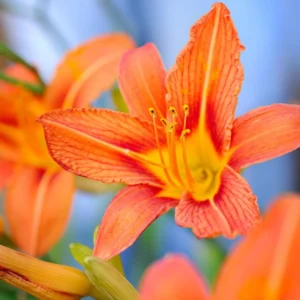 Orange Daylily Bulbs - 3 Bare Roots for Vibrant Garden Flowers
 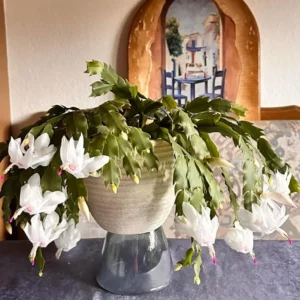 White Thanksgiving Cactus Live Plant - 7" Tall, 6" Pot - Indoor/Outdoor Zygocactus
 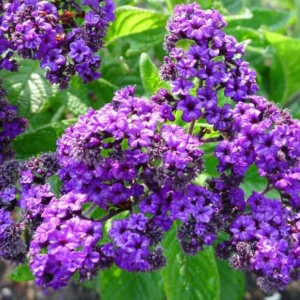 Heliotrope Fragrant Delight Live Plants - Set of 2, 3-6" Tall, Violet Fragrant Flowers
 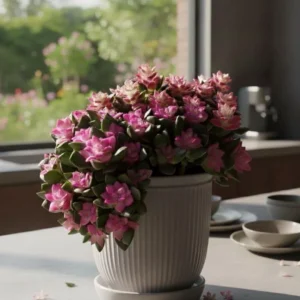 Crassula 'Sunrise' Variegated Succulent Live Plant - Pink & Yellow Trailing Houseplant
 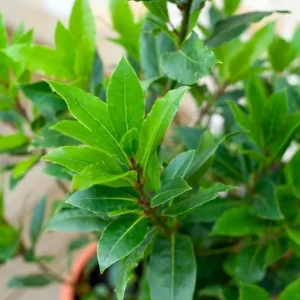 Bay Leaf Live Plant – 5-8 Inch Tall – 4 Inch Pot – Indoor/Outdoor Herb
 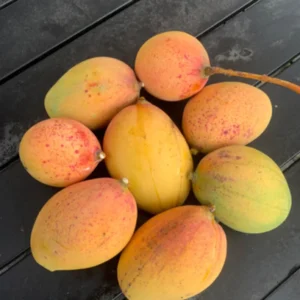 Pickering Mango Tree Live Plant – Grafted Dwarf Tropical Fruit – 2-4 Feet Tall
 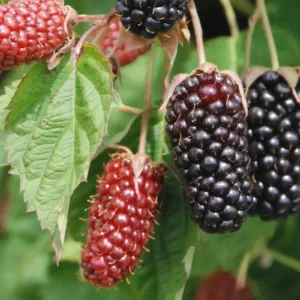 1 Columbia Star Blackberry Starter Plug - Thornless Rubus Live Plant, High-Yielding
 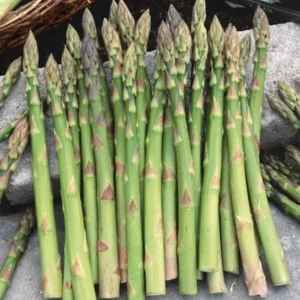 10 Jersey Giant Asparagus Bare Roots - High-Yielding Asparagus officinalis
 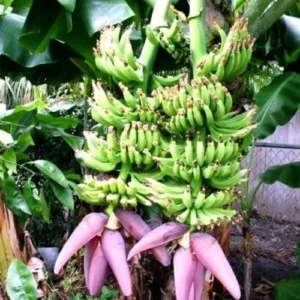 Dwarf Cavendish Banana Tree – Live plant – Indoor/Outdoor – 1 plant
 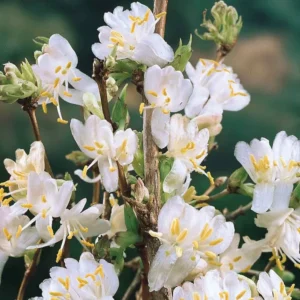 10 Fragrant Honeysuckle Bush Bare Root Cuttings – Winter Honeysuckle – 1-2 ft Tall – Outdoor Shrub
 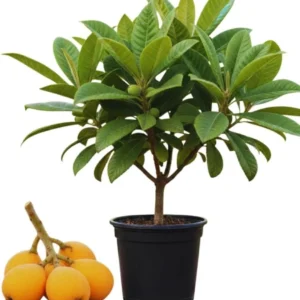 Golden Loquat Live Plant Starter - 4-8 Inch Loquat Tree for Indoor/Outdoor Growing
 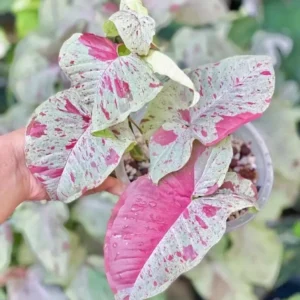 2 Syngonium Milk Confetti Live Plant - Potted Houseplant, Variegated Aroid
 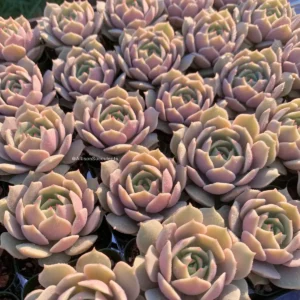 Echeveria Lola Succulent Live Plant – 2-inch Pot – Indoor/Outdoor
 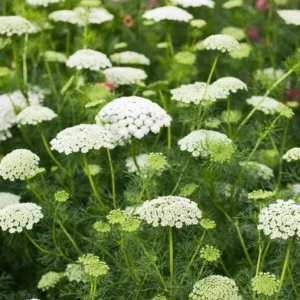 5 Queen Anne's Lace Bare Root Plants – Perennial Wildflower – Daucus Carota
 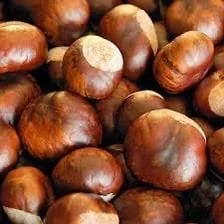 20 Dunstan American Chestnut Tree Seeds - Blight Resistant for Planting
 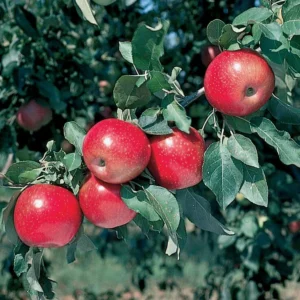 Mixed Apple Trees – Live plant – 2.5 ft tall – Outdoor
 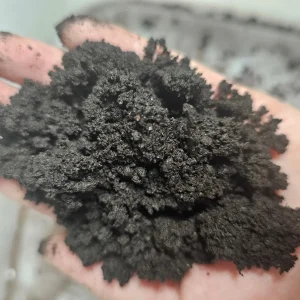 Organic Worm Castings - Natural Plant Nutrient, Soil Enhancer - 1 Pound Bag
 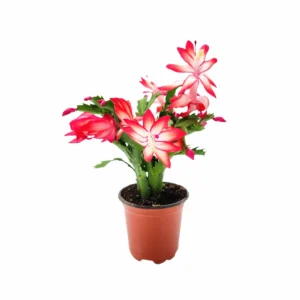 Thanksgiving Cactus Live Plant – Red Flowering Houseplant – 4 inch Pot
 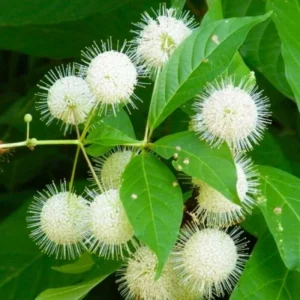 Button Bush – Cephalanthus – Live Plant – 2 ft Tall – Outdoor
  15 Organic Sugar Apple Seeds - Annona Squamosa Custard Apple Fruit Seeds
  10 Carolina Sapphire Cypress Live Plant - Tall Evergreen Blue, 4-6" Bare Root Starter
  Yellow Milkweed Live Starter Plants - Set of 2, 4-8" Tall - Asclepias Syriaca Perennial Flower for Butterflies
  Red Mandevilla Live Plant Starter Set - 2 Vines, 4-6" Tall - Tropical Garden
 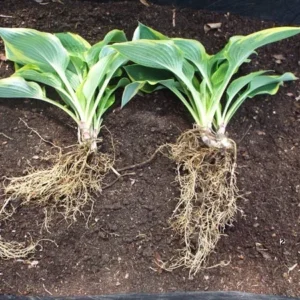 Hosta Starter Plant - Live Green Hosta up to 5 inches in 4 inch Pot - Well Rooted
 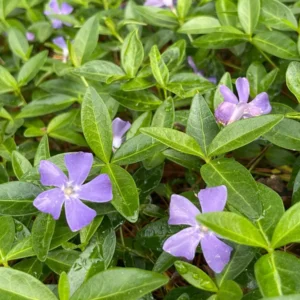 100+ Vinca Minor Periwinkle Live Plants - Evergreen Ground Cover Bare Roots, Zones 4-9
 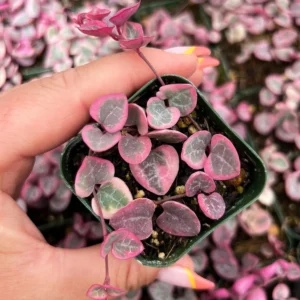 2" Variegated String of Hearts Live Plant - Ceropegia Woodii Variegata Potted Houseplant
 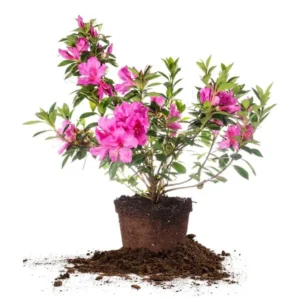 Purple Azalea Live Plant – Formosa Azalea Shrub, 6-8 Inch Tall, 3 Inch Pot
  Swamp Rose Mallow – Live plant – Flowering shrub – Indoor/Outdoor
 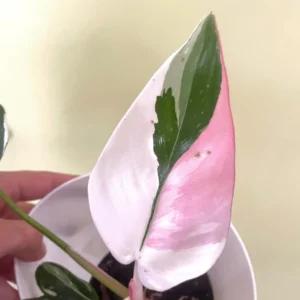 Philodendron White Princess Live Plant - Variegated Houseplant Starter
 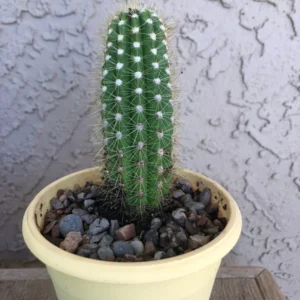 Golden Torch Cactus Live Plant - 2 Rooted Pieces, 3-6" Tall - Drought-Tolerant Succulent
 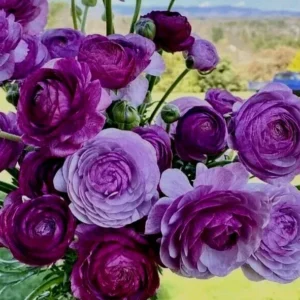 Purple Ranunculus Flower Bulbs - 10 Quality Corms for Planting
 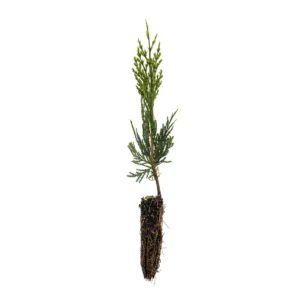 Incense Cedar Live Tree Seedling - Calocedrus decurrens - Small 1-1.5 Year Old Plant
 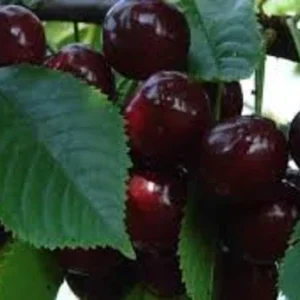 Black Cherry Trees – Prunus serotina – Live plant – 2 ft tall – Outdoor
 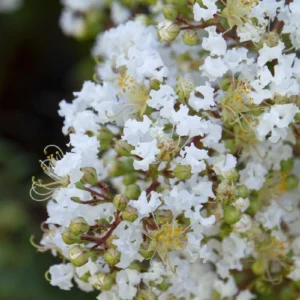 Natchez Crape Myrtle Live Plant – 1 Gallon Pot – White Flowers – Outdoor Shrub/Tree
 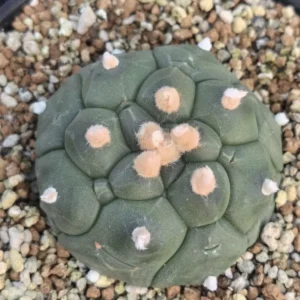 Unique Hexagonal Pattern Cactus Live Plant – Rare Succulent – 2 Inch Diameter – Indoor
 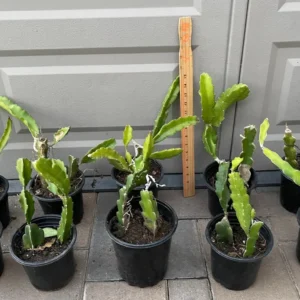 Dragonfruit Live Plant - Pink Fruit Inside, 2 Stems, Rooted, Easy Care
 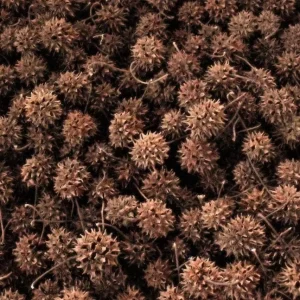 Sweet Gum Balls - Natural Pods for Crafts, Weddings, Decor, & Planting
 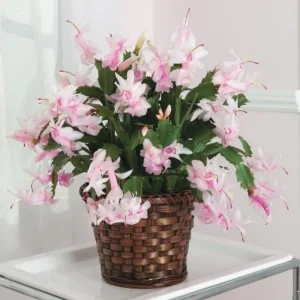 Thanksgiving Cactus Live Plant – White Zygocactus – 4in Pot – Indoor Houseplant
 Eastern Redbud Tree Live Plant – Cercis canadensis, Quart Pot
-50%
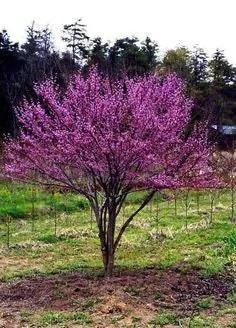
Eastern Redbud Tree Live Plant – Cercis canadensis, Quart Pot
Bring vibrant spring color to your garden with the Eastern Redbud Tree. This beautiful deciduous tree, Cercis canadensis, arrives as a healthy quart-sized live plant, ready to establish in your landscape. Known for its early spring blooms and heart-shaped leaves, it’s a stunning addition.
Original price was: $67.96.$33.98Current price is: $33.98.

With our Alive & Thrive Guarantee, we’ve got your back for the first 30 days! If you have any concerns about your plants, just reach out to us. Our team is here to help answer your questions and guide you in selecting the best plants for your garden, climate, and unique preferences. We're excited to help you create the garden of your dreams!
Estimated arrival
Apr 08
Apr 13 - Apr 15
Apr 18 - Apr 22
Product Details
-
USDA Hardiness Zone
USDA Zone 4-9 -
Soil type
Well-draining soil, adaptable to clay, loam, or sandy soils -
Sunlight Exposure
Full sun to partial shade -
Expected Planting Period
Spring or Fall
Overview
Introduce a touch of native elegance to your landscape with the Eastern Redbud Tree (Cercis canadensis). This exquisite deciduous tree is celebrated for its breathtaking display of bright pink to purple pea-like flowers that emerge directly on its branches and trunk in early spring, often before the leaves appear. A true herald of warmer weather, the Redbud provides a spectacular show that transforms any garden into a vibrant haven. Following its floral exhibition, heart-shaped leaves unfurl, turning a lovely green in summer and often a soft yellow in fall, offering multi-season interest. This live plant is a quart-grown seedling, ready to be planted and cared for, eventually maturing into a beautiful small to medium-sized tree that can serve as a focal point, understory tree, or an attractive specimen in a mixed border.
The Eastern Redbud Tree is a popular choice among gardeners for its relatively low maintenance and adaptability. Native to eastern North America, it thrives in a wide range of climates and soil conditions, making it a versatile addition to many home gardens. Its charming appearance and ecological benefits, providing nectar for early pollinators, make it a valuable and rewarding plant to cultivate. Whether you are looking to enhance your garden with early spring color or seeking a native plant to support local wildlife, the Cercis canadensis is an excellent choice.
Key Benefits
The Eastern Redbud Tree offers numerous advantages for both the gardener and the environment, making it a highly desirable addition to any landscape. Its unique characteristics provide beauty and ecological value.
- Stunning Spring Blooms: Enjoy an unforgettable display of bright pink to purple flowers that cover the branches in early spring, often before the leaves emerge. This spectacular show makes the Eastern Redbud Tree a standout in any garden.
- Year-Round Interest: Beyond its vibrant spring flowers, the tree features attractive heart-shaped green leaves in summer and often lovely yellow foliage in the fall, ensuring visual appeal throughout multiple seasons.
- Attracts Pollinators: The early spring flowers provide a crucial nectar source for bees and other early pollinators, supporting local ecosystems and biodiversity in your garden.
- Adaptable and Hardy: This native deciduous tree is known for its ability to thrive in a wide range of conditions, making it a resilient and relatively easy-to-care-for option for many gardeners. It’s suitable for USDA Zones 4-9.
- Compact Size: As a small to medium-sized tree, it fits well into various garden designs, from suburban yards to woodland edges, without overwhelming the space.
- Low Maintenance: Once established, the Cercis canadensis requires minimal care, making it an excellent choice for both experienced and novice gardeners.
- Native Beauty: Choosing a native plant like the Eastern Redbud Tree supports local flora and fauna, contributing to a healthier and more sustainable environment.
Plant Care & Growing Tips
Caring for your Eastern Redbud Tree is generally straightforward, making it a rewarding plant for many landscapes. Proper planting and ongoing care will ensure a healthy and vibrant tree. When considering Redbud tree care, it’s important to understand its preferences.
Sunlight Requirements: The Eastern Redbud Tree thrives in full sun to partial shade. Full sun (at least 6 hours of direct sunlight per day) will generally result in the most abundant flowering, while partial shade (4-6 hours of sun, especially afternoon shade in hot climates) can help protect the leaves from scorching. Ensure it receives adequate light to support its growth and bloom production.
Watering and Soil: Redbuds prefer moist, well-draining soil. While they are somewhat drought-tolerant once established, consistent moisture is crucial during their first year of growth. Water regularly, especially during dry spells, ensuring the soil is evenly moist but not waterlogged. Avoid planting in areas with poor drainage, as this can lead to root rot. A layer of mulch around the base of the tree can help retain soil moisture and regulate soil temperature.
Soil Type and Fertilization: The Eastern Redbud Tree is adaptable to a variety of soil types, including clay, loam, and sandy soils, as long as they are well-draining. It prefers a slightly acidic to neutral pH (6.0-7.0). Fertilization is typically not necessary in rich soils. If your soil is poor, a balanced slow-release fertilizer can be applied in early spring before new growth begins. Follow product instructions carefully to avoid over-fertilization.
Temperature and Hardiness: This deciduous tree is hardy in USDA Zones 4-9. It can withstand cold winters and hot summers within this range. Protection from harsh winter winds may be beneficial for young trees in the colder parts of its range. Common problems include canker disease, which can be minimized by ensuring proper air circulation and avoiding wounding the tree. Pruning should be done after flowering to remove any dead, diseased, or crossing branches.
Size & Details
This offering is for one Eastern Redbud Tree live plant, grown in a quart-sized pot. The seedling will arrive healthy and ready for planting, providing a strong foundation for future growth. The Cercis canadensis typically grows to a mature height of 20-30 feet with a spread of 25-35 feet, forming a rounded or vase-shaped canopy. Its growth rate is moderate, usually adding 13-24 inches per year. The tree will develop its characteristic heart-shaped leaves and showy pink-purple flowers in spring, reaching its mature size over several years. This flowering tree is shipped as a young, actively growing plant, making it easy to establish in your garden. Expect vibrant blooms and attractive foliage as it matures, enhancing your garden’s aesthetic for many years to come.
Frequently Asked Questions
- Q: How big does this Eastern Redbud Tree get? A: The Eastern Redbud Tree typically grows to a mature height of 20-30 feet with a spread of 25-35 feet, forming a beautiful rounded canopy. Its size makes it suitable for many garden spaces.
- Q: What size pot does it come in? A: This flowering tree is shipped as a healthy seedling in a quart-sized nursery pot, providing a good root base for successful transplanting.
- Q: Is this an indoor or outdoor plant? A: The Eastern Redbud Tree is an outdoor plant, best suited for planting in your garden or landscape where it can receive adequate sunlight and space to grow.
- Q: How much sunlight does it need? A: This deciduous tree prefers full sun to partial shade. For the best flowering, aim for at least 6 hours of direct sunlight daily. Partial shade is beneficial in hotter climates.
- Q: Is this plant easy to care for? A: Yes, Redbud tree care is relatively easy once established. It’s known for its adaptability and resilience, making it a good choice for various gardening skill levels.
- Q: What condition will it arrive in? A: Your Eastern Redbud Tree will arrive as a live, healthy quart-grown seedling, carefully packaged to ensure its safety during transit.
- Q: When is the best time to plant? A: The best time to plant your Eastern Redbud Tree is in spring or fall when temperatures are moderate, allowing the plant to establish its root system before extreme weather.
- Q: Will it survive winter in my zone? A: The Eastern Redbud Tree is hardy in USDA Zones 4-9, meaning it can tolerate winter temperatures within this range. Check your local USDA zone to confirm suitability.
- Q: What are the main benefits of growing an Eastern Redbud Tree? A: The main benefits include its stunning early spring flowers, attractive heart-shaped leaves, adaptability, and its role in attracting pollinators, adding significant beauty and ecological value to your garden.
- Q: What should I know about Redbud tree care? A: Key aspects of Redbud tree care involve ensuring well-draining soil, providing adequate sunlight, and consistent watering during establishment. Minimal pruning for shape and health is typically sufficient.
Related products
-10%
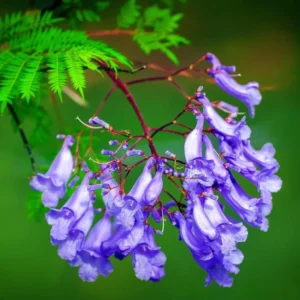
Original price was: $23.99.$21.59Current price is: $21.59.
-50%
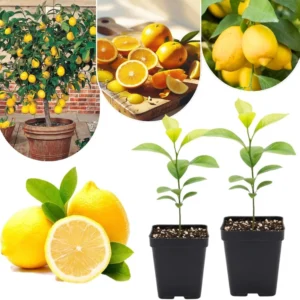
Original price was: $73.98.$36.99Current price is: $36.99.
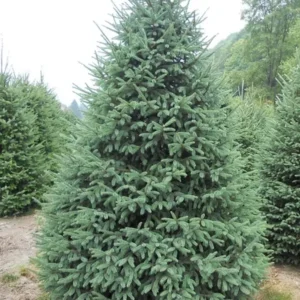
-10%
Original price was: $80.99.$72.89Current price is: $72.89.
PLANTING & CARE

Growing Glencoe Raspberry: A Complete Guide for Gardeners
If you’re looking to add something unique to your garden, look no further than the
31
Mar
Mar

The Comprehensive Guide to Growing Bay Leaf Plants for a Flavorful Garden
Imagine stepping into your garden, greeted by the earthy aroma of fresh bay leaves, their
09
Feb
Feb

How to Make Comfrey Tea: The Ultimate Organic Plant Food
Growing an organic garden can be surprisingly expensive, especially when most store-bought fertilizers come in
02
Feb
Feb

True Comfrey: 7 Essential Tips Before You Plant This Herb
A staple in permaculture practices across the US, True Comfrey easily earns its reputation as
27
Jan
Jan

7 Heart-Shaped Plants for a Lasting Valentine’s Gift
If you’ve ever bought a bouquet of roses for Valentine’s Day, you know they are
26
Jan
Jan

Best Types of Ivy Plant for Houses: How to Choose the Perfect Ones for Your Home
Are you a garden lover looking to introduce some greenery into your home? Maybe you’ve
14
Nov
Nov

When to Harvest Garlic (Especially Fall-Planted Garlic)
TIMING IS EVERYTHING, they say – and for garlic, that truth hits with surprising accuracy.
13
Nov
Nov

11 of the Best Sweet Potato Varieties to Grow for Your Garden
If you’ve ever tried growing sweet potatoes, you know that picking the right variety can
12
Nov
Nov