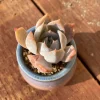
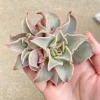
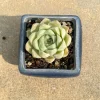
Echeveria White Elegans Succulent Live Plant – 2.0 Inch Plant, Low Maintenance Indoor/Outdoor
-61%
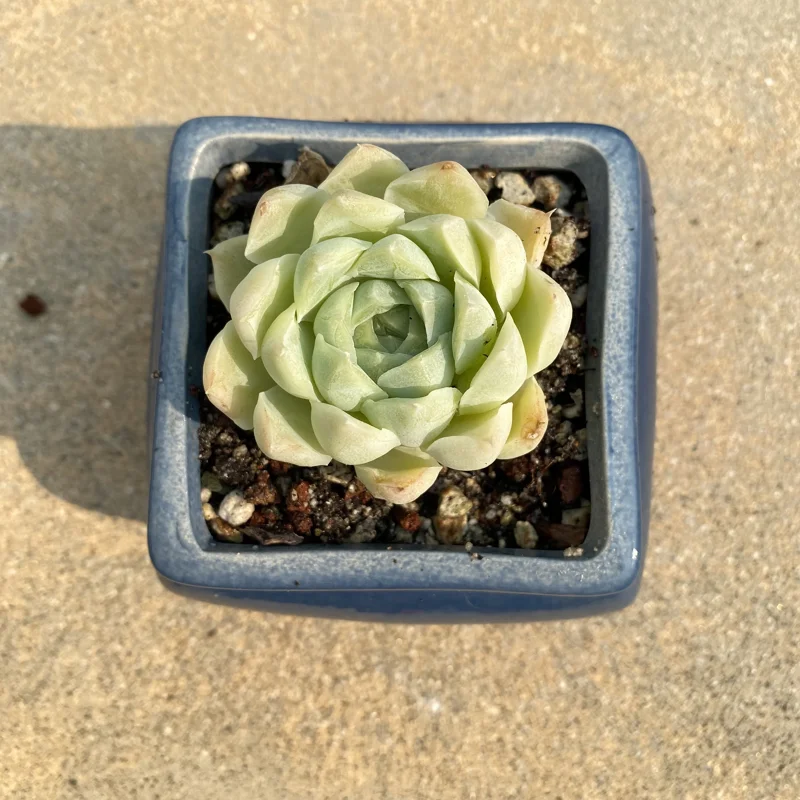
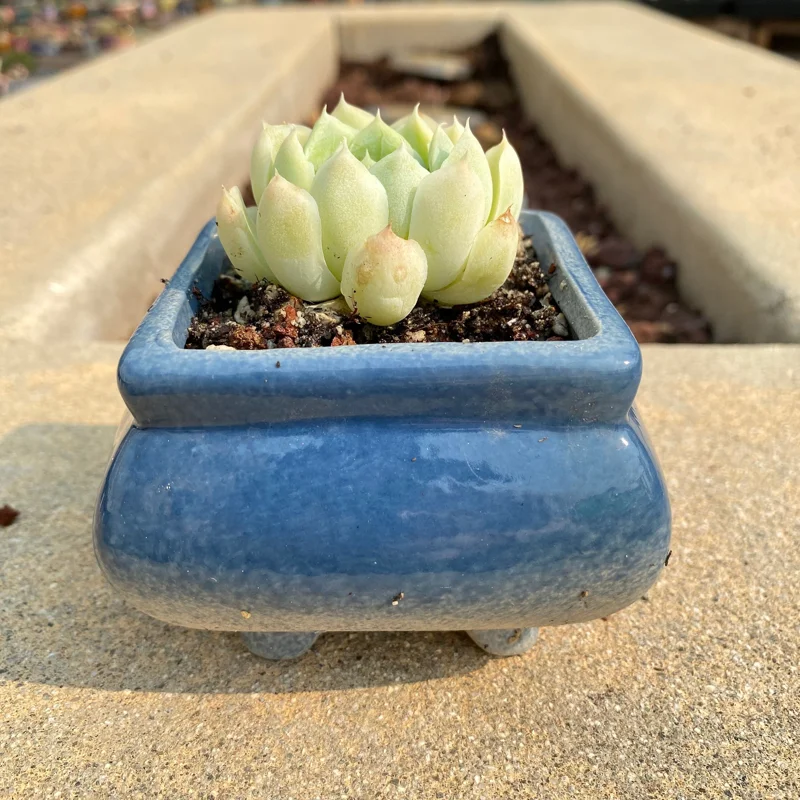
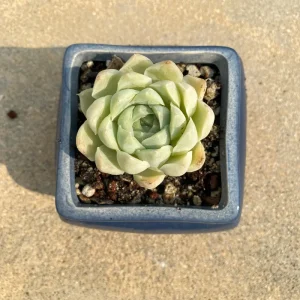
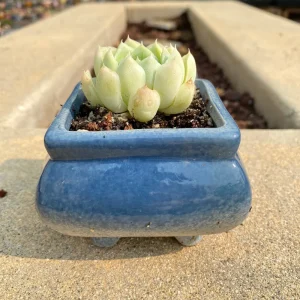
Echeveria White Elegans Succulent Live Plant – 2.0 Inch Plant, Low Maintenance Indoor/Outdoor
Bring home the stunning echeveria white elegans succulent, a beautiful and resilient live plant. This 2.0-inch succulent is perfect for beginners and experienced plant enthusiasts alike, offering a unique silvery-white appearance. An easy care succulent that thrives indoors or outdoors in suitable climates.
Original price was: $69.99.$26.99Current price is: $26.99.

With our Alive & Thrive Guarantee, we’ve got your back for the first 30 days! If you have any concerns about your plants, just reach out to us. Our team is here to help answer your questions and guide you in selecting the best plants for your garden, climate, and unique preferences. We're excited to help you create the garden of your dreams!
Estimated arrival
Oct 21
Oct 26 - Oct 28
Oct 31 - Nov 04
Product Details
-
USDA Hardiness Zone
USDA zones 9-11 (outdoor); adaptable indoors year-round -
Soil type
Well-draining succulent or cactus potting mix -
Sunlight Exposure
Bright direct light (6+ hours daily) -
Expected Planting Period
Year-round indoors; spring to fall outdoors in suitable climates
Overview
Introduce a touch of natural elegance to your home or garden with the exquisite echeveria white elegans succulent. This captivating live plant is renowned for its tightly packed rosettes of bluish-green leaves, often covered with a fine, powdery white coating giving it a distinct silvery sheen. Commonly known as White Elegans or ‘Mexican Gem’, Echeveria elegans ‘White Elegans’ is a hybrid cultivar celebrated for its striking appearance and robust nature. Originating from semi-desert regions, this succulent has adapted to thrive with minimal water, making it an ideal choice for busy individuals or those seeking a low-maintenance botanical companion. Whether nestled in a decorative pot on your windowsill or integrated into a vibrant rock garden, this live succulent plant promises to be a delightful addition, bringing a serene and sophisticated aesthetic to any setting.
Our echeveria white elegans succulent arrives as a healthy, established plant, ready to acclimate to its new environment. Its compact size, typically around 2.0 inches in diameter, makes it versatile for various display options, from small terrariums to mixed succulent arrangements. The unique coloration and intricate rosette form of the White Elegans make it a focal point, drawing admiration and sparking conversation. Embrace the charm of this resilient succulent and enjoy the beauty it brings without demanding constant attention.
Key Benefits
The echeveria white elegans succulent offers numerous advantages, making it a popular choice among plant lovers. Its beauty is matched by its ease of care and adaptability.
- Stunning Ornamental Appeal: The tight, symmetrical rosettes and unique silvery-white farina create a visually striking plant that enhances any decor, from modern minimalist to rustic charm. It’s a true living sculpture.
- Low Maintenance & Drought Tolerant: As a succulent, the echeveria white elegans succulent requires infrequent watering and thrives on neglect, making it perfect for beginners or those with busy lifestyles. It’s an excellent example of a drought tolerant plant.
- Air Purifying Qualities: Like many plants, succulents contribute to better indoor air quality by absorbing toxins and releasing oxygen, promoting a healthier living environment.
- Versatile Placement: Suitable for both indoor and outdoor settings (in appropriate climates), it can adorn windowsills, desks, patios, or rock gardens, adding beauty wherever it goes.
- Easy Propagation: This succulent readily produces offsets (chicks) around the base, allowing for easy propagation to expand your collection or share with friends. Even fallen leaves can be propagated into new plants.
- Stress-Reducing Presence: The presence of plants, especially beautiful ones like this echeveria, has been shown to reduce stress and improve overall well-being and focus.
- Compact Size: Its modest size makes it ideal for small spaces, apartment living, or creating intricate miniature landscapes and succulent arrangements.
Plant Care & Growing Tips
Caring for your echeveria white elegans succulent is straightforward, ensuring a rewarding experience for both novice and seasoned gardeners. Proper placement and watering are key to its health and vibrant appearance. These plants thrive with ample sunlight; aim for at least 6 hours of bright, direct sunlight per day. If grown indoors, a south-facing window is ideal, or supplement with a grow light. Insufficient light can lead to etiolation, where the plant stretches and loses its compact form.
Watering is perhaps the most critical aspect of echeveria care guide. Succulents store water in their leaves, so overwatering is a common killer. Allow the soil to dry out completely between waterings, then water thoroughly until water drains from the bottom of the pot. In summer, this might be every 2-4 weeks, and in winter, even less frequently. When in doubt, it’s better to underwater than overwater. Use a well-draining potting mix specifically formulated for succulents and cacti, which typically includes pumice, perlite, or coarse sand to prevent root rot. Ensure your pot has drainage holes.
The ideal temperature range for echeveria white elegans succulent is between 65-80°F (18-27°C). While it can tolerate brief dips, protect it from frost, as it is not cold-hardy. It’s generally suited for USDA zones 9-11 if grown outdoors year-round. Fertilize sparingly, if at all. A diluted succulent fertilizer once in spring can encourage growth, but it’s not strictly necessary. Watch for common pests like mealybugs or aphids, treating them promptly with insecticidal soap or neem oil. With these simple tips, your easy care succulent will flourish.
Size & Details
This offering is for one healthy echeveria white elegans succulent live plant, measuring approximately 2.0 inches in diameter. The plant will be shipped bare-root, meaning without a pot or soil, to ensure its safety during transit and reduce shipping costs. We recommend having a 3-4 inch pot and appropriate succulent potting mix ready for planting upon arrival. Echeveria White Elegans is a relatively slow-growing succulent, typically reaching a mature size of about 4-6 inches in diameter over several years. Its compact growth habit makes it an excellent choice for small spaces or as part of a larger succulent display.
Upon arrival, allow the plant a few days to recover from shipping stress before potting. Once potted, wait at least a week before the first watering to allow any minor root abrasions to heal. This plant is known for its resilience, and with proper care, it will quickly establish itself and begin to thrive, developing its characteristic powdery white coating that protects it from intense sun. The leaves of some succulents are very easy to fall off from the plant during transportation, and it is NOT an unhealthy sign of the plant. You can put the falling leaves in a planter and it is very easy to propagate using the leaves.
Frequently Asked Questions
- Q: How big does this Echeveria White Elegans plant get? A: This echeveria white elegans succulent typically grows to about 4-6 inches in diameter when mature. The plant you receive will be approximately 2.0 inches.
- Q: Is this an indoor or outdoor plant? A: This succulent can thrive both indoors and outdoors. If kept outdoors, ensure your climate is suitable (USDA zones 9-11) and protect it from frost. Indoors, it needs a bright, sunny spot.
- Q: How much sunlight does the Echeveria White Elegans need? A: It requires at least 6 hours of bright, direct sunlight daily. For indoor plants, a south-facing window is best, or consider using a grow light.
- Q: Is this plant easy to care for? Is it good for beginners? A: Yes, the echeveria white elegans succulent is an easy care succulent and an excellent choice for beginners due to its drought tolerance and minimal care requirements.
- Q: What condition will the plant arrive in? Is it shipped in soil? A: The plant will be shipped bare-root, without a pot or soil, to ensure its health and safety during transit. You will need to provide your own pot and succulent soil.
- Q: How often should I water my Echeveria White Elegans? A: Only water when the soil is completely dry. This could be every 2-4 weeks in warmer months and even less frequently in winter. Overwatering is the biggest risk.
- Q: Will it survive winter in my zone? What’s the minimum temperature? A: This succulent is not frost-hardy. If your temperatures drop below 45°F (7°C), it should be brought indoors or protected. It is best suited for outdoor growth in USDA zones 9-11.
- Q: What kind of soil is best for this succulent? A: Use a well-draining succulent or cactus potting mix. This type of soil prevents water retention, which is crucial for preventing root rot in succulents.
- Q: Can I propagate this Echeveria? A: Yes, this live succulent plant is very easy to propagate from offsets (pups) that grow around the base, or even from individual leaves that fall off.
- Q: What if some leaves fall off during shipping? A: It is common for some succulent leaves to detach during transit, and this is not a sign of an unhealthy plant. These fallen leaves can often be propagated to grow new plants.
Related products
-30%
Original price was: $85.98.$60.18Current price is: $60.18.
-30%
Original price was: $47.98.$33.58Current price is: $33.58.
-97%
Original price was: $316.80.$9.92Current price is: $9.92.
-30%
Original price was: $79.98.$55.98Current price is: $55.98.
-30%
Original price was: $79.98.$55.98Current price is: $55.98.
-30%
Original price was: $85.98.$60.18Current price is: $60.18.
-30%
Original price was: $79.98.$55.98Current price is: $55.98.
-30%
Original price was: $79.98.$55.98Current price is: $55.98.
PLANTING & CARE
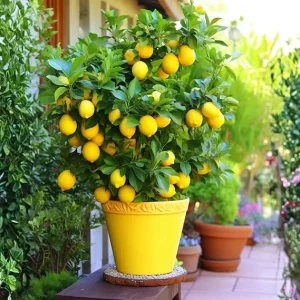
Lemon Tree Growing: Choose, Plant, and Harvest
Learn how to choose, plant, feed, and protect a lemon tree so it fits your
23
Sep
Sep
Dwarf Meyer Lemon Tree Australia: Climate Guide
Learn where dwarf Meyer lemon trees grow, how much cold they tolerate, and whether Australia,
Where to Buy a Dwarf Meyer Lemon Tree: Buyer’s Guide
Find the right dwarf Meyer lemon tree online or locally, compare starter sizes and costs,
Dwarf Meyer Lemon Tree for Sale: Buying Guide
Compare Meyer lemon tree sizes, prices, shipping limits, indoor growing and California options before you
Dwarf Meyer Lemon Tree Guide: Size, Care and Fruit
META: Learn how large a dwarf Meyer lemon tree grows, where it thrives, and how
How to Prune a Dwarf Meyer Lemon Tree
Learn when and how to prune a dwarf Meyer lemon tree, including tools, shaping cuts,
Can You Grow a Dwarf Meyer Lemon Tree in a Pot?
META: Learn how to grow a dwarf Meyer lemon tree in a pot, including container
When Do Dwarf Meyer Lemon Trees Bloom and Fruit?
META: Dwarf Meyer lemon trees usually bloom from winter through spring and may flower again