Echeveria Madiba Succulent Live Plant – Rare Collector’s Item – 5-6 Inch
-50%
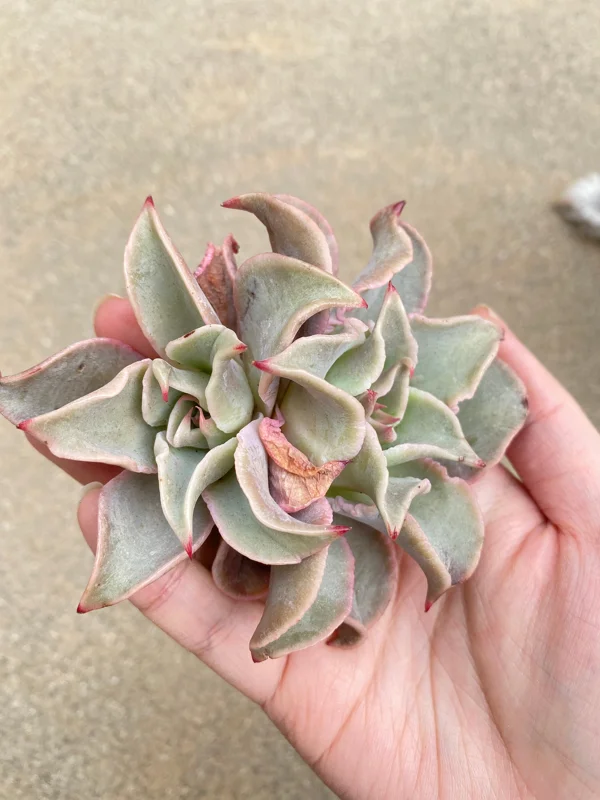
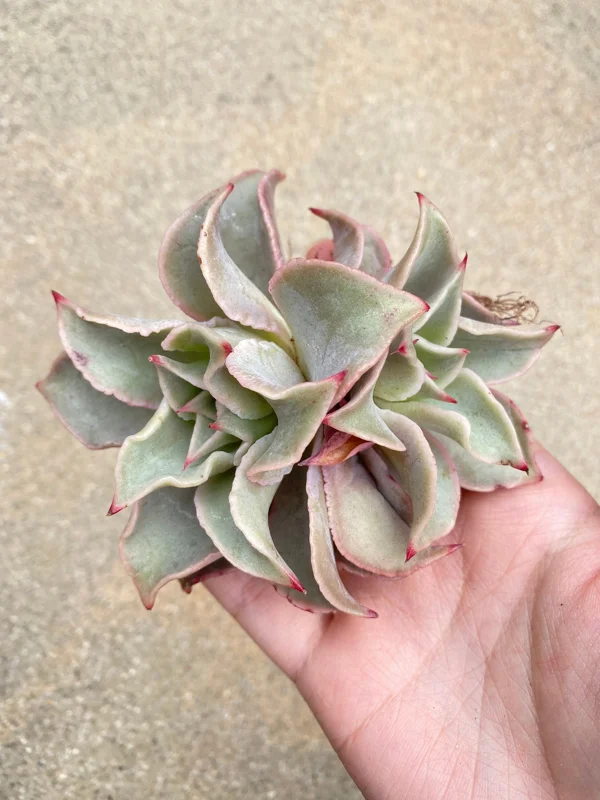
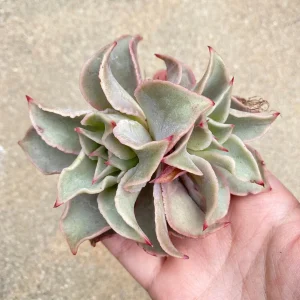
Echeveria Madiba Succulent Live Plant – Rare Collector’s Item – 5-6 Inch
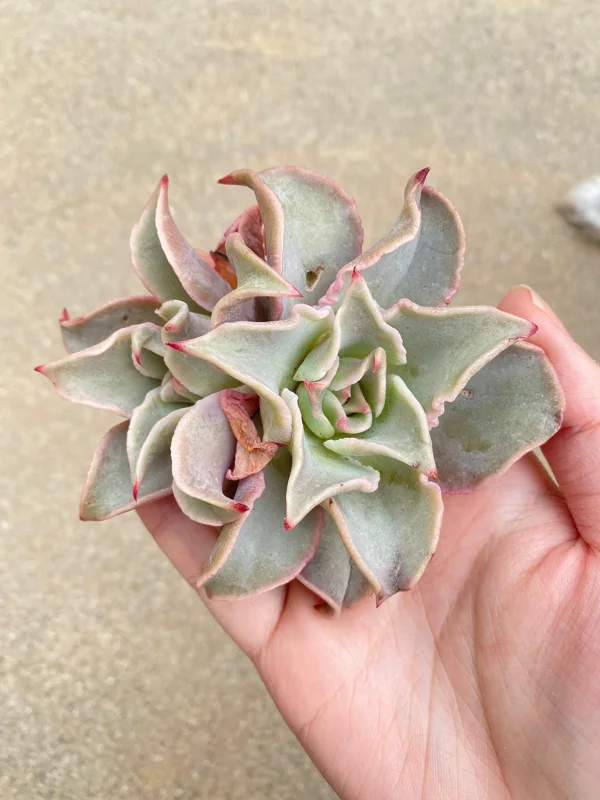
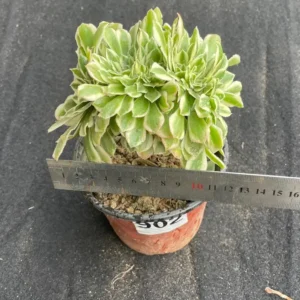
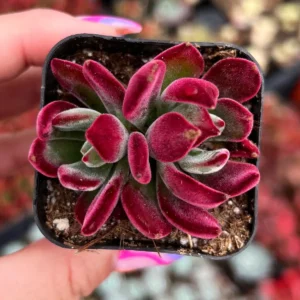
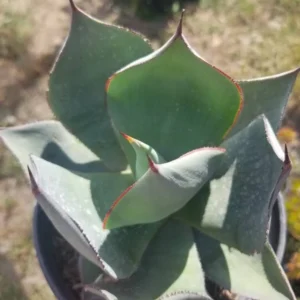
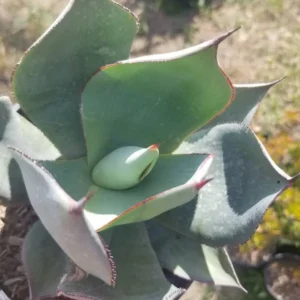
Bring home a truly unique botanical gem with the Echeveria Madiba succulent. This rare live plant boasts distinctive wavy, crinkled leaves that unfurl in a captivating display of color, making it a standout addition to any collection. Perfect for indoor display or outdoor rock gardens in suitable climates, this 5-6 inch specimen is a must-have for succulent enthusiasts seeking something extraordinary.
Original price was: $159.96.$79.98Current price is: $79.98.

With our Alive & Thrive Guarantee, we’ve got your back for the first 30 days! If you have any concerns about your plants, just reach out to us. Our team is here to help answer your questions and guide you in selecting the best plants for your garden, climate, and unique preferences. We're excited to help you create the garden of your dreams!
Estimated arrival
Oct 21
Oct 26 - Oct 28
Oct 31 - Nov 04

Product Details
-
USDA Hardiness Zone
USDA zones 9-11 (outdoors), suitable for all zones indoors -
Soil type
Well-draining succulent or cactus mix -
Sunlight Exposure
Bright direct sunlight (6+ hours daily) -
Expected Planting Period
Year-round indoors, spring to early summer outdoors (in suitable zones)
Overview
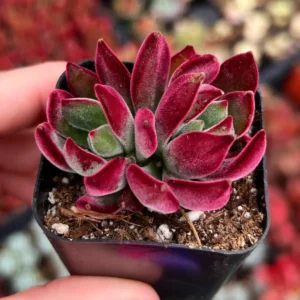
The Echeveria Madiba succulent is a highly sought-after and visually striking live plant, cherished by collectors and plant enthusiasts alike for its unique morphology. Native to semi-desert regions, this captivating succulent belongs to the Crassulaceae family and is renowned for its tightly packed rosettes of thick, wavy, and often crinkled leaves. The ‘Madiba’ cultivar is particularly prized for its dramatic texture and vibrant hues, which can range from soft greens to delicate pinks and purples, especially when exposed to adequate sunlight. Each plant typically measures between 5.0-6.0 inches, offering a substantial and eye-catching specimen for your home or garden. This rare Echeveria plant is not just a decorative item; it’s a living piece of art that adds a touch of exotic elegance to any space. Its intriguing form makes it a focal point in succulent arrangements or as a standalone specimen.
As a rare Echeveria plant, the ‘Madiba’ is an excellent choice for those looking to expand their succulent collection with something truly special. Its robust nature, combined with its stunning appearance, ensures it will be a conversation starter. Whether you’re a seasoned succulent grower or just starting your journey, this plant offers both beauty and a rewarding growing experience. Its distinctive leaves, which can sometimes appear almost ruffled or frilly, set it apart from more common Echeveria varieties, making it a unique live succulent addition to your botanical treasures.
Key Benefits
The Echeveria Madiba succulent offers numerous benefits, making it an ideal choice for both seasoned collectors and those new to gardening. Its aesthetic appeal and low maintenance requirements are just a few reasons why this plant is so popular.
- Exceptional Decorative Appeal: The primary benefit of the Echeveria Madiba succulent is its stunning visual impact. Its unique wavy, crinkled leaves form a beautiful rosette, providing an intricate and sculptural element to any decor. The vibrant stress colors, often pink or purple, enhance its beauty.
- Low Maintenance & Drought Tolerant: This succulent is incredibly forgiving, requiring minimal watering and care once established. It’s an excellent choice for busy individuals or those new to plant ownership, thriving on neglect rather than constant attention.
- Air Purification Qualities: Like many houseplants, Echeveria Madiba can contribute to improved indoor air quality by absorbing certain toxins and releasing oxygen, making your living space healthier and more refreshing.
- Collector’s Item: Due to its distinctive features and relative rarity, the rare Echeveria plant is highly sought after by succulent collectors. Owning one adds a unique and valuable specimen to any plant collection.
- Easy Propagation: Should leaves fall off during transit or handling, they can often be propagated to create new plants, offering an enjoyable and rewarding experience for growers and ensuring the continuation of your collection.
- Versatile Placement: Suitable for a variety of settings, this succulent thrives indoors in bright light or outdoors in appropriate climates. It’s perfect for windowsills, office desks, terrariums, or rock gardens, adapting well to different environments.
- Stress Coloration: Under proper light conditions, the leaves of the Echeveria Madiba succulent develop beautiful stress colors, adding another layer of visual interest and making each plant a unique and evolving display.
Plant Care & Growing Tips
Caring for your Echeveria Madiba succulent is relatively straightforward, making it a rewarding plant for many gardeners. Understanding its specific needs will ensure it thrives and displays its beautiful characteristics. This succulent prefers a sunny spot, ideally receiving at least 6 hours of bright, direct sunlight per day. If grown indoors, a south-facing window is usually best. Insufficient light can cause the plant to stretch and lose its compact rosette shape. When considering an Echeveria care guide, light is paramount for healthy growth and vibrant stress colors.
Watering is perhaps the most critical aspect of succulent care. Echeveria Madiba is highly drought-tolerant, so it’s essential to allow the soil to dry out completely between waterings. Overwatering is the most common cause of succulent demise. A good rule of thumb is to water thoroughly until water drains from the bottom of the pot, then wait until the soil is bone dry before watering again. This could be anywhere from every 2-4 weeks, depending on your climate and the season. For soil, use a well-draining succulent or cactus mix, which prevents waterlogging and promotes healthy root development. A pot with drainage holes is absolutely crucial.
The ideal temperature range for Echeveria Madiba succulent is between 65-80°F (18-27°C). While it can tolerate slightly cooler temperatures, it is not frost-hardy and should be protected from freezing. If growing outdoors in USDA zones below 9, it’s best to bring the plant indoors during winter. Fertilization is generally not heavily needed; a diluted succulent fertilizer once or twice during the growing season (spring and summer) is sufficient. Watch out for common pests like mealybugs or aphids, and address them promptly with insecticidal soap. Providing the right conditions will help your unique live succulents flourish.
Size & Details
This offering features a beautiful Echeveria Madiba succulent, measuring approximately 5.0-6.0 inches in diameter. This size refers to the width of the rosette, providing a substantial and well-established plant for your collection. It is shipped bare-root, meaning it will arrive without a pot or soil, carefully packaged to ensure its health during transit. This method helps prevent rot and prepares the plant for immediate repotting into your preferred container and succulent-specific soil. While the exact growth rate can vary based on conditions, Echeveria Madiba typically maintains a compact, medium size, making it suitable for windowsills, desks, or mixed succulent arrangements. Expect this live plant to continue to grow and mature, developing more pronounced ruffles and vibrant stress colors over time.
The 5-6 inch measurement indicates a mature and robust specimen, ready to thrive in its new home. Its unique form ensures it will be a distinctive element in any plant display. When repotting, choose a pot that is slightly larger than the plant’s current diameter to allow for future growth and ensure adequate root space. The mature size and distinctive appearance of this Echeveria Madiba succulent make it a perfect addition for those seeking an impressive and easy-to-care-for plant.
Frequently Asked Questions
- Q: How big does this plant get? A: The Echeveria Madiba succulent typically grows to a diameter of 5-6 inches, as offered. With optimal care, it can reach slightly larger sizes, maintaining a compact and beautiful rosette form.
- Q: Is this an indoor or outdoor plant? A: This rare Echeveria plant can thrive both indoors and outdoors. Indoors, it requires a bright, sunny window. Outdoors, it prefers a climate with mild winters (USDA zones 9-11) and protection from scorching afternoon sun in very hot regions.
- Q: How much sunlight does it need? A: The Echeveria Madiba succulent requires at least 6 hours of bright, direct sunlight daily to maintain its compact shape and develop its beautiful stress colors. Insufficient light will cause it to stretch.
- Q: Is this plant easy to care for? A: Yes, Echeveria Madiba is relatively easy to care for, especially for those familiar with succulents. Its main requirements are plenty of sunlight and infrequent watering, making it a great option for those learning about Echeveria care guide principles.
- Q: What condition will it arrive in? A: Your Echeveria Madiba succulent will be shipped bare-root, meaning it will arrive without a pot or soil. This is a common and safe method for shipping succulents, ensuring minimal stress and preparation for planting.
- Q: How often should I water my Echeveria Madiba? A: Water only when the soil is completely dry to the touch, typically every 2-4 weeks depending on environmental conditions. Always err on the side of underwatering rather than overwatering to prevent root rot.
- Q: Can I propagate this succulent? A: Yes, Echeveria Madiba can be propagated from leaves. If leaves fall off, simply place them on dry soil in bright light, and new plantlets will often emerge, allowing you to grow more unique live succulents.
- Q: What type of soil is best for Echeveria Madiba? A: A well-draining soil mix is crucial. Use a specialized succulent or cactus potting mix, or create your own by combining potting soil with perlite or coarse sand to improve drainage.
- Q: Will the leaves fall off during shipping? A: It is common for some succulent leaves to detach during transit. This is usually not a sign of an unhealthy plant, and these leaves can often be used for propagation.
- Q: Is it safe for pets? A: Most Echeveria species are considered non-toxic to pets, but it’s always best to keep plants out of reach of curious animals to prevent accidental ingestion and potential mild stomach upset.
Related products
-30%
Original price was: $85.98.$60.18Current price is: $60.18.
-40%
Original price was: $19.60.$11.76Current price is: $11.76.
-30%
Original price was: $79.98.$55.98Current price is: $55.98.
-30%
Original price was: $79.98.$55.98Current price is: $55.98.
-30%
Original price was: $47.98.$33.58Current price is: $33.58.
PLANTING & CARE
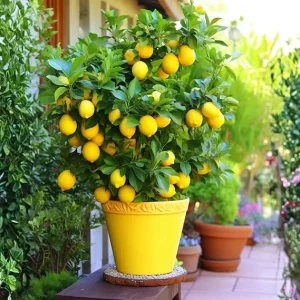
Lemon Tree Growing: Choose, Plant, and Harvest
Learn how to choose, plant, feed, and protect a lemon tree so it fits your
23
Sep
Sep
Dwarf Meyer Lemon Tree Australia: Climate Guide
Learn where dwarf Meyer lemon trees grow, how much cold they tolerate, and whether Australia,
Where to Buy a Dwarf Meyer Lemon Tree: Buyer’s Guide
Find the right dwarf Meyer lemon tree online or locally, compare starter sizes and costs,
Dwarf Meyer Lemon Tree for Sale: Buying Guide
Compare Meyer lemon tree sizes, prices, shipping limits, indoor growing and California options before you
Dwarf Meyer Lemon Tree Guide: Size, Care and Fruit
META: Learn how large a dwarf Meyer lemon tree grows, where it thrives, and how
How to Prune a Dwarf Meyer Lemon Tree
Learn when and how to prune a dwarf Meyer lemon tree, including tools, shaping cuts,
Can You Grow a Dwarf Meyer Lemon Tree in a Pot?
META: Learn how to grow a dwarf Meyer lemon tree in a pot, including container
When Do Dwarf Meyer Lemon Trees Bloom and Fruit?
META: Dwarf Meyer lemon trees usually bloom from winter through spring and may flower again