Elderberry Cuttings – Adams, Scotia, Wyldewood, Bob Gordon – Root Your Own Plant
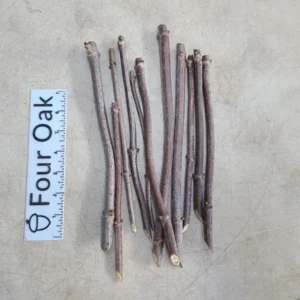
Elderberry Cuttings – Adams, Scotia, Wyldewood, Bob Gordon – Root Your Own Plant
Cultivate your own fruitful elderberry live cuttings with our premium selection of Adams, Scotia, Wyldewood, or Bob Gordon varieties. These fresh cuttings are ready for rooting, allowing you to grow a vibrant elderberry plant at home for delicious berries and healthful benefits.
From $50.00

With our Alive & Thrive Guarantee, we’ve got your back for the first 30 days! If you have any concerns about your plants, just reach out to us. Our team is here to help answer your questions and guide you in selecting the best plants for your garden, climate, and unique preferences. We're excited to help you create the garden of your dreams!
Estimated arrival
Apr 03
Apr 08 - Apr 10
Apr 13 - Apr 17



Product Details
-
USDA Hardiness Zone
USDA zones 3-9 -
Soil type
Well-draining, rich loamy soil -
Sunlight Exposure
Full sun to partial shade -
Expected Planting Period
Spring to early summer or fall
Overview
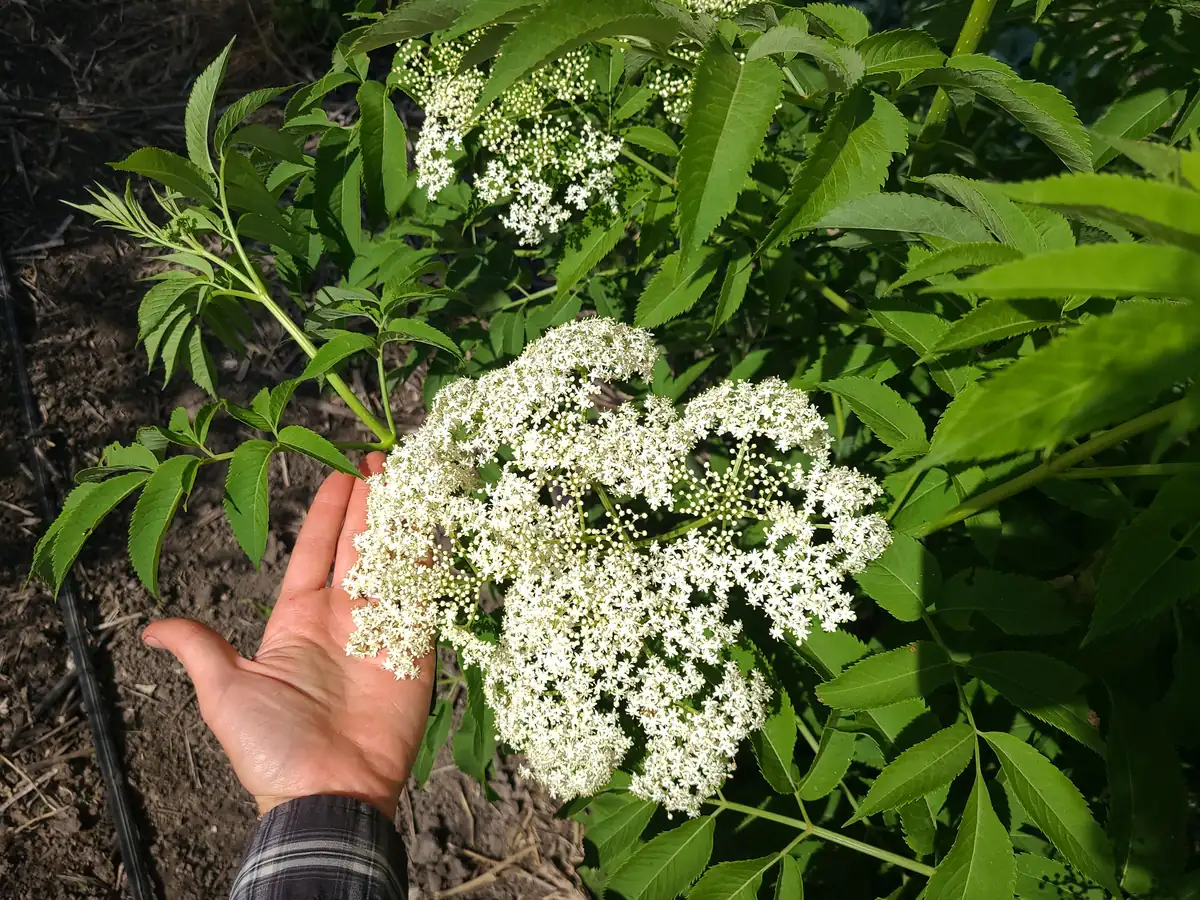
Start your own thriving elderberry patch with our premium selection of elderberry live cuttings. These fresh, viable cuttings offer an excellent opportunity to propagate your favorite elderberry varieties, including Adams, Scotia, Wyldewood, and Bob Gordon. Each cutting is carefully selected from vigorous parent plants, ensuring you receive the best possible start for rooting your own plant. Elderberries, scientifically known as Sambucus nigra or Sambucus canadensis, are renowned for their ornamental beauty, edible berries, and traditional medicinal uses. Growing your own elderberry from cuttings is a rewarding process that provides a sustainable source of these beneficial fruits for years to come. Whether you’re a seasoned gardener or a curious beginner, these cuttings provide a straightforward path to establishing a robust elderberry bush in your garden.
Our elderberry live cuttings are specifically chosen for their strong rooting potential. We understand the importance of successful propagation, which is why we provide high-quality material ready for your home cultivation efforts. You can choose from both European elder (Sambucus nigra) and American elder (Sambucus canadensis) varieties, each offering unique characteristics in terms of growth habit, berry size, and flavor. Learning to root elderberry plant cuttings is an enjoyable and educational experience, leading to bountiful harvests of nutrient-rich berries. These plants are adaptable and can thrive in various climates, making them a versatile addition to many home gardens.
Key Benefits
Growing elderberry from cuttings offers numerous advantages, from fresh berries to ecological benefits. These plants are not only productive but also add significant aesthetic and practical value to any landscape. Here are some of the key benefits you can expect from cultivating your own elderberry:
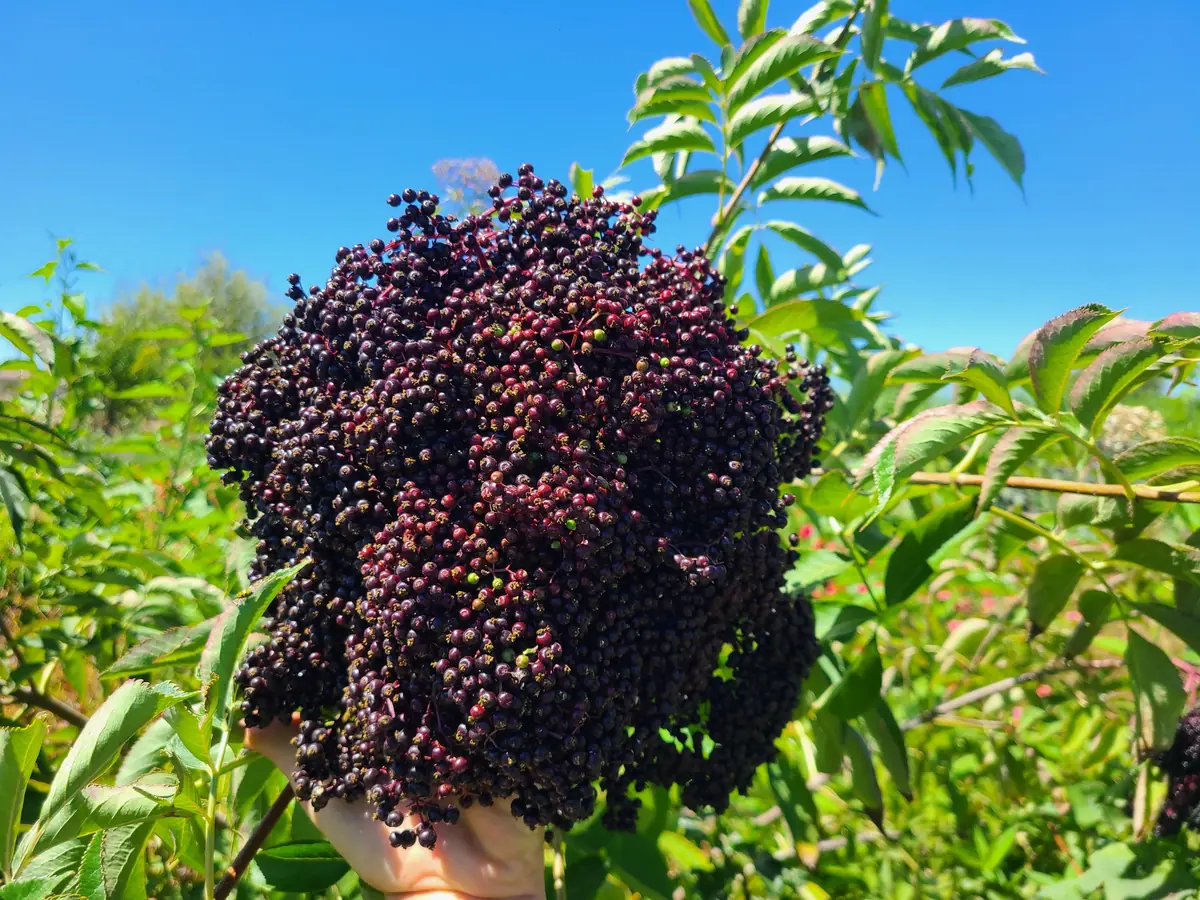
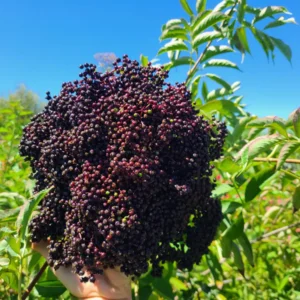
- Abundant Berry Production: Enjoy a prolific harvest of dark, flavorful berries perfect for jams, jellies, pies, and elderberry syrup. Varieties like Bob Gordon are known for very large clusters of flavorful purple berries, providing a generous yield from your elderberry live cuttings.
- Medicinal Properties: Elderberries are celebrated for their immune-boosting properties, rich in antioxidants and vitamins. Having a fresh supply allows you to harness these natural health benefits directly from your garden.
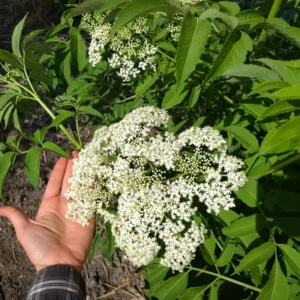
- Wildlife Attraction: Elderberry bushes attract pollinators like bees and butterflies, as well as birds that enjoy the berries, contributing to local biodiversity and creating a lively garden ecosystem.
- Low Maintenance: Once established, elderberry plants are relatively low-maintenance, requiring minimal care beyond basic watering and occasional pruning. This makes them an excellent choice for gardeners seeking productive yet easy-to-grow plants.
- Soil Improvement: Elderberries can help improve soil health and prevent erosion, particularly in riparian zones or areas with moist soil, making them beneficial for ecological landscaping.
- Versatile Use: Beyond fruit production, elderberry plants can be used for hedgerows, windbreaks, or as attractive specimen plants in your landscape design. Learning to root elderberry plant cuttings expands your gardening possibilities significantly.
- Cost-Effective Propagation: Propagating from cuttings is a highly cost-effective way to expand your elderberry collection or share with friends, compared to purchasing mature plants.
Plant Care & Growing Tips
Successful rooting and growth of your elderberry live cuttings depend on providing the right conditions from the start. Elderberries are generally hardy and adaptable, but a good foundation will ensure vigorous growth and abundant fruit. Start by preparing a well-draining rooting medium, such as a mix of peat moss and perlite or sand. Dip the cut end of each cutting in rooting hormone, which significantly increases the chances of successful root development. Insert the cuttings into the prepared medium, ensuring at least two nodes are buried. Keep the medium consistently moist but not waterlogged, and maintain a warm, humid environment, which can be achieved with a clear plastic dome or bag over the cuttings.
Once your cuttings have rooted and started to show new growth, they can be transplanted into larger pots or directly into the garden. Elderberry plants thrive in full sun to partial shade, ideally receiving at least 6 hours of direct sunlight per day for optimal berry production. They prefer rich, well-draining soil with a slightly acidic to neutral pH (6.0-7.0). Water regularly, especially during dry spells and during the first year of establishment. American elderberry varieties like Adams and Bob Gordon are particularly suited to North American climates. For European elder varieties such as Marge, consider companion planting with another European elderberry to enhance pollination and fruit set. Fertilize in early spring with a balanced organic fertilizer to support healthy growth and fruit development. Pruning should be done in late winter or early spring to remove dead or weak canes and encourage new, productive growth.
Protect young plants from extreme cold or late frosts. While mature elderberries are quite cold-hardy, newly rooted cuttings are more vulnerable. Ensure good air circulation around your plants to prevent fungal issues. Regularly inspect for pests, though elderberries are generally robust. Understanding how to care for your Sambucus nigra cuttings or American elderberry varieties ensures a healthy and productive plant for years.
Size & Details
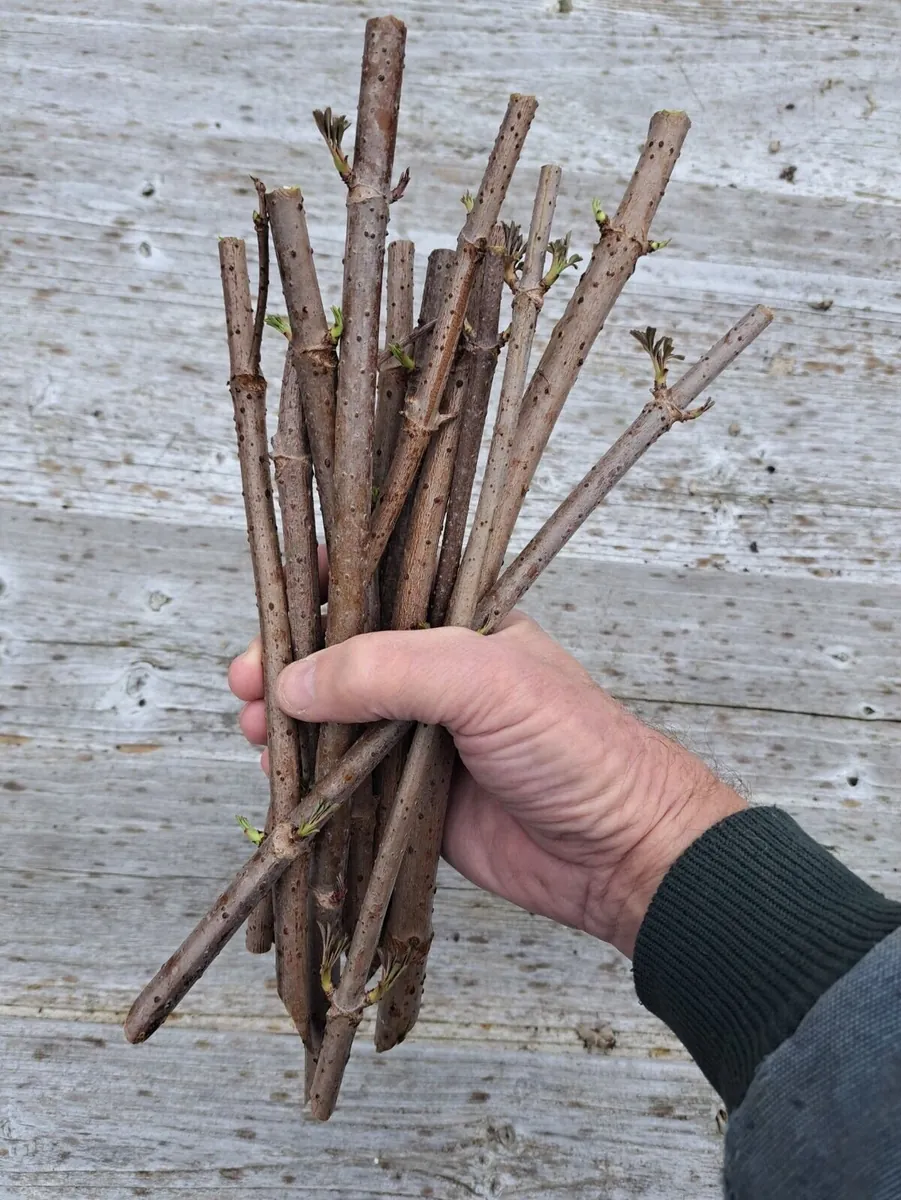
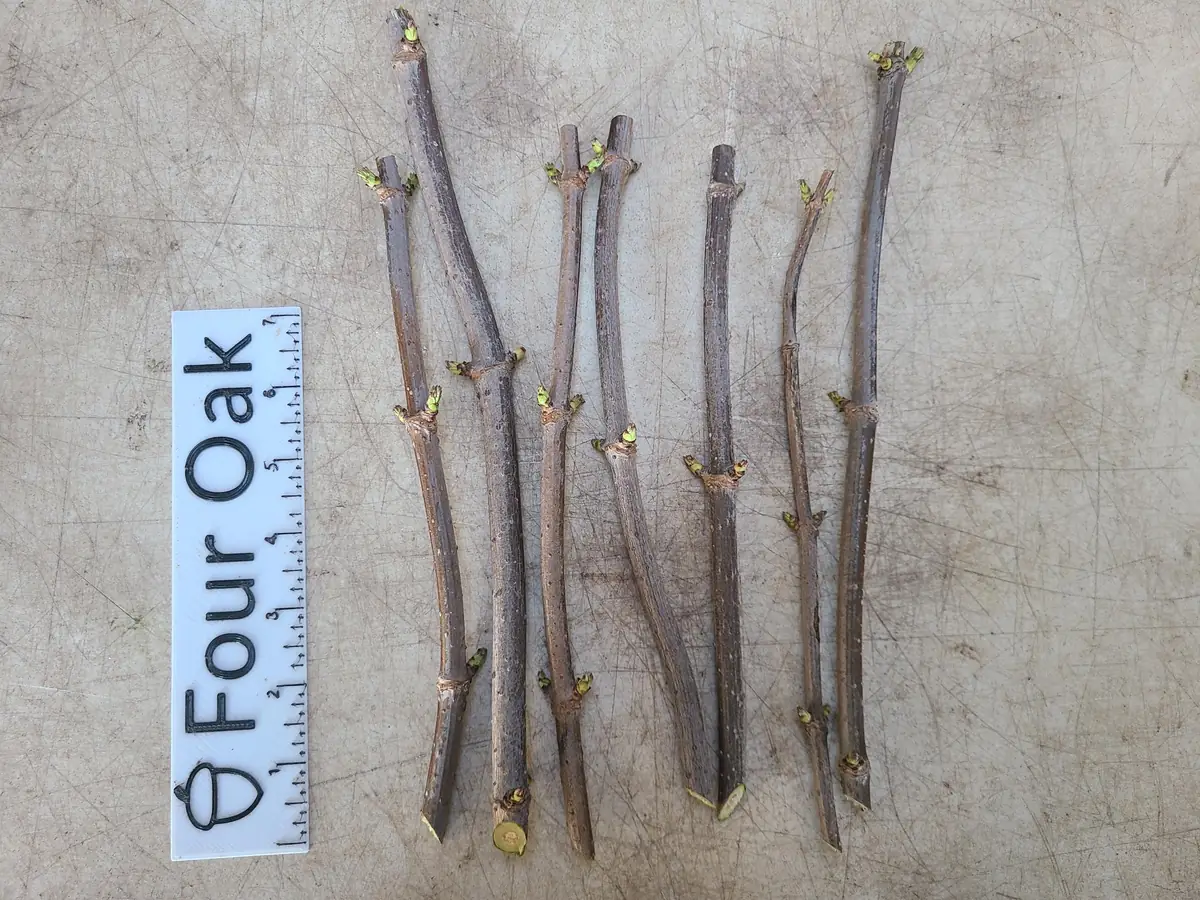
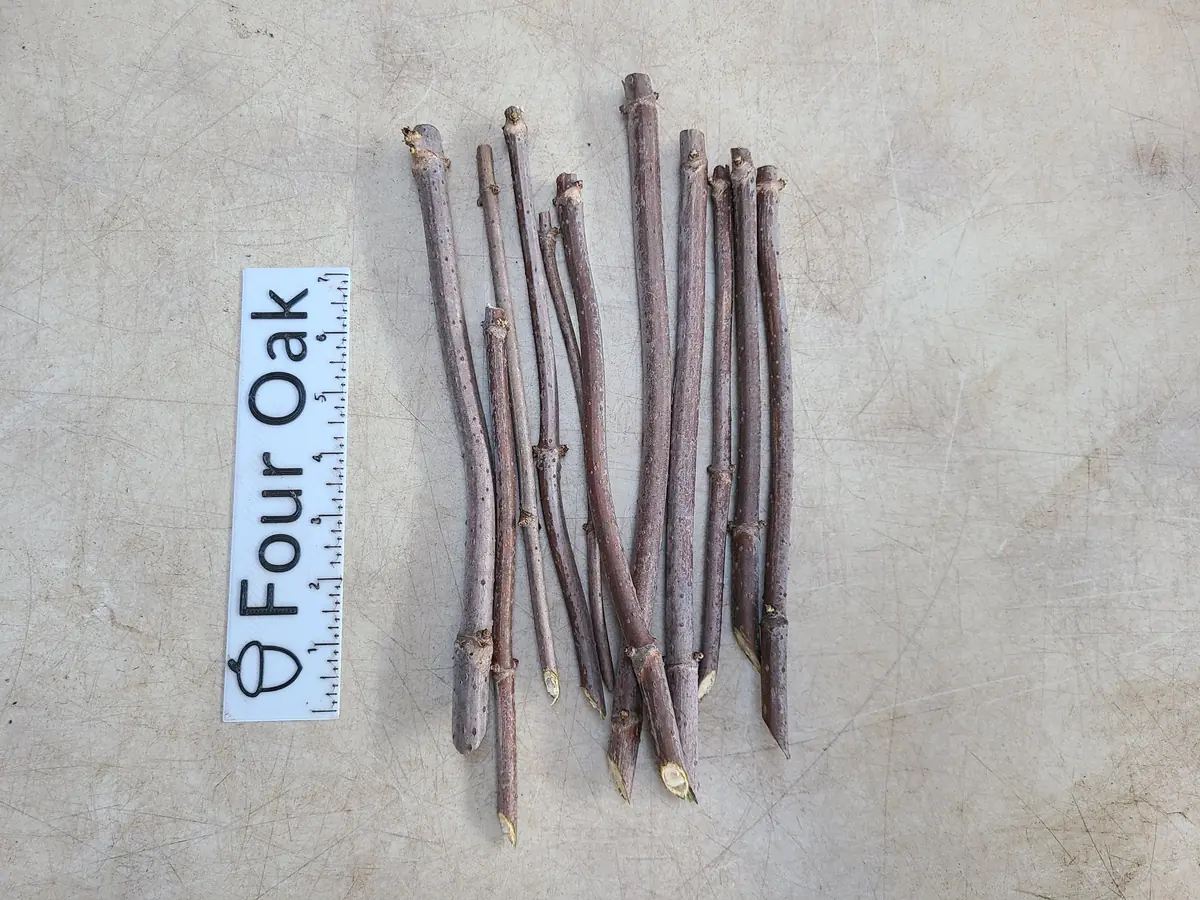
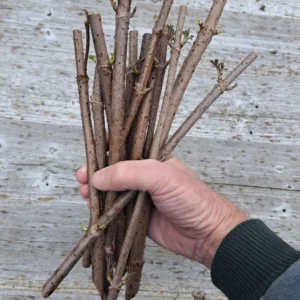
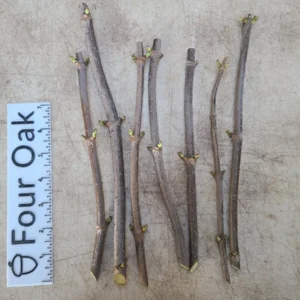
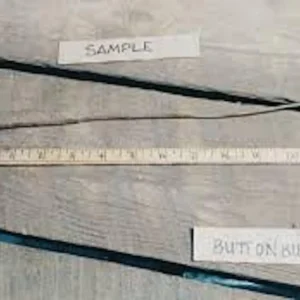
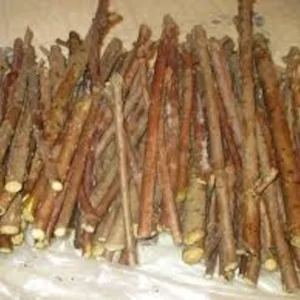
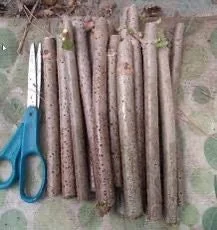
Each order includes fresh elderberry live cuttings of the variety you select. These cuttings are typically 6-10 inches long, featuring several nodes, and are ready for immediate rooting upon arrival. The exact dimensions may vary slightly depending on the specific variety and the natural growth of the source plant. Once rooted and planted, elderberry bushes can grow quite large, often reaching 6-12 feet tall and wide, depending on the variety and growing conditions. For instance, varieties like Bob Gordon and Wyldewood are known for their vigorous growth and productivity. The growth rate is moderate to fast, with plants often producing berries within 1-2 years of successful rooting and establishment. These cuttings are shipped dormant to ensure the best chance of survival and successful rooting.
Please note that these are cuttings for propagation, not rooted plants. You will receive instructions on how to successfully root elderberry plant cuttings. The mature size and yield of your elderberry plant will be influenced by factors such as climate, soil fertility, watering, and pruning practices. Expect these plants to provide a beautiful and productive addition to your landscape, offering shade, habitat, and delicious fruit for many seasons. The specific characteristics of each variety, such as berry size and flavor, are detailed in the product description, allowing you to choose the perfect European elderberry or American elderberry for your needs.
Frequently Asked Questions
- Q: How big does an elderberry plant get from these cuttings? A: Once rooted and established, elderberry plants can grow to a mature size of 6-12 feet tall and wide, depending on the specific variety and growing conditions. Regular pruning can help manage their size and shape.
- Q: What size pot should I use to start rooting the cuttings? A: We recommend starting your elderberry live cuttings in small pots, around 4-6 inches in diameter, filled with a well-draining rooting medium. Once roots develop, you can transplant them into larger containers or directly into the garden.
- Q: Is this an indoor or outdoor plant? A: Elderberries are primarily outdoor plants. While you can start the rooting process indoors, especially in colder climates, the mature plants thrive outdoors in full sun to partial shade.
- Q: How much sunlight do these elderberry cuttings need to root and grow? A: For rooting, bright indirect light is sufficient. Once established, elderberry plants prefer at least 6 hours of direct sunlight per day for optimal growth and berry production.
- Q: Are these Sambucus nigra cuttings easy to care for for beginners? A: Yes, elderberry cuttings are relatively easy to root and care for, making them suitable for beginner gardeners interested in propagating their own fruit-bearing plants. Clear instructions are provided to guide you.
- Q: What condition will the cuttings arrive in? A: Your elderberry live cuttings will arrive fresh, dormant, and carefully packaged to ensure their viability for rooting. We guarantee the quality of the plant material upon arrival.
- Q: How long until my elderberry plant produces berries? A: With successful rooting and proper care, you can typically expect your elderberry plant to start producing berries within 1-2 years after planting. Full production usually begins in the third year.
- Q: When is the best time to plant elderberry cuttings? A: The best time to plant elderberry cuttings is typically in the spring after the last frost, or in the fall before the ground freezes. This allows the cuttings to establish roots before extreme weather.
- Q: Will American elderberry varieties survive winter in my zone? A: American elderberry varieties are generally very cold-hardy and can survive winters in a wide range of USDA zones, typically 3-9. European varieties also show good cold tolerance.
- Q: Do I need more than one elderberry plant for fruit production? A: While some varieties are partially self-fertile, planting at least two different elderberry varieties (especially for European elders like Marge) can significantly increase pollination and result in heavier fruit crops. This is why we offer a selection of elderberry live cuttings.
| Variety | Adams, Bob Gordon, Marge, Scotia, Wyldewood, York |
|---|---|
| Number of cuttings | 2 Cuttings, 4 Cuttings, 8 Cuttings |
Related products
-50%
Original price was: $49.98.$24.99Current price is: $24.99.

-50%
Original price was: $55.98.$27.99Current price is: $27.99.
-20%
Original price was: $66.00.$52.80Current price is: $52.80.
-20%
Original price was: $76.00.$60.80Current price is: $60.80.
-10%
Original price was: $23.99.$21.59Current price is: $21.59.
-10%
Original price was: $23.99.$21.59Current price is: $21.59.
PLANTING & CARE

Growing Glencoe Raspberry: A Complete Guide for Gardeners
If you’re looking to add something unique to your garden, look no further than the
31
Mar
Mar

The Comprehensive Guide to Growing Bay Leaf Plants for a Flavorful Garden
Imagine stepping into your garden, greeted by the earthy aroma of fresh bay leaves, their
09
Feb
Feb

How to Make Comfrey Tea: The Ultimate Organic Plant Food
Growing an organic garden can be surprisingly expensive, especially when most store-bought fertilizers come in
02
Feb
Feb

True Comfrey: 7 Essential Tips Before You Plant This Herb
A staple in permaculture practices across the US, True Comfrey easily earns its reputation as
27
Jan
Jan

7 Heart-Shaped Plants for a Lasting Valentine’s Gift
If you’ve ever bought a bouquet of roses for Valentine’s Day, you know they are
26
Jan
Jan

Best Types of Ivy Plant for Houses: How to Choose the Perfect Ones for Your Home
Are you a garden lover looking to introduce some greenery into your home? Maybe you’ve
14
Nov
Nov

When to Harvest Garlic (Especially Fall-Planted Garlic)
TIMING IS EVERYTHING, they say – and for garlic, that truth hits with surprising accuracy.
13
Nov
Nov

11 of the Best Sweet Potato Varieties to Grow for Your Garden
If you’ve ever tried growing sweet potatoes, you know that picking the right variety can
12
Nov
Nov