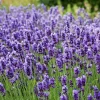
Fern Leaf Lavender Live Plant – 6-11 inch Herb Seedlings for Garden
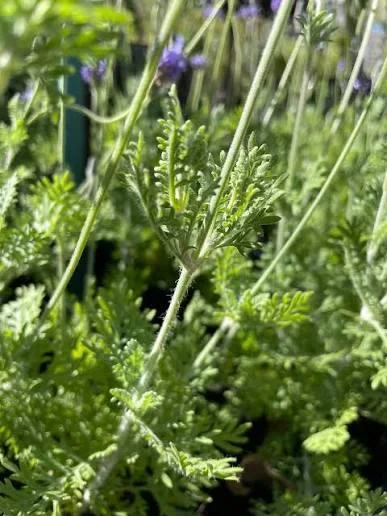
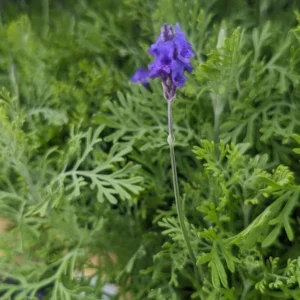
Fern Leaf Lavender Live Plant – 6-11 inch Herb Seedlings for Garden
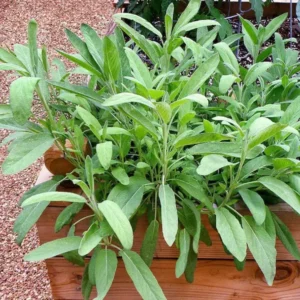
Cultivate the beautiful and fragrant fern leaf lavender live plant in your garden or on your windowsill. These 6-11 inch live herb seedlings are ready to thrive, offering both ornamental beauty and culinary versatility.
$33.98

With our Alive & Thrive Guarantee, we’ve got your back for the first 30 days! If you have any concerns about your plants, just reach out to us. Our team is here to help answer your questions and guide you in selecting the best plants for your garden, climate, and unique preferences. We're excited to help you create the garden of your dreams!
Estimated arrival
Aug 16
Aug 21 - Aug 23
Aug 26 - Aug 30
Product Details
-
USDA Hardiness Zone
USDA zones 5-9 -
Soil type
Well-draining, sandy or gravelly soil -
Sunlight Exposure
Full sun (6-8+ hours direct light) -
Expected Planting Period
Spring to early summer
Overview
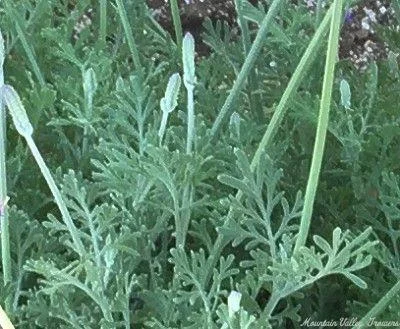
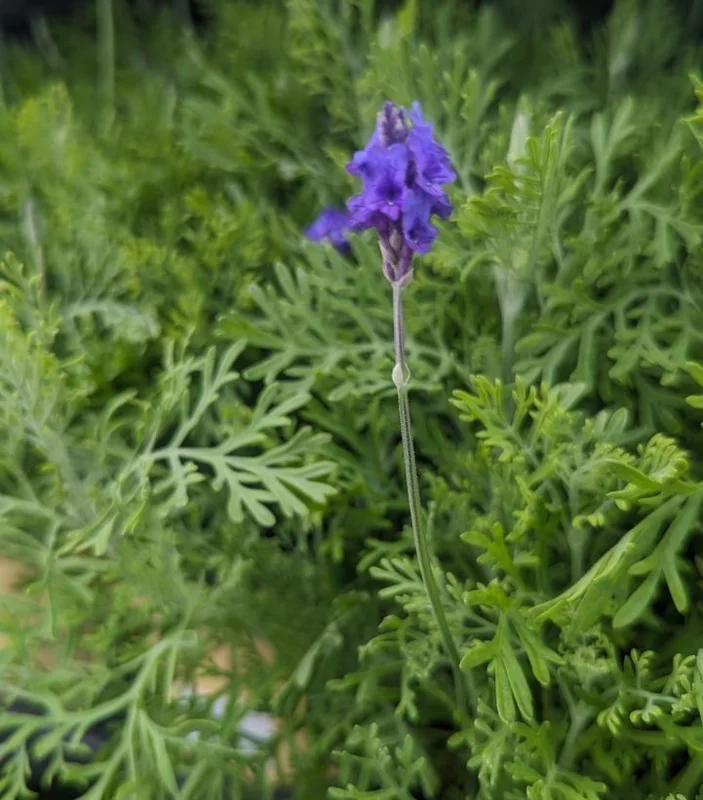
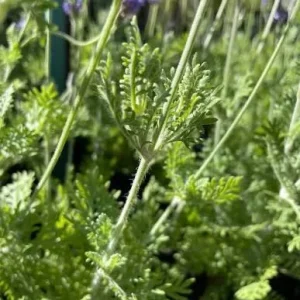
Introduce a touch of aromatic elegance to your garden or home with our exquisite fern leaf lavender live plant. These vibrant 6-11 inch seedlings are perfect for both novice and experienced gardeners, ready to be planted directly into your garden beds or a decorative pot. Known for its delicate, fern-like foliage and fragrant purple blooms, lavender is a cherished herb that offers beauty and utility. Our strong, healthy seedlings arrive ready for transplanting, ensuring a smooth transition to their new home. This particular variety, often referred to as fern leaf lavender, boasts a unique leaf structure that sets it apart from other lavenders, adding textural interest to any planting scheme. It’s an ideal choice for creating fragrant pathways, herb gardens, or simply enjoying its calming presence on a sunny windowsill.
Each fern leaf lavender live plant is carefully nurtured to develop a robust root system and multiple shoots, promising a vigorous start in your chosen environment. Lavender, scientifically known as Lavandula, is celebrated for its soothing aroma and beautiful flowers, which can be harvested for essential oils, culinary dishes, or dried arrangements. These young plants are an excellent way to begin your own lavender patch, providing fresh herbs and a delightful sensory experience. Whether you’re looking to enhance your landscape or grow your own culinary herbs, these lavender seedlings are an excellent foundation for a successful and fragrant garden.
Key Benefits
Our fern leaf lavender live plant offers a multitude of benefits, making it a highly desirable addition to any garden or home. From its aesthetic appeal to its practical applications, this herb is a true garden gem.
- Aromatic Fragrance: Enjoy the classic, calming scent of lavender that emanates from both its foliage and flowers. This natural fragrance can help create a relaxing atmosphere in your garden or indoors.
- Culinary Versatility: The flowers and leaves of lavender can be used in a variety of culinary applications, from infusing teas and desserts to seasoning savory dishes. Discover the many delicious fern leaf lavender uses.
- Attractive Foliage and Flowers: The unique fern-like leaves provide interesting texture, complementing the beautiful purple-blue flowers that bloom throughout the season, attracting pollinators like bees and butterflies.
- Drought Tolerance: Once established, lavender is remarkably drought-tolerant, requiring less water than many other garden plants, making it an eco-friendly choice for arid climates.
- Low Maintenance: This hardy herb is relatively easy to care for, thriving with minimal intervention once planted. It’s a great option for gardeners seeking beauty without constant upkeep.
- Natural Repellent: The strong scent of lavender can help deter common garden pests like mosquitoes, flies, and deer, acting as a natural protective barrier for your other plants.
- Therapeutic Properties: Beyond its fragrance, lavender is well-known for its calming and stress-reducing properties, often used in aromatherapy and herbal remedies.
Plant Care & Growing Tips
Ensuring your fern leaf lavender live plant thrives requires understanding its basic needs for sunlight, water, and soil. Lavender prefers a sunny, well-drained location to flourish, mimicking its native Mediterranean habitat. For best results, plant your seedlings in an area that receives at least 6-8 hours of direct sunlight per day. If growing indoors, place it near a south-facing window or under a grow light to provide ample light exposure. Proper sunlight is crucial for vigorous growth and abundant flowering.
Watering should be done sparingly once the plant is established. Lavender is susceptible to root rot if overwatered, so allow the soil to dry out completely between waterings. When you do water, do so deeply to encourage strong root development. For soil, a well-draining, slightly alkaline to neutral soil is ideal. Sandy or gravelly soil types are often preferred. Avoid heavy clay soils unless amended with grit or sand to improve drainage. Good air circulation around the plant is also beneficial to prevent fungal diseases. Pruning is essential for maintaining a compact shape and promoting new growth and flowering. After the first flush of blooms, trim back the spent flower stalks and about one-third of the plant’s growth to encourage a second bloom and prevent woodiness. For those interested in growing fern leaf lavender, remember that consistent light pruning will lead to a healthier, more productive plant. The USDA hardiness zones for lavender typically range from 5-9, though this can vary by specific cultivar. Protect young plants from harsh winter conditions if you are in a colder zone.
Fertilization is generally not heavily required for lavender, as it thrives in relatively lean soil. If your soil is very poor, a light application of a balanced, slow-release fertilizer in spring can be beneficial, but avoid high-nitrogen fertilizers which can promote foliage growth at the expense of flowers. Keep an eye out for common pests like aphids, though lavender’s strong scent often deters them. Good cultural practices, such as proper spacing and air circulation, will help prevent most issues. Understanding these aspects of fern leaf lavender care will ensure a beautiful and fragrant addition to your garden.
Size & Details
Each fern leaf lavender live plant arrives as a healthy seedling, typically measuring between 6 to 11 inches in height from the base of the plant to the top of its foliage. These young plants are carefully cultivated to ensure a strong root system, ready for successful transplanting into your garden or a larger container. They are shipped with their roots protected, often in a small nursery pot or with their root ball wrapped to maintain moisture during transit. Upon arrival, these seedlings are ready to be planted, allowing you to quickly establish your lavender patch. The mature size of a fern leaf lavender plant can vary depending on growing conditions, but generally, it will reach a height and spread of about 18-24 inches, forming a compact, bushy mound.
With proper care, these plants will begin to produce their characteristic fragrant blooms within their first growing season, typically from late spring through summer. The growth rate is moderate, allowing the plant to establish itself well within the first year. These lavender herb plant seedlings are an excellent starting point for creating a fragrant border, a dedicated herb garden, or for adding to mixed perennial beds. The 4-inch diameter area mentioned in the original description refers to the approximate pot size or spread of the plant when it is a seedling, indicating a healthy, ready-to-grow specimen.
Frequently Asked Questions
- Q: How big does this plant get? A: This fern leaf lavender live plant typically grows to a mature size of about 18-24 inches in height and spread, forming an attractive, mounding shrub. The seedlings arrive at 6-11 inches tall, ready for planting.
- Q: Is this an indoor or outdoor plant? A: While lavender is primarily an outdoor plant, it can be grown indoors in a pot on a sunny windowsill, provided it receives ample direct sunlight (at least 6-8 hours daily). It thrives outdoors in full sun.
- Q: How much sunlight does it need? A: For optimal growth and flowering, your fern leaf lavender live plant requires a minimum of 6-8 hours of direct sunlight per day. Full sun exposure is highly recommended.
- Q: Is this plant easy to care for? A: Yes, lavender is generally considered easy to care for, especially once established. It is drought-tolerant and prefers well-draining soil, making fern leaf lavender care relatively straightforward for most gardeners.
- Q: What condition will it arrive in? A: Your lavender seedling will arrive as a live, healthy plant, typically 6-11 inches tall, with its roots carefully protected to ensure viability during shipping. It will be ready for immediate planting.
- Q: Can I use fern leaf lavender in cooking? A: Absolutely! The flowers and sometimes the leaves of lavender, including the fern leaf variety, are popular in culinary arts for flavoring baked goods, teas, and savory dishes. Explore the various fern leaf lavender uses in your kitchen.
- Q: How long until it blooms? A: With proper care and sufficient sunlight, your fern leaf lavender live plant should begin to produce its fragrant purple blooms within its first growing season after planting, typically in late spring to summer.
- Q: What’s the best time to plant these seedlings? A: The best time for growing fern leaf lavender from seedlings is in the spring after the last frost, or in early fall in warmer climates, allowing the roots to establish before extreme temperatures.
- Q: Will it survive winter in my zone? A: Lavender varieties, including fern leaf, typically thrive in USDA Hardiness Zones 5-9. In colder zones, it may require winter protection or can be grown as an annual or in containers brought indoors.
- Q: What type of soil does it prefer? A: Lavender prefers well-draining, sandy, or gravelly soil with a slightly alkaline to neutral pH. Avoid heavy clay soils that retain too much moisture, as this can lead to root rot.
Related products
-67%
Original price was: $75.72.$25.24Current price is: $25.24.
-10%
Original price was: $65.00.$58.50Current price is: $58.50.
-10%
Original price was: $11.99.$10.79Current price is: $10.79.
-30%
Original price was: $99.98.$69.98Current price is: $69.98.
-49%
Original price was: $60.99.$30.99Current price is: $30.99.
-50%
Original price was: $107.96.$53.98Current price is: $53.98.
-37%
Original price was: $15.96.$9.98Current price is: $9.98.
-30%
Original price was: $59.98.$41.98Current price is: $41.98.
PLANTING & CARE
How to Grow Persian Silk Trees Easily in Your Garden
If you’re looking for a tree that brings a soft, tropical feel to your garden,
04
Aug
Aug
How to Grow Blue Java Banana Trees: A Beginner’s Guide
Have you ever heard of the Blue Java banana tree? If not, you’re in for
28
Jun
Jun
5 Common Blue Java Banana Tree Problems and How to Fix Them
Have you ever looked at your Blue Java banana tree (aka “ice cream banana”) and
19
Jun
Jun
Top 10 Plants for Father’s Day to Honor Dad This Father’s Day
Father’s Day is a special time to show your dad just how much he means
19
Jun
Jun
The Comprehensive Guide to Growing Bougainvillea for Colorful Blooms
Have you ever wanted your garden to be filled with brilliant color and tropical energy
19
Jun
Jun
How to Successfully Plant Bare Root Strawberries in Containers
Have you ever wondered about planting strawberries in containers, but aren’t sure where to begin?
11
Jun
Jun
Top 5 Easiest Ornamental Trees to Grow for Beginners
Ever feel overwhelmed by the idea of planting a tree in your yard? You’re not
11
Jun
Jun

Growing Glencoe Raspberry: A Complete Guide for Gardeners
If you’re looking to add something unique to your garden, look no further than the
31
Mar
Mar