Fiddle Leaf Fig Live Plant – Ficus Lyrata Indoor Houseplant, 24-36″ Tall, 2 Gallon Pot

Fiddle Leaf Fig Live Plant – Ficus Lyrata Indoor Houseplant, 24-36″ Tall, 2 Gallon Pot
Elevate your home decor with the iconic fiddle leaf fig live plant. This substantial indoor fiddle leaf fig, standing 24-36 inches tall in a 2-gallon pot, features dramatic, violin-shaped leaves that create an instant focal point. Renowned for its aesthetic appeal and air-purifying qualities, it’s a favorite large leaf houseplant for modern interiors.
$0.00

With our Alive & Thrive Guarantee, we’ve got your back for the first 30 days! If you have any concerns about your plants, just reach out to us. Our team is here to help answer your questions and guide you in selecting the best plants for your garden, climate, and unique preferences. We're excited to help you create the garden of your dreams!
Estimated arrival
Jun 01
Jun 06 - Jun 08
Jun 11 - Jun 15

Product Details
-
USDA Hardiness Zone
USDA zones 9–11 (outdoors), year-round indoors -
Soil type
Well-draining potting mix -
Sunlight Exposure
Bright, indirect light -
Expected Planting Period
Year-round indoors
Overview
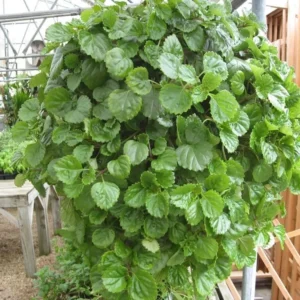
Transform your living space with the iconic fiddle leaf fig live plant, a true statement piece for any interior design. Renowned for its dramatic, broad, and deeply veined leaves that resemble a fiddle or violin, Ficus lyrata is a highly sought-after houseplant. Originating from the lowland rainforests of western Africa, this majestic plant brings a touch of tropical grandeur indoors. Its impressive stature and lush foliage make it an instant focal point, adding natural beauty and a vibrant green hue to your home or office. The fiddle leaf fig live plant is more than just a decorative item; it’s a living sculpture that enhances the ambiance of any room. Its popularity stems from its unique aesthetic appeal and its ability to thrive as an indoor specimen, provided the right conditions are met. This plant is ideal for creating a sophisticated and natural environment.
This particular fiddle leaf fig live plant comes ready to enhance your home, offering a substantial presence from day one. It’s carefully cultivated to ensure a healthy start in its new environment, promising robust growth and long-lasting beauty. The captivating form of the fiddle leaf fig live plant makes it a favorite among interior decorators and plant lovers alike, offering a sophisticated touch that complements various decor styles, from minimalist to bohemian. With its striking appearance and relatively straightforward care, it’s an excellent choice for anyone looking to make a bold botanical statement.
Key Benefits
Beyond its aesthetic appeal, the fiddle leaf fig live plant offers several benefits that make it a valuable addition to your home or office. Its large leaves contribute to a healthier indoor environment and create a calming atmosphere, showcasing the many fiddle leaf fig benefits.
- Stunning Aesthetic Appeal: The primary benefit of the fiddle leaf fig live plant is its undeniable beauty. Its large, glossy, dark green leaves are uniquely shaped, making it a natural focal point and a sophisticated addition to any room’s decor. It instantly elevates the style of a space.
- Air Purification: Like many houseplants, the fiddle leaf fig live plant contributes to improved indoor air quality. Its large leaf surface area helps to filter out common airborne toxins, promoting a fresher and healthier living environment. This makes your home a more pleasant place to be.
- Architectural Statement: With its upright growth habit and bold foliage, the fiddle leaf fig live plant acts as a living piece of art. It can fill empty corners, define spaces, and add vertical interest, providing an architectural element that few other plants can match.
- Stress Reduction: Studies suggest that having plants indoors can help reduce stress and improve mood. The presence of the fiddle leaf fig live plant can create a more serene and natural environment, fostering a sense of well-being and tranquility.
- Enhanced Interior Design: The indoor fiddle leaf fig is a favorite among interior designers for its ability to complement various decor styles. Whether your home is modern, traditional, or eclectic, this plant adds a touch of natural sophistication and elegance. The large leaf houseplant truly makes a difference.
- Relatively Low Maintenance (Once Established): While it has a reputation for being finicky, once you understand its basic needs, Ficus lyrata care is quite manageable. It prefers consistency, and with proper light and watering, it can thrive for many years, rewarding you with continuous growth.
- Impressive Growth Potential: With optimal conditions, the fiddle leaf fig live plant can grow quite tall indoors, potentially reaching heights of 6-10 feet or more, making it an even more dramatic and impactful feature in your home.
Plant Care & Growing Tips
Proper Ficus lyrata care is crucial for the health and longevity of your fiddle leaf fig live plant. While it can be a bit particular, understanding its needs will ensure it flourishes and becomes a magnificent feature in your home. The most important factor for a thriving indoor fiddle leaf fig is consistent care and the right environmental conditions.
Sunlight Requirements: The fiddle leaf fig live plant thrives in bright, indirect light. Place it near a window where it can receive several hours of bright, filtered sunlight each day, such as an east-facing window or a south or west-facing window with a sheer curtain. Avoid direct, harsh afternoon sun, which can scorch its leaves. Conversely, too little light can lead to stunted growth and leaf drop. Rotate your plant every few weeks to ensure even growth and light exposure on all sides of the plant. A well-lit spot is key for a happy large leaf houseplant.
Watering Schedule & Soil Moisture: Water your fiddle leaf fig live plant thoroughly when the top 2-3 inches of soil feel dry to the touch. It’s better to slightly underwater than to overwater, as root rot is a common issue. Ensure the pot has drainage holes to prevent water from sitting at the bottom. Allow excess water to drain completely before returning the plant to its spot. Reduce watering frequency in winter when the plant’s growth slows down. Consistency is vital for successful Ficus lyrata care.
Soil Type & Drainage: Use a well-draining potting mix that retains some moisture but doesn’t become waterlogged. A mix formulated for houseplants or a general potting mix amended with perlite or coarse sand for improved drainage works well. Repot your plant every 1-2 years, or when it becomes root-bound, to refresh the soil and provide room for growth.
Temperature & Humidity: The fiddle leaf fig live plant prefers consistent temperatures between 65-75°F (18-24°C) and dislikes sudden temperature fluctuations or cold drafts. It also appreciates high humidity, mimicking its native rainforest environment. You can increase humidity by misting the leaves regularly, using a pebble tray, or placing a humidifier nearby. This is especially important for the indoor fiddle leaf fig during dry winter months.
Fertilization: Feed your fiddle leaf fig live plant with a balanced liquid fertilizer diluted to half strength every 2-4 weeks during the growing season (spring and summer). Reduce or cease fertilization during fall and winter when the plant is dormant. Over-fertilization can harm the plant, so always follow product instructions carefully.
Common Problems & Solutions: Yellowing or dropping leaves can indicate overwatering or underwatering. Brown spots often point to too much direct sun or inconsistent watering. Pests like spider mites or mealybugs can be treated with insecticidal soap. Regular inspection and prompt action are part of good Ficus lyrata care. Ensure you understand the specific needs for fiddle leaf fig benefits to maximize its health.
Size & Details
This fiddle leaf fig live plant is provided in a 2-gallon nursery pot, offering a robust and established plant ready for immediate display or repotting into a decorative container. At the time of shipment, the plant typically stands approximately 24-36 inches tall from the base of the pot, with a healthy spread of lush, vibrant leaves. The exact dimensions may vary slightly due to natural growth patterns, but each plant is carefully selected to ensure quality and vigor. This size makes it an impressive addition to any room, capable of making a significant visual impact without being overwhelming.
The indoor fiddle leaf fig is known for its relatively fast growth rate under optimal conditions, often adding several inches of height per year. With proper Ficus lyrata care, you can expect this plant to mature into a magnificent specimen, potentially reaching heights of 6 to 10 feet or more indoors over several years. It is shipped in its nursery pot with soil, ensuring minimal shock upon arrival and allowing for a smooth transition into your home environment. The large, violin-shaped leaves can grow up to 18 inches long and 12 inches wide, making it a truly grand large leaf houseplant.
Frequently Asked Questions
- Q: How big does this plant get indoors? A: A fiddle leaf fig live plant can typically reach heights of 6 to 10 feet indoors with proper care, though some exceptional specimens can grow even taller. Its growth rate depends on light, watering, and feeding.
- Q: Is this an indoor or outdoor plant? A: While Ficus lyrata can grow outdoors in tropical climates (USDA zones 9-11), it is primarily cultivated as an indoor fiddle leaf fig in most regions due to its sensitivity to cold temperatures. It thrives as a houseplant.
- Q: How much sunlight does it need? A: The fiddle leaf fig live plant requires bright, indirect light for at least 6-8 hours a day. Avoid direct afternoon sun, which can burn its leaves, and too little light, which can cause leaf drop.
- Q: Is this plant easy to care for? A: The fiddle leaf fig live plant has a reputation for being somewhat finicky, but with consistent Ficus lyrata care and the right environment, it can be quite manageable. It prefers stability and dislikes sudden changes.
- Q: What condition will it arrive in? A: Your fiddle leaf fig live plant will arrive carefully packaged in its 2-gallon nursery pot with soil, ensuring it is well-protected and hydrated during transit. It’s normal for plants to experience some minor stress from shipping.
- Q: What’s the best way to water my fiddle leaf fig? A: Water thoroughly when the top 2-3 inches of soil are dry. Allow excess water to drain completely. Overwatering is a common issue, so ensure good drainage.
- Q: Why are the leaves on my fiddle leaf fig turning brown? A: Brown spots or edges on your large leaf houseplant can indicate several issues, including overwatering, underwatering, too much direct sunlight, or low humidity. Assess your watering schedule and light conditions.
- Q: Is the fiddle leaf fig pet-safe? A: No, the fiddle leaf fig live plant is considered toxic to pets if ingested, as its sap can cause irritation. It’s best to keep it out of reach of curious animals.
- Q: How often should I fertilize my fiddle leaf fig? A: Fertilize your fiddle leaf fig live plant with a balanced liquid fertilizer diluted to half strength every 2-4 weeks during its active growing season (spring and summer). Reduce or stop feeding in fall and winter.
- Q: What are the main fiddle leaf fig benefits? A: Beyond its stunning visual appeal, the fiddle leaf fig live plant can help improve indoor air quality, act as a significant architectural element in design, and contribute to a more calming indoor environment.
Related products
-35%
Original price was: $72.52.$47.14Current price is: $47.14.
PLANTING & CARE
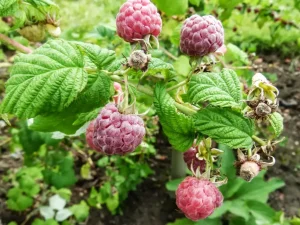
Growing Glencoe Raspberry: A Complete Guide for Gardeners
If you’re looking to add something unique to your garden, look no further than the
31
Mar
Mar

The Comprehensive Guide to Growing Bay Leaf Plants for a Flavorful Garden
Imagine stepping into your garden, greeted by the earthy aroma of fresh bay leaves, their
09
Feb
Feb

How to Make Comfrey Tea: The Ultimate Organic Plant Food
Growing an organic garden can be surprisingly expensive, especially when most store-bought fertilizers come in
02
Feb
Feb

True Comfrey: 7 Essential Tips Before You Plant This Herb
A staple in permaculture practices across the US, True Comfrey easily earns its reputation as
27
Jan
Jan

7 Heart-Shaped Plants for a Lasting Valentine’s Gift
If you’ve ever bought a bouquet of roses for Valentine’s Day, you know they are
26
Jan
Jan

Best Types of Ivy Plant for Houses: How to Choose the Perfect Ones for Your Home
Are you a garden lover looking to introduce some greenery into your home? Maybe you’ve
14
Nov
Nov

When to Harvest Garlic (Especially Fall-Planted Garlic)
TIMING IS EVERYTHING, they say – and for garlic, that truth hits with surprising accuracy.
13
Nov
Nov

11 of the Best Sweet Potato Varieties to Grow for Your Garden
If you’ve ever tried growing sweet potatoes, you know that picking the right variety can
12
Nov
Nov