Himalayan Blue Poppy Seeds – Meconopsis Perennial Flower Seeds – 50000 Count
Himalayan Blue Poppy Seeds – Meconopsis Perennial Flower Seeds – 50000 Count
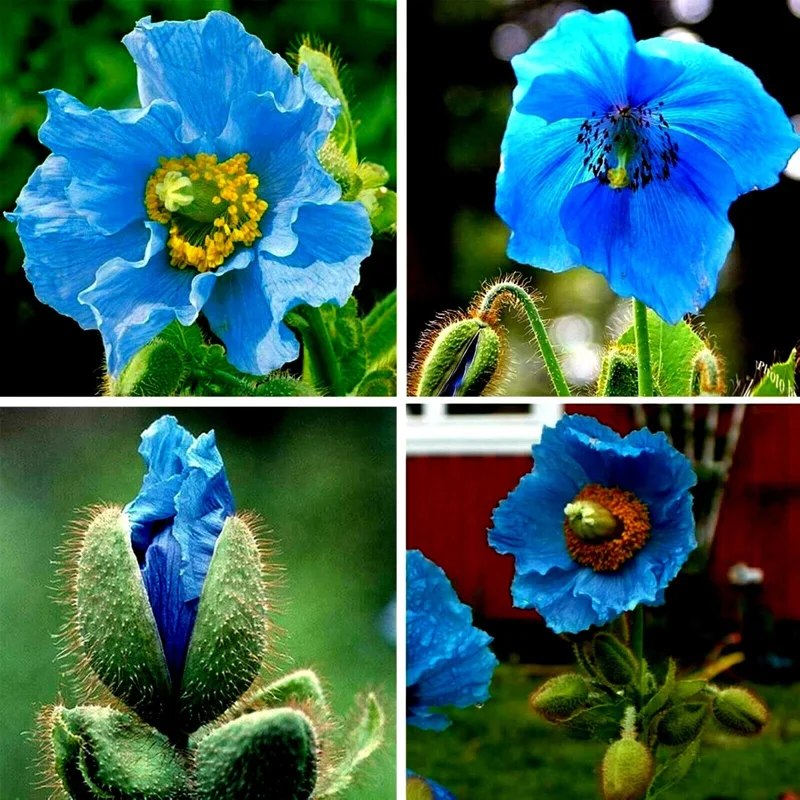
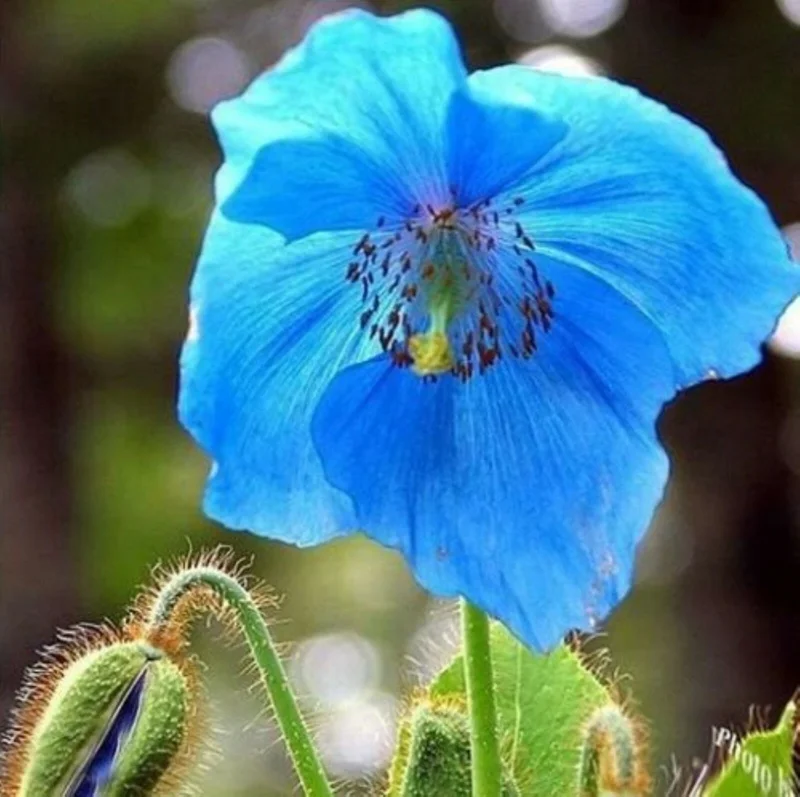
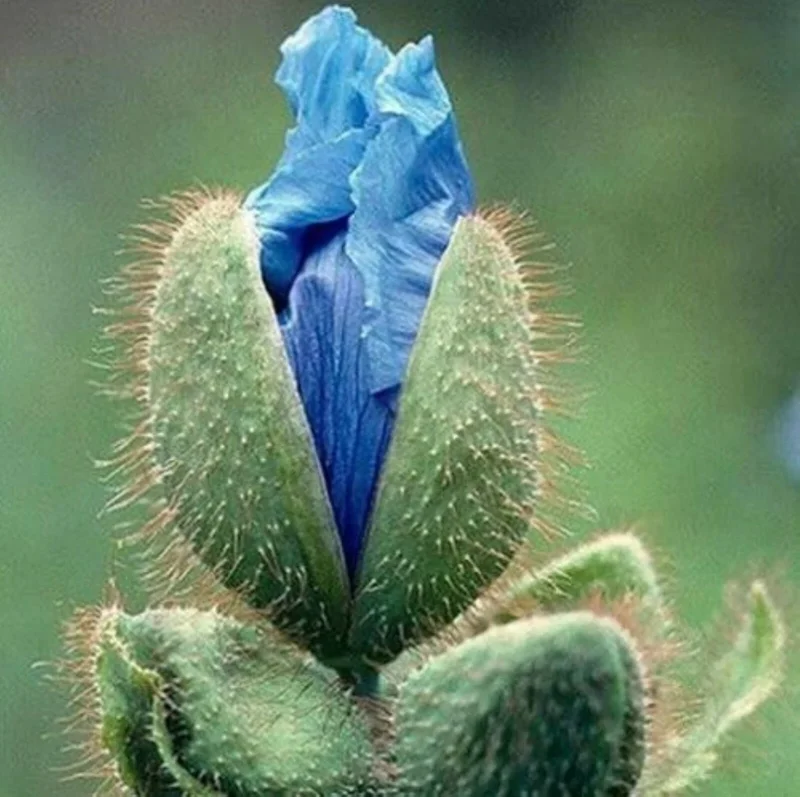
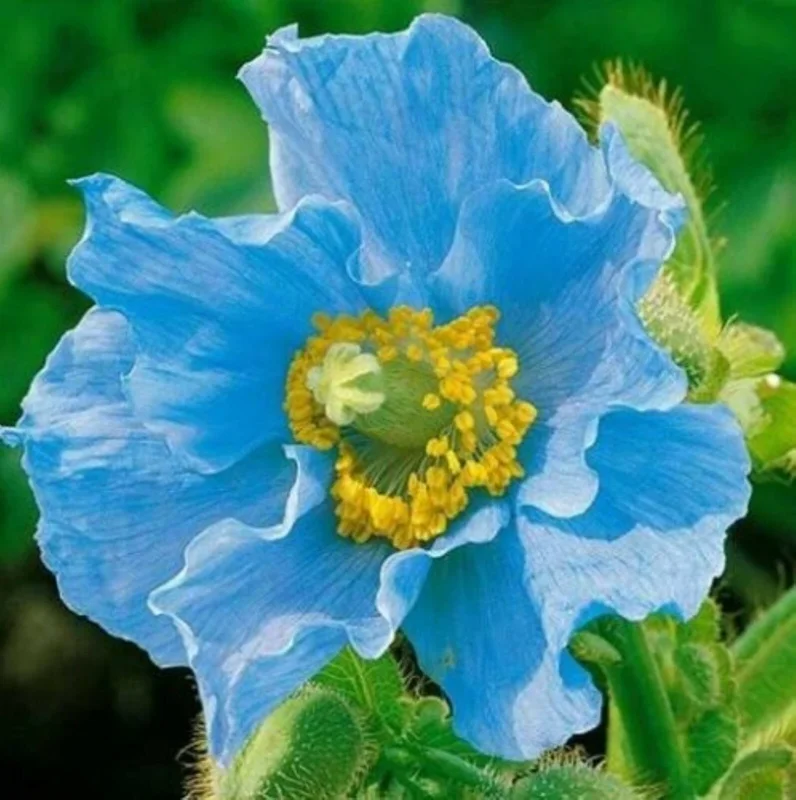
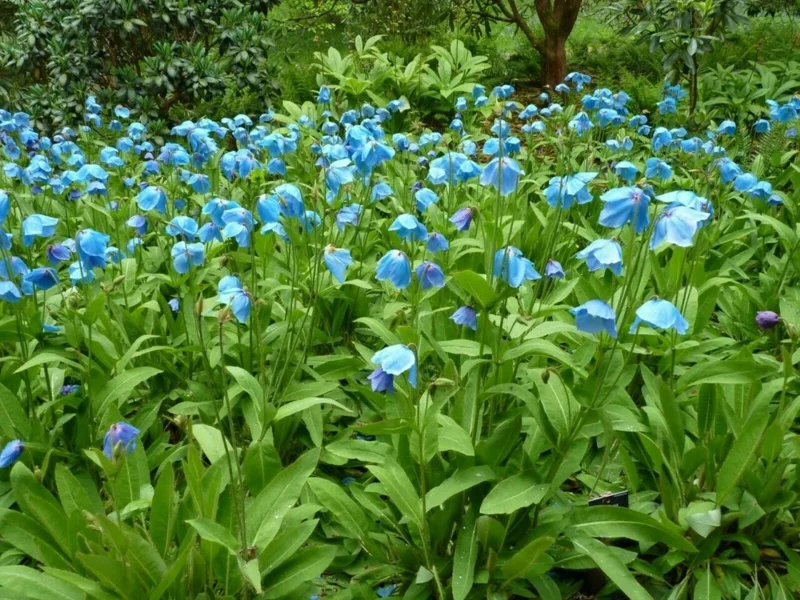
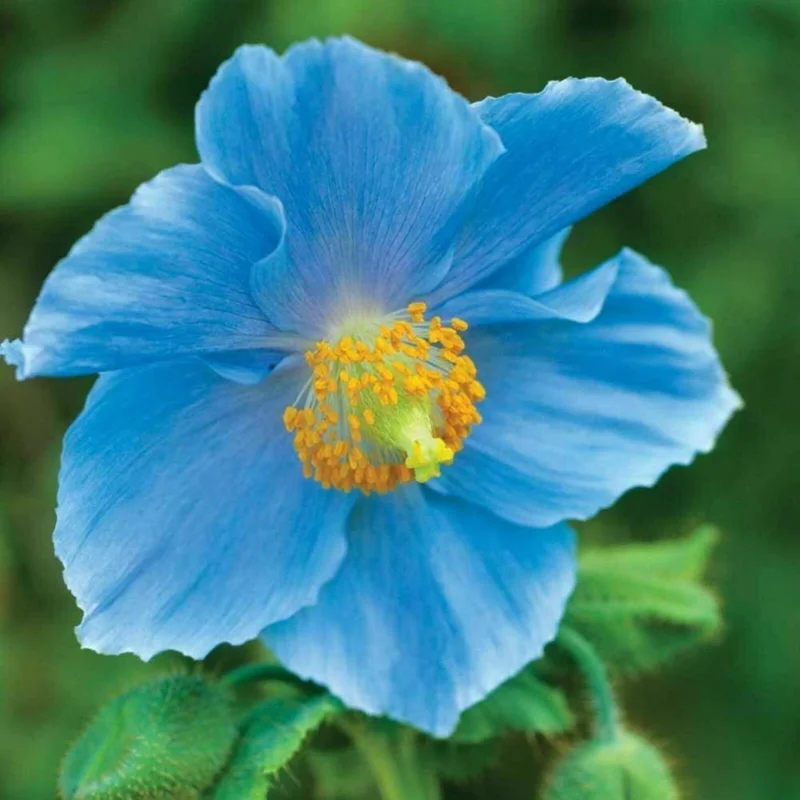
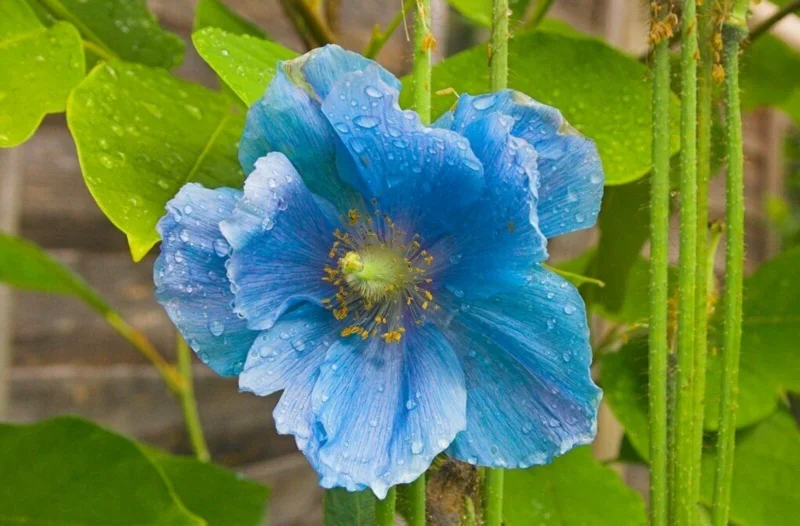
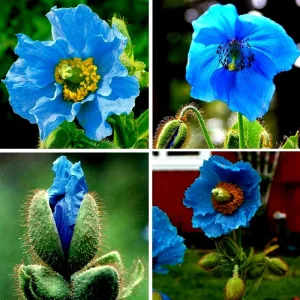
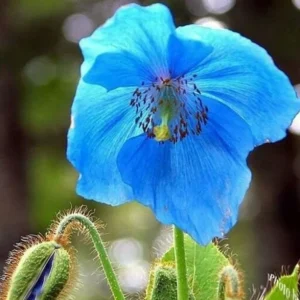
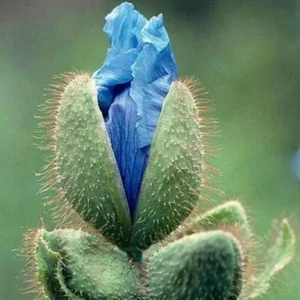
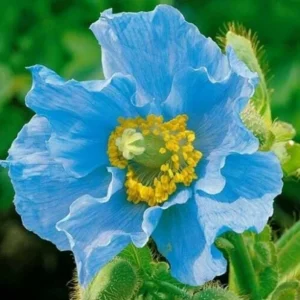
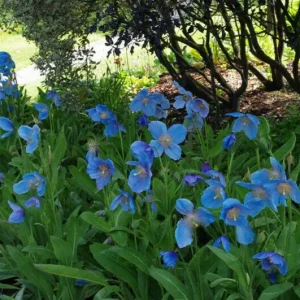
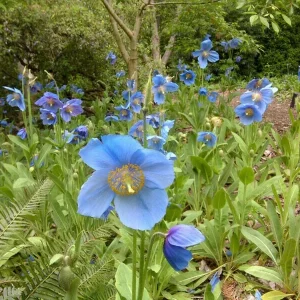
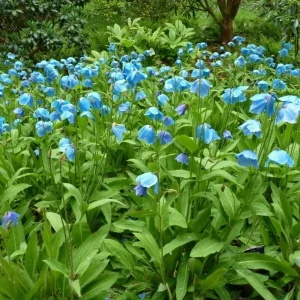
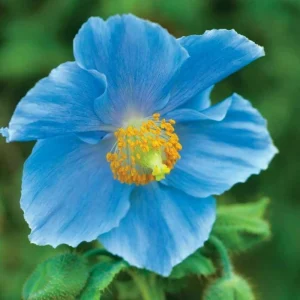
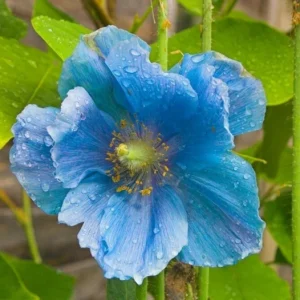
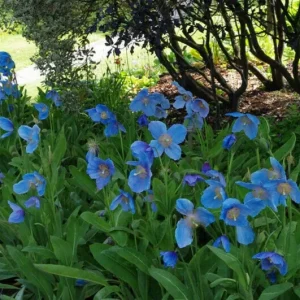
Cultivate breathtaking beauty with Himalayan Blue Poppy seeds. These Meconopsis perennial seeds produce stunning, rare blue flowers, ideal for shaded garden beds. Enjoy the elegance of these unique blooms year after year.
$4.56

With our Alive & Thrive Guarantee, we’ve got your back for the first 30 days! If you have any concerns about your plants, just reach out to us. Our team is here to help answer your questions and guide you in selecting the best plants for your garden, climate, and unique preferences. We're excited to help you create the garden of your dreams!
Estimated arrival
Oct 08
Oct 13 - Oct 15
Oct 18 - Oct 22

Product Details
-
USDA Hardiness Zone
USDA Zones 3-7 -
Soil type
Rich, consistently moist, well-draining soil -
Sunlight Exposure
Partial shade -
Expected Planting Period
Start indoors 4-6 weeks before last frost
Overview
Embark on a captivating gardening journey with our premium Himalayan Blue Poppy seeds. These exquisite seeds, derived from the botanical genus Meconopsis, promise to transform your garden into a serene haven with their iconic, sky-blue blooms. Originating from the majestic Himalayan regions, these poppies are celebrated for their unparalleled beauty and delicate charm. Unlike common poppies, these Meconopsis perennial seeds offer a truly unique floral experience, producing large, saucer-shaped flowers in an ethereal shade of blue. Ideal for both seasoned gardeners and enthusiastic beginners, these seeds provide an opportunity to grow a truly remarkable perennial flower that will be the envy of your neighborhood. Prepare to witness a spectacle of nature as these rare and beautiful plants unfurl their petals, adding a touch of elegance and wonder to any landscape. Growing Himalayan Blue Poppy seeds is a rewarding endeavor that brings a piece of mountain magic to your home.
The Meconopsis genus encompasses a variety of stunning blue poppies, and these particular seeds are selected to ensure you receive the finest quality for successful cultivation. Known for their striking color and graceful form, these poppies are often considered a gardener’s prize. They are a fantastic choice for creating visually stunning borders, woodland gardens, or as a focal point in a shaded perennial bed. With the right care and attention, these blue poppy flower seeds will germinate and grow into magnificent specimens, providing years of enjoyment. Their distinctive appearance and relatively challenging but rewarding growth make them a cherished project for anyone passionate about floriculture. Bring the serene beauty of the Himalayas directly to your garden with these exceptional seeds.
Key Benefits
Our Himalayan Blue Poppy seeds offer a multitude of benefits, making them a desirable choice for any garden enthusiast looking to add a touch of rare beauty and elegance to their outdoor space. Cultivating these unique flowers provides a deeply satisfying experience as you watch them transform from tiny seeds into magnificent blooms.
- Stunning Blue Blooms: The primary allure of these poppies is their ethereal, vibrant blue color, a rare hue in the plant kingdom. These large, captivating flowers create a breathtaking visual impact, becoming an instant focal point in any garden setting, truly showcasing the beauty of Himalayan Blue Poppy seeds.
- Perennial Beauty: As Meconopsis perennial seeds, these plants return year after year, providing continuous beauty with minimal effort once established. Enjoy their magnificent display season after season without the need for replanting.
- Unique Garden Addition: Stand out from typical garden varieties with these distinctive Himalayan Blue Poppies. Their unique appearance and rarity make them a conversation starter and a prized possession for collectors and enthusiasts.
- Attracts Pollinators: While subtle, the delicate blooms can attract beneficial pollinators like bees, contributing to a healthier and more vibrant garden ecosystem. They add ecological value while enhancing aesthetic appeal.
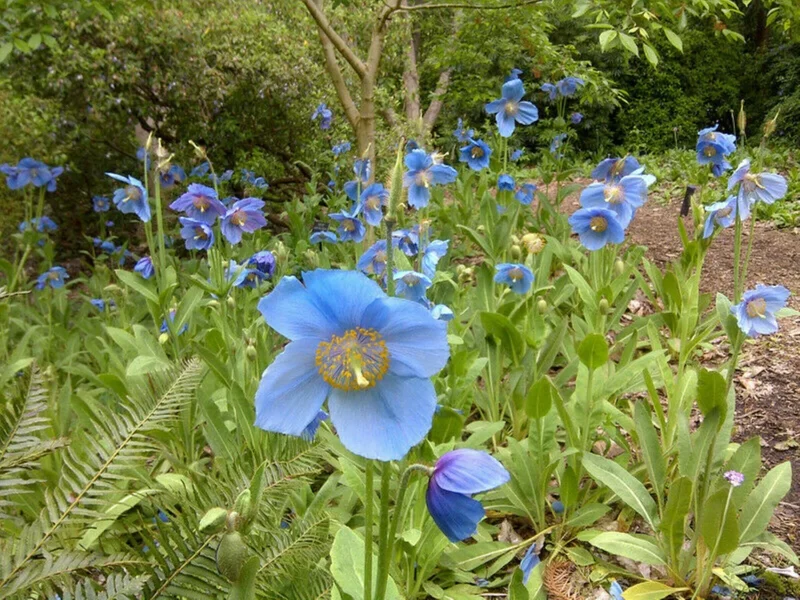
- Shade Garden Elegance: Unlike many sun-loving flowers, these perennial flower seeds thrive in partial shade, making them perfect for illuminating darker corners of your garden or woodland settings. They bring light and color to areas where other plants might struggle.
- Rewarding Cultivation: Growing these Himalayan Blue Poppy seeds can be a challenging yet incredibly rewarding experience. The satisfaction of nurturing such a magnificent and rare plant from seed to bloom is immense for any dedicated gardener who wants to grow blue poppies.
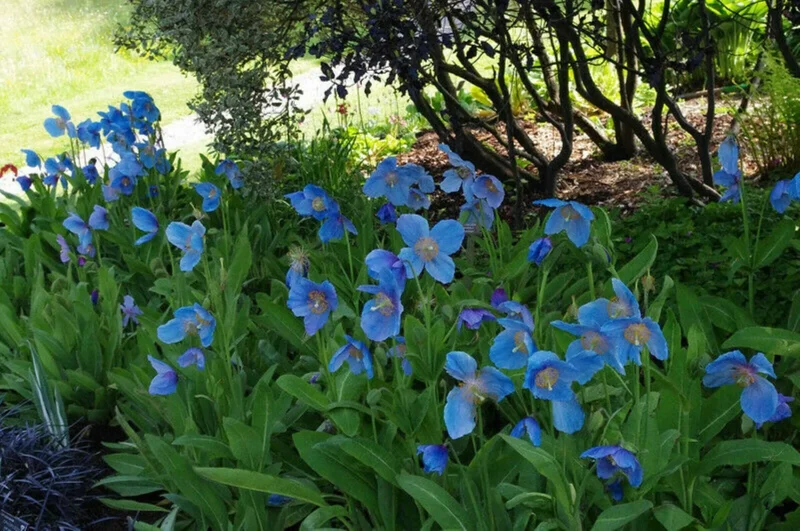
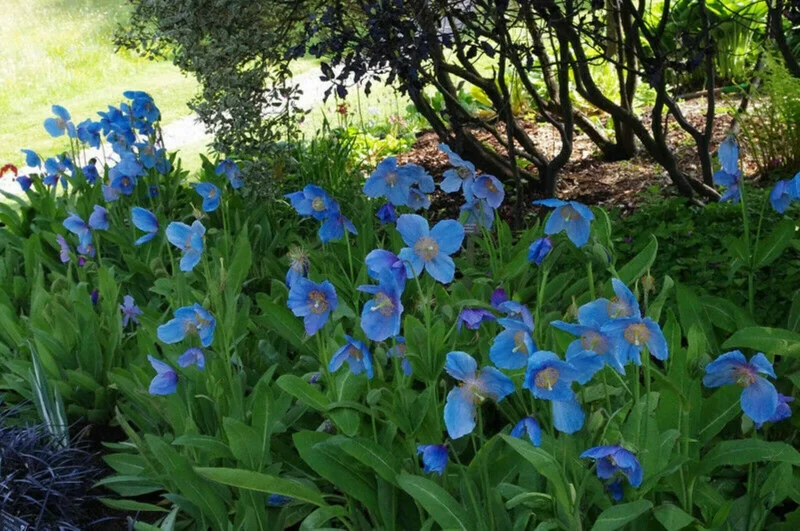
- Versatile Landscaping: Whether used in mass plantings, as specimen plants, or integrated into mixed perennial beds, these poppies offer versatile landscaping options. They blend beautifully with ferns, hostas, and other shade-loving plants.
Plant Care & Growing Tips
Successfully growing Himalayan Blue Poppy seeds requires attention to specific environmental conditions, but the reward of their stunning blooms is well worth the effort. These plants prefer a moderate climate and thrive in conditions that mimic their native mountain habitats. Start your Himalayan Blue Poppy seeds indoors about 4-6 weeks before the last frost date. Use a good quality seed-starting mix that is well-draining yet retains moisture. Sow seeds thinly on the surface of the soil and do not cover them, as they require light for germination. Keep the soil consistently moist but not waterlogged, and maintain a cool temperature, ideally between 50-60°F (10-15°C).
Once seedlings are robust enough to handle, transplant them carefully into individual pots. When transplanting outdoors, choose a location with partial shade, especially protection from hot afternoon sun. A north or east-facing spot is often ideal. The soil should be rich in organic matter, consistently moist, and have excellent drainage. A slightly acidic to neutral soil pH (6.0-7.0) is preferred. Incorporate compost or well-rotted leaf mold into the planting area to improve soil structure and fertility. Watering should be regular, ensuring the soil never dries out completely, particularly during dry spells. Avoid overhead watering to prevent fungal diseases. Fertilize sparingly with a balanced, slow-release granular fertilizer or a liquid feed at half strength during the growing season. Protecting young plants from slugs and snails is crucial, as they can cause significant damage. With proper care, you can successfully grow blue poppies that will mesmerize with their vibrant color.
These perennial flower seeds are known for their preference for cooler temperatures and high humidity. In warmer climates, it can be challenging to maintain the ideal conditions, so consider growing them in containers that can be moved to cooler, shadier spots during heatwaves. Deadhead spent flowers to encourage more blooms and prevent self-seeding if you wish to control their spread. In colder regions, a layer of mulch applied in late fall can help protect the crowns from harsh winter conditions. While they are generally hardy, good air circulation is important to prevent powdery mildew. By following these detailed care instructions, your Meconopsis perennial seeds will flourish, providing an abundance of breathtaking blue flowers. Remember that patience is key when cultivating these unique plants, but the beauty they bring to your garden makes every effort worthwhile.
Size & Details
These Himalayan Blue Poppy seeds are supplied as high-quality, viable seeds for you to start your own plants. Each packet contains a generous quantity, allowing for ample germination and cultivation. Once established, mature plants typically reach a height of 18 to 36 inches (45-90 cm) and a spread of 12 to 18 inches (30-45 cm), forming attractive clumps of foliage topped with their magnificent blue flowers. The growth rate is moderate, with blooms generally appearing in late spring to early summer, depending on planting time and climate conditions. The plants exhibit a clumping growth habit, making them suitable for borders or mass plantings. They are shipped as dry seeds, ready for planting according to the provided instructions. These blue poppy flower seeds offer the chance to cultivate a truly special garden feature.
Frequently Asked Questions
- Q: How big do Himalayan Blue Poppy plants get? A: Mature Himalayan Blue Poppy seeds plants typically reach a height of 18 to 36 inches (45-90 cm) and spread about 12 to 18 inches (30-45 cm), creating a substantial and beautiful presence in the garden.
- Q: Is this an indoor or outdoor plant? A: While they can be started indoors, Himalayan Blue Poppy seeds are primarily grown as outdoor garden plants, thriving in partial shade conditions. They are best suited for garden beds, woodland areas, or large containers outdoors.
- Q: How much sunlight does it need? A: These poppies prefer partial shade, especially protection from intense afternoon sun. Morning sun with afternoon shade is ideal to ensure healthy growth and vibrant blooms.
- Q: Is this plant easy to care for? A: Growing Meconopsis perennial seeds can be moderately challenging, as they require specific conditions like cool temperatures, consistent moisture, and rich, well-draining soil. However, with proper care, they are incredibly rewarding. Learning to grow blue poppies is a satisfying endeavor.
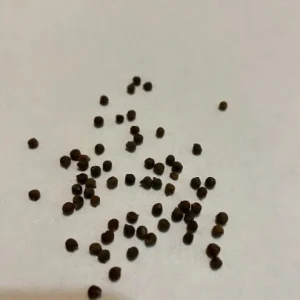
- Q: What condition will the seeds arrive in? A: The blue poppy flower seeds will arrive as dry, viable seeds in protective packaging, ready for you to begin the germination process according to the instructions.
- Q: How long until it blooms? A: From seed, it typically takes one to two years for Himalayan Blue Poppies to establish and begin flowering. Once established, they will bloom annually in late spring to early summer.
- Q: When is the best time to plant these seeds? A: The best time to start these perennial flower seeds indoors is 4-6 weeks before the last expected frost. Outdoor planting of seedlings should occur after all danger of frost has passed.
- Q: Will it survive winter in my zone? A: Himalayan Blue Poppies are perennial in USDA Zones 3-7, meaning they can survive winter in these regions. In warmer zones, special care may be needed to protect them from excessive heat.
- Q: What type of soil is best for these poppies? A: They thrive in rich, consistently moist, well-draining soil that is high in organic matter. A slightly acidic to neutral pH is preferred for optimal growth.
- Q: Can I grow blue poppies in containers? A: Yes, you can grow blue poppies in containers, especially if you need to move them to protect them from harsh weather or to optimize their light exposure. Ensure containers are large enough and have good drainage.
Related products
-50%
From Original price was: $63.60.$31.80Current price is: $31.80.
-50%
Original price was: $47.96.$23.98Current price is: $23.98.
-50%
Original price was: $7.98.$3.98Current price is: $3.98.
-50%
Original price was: $23.96.$11.98Current price is: $11.98.
-50%
Original price was: $23.96.$11.98Current price is: $11.98.
-50%
Original price was: $23.96.$11.98Current price is: $11.98.
-50%
Original price was: $23.96.$11.98Current price is: $11.98.
-50%

Original price was: $23.96.$11.98Current price is: $11.98.
PLANTING & CARE
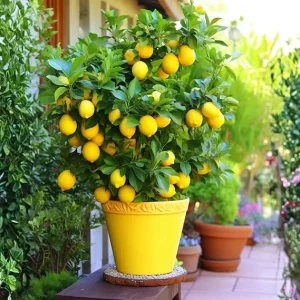
Lemon Tree Growing: Choose, Plant, and Harvest
Learn how to choose, plant, feed, and protect a lemon tree so it fits your
23
Sep
Sep
Dwarf Meyer Lemon Tree Australia: Climate Guide
Learn where dwarf Meyer lemon trees grow, how much cold they tolerate, and whether Australia,
Where to Buy a Dwarf Meyer Lemon Tree: Buyer’s Guide
Find the right dwarf Meyer lemon tree online or locally, compare starter sizes and costs,
Dwarf Meyer Lemon Tree for Sale: Buying Guide
Compare Meyer lemon tree sizes, prices, shipping limits, indoor growing and California options before you
Dwarf Meyer Lemon Tree Guide: Size, Care and Fruit
META: Learn how large a dwarf Meyer lemon tree grows, where it thrives, and how
How to Prune a Dwarf Meyer Lemon Tree
Learn when and how to prune a dwarf Meyer lemon tree, including tools, shaping cuts,
Can You Grow a Dwarf Meyer Lemon Tree in a Pot?
META: Learn how to grow a dwarf Meyer lemon tree in a pot, including container
When Do Dwarf Meyer Lemon Trees Bloom and Fruit?
META: Dwarf Meyer lemon trees usually bloom from winter through spring and may flower again