Foster Holly Live Plant – Evergreen Tree Seedling 6-12″ Tall – Outdoor Shrub
-30%
Foster Holly Live Plant – Evergreen Tree Seedling 6-12″ Tall – Outdoor Shrub
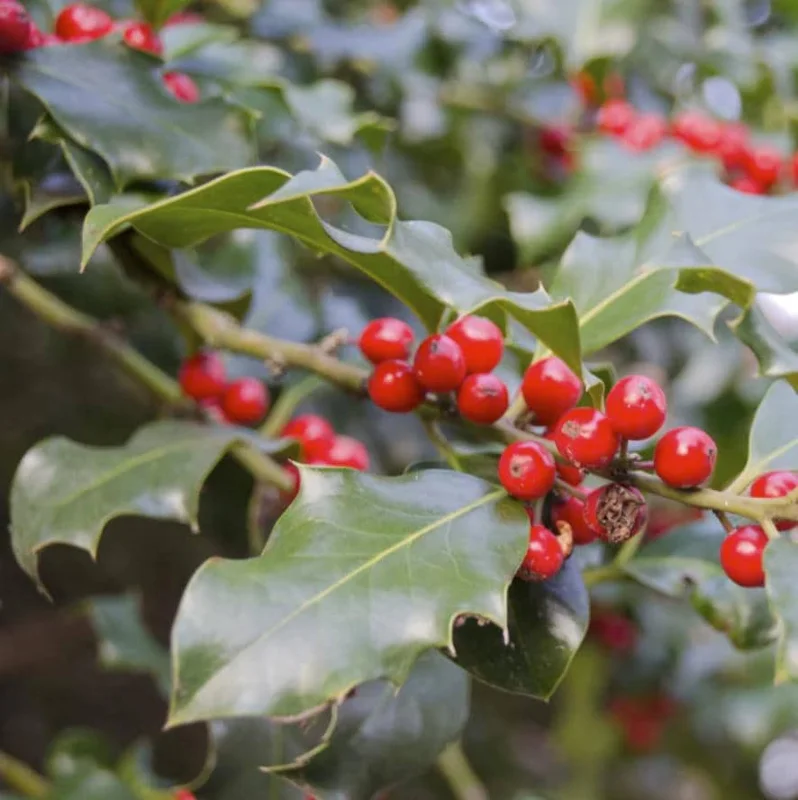
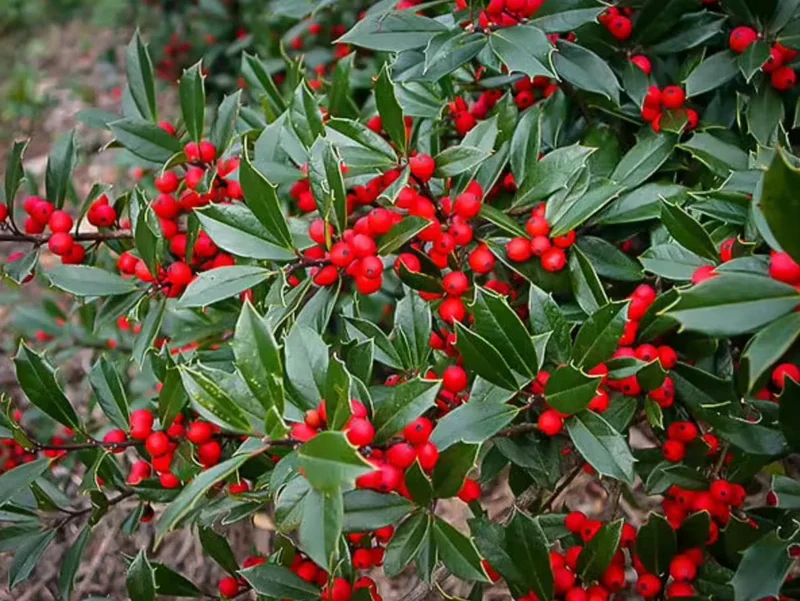
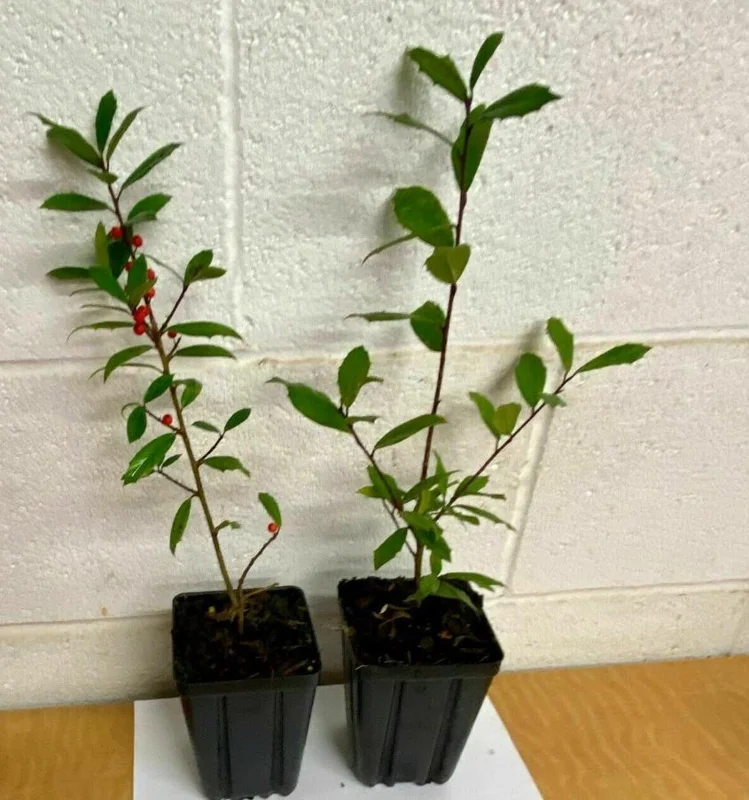
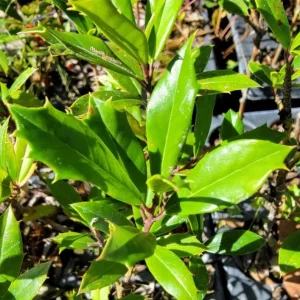
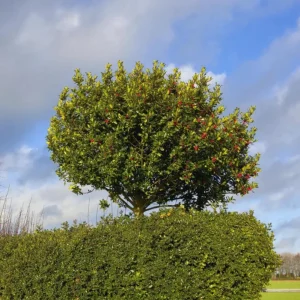
Bring structure and year-round interest to your garden with a Foster Holly live plant. This beautiful evergreen tree seedling (6-12″ tall) offers glossy green leaves, spring white flowers, and abundant red berries, making it an ideal outdoor holly shrub for various landscape designs.
Original price was: $33.98.$23.78Current price is: $23.78.

With our Alive & Thrive Guarantee, we’ve got your back for the first 30 days! If you have any concerns about your plants, just reach out to us. Our team is here to help answer your questions and guide you in selecting the best plants for your garden, climate, and unique preferences. We're excited to help you create the garden of your dreams!
Estimated arrival
Apr 01
Apr 06 - Apr 08
Apr 11 - Apr 15
Product Details
-
USDA Hardiness Zone
6–9 -
Soil type
Well-drained soil -
Sunlight Exposure
Full sun to partial shade -
Expected Planting Period
Spring to early fall
Overview
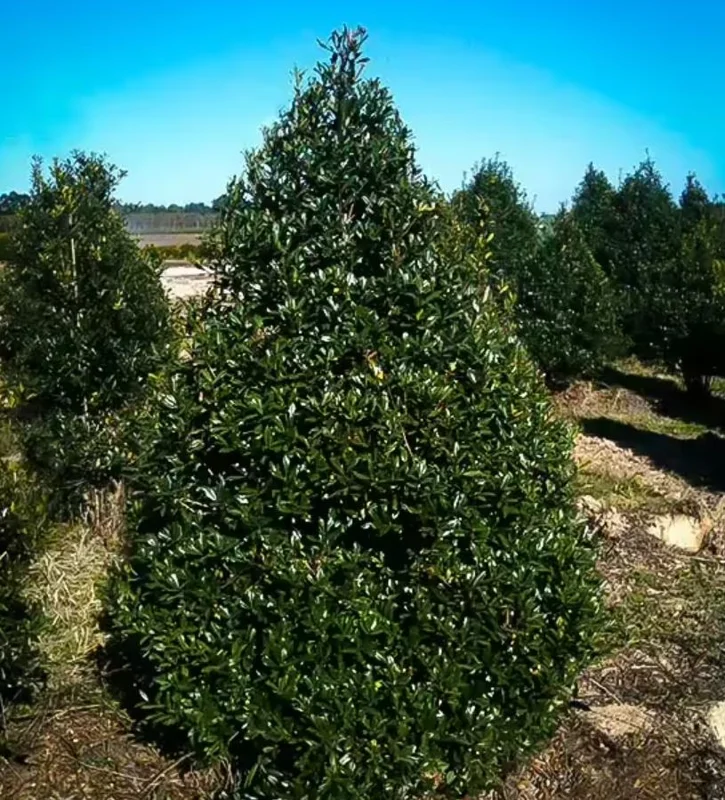
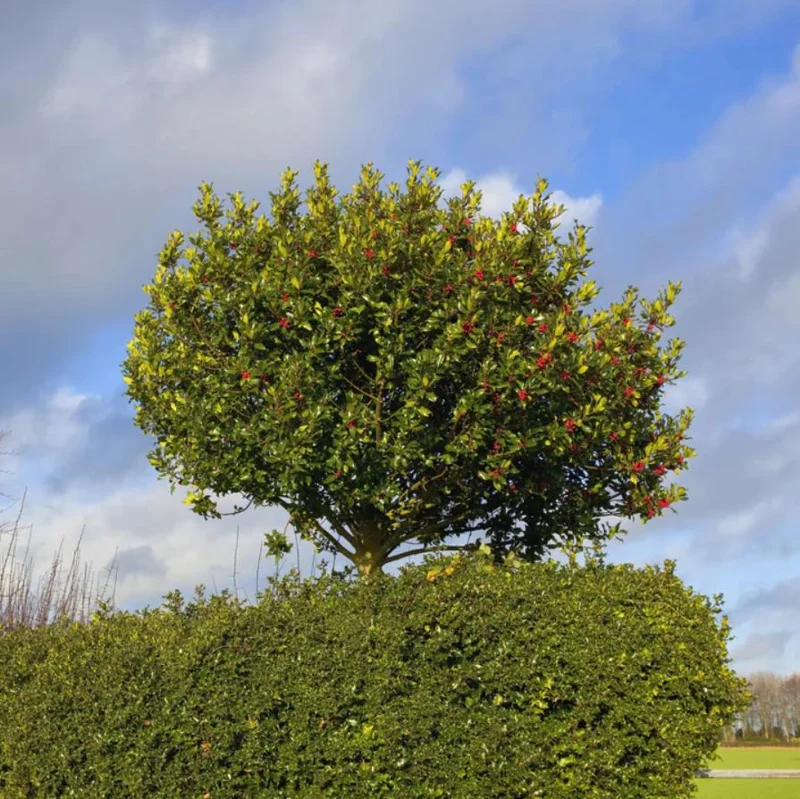
Introduce a touch of enduring beauty to your outdoor space with the Foster Holly live plant. This elegant evergreen tree, celebrated for its refined upright growth habit and vibrant year-round appeal, is a fantastic addition to any garden or landscape. Originating from a hybrid cross, Foster Holly (Ilex x attenuata ‘Fosteri’) combines the best characteristics of its parent species, resulting in a vigorous and attractive specimen. This particular offering is for a healthy evergreen tree seedling, typically 6-12 inches tall, ready to establish itself and grow into a stately presence. Known for its dense, glossy green foliage, delicate white spring flowers, and striking bright red berries that persist through fall and winter, the Foster Holly provides continuous visual interest. Whether you’re looking to create a formal hedge, add a specimen tree, or enhance a border, this versatile plant is an excellent choice for its aesthetic appeal and low-maintenance nature.
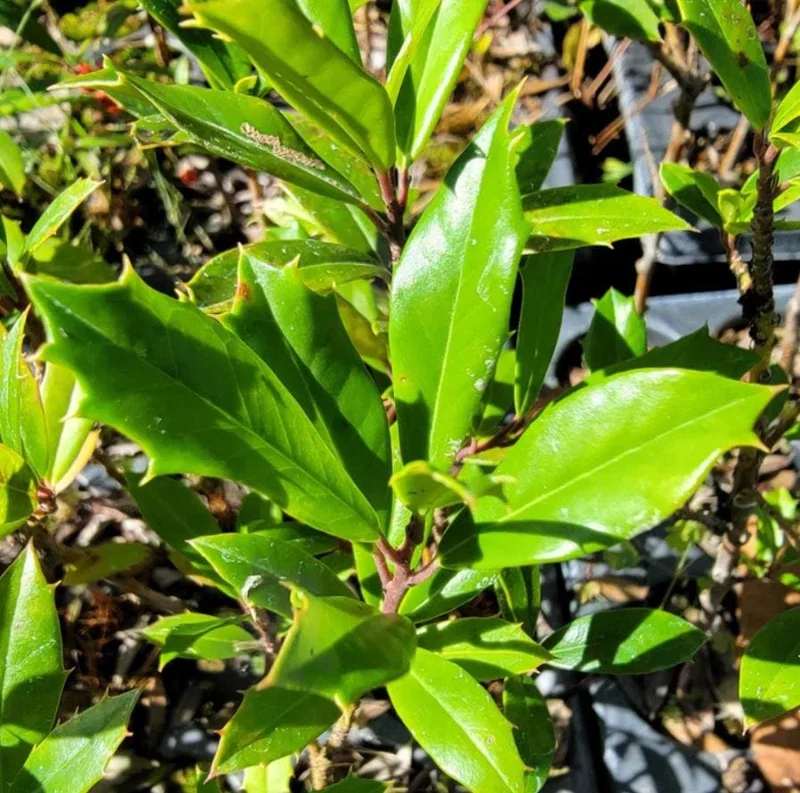
The Foster Holly is a popular selection among gardeners seeking reliable evergreens that offer more than just green foliage. Its distinctive narrow leaves with subtle spiny margins contribute to its unique texture. As a relatively fast-growing tree, it can quickly become a prominent feature in your garden, providing shelter and food for local wildlife, especially birds attracted to its berries. This makes the Foster Holly live plant not only a visual asset but also a contributor to local biodiversity.
Key Benefits
Investing in a Foster Holly brings numerous advantages to your garden, enhancing both its beauty and ecological value. This robust evergreen offers a multi-seasonal display, ensuring your landscape remains vibrant throughout the year. Here are some of the key benefits of incorporating this exceptional plant:
- Year-Round Visual Appeal: The Foster Holly live plant maintains its dense, glossy green foliage all year, providing consistent color and structure even in the coldest months. Its evergreen nature ensures your garden never looks bare.
- Striking Red Berries: Abundant bright red berries emerge in fall and persist through winter, offering a spectacular contrast against the dark green leaves. These berries are not only decorative but also a vital food source for birds, enhancing your garden’s wildlife appeal.
- Attractive Spring Flowers: Delicate white flowers bloom in spring, adding a subtle beauty before the berries develop. While small, these blossoms contribute to the plant’s overall charm and support pollinators.
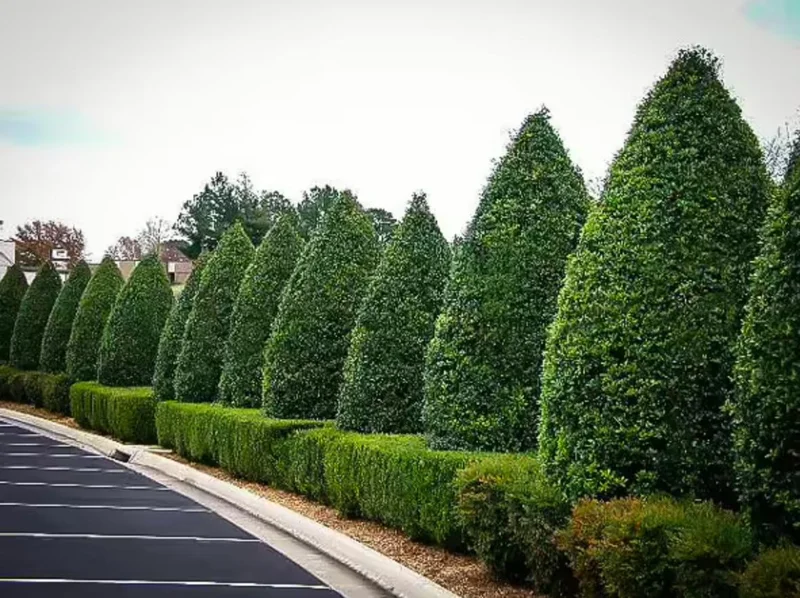
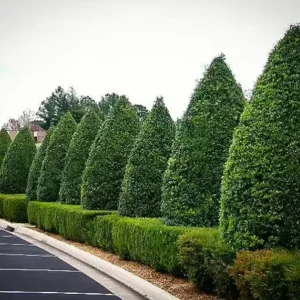
- Versatile Landscape Use: With its upright and balanced growth habit, the Foster Holly is perfect for various applications, including specimen planting, hedges, privacy screens, and borders. Its adaptable form allows it to fit into many garden styles.
- Low Maintenance & Hardy: This evergreen tree seedling is known for its resilience and adaptability. Once established, it requires minimal care, tolerating a range of soil conditions and sun exposures. It’s an excellent choice for gardeners seeking a beautiful yet easy-to-manage plant.
- Drought Tolerance: After its initial establishment period, the Foster Holly exhibits good drought tolerance, reducing the need for frequent watering and making it a water-wise choice for sustainable landscaping.
- Wildlife Friendly: The berries provide a crucial food source for various bird species during the colder months, making your garden a haven for local wildlife.
Plant Care & Growing Tips
Caring for your Foster Holly live plant is straightforward, ensuring it thrives and becomes a standout feature in your landscape. This adaptable evergreen prefers a site with full sun to partial shade, meaning it should receive at least 4-6 hours of direct sunlight per day for optimal growth and berry production. While it can tolerate some shade, too little light may result in sparser foliage and fewer berries. Ensure the planting location has well-drained soil; soggy conditions can be detrimental to its root system. A soil pH that is slightly acidic to neutral (6.0-7.0) is ideal, but the Foster Holly is quite tolerant of different soil types as long as drainage is adequate. Incorporating organic matter into the planting hole can improve soil structure and fertility.
When it comes to watering, the outdoor holly shrub requires moderate moisture, especially during its establishment phase. Water deeply and regularly during the first year, ensuring the soil remains consistently moist but not waterlogged. Once established, it becomes more drought-tolerant and will only need supplemental watering during prolonged dry spells. Applying a 2-3 inch layer of mulch around the base of the tree helps retain soil moisture, regulate soil temperature, and suppress weeds. Fertilize in early spring with a balanced, slow-release fertilizer formulated for trees and shrubs. Pruning is generally minimal, focused on shaping the plant, removing any dead or damaged branches, or maintaining a desired size. The Foster Holly is hardy in USDA Zones 6–9, making it suitable for a wide range of climates. Understanding the specific needs for Foster Holly care will help ensure a robust and beautiful specimen for years to come.
Size & Details
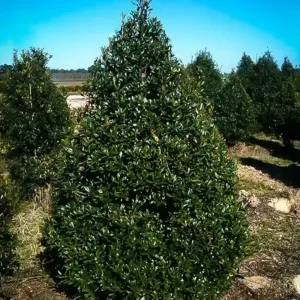
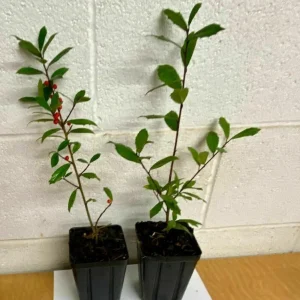
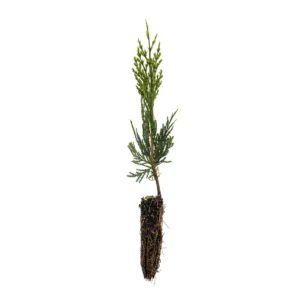
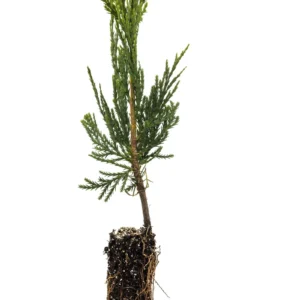
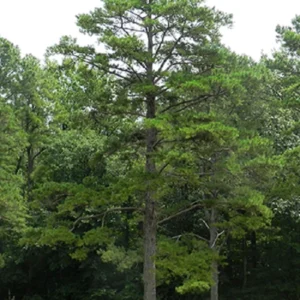
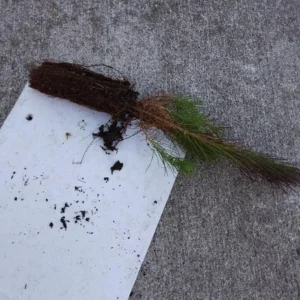
This offering is for one Foster Holly live plant, supplied as a healthy seedling. At the time of shipment, the plant typically measures 6–12 inches tall and is rooted in a quart-sized pot, providing a well-established root system for successful transplanting. At maturity, this elegant evergreen tree seedling can reach an impressive height of 15–25 feet with a spread of 8–12 feet, developing a refined, upright growth habit. Its relatively moderate growth rate means it will establish itself well within a few years, gradually building its stately form. The plant features glossy, narrow green leaves with spiny edges, and it produces small white flowers in spring, followed by an abundance of bright red berries in the fall and winter. It is an ideal plant for creating significant landscape impact, whether as a focal point or integrated into a larger design. The plant is shipped in its nursery pot to ensure its health and vitality upon arrival.
Frequently Asked Questions
- Q: How big will my Foster Holly live plant get? A: This Foster Holly live plant is a seedling measuring 6-12 inches tall when shipped. At maturity, it can reach an impressive height of 15-25 feet with a spread of 8-12 feet, forming a beautiful upright evergreen tree.
- Q: Is this an indoor or outdoor plant? A: The Foster Holly is an outdoor holly shrub. It is best suited for planting in gardens, landscapes, or as a specimen tree in USDA Hardiness Zones 6-9.
- Q: How much sunlight does the Foster Holly need? A: For optimal growth and berry production, your evergreen tree seedling should receive full sun to partial shade, meaning at least 4-6 hours of direct sunlight per day.
- Q: What condition will my Foster Holly arrive in? A: Your plant will arrive as a live seedling in a quart-sized pot, with a healthy root system. During winter dormancy, it is normal for the plant to have fewer leaves or appear dormant, which does not affect its health.
- Q: Is this plant easy to care for? A: Yes, the Foster Holly is considered low-maintenance once established. It tolerates a range of soil types and sun exposures, making Foster Holly care relatively simple for most gardeners.
- Q: When is the best time to plant a Foster Holly? A: The best time to plant a Foster Holly is typically in spring or early fall, allowing the plant sufficient time to establish its root system before extreme weather conditions.
- Q: Will the Foster Holly survive winter in my zone? A: This plant is cold hardy in USDA Zones 6-9. If you are within these zones, your Foster Holly should comfortably survive winter, maintaining its evergreen foliage and berries.
- Q: Does this plant produce berries? A: Yes, this Foster Holly produces small white flowers in spring followed by abundant bright red berries in fall and winter, which are a key attractive feature of this plant.
- Q: What kind of soil does it prefer? A: The Foster Holly thrives in well-drained soil. While adaptable, it prefers a slightly acidic to neutral pH. Avoid waterlogged conditions to ensure healthy root development.
- Q: How often should I water my Foster Holly? A: During its first year, water deeply and regularly to keep the soil consistently moist. Once established, it becomes more drought-tolerant and will need less frequent watering, primarily during dry periods.
Related products
-20%
Original price was: $36.00.$28.80Current price is: $28.80.
-20%
Original price was: $90.00.$72.00Current price is: $72.00.
-10%
Original price was: $80.99.$72.89Current price is: $72.89.
PLANTING & CARE

Growing Glencoe Raspberry: A Complete Guide for Gardeners
If you’re looking to add something unique to your garden, look no further than the
31
Mar
Mar

The Comprehensive Guide to Growing Bay Leaf Plants for a Flavorful Garden
Imagine stepping into your garden, greeted by the earthy aroma of fresh bay leaves, their
09
Feb
Feb

How to Make Comfrey Tea: The Ultimate Organic Plant Food
Growing an organic garden can be surprisingly expensive, especially when most store-bought fertilizers come in
02
Feb
Feb

True Comfrey: 7 Essential Tips Before You Plant This Herb
A staple in permaculture practices across the US, True Comfrey easily earns its reputation as
27
Jan
Jan

7 Heart-Shaped Plants for a Lasting Valentine’s Gift
If you’ve ever bought a bouquet of roses for Valentine’s Day, you know they are
26
Jan
Jan

Best Types of Ivy Plant for Houses: How to Choose the Perfect Ones for Your Home
Are you a garden lover looking to introduce some greenery into your home? Maybe you’ve
14
Nov
Nov

When to Harvest Garlic (Especially Fall-Planted Garlic)
TIMING IS EVERYTHING, they say – and for garlic, that truth hits with surprising accuracy.
13
Nov
Nov

11 of the Best Sweet Potato Varieties to Grow for Your Garden
If you’ve ever tried growing sweet potatoes, you know that picking the right variety can
12
Nov
Nov