Ginkgo Biloba Trees Live Plants – 2 Bare Roots 6-12” Tall – Winter Dormant – Outdoor


Ginkgo Biloba Trees Live Plants – 2 Bare Roots 6-12” Tall – Winter Dormant – Outdoor
Introduce timeless beauty to your garden with this set of 2 Ginkgo Biloba live plant bare roots. Each dormant tree measures 6-12” tall, ready for outdoor planting and known for its distinctive fan-shaped leaves that turn a brilliant yellow in autumn. Ideal for creating stunning landscape features.
$19.99

With our Alive & Thrive Guarantee, we’ve got your back for the first 30 days! If you have any concerns about your plants, just reach out to us. Our team is here to help answer your questions and guide you in selecting the best plants for your garden, climate, and unique preferences. We're excited to help you create the garden of your dreams!
Estimated arrival
Apr 05
Apr 10 - Apr 12
Apr 15 - Apr 19
Product Details
-
USDA Hardiness Zone
USDA zones 3–8 -
Soil type
Well drained soil -
Sunlight Exposure
Full Sun -
Expected Planting Period
Early Spring
Overview
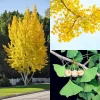
Bring the ancient beauty of the ginkgo biloba live plant to your garden with this offering of two hardy specimens. Ginkgo Biloba, also known as the Maidenhair Tree, is revered for its unique fan-shaped leaves, incredible resilience, and stunning golden-yellow fall foliage. These bare root plants are provided in a winter dormant state, ensuring a smooth transition to your outdoor landscape. Measuring 6-12 inches tall, they are at an ideal size for planting and establishing strong root systems. A true living fossil, the Ginkgo Biloba is a symbol of longevity and endurance, making it a meaningful addition to any garden or property.
These young hardy ginkgo tree saplings are perfect for creating a focal point, lining a driveway, or adding vertical interest to your yard. They are adaptable to a variety of climates and soil conditions, flourishing with minimal intervention once established. The dormant state of these bare root plants means they are primed for spring planting, ready to awaken with the warmth of the season and begin their journey of growth. Experience the rich history and aesthetic appeal that only a Ginkgo Biloba can provide, transforming your outdoor space into a sanctuary of natural beauty.
Key Benefits
Choosing a ginkgo biloba live plant for your garden offers a multitude of advantages, blending aesthetic appeal with remarkable hardiness and ecological benefits. These trees are not just plants; they are living testaments to resilience and natural beauty:
- Stunning Autumn Color: Enjoy a spectacular display as the unique fan-shaped leaves transform into a vibrant, eye-catching golden yellow in the fall, providing unparalleled seasonal interest.
- Exceptional Hardiness: Ginkgo Biloba trees are incredibly tough and adaptable, thriving in a wide range of climates and urban conditions, making them a reliable choice for many landscapes.
- Low Maintenance: Once established, these trees require minimal care, tolerating drought and various soil types, which makes them an excellent option for gardeners seeking beauty without excessive effort.
- Unique Foliage: The distinctive fan-shaped leaves are unlike any other tree, offering a unique texture and visual appeal throughout the growing season.
- Longevity and Heritage: Known as a living fossil, planting a Ginkgo Biloba connects your garden to ancient history, as these trees can live for thousands of years, becoming a lasting legacy.
- Pest and Disease Resistant: Ginkgo trees are naturally resistant to most common pests and diseases, reducing the need for chemical treatments and promoting a healthier garden ecosystem.
- Architectural Form: These trees develop an elegant, upright form that adds structural beauty to any landscape, whether as a specimen tree or part of a larger planting scheme.
Plant Care & Growing Tips
Proper care for your ginkgo biloba bare root plants begins right after arrival. As they are shipped dormant, it’s crucial to plant them as soon as the ground is workable in early spring. Before planting, soak the roots in water for a few hours to rehydrate them. Choose a planting site that receives full sun to partial shade, as ginkgos are quite adaptable but will exhibit the best growth and fall color in sunnier locations. Dig a hole twice as wide as the root spread and just as deep, ensuring the root collar is level with the soil surface.
Ginkgos prefer well-drained soil, tolerating a wide range of soil types from sandy to clay, as long as drainage is adequate. Amend heavy clay soils with organic matter to improve aeration and drainage. After planting, water thoroughly to settle the soil around the roots. During the first growing season, consistent moisture is vital for root establishment. Water regularly, especially during dry spells, but avoid waterlogging. Once established, the outdoor ginkgo tree is remarkably drought-tolerant and requires less frequent watering.
Fertilization is generally not necessary in the first year. In subsequent years, a balanced, slow-release fertilizer can be applied in early spring, following product instructions. Pruning is usually limited to removing dead, damaged, or crossing branches to maintain a healthy structure. These trees are hardy in USDA zones 3–8, making them suitable for many regions. With proper ginkgo care guide practices, your Ginkgo Biloba will flourish and become a magnificent specimen in your landscape for generations.
Size & Details
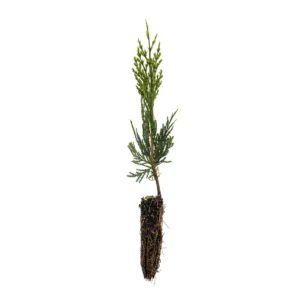
This offering includes two individual ginkgo biloba live plant bare root saplings, each measuring approximately 6-12 inches in height from the top of the root system to the tip of the stem. These plants are supplied in a dormant state, which is the ideal condition for bare root planting, allowing them to focus their energy on root development once planted. The bare root format ensures easy handling and quick establishment in your garden. While specific growth rates vary based on climate and care, Ginkgos are known for their moderate to fast growth, typically adding 1-2 feet per year once established.
These young trees are perfect for those looking to cultivate a long-term landscape feature, as Ginkgos are renowned for their longevity and can reach impressive mature sizes over many decades. They will gradually develop into stately trees, providing shade and stunning visual interest. The initial 6-12 inch height allows for easy planting and a strong foundation for future growth.
Frequently Asked Questions
- Q: How big does this plant get? A: A ginkgo biloba live plant can grow quite large, reaching heights of 50-80 feet or more at maturity with a spread of 30-40 feet. Its growth rate is moderate, typically adding 1-2 feet per year once established.
- Q: Is this an indoor or outdoor plant? A: These are outdoor ginkgo tree bare roots, specifically intended for planting in garden beds, yards, or as part of a larger landscape design. They are not suitable for long-term indoor cultivation.
- Q: How much sunlight does it need? A: Ginkgo Biloba trees thrive in full sun, meaning at least 6 hours of direct sunlight per day. They can tolerate partial shade, but growth may be slower and fall color less vibrant.
- Q: Is this plant easy to care for? A: Yes, a hardy ginkgo tree is considered very easy to care for once established. They are drought-tolerant and resistant to most pests and diseases, making them ideal for gardeners of all experience levels.
- Q: What condition will it arrive in? A: Your ginkgo biloba bare root plants will arrive dormant, without leaves, and with their roots carefully protected. This is normal for bare root trees and ensures successful transplanting.
- Q: When is the best time to plant? A: The best time to plant dormant bare root Ginkgo Biloba trees is in early spring, as soon as the soil can be worked and before new growth begins.
- Q: Will it survive winter in my zone? A: Yes, Ginkgo Biloba trees are incredibly cold hardy, surviving winters in USDA Zones 3-8. This makes them suitable for a wide range of climates across the United States.
- Q: How long until it shows growth? A: After planting in early spring, you can generally expect to see new shoots and leaves emerge within a few weeks, as temperatures warm and the tree breaks dormancy.
- Q: What does “winter dormant” mean? A: “Winter dormant” means the plant is in a resting phase, without leaves or active growth, which is the ideal state for transplanting bare root trees to minimize shock and promote strong root development.
- Q: Can I grow this in a container? A: While young Ginkgo Biloba can be grown in large containers for a few years, they are ultimately large trees that prefer to be planted directly in the ground to reach their full potential and longevity.
Related products

-50%
Original price was: $73.98.$36.99Current price is: $36.99.
-20%
Original price was: $36.00.$28.80Current price is: $28.80.
PLANTING & CARE
Growing Glencoe Raspberry: A Complete Guide for Gardeners
If you’re looking to add something unique to your garden, look no further than the
31
Mar
Mar

The Comprehensive Guide to Growing Bay Leaf Plants for a Flavorful Garden
Imagine stepping into your garden, greeted by the earthy aroma of fresh bay leaves, their
09
Feb
Feb

How to Make Comfrey Tea: The Ultimate Organic Plant Food
Growing an organic garden can be surprisingly expensive, especially when most store-bought fertilizers come in
02
Feb
Feb

True Comfrey: 7 Essential Tips Before You Plant This Herb
A staple in permaculture practices across the US, True Comfrey easily earns its reputation as
27
Jan
Jan

7 Heart-Shaped Plants for a Lasting Valentine’s Gift
If you’ve ever bought a bouquet of roses for Valentine’s Day, you know they are
26
Jan
Jan

Best Types of Ivy Plant for Houses: How to Choose the Perfect Ones for Your Home
Are you a garden lover looking to introduce some greenery into your home? Maybe you’ve
14
Nov
Nov

When to Harvest Garlic (Especially Fall-Planted Garlic)
TIMING IS EVERYTHING, they say – and for garlic, that truth hits with surprising accuracy.
13
Nov
Nov

11 of the Best Sweet Potato Varieties to Grow for Your Garden
If you’ve ever tried growing sweet potatoes, you know that picking the right variety can
12
Nov
Nov