Ginkgo Tree Live Plant 8-12″ Tall in 4 Inch Pot – Deciduous Outdoor
-50%
Ginkgo Tree Live Plant 8-12″ Tall in 4 Inch Pot – Deciduous Outdoor
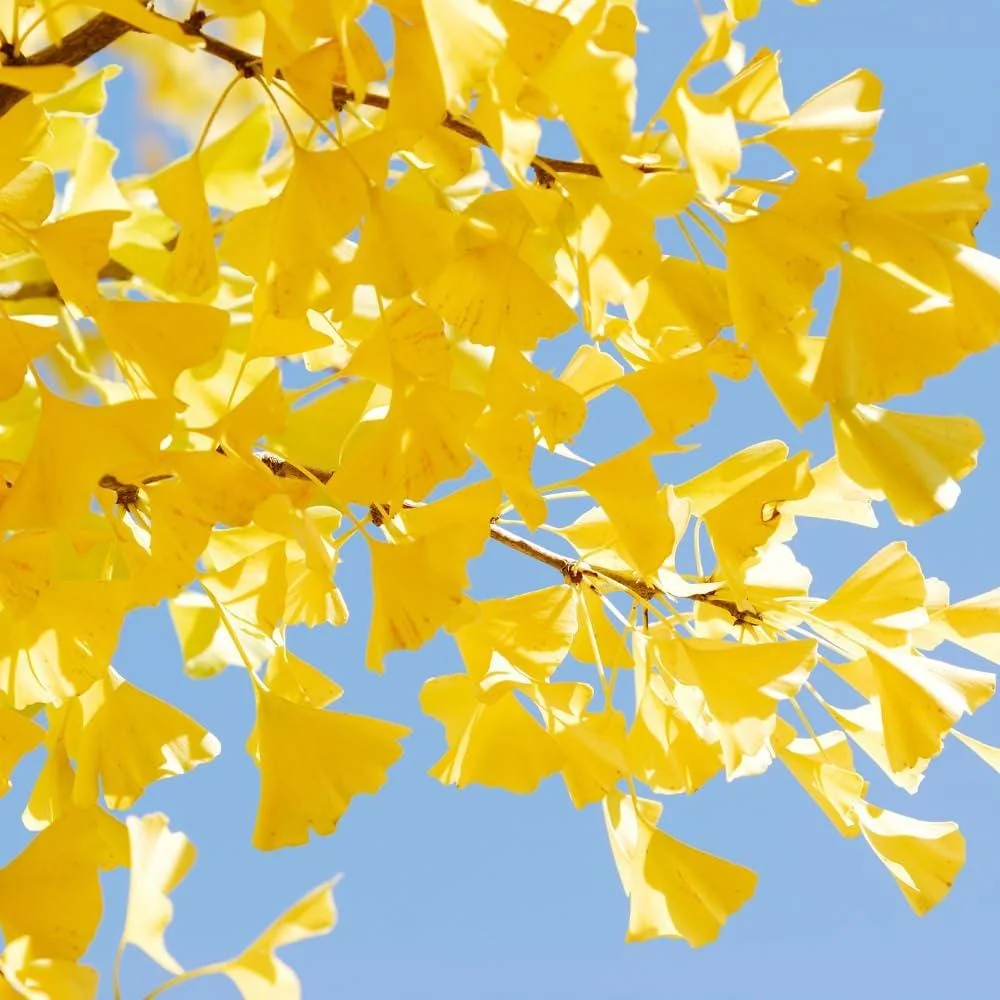
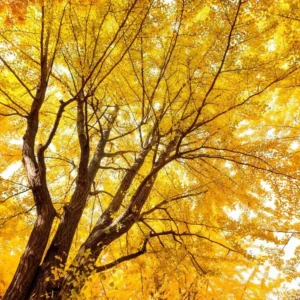
Bring home a unique ginkgo tree live plant, standing 8 to 12 inches tall in a 4-inch nursery pot. Known for its distinctive fan-shaped leaves and resilience, this deciduous tree offers beautiful fall color and adds ancient charm to your landscape.
Original price was: $39.99.$19.99Current price is: $19.99.

With our Alive & Thrive Guarantee, we’ve got your back for the first 30 days! If you have any concerns about your plants, just reach out to us. Our team is here to help answer your questions and guide you in selecting the best plants for your garden, climate, and unique preferences. We're excited to help you create the garden of your dreams!
Estimated arrival
Apr 03
Apr 08 - Apr 10
Apr 13 - Apr 17

Product Details
-
USDA Hardiness Zone
USDA zones 3-8 -
Soil type
Well-draining soil -
Sunlight Exposure
Full sun -
Expected Planting Period
Spring to early fall
Overview
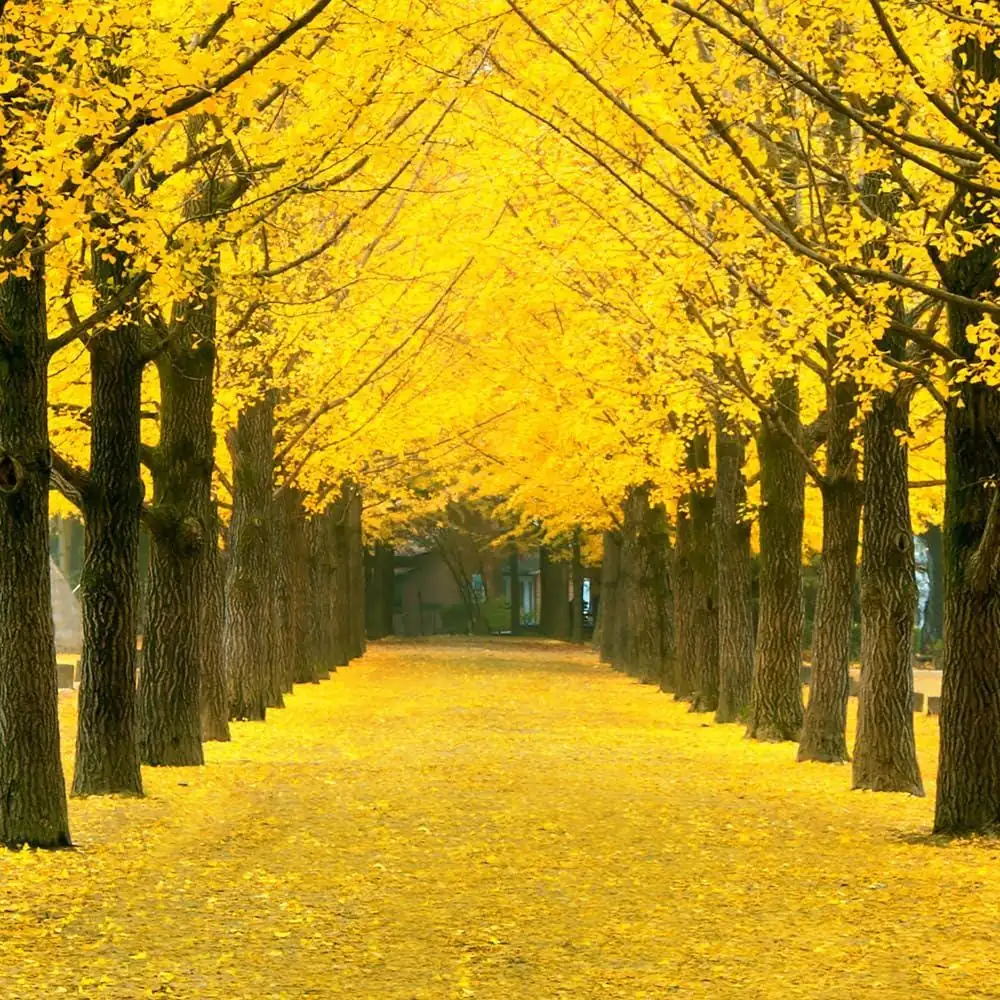
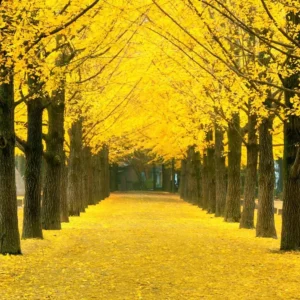
Introduce a touch of ancient beauty and remarkable resilience to your garden with this stunning ginkgo tree live plant. Revered for its unique fan-shaped leaves that turn a brilliant golden-yellow in autumn, the Ginkgo biloba is often called a “living fossil” due to its lineage dating back millions of years. This particular specimen arrives as a healthy young plant, measuring 8 to 12 inches tall and carefully rooted in a 4-inch nursery pot, ready for transplanting. Ideal for those looking to add a distinctive and low-maintenance deciduous tree to their outdoor space, the ginkgo offers unparalleled ornamental value and historical significance. Its upright growth habit makes it suitable for various landscape designs, from specimen planting to avenue trees, providing shade and visual interest.
The ginkgo tree live plant is not just a beautiful addition; it’s a symbol of longevity and endurance. Its remarkable ability to adapt to diverse environments, including urban settings, makes it a popular choice for gardeners and landscapers alike. This young ginkgo is an excellent starting point for cultivating a magnificent tree that will grow with you, offering seasonal beauty and a strong, elegant presence. Whether you’re a seasoned gardener or just beginning your journey, the ginkgo tree provides a rewarding experience with its distinctive foliage and robust nature.
Key Benefits
The ginkgo tree live plant offers a multitude of benefits, making it an exceptional choice for any garden or landscape. Its unique characteristics contribute to both aesthetic appeal and environmental well-being.
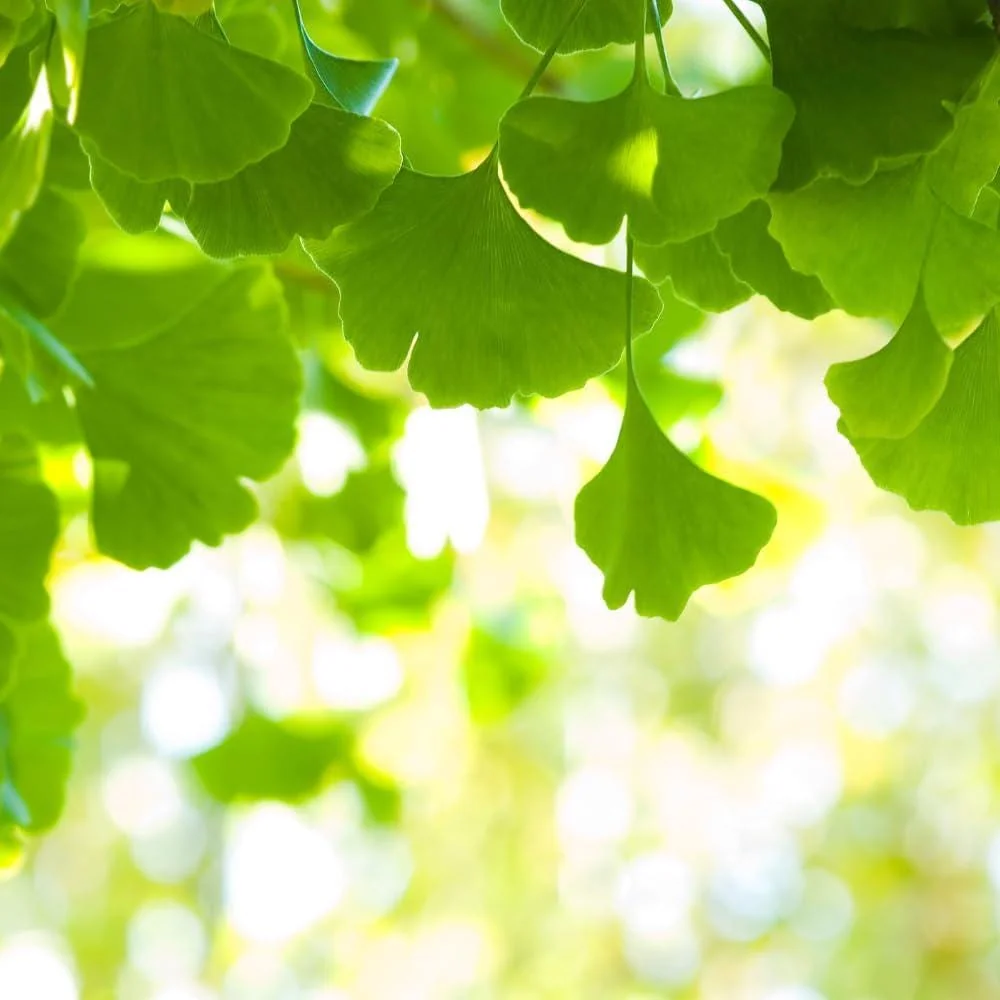
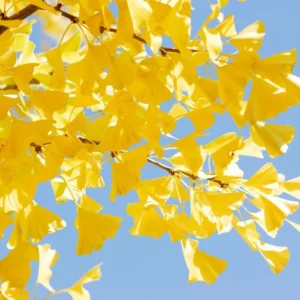
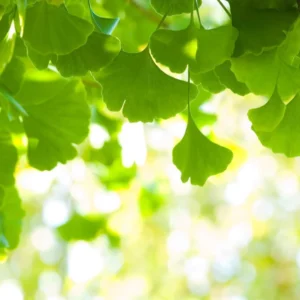
- Distinctive Foliage: The fan-shaped leaves of the ginkgo are truly one-of-a-kind. They emerge bright green in spring, providing a lush canopy through summer, and transform into a breathtaking golden-yellow in the fall, creating a spectacular seasonal display that stands out in any setting.
- Exceptional Hardiness: Ginkgo trees are renowned for their incredible resilience. They are highly tolerant of air pollution, compacted soil, and various urban stressors, making them an excellent choice for city gardens and challenging environments where other trees might struggle.
- Low Maintenance: Once established, a ginkgo biloba tree requires minimal care. It is generally pest and disease resistant, reducing the need for chemical treatments and making it a hassle-free addition to your garden.
- Long Lifespan: Ginkgo trees are known for their longevity, often living for hundreds, if not thousands, of years. Planting a ginkgo is an investment in the future, providing beauty and shade for generations to come.
- Adaptable to Various Soils: While preferring well-draining soil, the ginkgo tree can adapt to a wide range of soil types, including sandy, loamy, and clay soils, as long as drainage is adequate. This versatility contributes to its ease of cultivation.
- Environmental Benefits: As a mature tree, the ginkgo provides excellent shade, helping to cool surroundings and reduce energy costs. It also contributes to air purification by absorbing carbon dioxide and releasing oxygen.
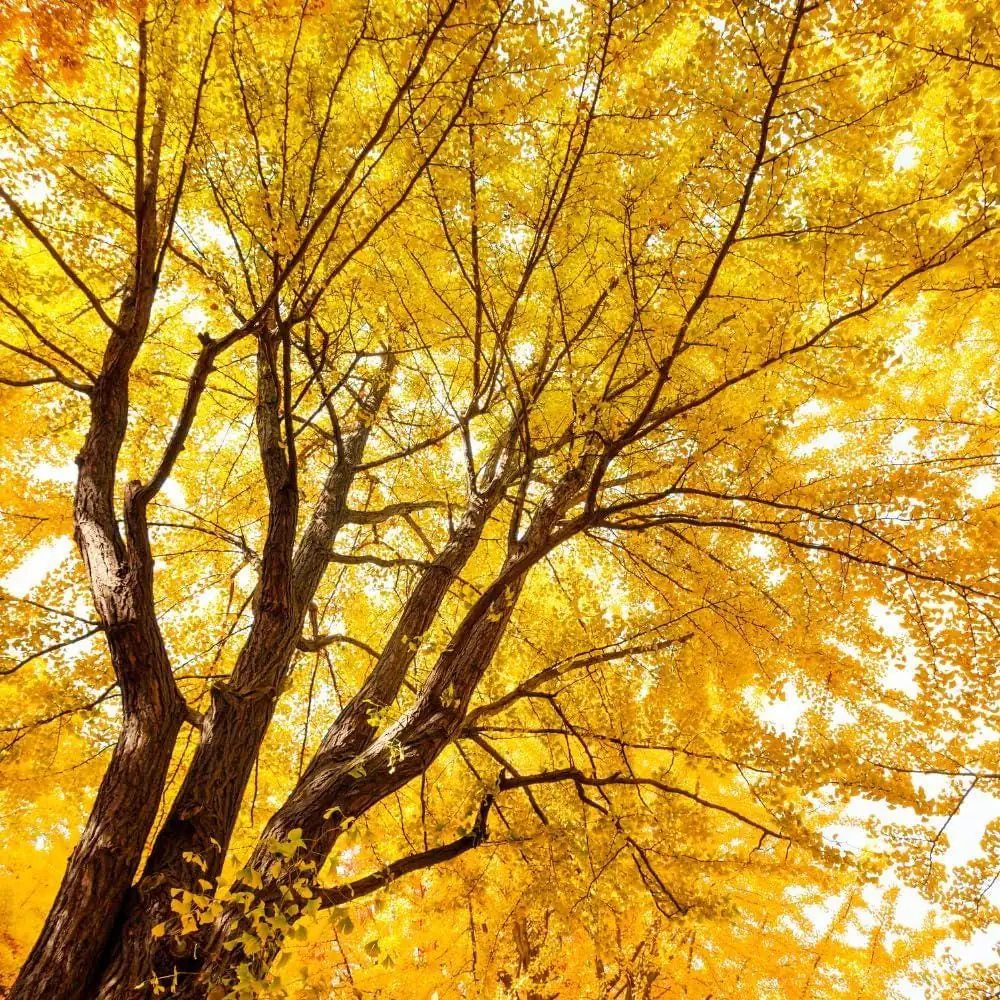
- Unique Ornamental Value: Beyond its seasonal color, the ginkgo’s architectural form, especially in winter when its distinctive branching structure is visible, adds year-round interest and elegance to the landscape.
Plant Care & Growing Tips
Caring for your ginkgo tree live plant is relatively straightforward, especially once it’s established. These ancient trees are known for their resilience, but providing optimal conditions during their early years will ensure strong, healthy growth. When considering ginkgo tree care, sunlight is paramount. Ginkgos thrive in full sun, meaning at least 6 hours of direct sunlight per day. While they can tolerate some partial shade, their fall color will be most vibrant and their growth most robust in full sun exposure. Choose a planting site that receives ample light throughout the day.
Regarding watering, young ginkgo trees need consistent moisture, especially during their first few growing seasons. Water deeply two to three times a week, ensuring the soil remains evenly moist but not waterlogged. Once established, ginkgos are quite drought-tolerant and will only require supplemental watering during prolonged dry spells. Well-draining soil is crucial to prevent root rot; ginkgos prefer a slightly acidic to neutral pH. Amend heavy clay soils with organic matter like compost to improve drainage and aeration. Fertilize your young ginkgo in early spring with a balanced, slow-release granular fertilizer formulated for trees and shrubs. Follow the product instructions for application rates.
Ginkgos are incredibly hardy, generally thriving in USDA Zones 3-8. They can withstand a wide range of temperatures, from cold winters to hot summers. Pruning is usually minimal, focusing on removing any dead, damaged, or crossing branches to maintain a strong structure. The best time to prune is in late winter or early spring before new growth begins. While generally pest and disease resistant, keep an eye out for any unusual leaf discoloration or insect activity. Proper planting, including digging a hole twice as wide as the root ball and ensuring the tree is planted at the same depth as it was in the nursery pot, will set your deciduous ginkgo up for success. With these tips on how to grow ginkgo, your plant will flourish into a magnificent landscape feature.
Size & Details
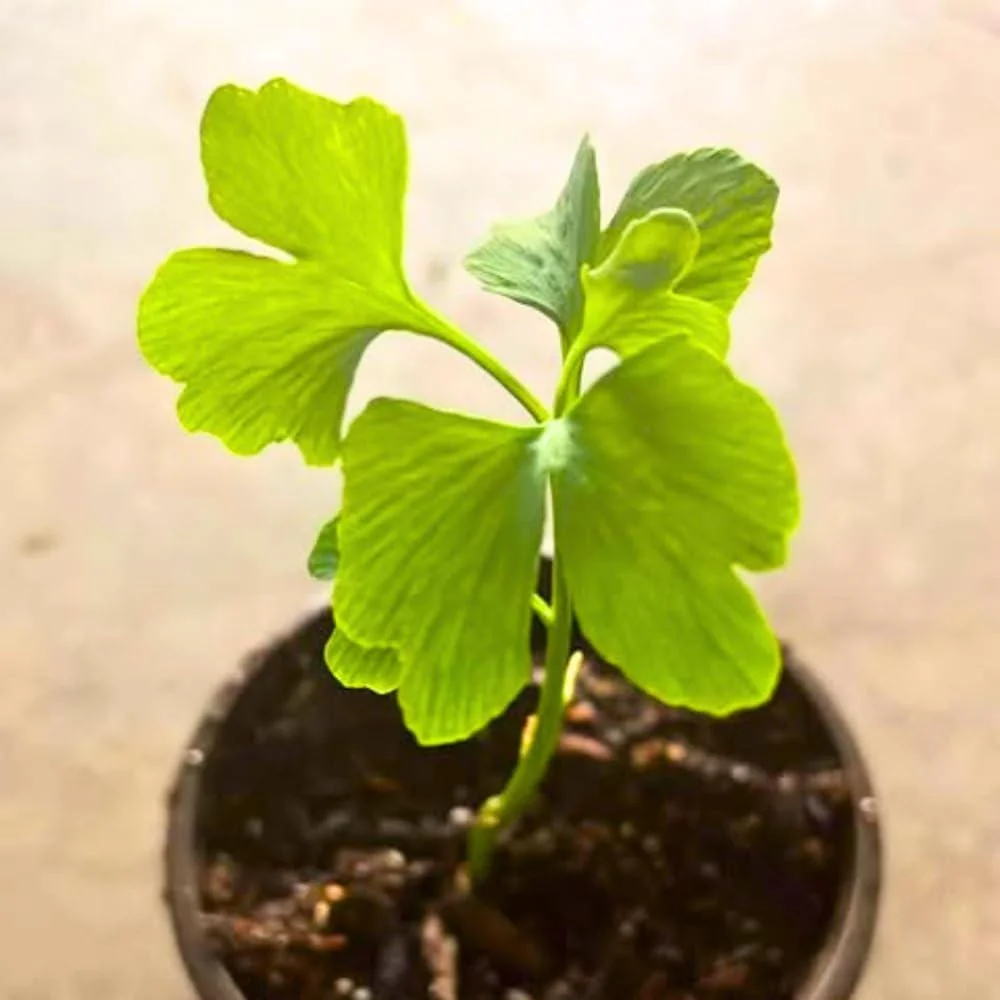
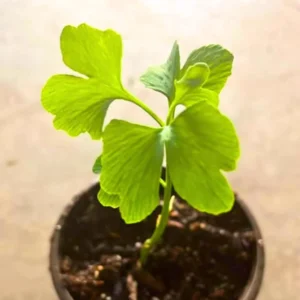
This offering is for one healthy ginkgo tree live plant, which stands approximately 8 to 12 inches tall from the base of the soil to the tip of its tallest stem. The plant is carefully cultivated and shipped in a standard 4-inch nursery pot, providing a robust root system ready for transplanting into your garden or a larger container. Ginkgo trees are known for their moderate to fast growth rate, typically adding 12-24 inches of height per year under ideal conditions. When mature, a ginkgo can reach heights of 50-80 feet with a spread of 30-40 feet, developing a stately, upright, and often pyramidal form. This young plant is an excellent starter to cultivate into a grand specimen tree.
The ginkgo biloba tree is a deciduous species, meaning it will shed its leaves in the fall after their spectacular golden display, and remain dormant through winter before leafing out again in the spring. This plant will arrive carefully packaged to ensure its safety during transit, with its roots protected and moist. The size in the 4-inch pot makes it easy to handle and establish. Expect this tree to begin showcasing its characteristic fan-shaped leaves and vibrant fall color within its first few growing seasons, providing increasing beauty and shade as it matures.
Frequently Asked Questions
- Q: How big does this plant get and what size pot does it come in? A: This ginkgo tree live plant is 8 to 12 inches tall and comes in a 4-inch nursery pot. Mature ginkgo trees can reach 50-80 feet tall with a spread of 30-40 feet over many years.
- Q: Is this an indoor or outdoor plant? A: The ginkgo tree is primarily an outdoor plant, best suited for landscape planting. While it can be kept in a container outdoors when young, it will eventually need to be planted in the ground to reach its full potential.
- Q: How much sunlight does it need? A: A ginkgo biloba tree thrives in full sun, requiring at least 6 hours of direct sunlight per day for optimal growth and the most vibrant fall color. It can tolerate partial shade but may grow slower.
- Q: Is this plant easy to care for? Is it good for beginners? A: Yes, ginkgo trees are known for their resilience and low maintenance once established, making them a good choice for beginners. Basic ginkgo tree care involves proper watering, sunlight, and well-draining soil.
- Q: What condition will it arrive in? Is it shipped in soil? A: Your ginkgo tree will arrive as a healthy, live plant in its 4-inch nursery pot with soil, carefully packaged to ensure its safety during transit.
- Q: When is the best time to plant a ginkgo tree? A: The best time to plant a deciduous ginkgo is in spring or early fall, allowing the roots to establish before extreme summer heat or winter cold.
- Q: Will it survive winter in my zone? What’s the minimum temperature? A: Ginkgo trees are highly cold-hardy and thrive in USDA Zones 3-8, capable of withstanding significant winter cold. They are well-adapted to temperate climates.
- Q: How long does it take for a ginkgo tree to show fall color? A: Young ginkgo trees will typically begin to show their characteristic golden fall color in their first few growing seasons, provided they receive sufficient sunlight.
- Q: Does this tree produce fruit? A: Only female ginkgo trees produce fruit, which can be messy and have an unpleasant odor. This offering is for a young plant, and its sex is typically not determined at this stage.
- Q: What kind of soil is best for growing ginkgos? A: Ginkgos prefer well-draining soil, but are adaptable to a range of soil types including sandy, loamy, or clay, as long as drainage is good. They prefer a slightly acidic to neutral pH.
Related products


PLANTING & CARE
Growing Glencoe Raspberry: A Complete Guide for Gardeners
If you’re looking to add something unique to your garden, look no further than the
31
Mar
Mar

The Comprehensive Guide to Growing Bay Leaf Plants for a Flavorful Garden
Imagine stepping into your garden, greeted by the earthy aroma of fresh bay leaves, their
09
Feb
Feb

How to Make Comfrey Tea: The Ultimate Organic Plant Food
Growing an organic garden can be surprisingly expensive, especially when most store-bought fertilizers come in
02
Feb
Feb

True Comfrey: 7 Essential Tips Before You Plant This Herb
A staple in permaculture practices across the US, True Comfrey easily earns its reputation as
27
Jan
Jan

7 Heart-Shaped Plants for a Lasting Valentine’s Gift
If you’ve ever bought a bouquet of roses for Valentine’s Day, you know they are
26
Jan
Jan

Best Types of Ivy Plant for Houses: How to Choose the Perfect Ones for Your Home
Are you a garden lover looking to introduce some greenery into your home? Maybe you’ve
14
Nov
Nov

When to Harvest Garlic (Especially Fall-Planted Garlic)
TIMING IS EVERYTHING, they say – and for garlic, that truth hits with surprising accuracy.
13
Nov
Nov

11 of the Best Sweet Potato Varieties to Grow for Your Garden
If you’ve ever tried growing sweet potatoes, you know that picking the right variety can
12
Nov
Nov