Hardy Apricot Tree Live Plant – Prunus armeniaca Fruit Starter, Deciduous Outdoor
-20%
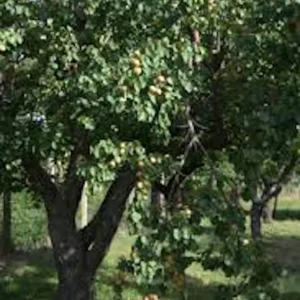
Hardy Apricot Tree Live Plant – Prunus armeniaca Fruit Starter, Deciduous Outdoor
Cultivate your own orchard with this hardy apricot tree live plant. Known for its beautiful spring blossoms and delicious yellow-orange fruit, this Prunus armeniaca fruit starter is a wonderful addition to any garden. Perfect for outdoor planting, it promises both ornamental beauty and a bountiful harvest.
Original price was: $36.00.$28.80Current price is: $28.80.

With our Alive & Thrive Guarantee, we’ve got your back for the first 30 days! If you have any concerns about your plants, just reach out to us. Our team is here to help answer your questions and guide you in selecting the best plants for your garden, climate, and unique preferences. We're excited to help you create the garden of your dreams!
Estimated arrival
Apr 08
Apr 13 - Apr 15
Apr 18 - Apr 22


Product Details
-
USDA Hardiness Zone
USDA Zones 5-8 -
Soil type
Well-draining loamy soil -
Sunlight Exposure
Full sun -
Expected Planting Period
Late winter to early spring
Overview
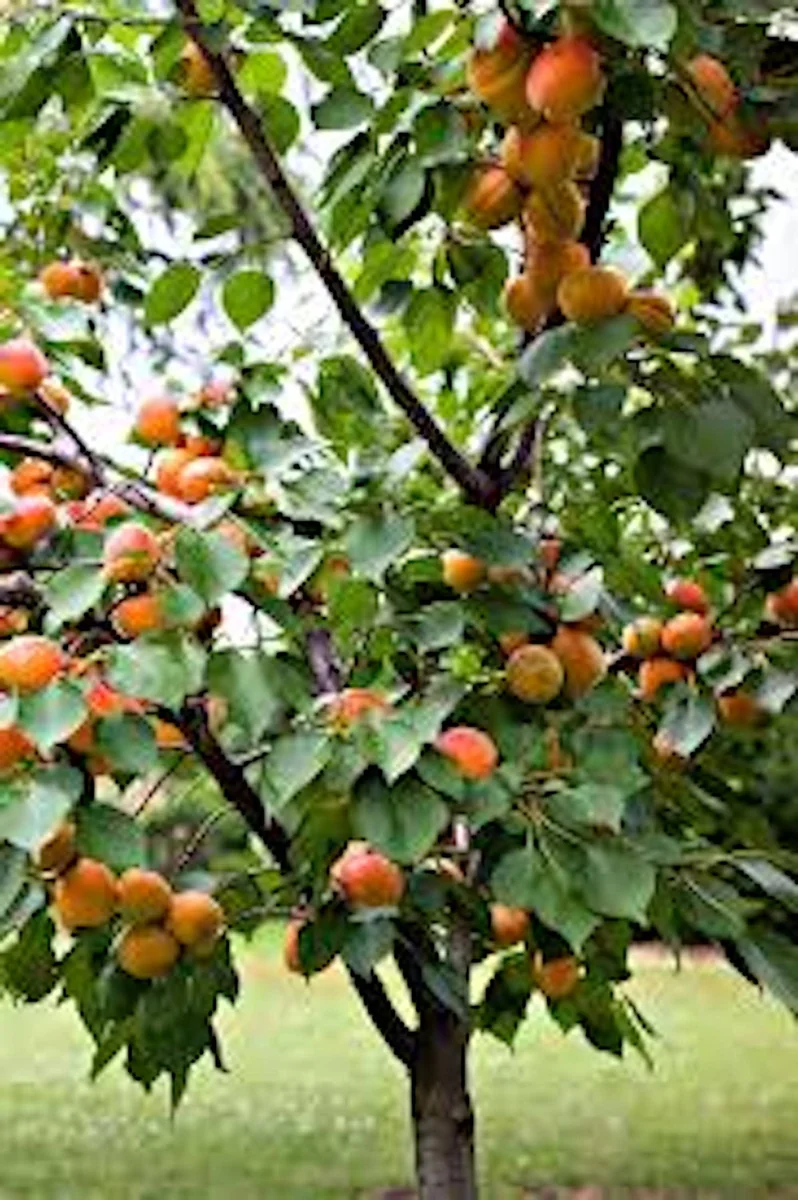
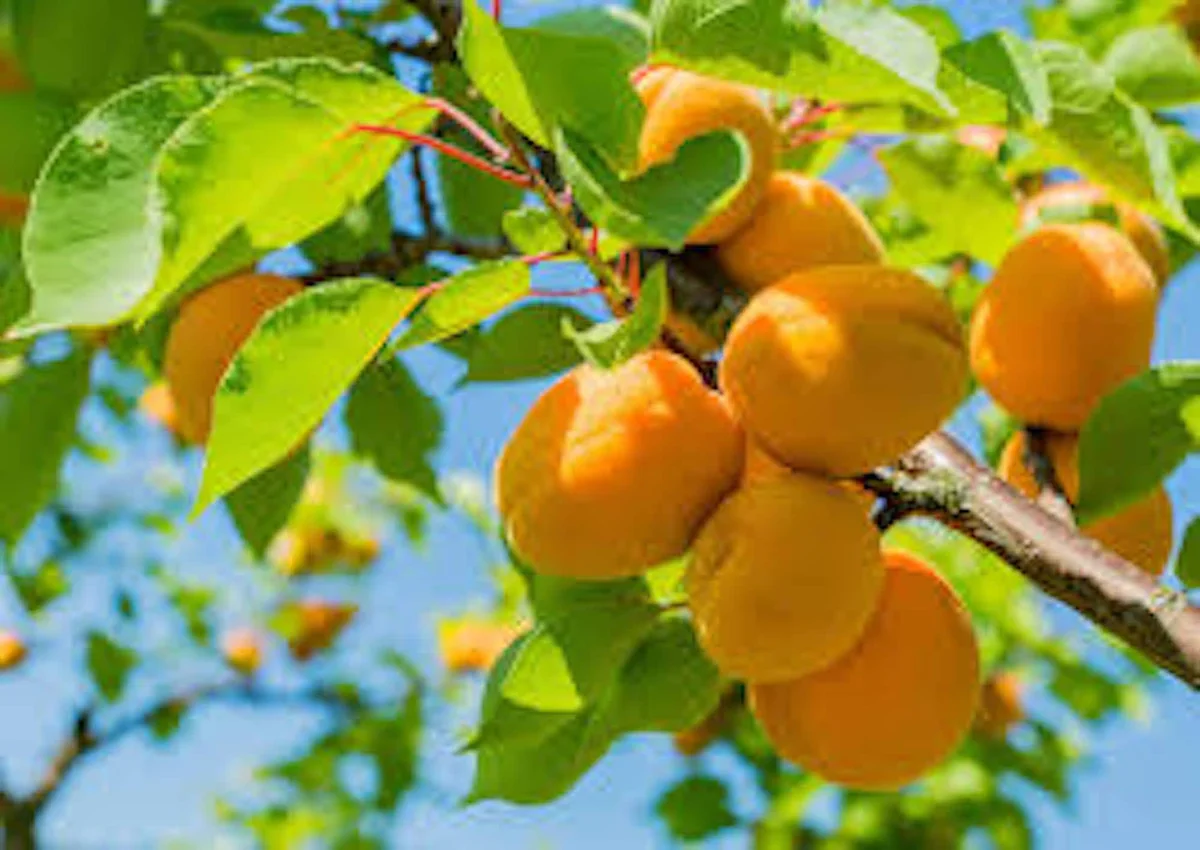
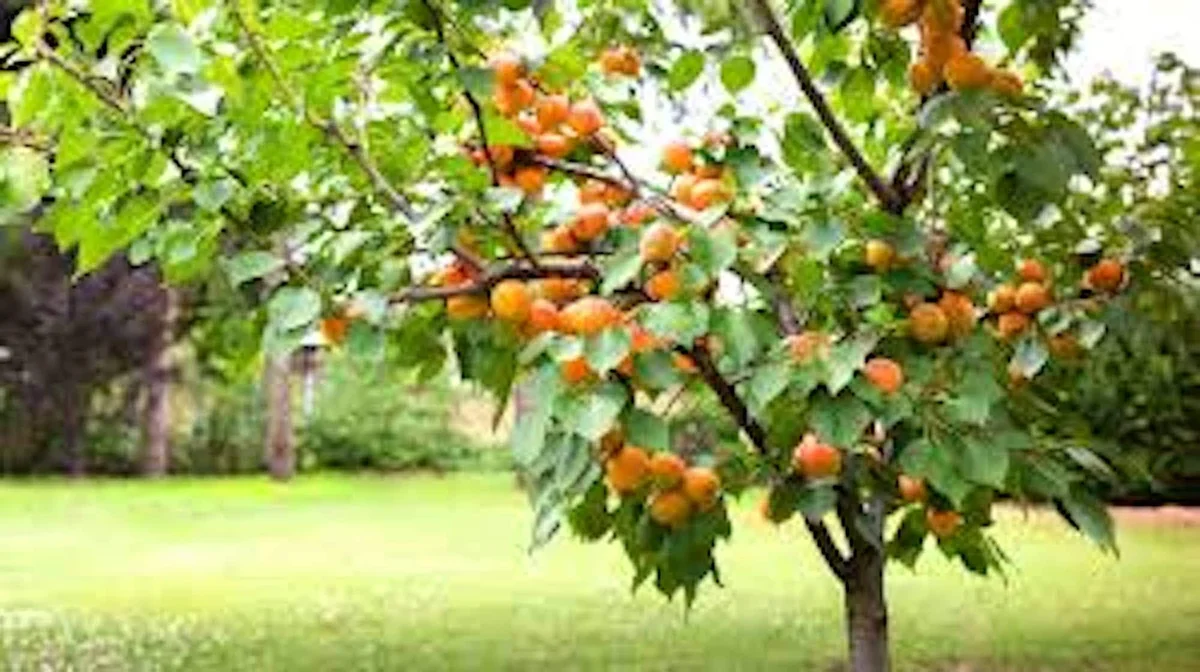
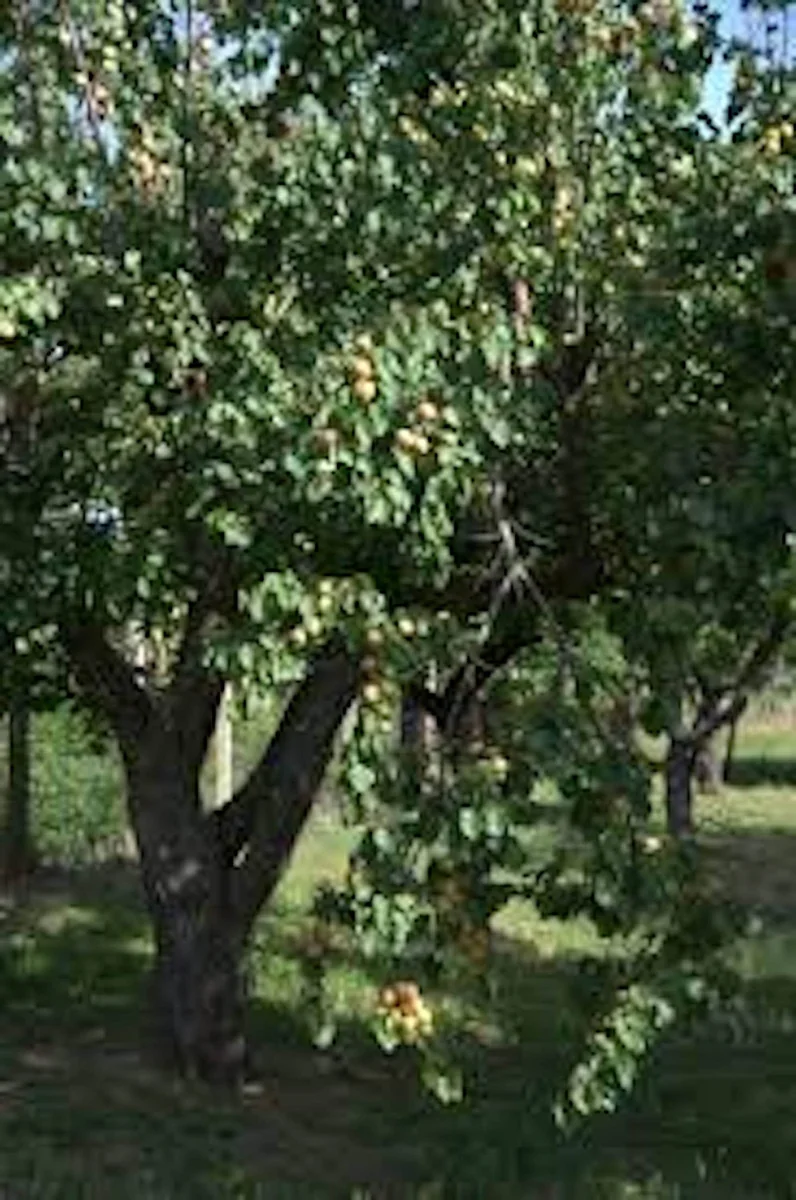
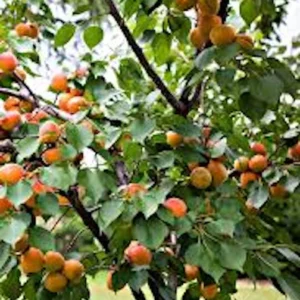
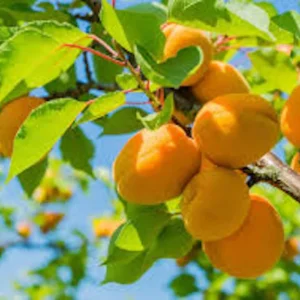
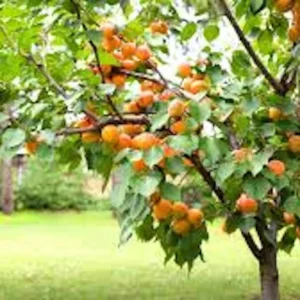
Bring the joy of homegrown fruit to your yard with a hardy apricot tree live plant. Scientifically known as Prunus armeniaca, this deciduous tree is celebrated for its stunning display of white or pink flowers in early spring, which precede the development of its cherished yellow-orange fruit. As a relatively small tree, typically reaching heights of 15-40 feet with a spreading canopy, it’s an ideal choice for many home gardens. The tree’s attractive oval-shaped, pointed leaves with serrated edges and reddish stems add year-round visual interest. This Prunus armeniaca fruit starter is delivered as a live, bare-root plant, ready for you to establish it in your landscape and begin its journey towards maturity and fruit production.
Growing your own fruit is a rewarding experience, and this hardy apricot tree live plant makes it accessible. Apricot trees are a fantastic choice for those looking to add both aesthetic appeal and edible produce to their outdoor space. They are known for their resilience and ability to thrive in various climates, making them a popular choice among fruit tree enthusiasts. With proper care, your apricot tree will provide years of beauty and delicious harvests.
Key Benefits
Adding an apricot tree to your garden offers a multitude of benefits, from its ornamental value to the delicious fruit it produces. This hardy apricot tree live plant is an excellent investment for any gardener.
- Delicious Homegrown Fruit: Enjoy sweet, juicy yellow-orange apricots straight from your own tree. Homegrown fruit often tastes superior to store-bought, offering a fresh, natural flavor.
- Beautiful Spring Blooms: Before the fruit appears, the tree adorns itself with exquisite white or pink flowers, providing a stunning visual display in early spring and attracting pollinators to your garden.
- Ornamental Value: Beyond its fruit, the hardy apricot tree live plant is an attractive deciduous tree with a graceful, spreading canopy and distinctive oval leaves, enhancing the beauty of your landscape throughout the seasons.
- Relatively Compact Size: Typically growing to 15-40 feet, this tree is manageable for many home gardens, offering a significant harvest without requiring an excessively large space.
- Long-Term Investment: A well-cared-for apricot tree can produce fruit for many years, providing a sustainable source of fresh produce and increasing the value of your property.
- Attracts Wildlife: The flowers attract bees and other beneficial pollinators, contributing to a healthy garden ecosystem, and the fruit can also be a treat for local birds (if you’re willing to share!).
- Educational for Families: Growing apricot trees can be a wonderful educational experience for children, teaching them about plant life cycles, gardening, and where food comes from.
Plant Care & Growing Tips
Proper apricot tree care is essential for a healthy tree and a bountiful harvest. Apricot trees thrive in specific conditions and require consistent attention, especially during their establishment phase. They generally prefer a location that receives full sun, meaning at least 6-8 hours of direct sunlight per day. Good air circulation is also important to prevent fungal diseases. When considering where to plant your Prunus armeniaca fruit starter, choose a site with well-draining soil to prevent root rot.
Watering is crucial, especially for young trees and during dry periods. Water deeply and regularly, ensuring the soil remains consistently moist but not waterlogged. Once established, apricot trees are somewhat drought-tolerant but will produce better fruit with consistent moisture. For optimal growth, feed your tree with a balanced fertilizer in early spring before new growth begins, and again after fruit set. Pruning is also a vital aspect of apricot tree care; prune in late winter or early spring to shape the tree, remove dead or diseased branches, and encourage fruit production. Protecting young trees from pests and diseases is important, so monitor for common issues and address them promptly.
Apricot trees are generally hardy in USDA zones 5-8, though some varieties can tolerate colder or warmer climates. Understanding the specific needs of your hardy apricot tree live plant will ensure its success and provide you with many years of delicious fruit. For those interested in growing apricot trees, research local varieties and best practices for your specific region, which can greatly enhance your success. Learning about the best apricot varieties for your area can also help you choose the ideal tree for your climate and taste preferences.
Size & Details
This offering is for 1 hardy apricot tree live plant, delivered as a bare-root starter plant. As a deciduous tree, it will typically reach a mature height of 15-40 feet with a spreading canopy, making it a medium-sized fruit tree suitable for many gardens. The actual size at the time of shipment will vary depending on the growing season and specific nursery stock, but it will be a viable starter plant ready for immediate planting. Bare-root plants are dormant when shipped, which helps them establish quickly once planted.
Upon arrival, plant your Prunus armeniaca fruit starter promptly in its permanent location. Expect growth to begin in the spring, with flowering and fruit production typically starting within 3-5 years, depending on growing conditions and care. This tree is designed for outdoor cultivation and will require adequate space to grow to its mature size. The leaves are oval-shaped with serrated edges and reddish stems, adding to its visual appeal even before fruit appears.
Frequently Asked Questions
- Q: How big does this hardy apricot tree live plant get? A: A: This apricot tree typically reaches a mature height of 15-40 feet with a spreading canopy, making it a medium-sized tree suitable for most home gardens. Its final size depends on growing conditions and pruning.
- Q: Is this an indoor or outdoor plant? A: This is an outdoor deciduous fruit tree. It requires exposure to seasonal changes, including a dormant period, to properly flower and produce fruit.
- Q: How much sunlight does an apricot tree need? A: Apricot trees thrive in full sun, requiring at least 6-8 hours of direct sunlight per day for optimal growth and fruit production.
- Q: Is this plant easy to care for? A: While apricot tree care requires some attention, especially with watering, pruning, and fertilization, it is generally considered a manageable fruit tree for gardeners with some experience or a willingness to learn.
- Q: What condition will the Prunus armeniaca fruit starter arrive in? A: The plant will arrive as a bare-root starter, meaning it will be dormant and without soil around its roots. This is a common and effective method for shipping deciduous trees.
- Q: When is the best time to plant this apricot tree? A: The best time to plant bare-root apricot trees is in late winter or early spring, while the tree is still dormant, before new growth begins.
- Q: How long until this tree produces fruit? A: You can typically expect your hardy apricot tree live plant to begin producing fruit within 3-5 years after planting, depending on environmental conditions and proper care.
- Q: What kind of soil does this tree prefer for growing apricot trees? A: Apricot trees prefer well-draining soil. A loamy soil with a neutral pH (6.0-7.0) is ideal, but they can tolerate a range of soil types as long as drainage is good.
- Q: Will this tree survive winter in my zone? A: Apricot trees are generally hardy in USDA Zones 5-8. Check your local USDA hardiness zone to ensure it’s suitable for your climate.
- Q: What are some of the best apricot varieties for home gardens? A: While this listing is for a generic hardy apricot, popular varieties often include ‘Blenheim’, ‘Tilton’, ‘Moorpark’, and ‘Goldcot’, known for their flavor and adaptability.
Related products
-50%
Original price was: $73.98.$36.99Current price is: $36.99.

-20%
Original price was: $36.00.$28.80Current price is: $28.80.
PLANTING & CARE
Growing Glencoe Raspberry: A Complete Guide for Gardeners
If you’re looking to add something unique to your garden, look no further than the
31
Mar
Mar

The Comprehensive Guide to Growing Bay Leaf Plants for a Flavorful Garden
Imagine stepping into your garden, greeted by the earthy aroma of fresh bay leaves, their
09
Feb
Feb

How to Make Comfrey Tea: The Ultimate Organic Plant Food
Growing an organic garden can be surprisingly expensive, especially when most store-bought fertilizers come in
02
Feb
Feb

True Comfrey: 7 Essential Tips Before You Plant This Herb
A staple in permaculture practices across the US, True Comfrey easily earns its reputation as
27
Jan
Jan

7 Heart-Shaped Plants for a Lasting Valentine’s Gift
If you’ve ever bought a bouquet of roses for Valentine’s Day, you know they are
26
Jan
Jan

Best Types of Ivy Plant for Houses: How to Choose the Perfect Ones for Your Home
Are you a garden lover looking to introduce some greenery into your home? Maybe you’ve
14
Nov
Nov

When to Harvest Garlic (Especially Fall-Planted Garlic)
TIMING IS EVERYTHING, they say – and for garlic, that truth hits with surprising accuracy.
13
Nov
Nov

11 of the Best Sweet Potato Varieties to Grow for Your Garden
If you’ve ever tried growing sweet potatoes, you know that picking the right variety can
12
Nov
Nov