Lemon Balm Live Plant – 4″ Pot Fragrant Herb for Tea & Cooking, Perennial


Lemon Balm Live Plant – 4″ Pot Fragrant Herb for Tea & Cooking, Perennial
Bring home a vibrant lemon balm live plant in a 4″ pot, perfect for enhancing your garden or kitchen. This fragrant perennial herb is easy to grow, offering leaves for delicious teas, cooking, and traditional medicinal uses.
$19.78

With our Alive & Thrive Guarantee, we’ve got your back for the first 30 days! If you have any concerns about your plants, just reach out to us. Our team is here to help answer your questions and guide you in selecting the best plants for your garden, climate, and unique preferences. We're excited to help you create the garden of your dreams!
Estimated arrival
Oct 21
Oct 26 - Oct 28
Oct 31 - Nov 04
Product Details
-
USDA Hardiness Zone
USDA zones 4-9 -
Soil type
Well-draining soil, rich in organic matter -
Sunlight Exposure
Full sun to partial shade -
Expected Planting Period
Spring to early summer
Overview
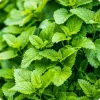
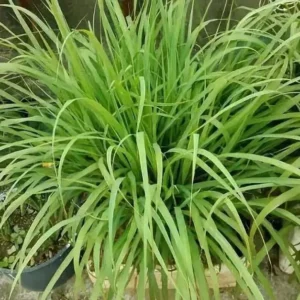
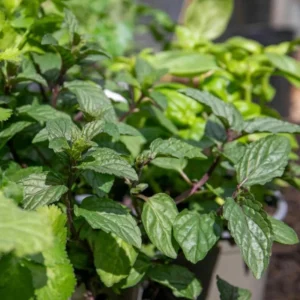
Discover the joy of cultivating your own lemon balm live plant, a delightful addition to any garden or kitchen. Known scientifically as Melissa officinalis, lemon balm is a fragrant member of the mint family, celebrated for its refreshing citrusy scent and flavor. This starter plant, provided in a 4″ pot, is ready to thrive in your care, bringing both beauty and utility. Whether you’re an experienced gardener or just starting, growing lemon balm is a rewarding experience. Its lush green foliage and pleasant aroma make it a favorite for both ornamental and practical purposes, easily transforming a sunny spot into a aromatic haven.
Our lemon balm live plant is a perennial herb, meaning it will return year after year, providing a continuous supply of its beneficial leaves. It’s an incredibly versatile herb, perfect for a wide range of applications from culinary delights to soothing herbal remedies. The plant’s vigorous growth habit and resilience make it an excellent choice for gardeners looking for a low-maintenance yet highly rewarding herb. Embrace the natural goodness and fresh scent that a lemon balm live plant brings to your home and garden.
Key Benefits
The lemon balm live plant offers a multitude of benefits, making it an indispensable herb for any enthusiast. From its delightful fragrance to its practical applications, this plant is a true garden gem.
-
Aromatic & Culinary Delight: Enjoy the fresh, lemony scent and mild citrus flavor of lemon balm leaves. Perfect for enhancing teas, infusing beverages, flavoring desserts, and adding a bright note to savory dishes. Its versatility in the kitchen is unmatched, offering a healthy and flavorful alternative to artificial seasonings.
-
Soothing Herbal Tea: Brew fresh or dried lemon balm leaves into a calming herbal tea. Known for its relaxing properties, a cup of lemon balm tea can help soothe nerves and promote restful sleep. It’s a natural and gentle way to unwind after a long day.
-
Medicinal Uses: Historically, medicinal lemon balm has been used for its potential antiviral, antibacterial, and antioxidant properties. It’s often employed in traditional medicine to alleviate stress, anxiety, and digestive discomfort. Growing your own ensures a fresh supply for these traditional remedies.
-
Attracts Pollinators: The small, delicate flowers of the lemon balm live plant are a magnet for bees and other beneficial pollinators, contributing to a healthier garden ecosystem. This makes it an excellent choice for companion planting and supporting local wildlife.
-
Easy to Grow Perennial: This robust perennial herb is remarkably easy to care for, thriving in a variety of conditions. Once established, it requires minimal attention, making it ideal for both novice and experienced gardeners. The resilience of this plant ensures a bountiful harvest season after season.
-
Repellent Properties: The strong lemon scent of lemon balm can help deter some common garden pests, acting as a natural and chemical-free deterrent around your patio or garden beds.
Plant Care & Growing Tips
Successful lemon balm care is straightforward, making it an excellent choice for gardeners of all skill levels. This hardy herb thrives with a bit of attention to its basic needs. For optimal growth, plant your lemon balm live plant in a location that receives full sun to partial shade. In hotter climates, some afternoon shade is beneficial to prevent scorching. Aim for at least 6 hours of direct sunlight for the most vigorous growth and aromatic leaves. When growing lemon balm, good air circulation is also important to prevent fungal issues.
Lemon balm prefers well-draining soil that is rich in organic matter. While it can tolerate a range of soil types, consistently soggy conditions should be avoided. Water regularly, especially during dry spells, keeping the soil consistently moist but not waterlogged. Allow the top inch of soil to dry out between waterings. Fertilize sparingly; a balanced, all-purpose liquid fertilizer applied once in spring and again in mid-summer is usually sufficient. Over-fertilization can lead to leggy growth and reduced fragrance. Pruning regularly by harvesting leaves will encourage bushier growth and prevent the plant from becoming leggy. Pinch back flower stalks to redirect energy into foliage production, which is key for maximizing your harvest of lemon balm for tea and culinary uses.
This plant is quite resilient but can sometimes be affected by powdery mildew in humid conditions. Ensure good air circulation and avoid overhead watering to minimize this risk. Growing lemon balm is generally pest-free, though occasional aphids might appear. A strong spray of water or insecticidal soap can manage these. Lemon balm is known to self-seed readily, so if you wish to control its spread, consider deadheading flowers before they go to seed or growing it in containers.
Size & Details
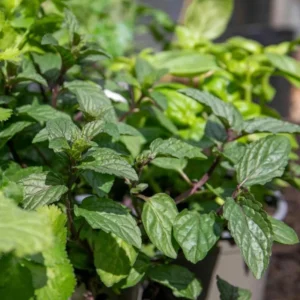
This offering is for one healthy lemon balm live plant, shipped in a 4-inch nursery pot. At the time of shipping, the plant will typically stand between 4 to 8 inches tall, ready to be transplanted into your garden or a larger container. Lemon balm is a fast-growing perennial that can reach a mature height of 18 to 24 inches with a similar spread when established in optimal conditions. Its bushy growth habit makes it an attractive filler in herb gardens or as a border plant. This plant is shipped in its nursery pot to ensure minimal stress during transit and ease of planting upon arrival. Expect vibrant green foliage that releases its characteristic lemon scent with a gentle touch. It is generally hardy in USDA zones 4-9, making it suitable for a wide range of climates.
Frequently Asked Questions
-
Q: How big does this plant get? A: Your lemon balm live plant will arrive in a 4-inch pot and can grow to a mature size of 18-24 inches tall and wide when planted in the ground, depending on growing conditions and climate. Regular harvesting encourages bushier growth.
-
Q: Is this an indoor or outdoor plant? A: While primarily an outdoor garden plant, lemon balm can be grown indoors in a sunny window with adequate light. It thrives outdoors in full sun to partial shade, where it can reach its full potential.
-
Q: How much sunlight does it need? A: For best results, your lemon balm live plant needs at least 6 hours of direct sunlight per day. In very hot climates, providing some afternoon shade can prevent leaf scorch.
-
Q: Is this plant easy to care for? A: Yes, growing lemon balm is considered very easy. It’s a low-maintenance perennial that is forgiving of various soil types and only requires consistent watering and occasional pruning.
-
Q: What condition will it arrive in? A: Your lemon balm live plant will be carefully packaged and shipped in its 4-inch nursery pot, ensuring it arrives healthy and ready for planting. We take great care to protect the plant during transit.
-
Q: Can I use lemon balm in cooking and tea? A: Absolutely! Lemon balm for tea is a classic use, and its refreshing citrus flavor is excellent in salads, desserts, and various savory dishes. It’s a versatile culinary herb.
-
Q: What are the medicinal uses of lemon balm? A: Historically, medicinal lemon balm has been used to alleviate stress, anxiety, improve sleep, and aid digestion. It’s known for its calming properties and can be enjoyed as an herbal infusion.
-
Q: When is the best time to plant lemon balm? A: The best time to plant your lemon balm live plant is in spring after the last frost, or in early fall in milder climates. It establishes quickly and will provide a harvest throughout the growing season.
-
Q: Will it survive winter in my zone? A: Lemon balm is a hardy perennial typically suitable for USDA Zones 4-9. In colder zones, it will die back in winter and regrow from the roots in spring. In warmer zones, it may remain evergreen.
-
Q: Does lemon balm attract bees? A: Yes, lemon balm is well-known for attracting bees and other beneficial pollinators, making it a great addition to a pollinator-friendly garden.
Related products
-30%
Original price was: $59.98.$41.98Current price is: $41.98.
-10%
Original price was: $65.00.$58.50Current price is: $58.50.
-50%
Original price was: $59.96.$29.98Current price is: $29.98.
-30%
Original price was: $59.98.$41.98Current price is: $41.98.
-30%
Original price was: $67.98.$47.58Current price is: $47.58.
-50%
Original price was: $47.96.$23.98Current price is: $23.98.
-50%
Original price was: $107.96.$53.98Current price is: $53.98.
-67%
Original price was: $39.72.$13.24Current price is: $13.24.
PLANTING & CARE
Lemon Tree Growing: Choose, Plant, and Harvest
Learn how to choose, plant, feed, and protect a lemon tree so it fits your
23
Sep
Sep
Dwarf Meyer Lemon Tree Australia: Climate Guide
Learn where dwarf Meyer lemon trees grow, how much cold they tolerate, and whether Australia,
Where to Buy a Dwarf Meyer Lemon Tree: Buyer’s Guide
Find the right dwarf Meyer lemon tree online or locally, compare starter sizes and costs,
Dwarf Meyer Lemon Tree for Sale: Buying Guide
Compare Meyer lemon tree sizes, prices, shipping limits, indoor growing and California options before you
Dwarf Meyer Lemon Tree Guide: Size, Care and Fruit
META: Learn how large a dwarf Meyer lemon tree grows, where it thrives, and how
How to Prune a Dwarf Meyer Lemon Tree
Learn when and how to prune a dwarf Meyer lemon tree, including tools, shaping cuts,
Can You Grow a Dwarf Meyer Lemon Tree in a Pot?
META: Learn how to grow a dwarf Meyer lemon tree in a pot, including container
When Do Dwarf Meyer Lemon Trees Bloom and Fruit?
META: Dwarf Meyer lemon trees usually bloom from winter through spring and may flower again