Vitex Blue Chaste Tree Live Starter Plant – 4 inch Pot – Medicinal Herb
Vitex Blue Chaste Tree Live Starter Plant – 4 inch Pot – Medicinal Herb
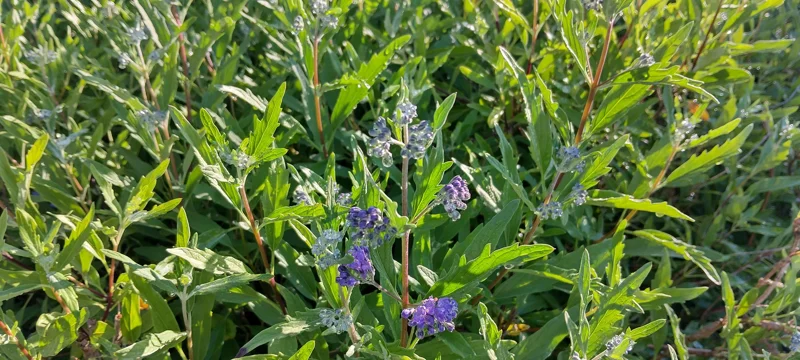
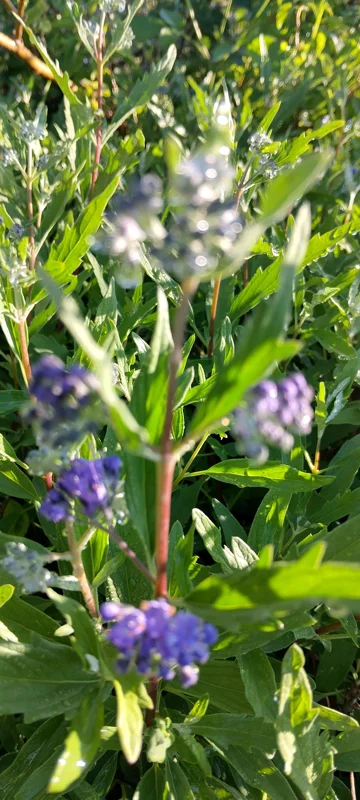
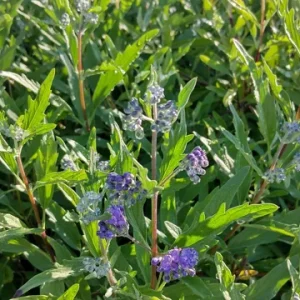
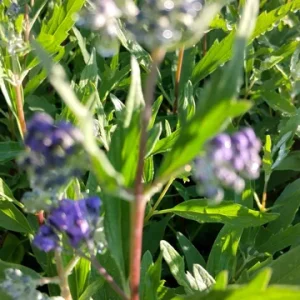
Bring home a beautiful vitex blue chaste tree starter plant, known for its stunning blue-purple flower spikes and traditional uses as a medicinal herb plant. This resilient plant is perfect for garden beds or large containers, attracting pollinators and adding vibrant color.
$21.98

With our Alive & Thrive Guarantee, we’ve got your back for the first 30 days! If you have any concerns about your plants, just reach out to us. Our team is here to help answer your questions and guide you in selecting the best plants for your garden, climate, and unique preferences. We're excited to help you create the garden of your dreams!
Estimated arrival
Oct 21
Oct 26 - Oct 28
Oct 31 - Nov 04
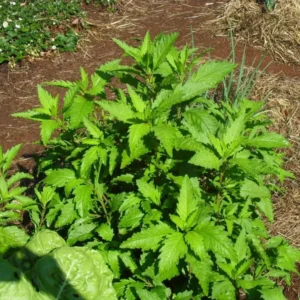
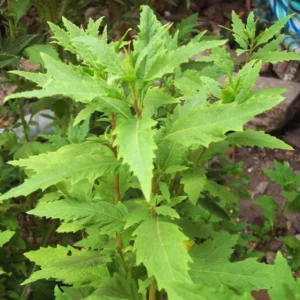
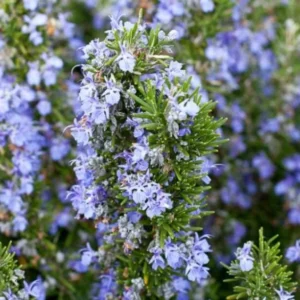
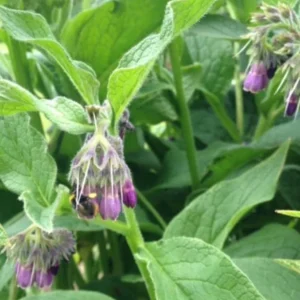
Product Details
-
USDA Hardiness Zone
USDA zones 5-9 -
Soil type
Well-draining soil -
Sunlight Exposure
Full sun -
Expected Planting Period
Spring to early summer
Overview
The vitex blue chaste tree, scientifically known as Vitex agnus-castus, is a fascinating and versatile plant often referred to as the chasteberry tree. This live starter plant offers both ornamental beauty and a rich history of use as a medicinal herb plant. Originating from the Mediterranean region, the Vitex tree is revered for its striking blue-purple flower spikes that bloom profusely from summer into fall, creating a spectacular display in any garden. Beyond its aesthetic appeal, the chasteberry plant has been cultivated for centuries for its berries, which are traditionally used in herbal remedies. Growing into a large shrub or small tree, it is a resilient and low-maintenance addition to your landscape.
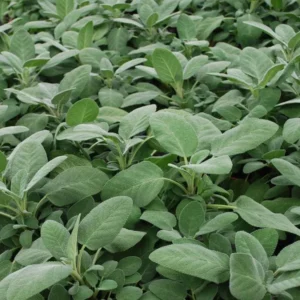
Our vitex blue chaste tree is a robust live starter plant, ready to establish itself in your garden. It provides an excellent opportunity to cultivate a plant with both visual charm and historical significance. Whether you’re an experienced gardener or just starting, this plant offers a rewarding growing experience. Its fragrant foliage and flowers not only enhance your outdoor space but also attract beneficial pollinators like bees and butterflies, contributing to a healthy ecosystem. The beauty of the Vitex is truly captivating, making it a focal point in any setting.
Key Benefits
The vitex blue chaste tree offers a multitude of benefits, from its stunning visual appeal to its historical and ecological significance. This versatile plant is a valuable addition to various garden styles and provides a unique combination of features.
- Vibrant Ornamental Appeal: The Vitex produces beautiful, fragrant blue-purple flower spikes that last for an extended period, providing a continuous splash of color from summer through fall. Its elegant form and prolific blooms make it an excellent specimen plant or a striking addition to mixed borders.
- Attracts Pollinators: The nectar-rich flowers of the vitex blue chaste tree are a magnet for bees, butterflies, and other beneficial insects, helping to support local ecosystems and improve pollination for other plants in your garden. This makes it an eco-friendly choice for any gardener.
- Medicinal Herb Plant: Historically, the berries of the chasteberry plant have been used in traditional herbal medicine for various purposes. Growing your own allows for a deeper connection to these ancient practices and the potential to explore its natural properties.
- Drought Tolerant & Low Maintenance: Once established, this plant is remarkably drought-tolerant and requires minimal care, making it an ideal choice for gardeners seeking a beautiful yet easy-to-grow shrub or small tree. It can thrive in a variety of conditions, reducing the need for constant attention.
- Versatile Landscape Use: The vitex agnus-castus can be grown as a large shrub, a small multi-stemmed tree, or even pruned into a hedge. Its adaptability makes it suitable for various landscape designs, from formal gardens to more naturalistic settings.
- Deer Resistant: The aromatic foliage of the Vitex often deters deer, providing a natural defense against common garden pests and helping to protect your valuable plants.
- Long Blooming Season: Enjoy months of continuous bloom with the Vitex, ensuring your garden remains vibrant and colorful throughout much of the warmer seasons, long after many other plants have finished flowering.
Plant Care & Growing Tips
Caring for your vitex blue chaste tree is relatively straightforward, as it is a hardy and adaptable plant. For optimal growth and flowering, site selection and proper initial care are crucial. This plant thrives in sunny locations, requiring at least six hours of direct sunlight per day to produce its best blooms. While it can tolerate some partial shade, too little sun will result in fewer flowers and a leggy growth habit. When planting, ensure the soil is well-draining, as Vitex does not like to sit in waterlogged conditions.
Watering should be consistent during the first growing season to help the plant establish a strong root system. Once established, the vitex live plant is remarkably drought-tolerant and will only need supplemental watering during prolonged dry spells. Overwatering can lead to root rot, so always check the soil moisture before watering again. For soil, a wide range of types are acceptable, from sandy to clay, as long as drainage is good. Amending heavy clay soils with organic matter can improve both drainage and fertility. Fertilization is generally not heavily required; a balanced, slow-release fertilizer in early spring can encourage vigorous growth and abundant blooms, but avoid over-fertilizing.
Pruning is beneficial for shaping the vitex agnus-castus and encouraging more prolific flowering. Since it blooms on new wood, prune in late winter or early spring before new growth begins. You can remove any dead or crossing branches and shape the plant to maintain its desired size and form. If you want to grow it as a small tree, select a strong central leader and remove lower branches. Common problems are few, but watch for leaf spot or powdery mildew in humid conditions; ensuring good air circulation can help prevent these issues. The resilience of this chasteberry plant makes it a joy to grow.
Size & Details
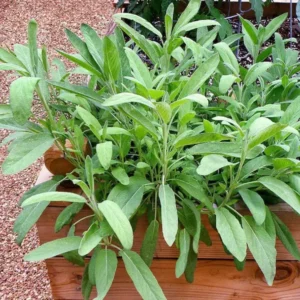
This offering is for one vitex blue chaste tree live starter plant, typically shipped in a 4-inch nursery growing pot. While the exact height at shipment may vary, these young plants are well-rooted and ready for transplanting into your garden or a larger container. The Vitex is a fast-growing plant, capable of reaching heights of 10-20 feet with a similar spread when mature, though it can be kept smaller with regular pruning. It typically forms a multi-stemmed shrub but can be trained into a small tree. Expect to see its beautiful blue flowers from early summer through fall, attracting a variety of pollinators.
The growth rate can be quite rapid once established, often adding 1-2 feet per year. With proper care, your vitex live plant will quickly become a prominent and cherished feature in your landscape. It is deciduous, meaning it will drop its leaves in winter, but its robust nature ensures a strong return of foliage and flowers each spring. This medicinal herb plant is a long-lived species, providing many years of beauty and benefit.
Frequently Asked Questions
- Q: How big does this vitex blue chaste tree get? A: A: When mature, the vitex blue chaste tree can grow to be 10-20 feet tall and wide if left unpruned. Its size can be managed with regular pruning to fit your garden space.
- Q: Is this an indoor or outdoor plant? A: The vitex blue chaste tree is primarily an outdoor plant, thriving in garden beds or large outdoor containers. It is not typically grown as a houseplant due to its size and light requirements.
- Q: How much sunlight does the vitex live plant need? A: This plant requires full sun, meaning at least 6 hours of direct sunlight per day, to produce the most abundant and vibrant blue flowers. It can tolerate partial sun but may have fewer blooms.
- Q: What condition will the chasteberry plant arrive in? A: Your chasteberry plant will arrive as a healthy, live starter plant, well-rooted in a 4-inch nursery pot. It will be carefully packaged to ensure it reaches you in the best possible condition, ready for planting.
- Q: Is this plant easy to care for? A: Yes, the vitex agnus-castus is considered a low-maintenance and easy-to-care-for plant once established. It is drought-tolerant and generally pest and disease resistant, making it suitable for gardeners of all experience levels.
- Q: How long until the vitex blue chaste tree blooms? A: Depending on the age of the starter plant and growing conditions, you can expect your vitex blue chaste tree to begin blooming within one to two years after planting, with established plants flowering profusely each summer.
- Q: Will this medicinal herb plant survive winter in my zone? A: The Vitex is generally hardy in USDA Zones 5-9. In colder zones, it may die back to the ground but often regrows from the roots in spring, behaving more like a perennial. In warmer zones, it will maintain its woody structure.
- Q: What type of soil does the vitex live plant prefer? A: This plant is adaptable to a variety of soil types, but it absolutely requires well-draining soil. It does not tolerate consistently wet or waterlogged conditions, which can lead to root issues.
- Q: Does the chasteberry plant attract any pests? A: The chasteberry plant is generally pest-resistant. Its aromatic foliage tends to deter common garden pests like deer. Occasionally, you might see some minor insect activity, but serious infestations are rare.
- Q: Can I grow the vitex agnus-castus in a container? A: Yes, you can grow vitex agnus-castus in a large container, especially if you live in a colder climate and wish to protect it over winter. Ensure the container has excellent drainage and is large enough to accommodate its root system.
Related products
-30%
Original price was: $59.98.$41.98Current price is: $41.98.
-48%
Original price was: $39.99.$20.99Current price is: $20.99.
-20%
From Original price was: $22.00.$17.60Current price is: $17.60.
-67%
Original price was: $75.72.$25.24Current price is: $25.24.
-30%
Original price was: $59.98.$41.98Current price is: $41.98.
-50%
Original price was: $59.96.$29.98Current price is: $29.98.
-49%
Original price was: $60.99.$30.99Current price is: $30.99.
PLANTING & CARE
Lemon Tree Growing: Choose, Plant, and Harvest
Learn how to choose, plant, feed, and protect a lemon tree so it fits your
23
Sep
Sep
Dwarf Meyer Lemon Tree Australia: Climate Guide
Learn where dwarf Meyer lemon trees grow, how much cold they tolerate, and whether Australia,
Where to Buy a Dwarf Meyer Lemon Tree: Buyer’s Guide
Find the right dwarf Meyer lemon tree online or locally, compare starter sizes and costs,
Dwarf Meyer Lemon Tree for Sale: Buying Guide
Compare Meyer lemon tree sizes, prices, shipping limits, indoor growing and California options before you
Dwarf Meyer Lemon Tree Guide: Size, Care and Fruit
META: Learn how large a dwarf Meyer lemon tree grows, where it thrives, and how
How to Prune a Dwarf Meyer Lemon Tree
Learn when and how to prune a dwarf Meyer lemon tree, including tools, shaping cuts,
Can You Grow a Dwarf Meyer Lemon Tree in a Pot?
META: Learn how to grow a dwarf Meyer lemon tree in a pot, including container
When Do Dwarf Meyer Lemon Trees Bloom and Fruit?
META: Dwarf Meyer lemon trees usually bloom from winter through spring and may flower again