Light Purple Crape Myrtle Live Plant – 18-24″ Tall Shrub in 4-inch Pot
-10%
Light Purple Crape Myrtle Live Plant – 18-24″ Tall Shrub in 4-inch Pot
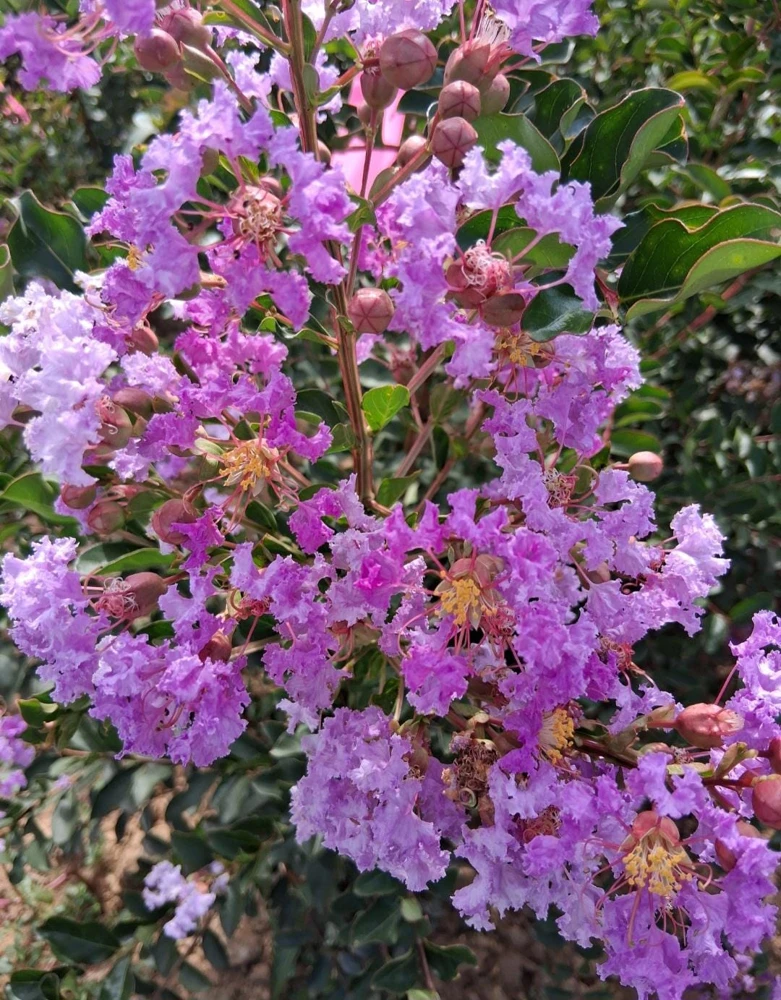
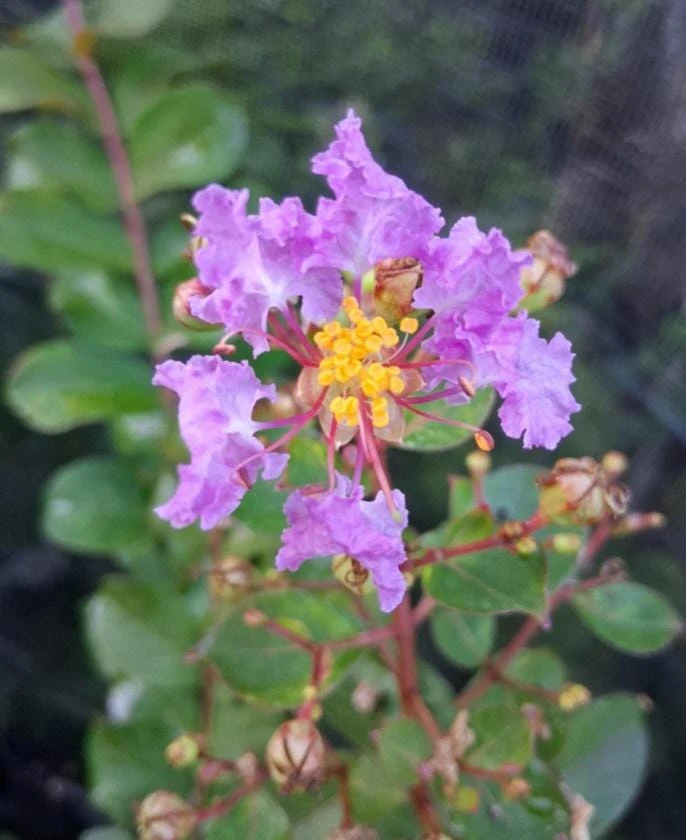
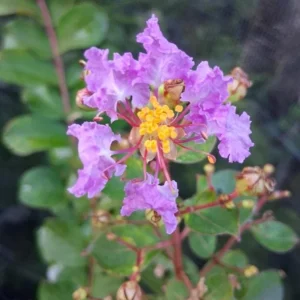
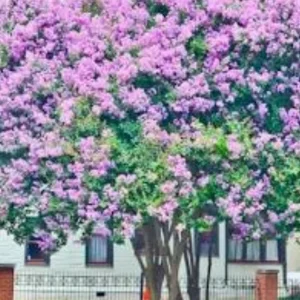
Add stunning color to your landscape with a light purple crape myrtle live plant. This 18-24″ tall flowering shrub in a 4-inch pot offers beautiful lavender blooms and attractive bark. Ideal for full sun, it’s a heat and drought-tolerant choice for zones 6-10.
Original price was: $32.00.$28.80Current price is: $28.80.

With our Alive & Thrive Guarantee, we’ve got your back for the first 30 days! If you have any concerns about your plants, just reach out to us. Our team is here to help answer your questions and guide you in selecting the best plants for your garden, climate, and unique preferences. We're excited to help you create the garden of your dreams!
Estimated arrival
Oct 14
Oct 19 - Oct 21
Oct 24 - Oct 28



Product Details
-
USDA Hardiness Zone
Zones 6-10 -
Soil type
Well-draining soil -
Sunlight Exposure
Full sun -
Expected Planting Period
Spring to early summer
Overview
Introduce a touch of elegance and vibrant color to your garden with the exquisite light purple crape myrtle live plant. This beautiful flowering shrub, also known as the southern lilac, is celebrated for its showy lavender blooms that appear from summer well into fall, earning it the nickname “plant of the 100-day bloom.” Our light purple crape myrtle comes as a healthy, established plant, typically 18-24 inches tall, ready to thrive in your outdoor space. Beyond its prolific floral display, this Lagerstroemia variety offers attractive multi-colored bark and brilliant fall foliage, providing year-round visual interest. Fast-growing and versatile, it can be cultivated as a stately shrub or trained into a small tree, making it an excellent choice for a variety of landscape designs.
The light purple crape myrtle is a robust and adaptable specimen, perfect for gardeners seeking a low-maintenance yet high-impact plant. It flourishes in full sun conditions, showcasing its best growth and most abundant flowers when basking in ample sunlight. Once established, this crape myrtle shrub demonstrates impressive heat and drought tolerance, making it an ideal candidate for warmer climates and water-wise gardening. Whether you’re looking to create a stunning focal point, a colorful border, or a privacy screen, this plant delivers exceptional beauty and performance. Its resilience and striking appearance make it a favorite among landscapers and home gardeners alike.
Key Benefits
The light purple crape myrtle offers a multitude of benefits that make it a standout choice for any garden. Its exceptional qualities ensure a rewarding growing experience and a breathtaking landscape.
- Extended Bloom Period: Enjoy a spectacular display of lavender crape myrtle flowers from summer through fall, often lasting for 100 days or more, providing continuous color when many other plants have faded.
- Attractive Year-Round Interest: Beyond its vibrant blooms, the plant features beautiful exfoliating bark that adds texture and visual appeal to the winter landscape, alongside brilliant fall leaf color.
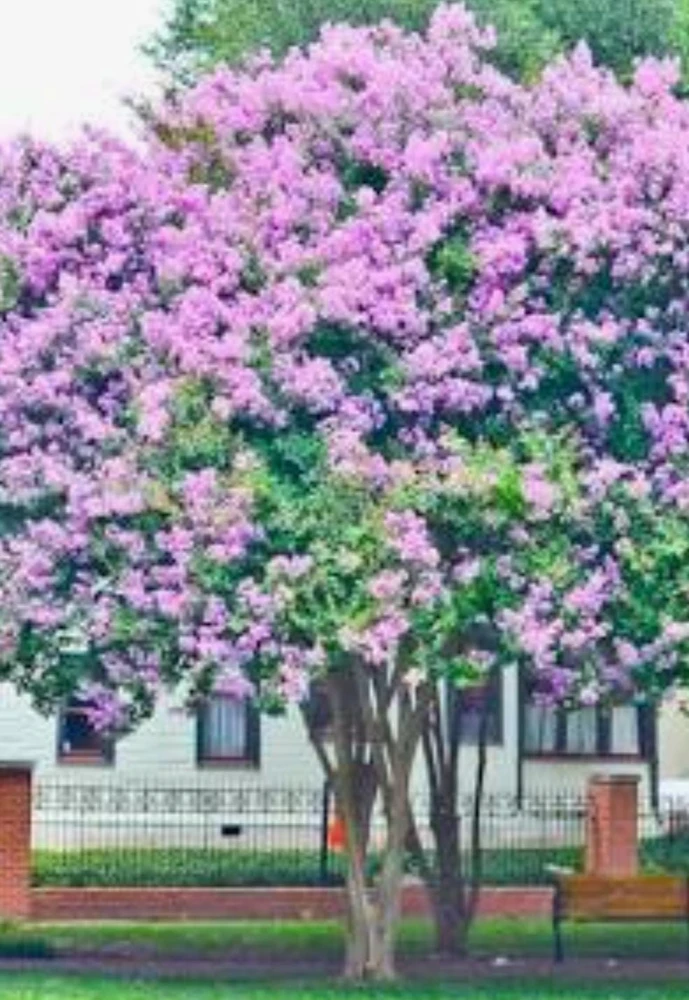
- Versatile Growth Habit: This adaptable plant can be grown as a multi-stemmed shrub or pruned to form a single-trunk tree, fitting seamlessly into various garden designs and spaces.
- Heat and Drought Tolerant: Once established, the light purple crape myrtle is remarkably resilient to high temperatures and periods of drought, making it a sustainable choice for many regions.
- Fast Growing: Experience rapid growth, allowing you to quickly establish a mature and impactful presence in your garden. This makes it an excellent choice for new landscapes or filling in existing beds.
- Low Maintenance: Generally easy to care for, requiring minimal attention once established, aside from occasional pruning for shape and bloom production.
- Pollinator Friendly: The abundant flowers attract beneficial pollinators, contributing to a healthier and more vibrant garden ecosystem.
Plant Care & Growing Tips
Caring for your light purple crape myrtle is relatively straightforward, ensuring years of beautiful blooms and healthy growth. These plants thrive with adequate sunlight and proper watering, especially during their establishment phase. For optimal flowering, plant your crape myrtle shrub in a location that receives full sun, meaning at least six hours of direct sunlight per day. While it tolerates some partial shade, too little sun can reduce flower production and increase susceptibility to powdery mildew. The ideal soil for this plant is well-draining, as soggy roots can lead to problems. A slightly acidic to neutral pH is preferred. When planting, amend heavy clay soils with organic matter to improve drainage and aeration.
Watering is crucial, especially for newly planted lavender crape myrtle plants. Water deeply and regularly during the first year to encourage a strong root system. Once established, they become quite drought tolerant, but occasional deep watering during prolonged dry spells will benefit them. Fertilize in early spring with a balanced, slow-release fertilizer formulated for flowering shrubs. Avoid over-fertilizing, which can promote leafy growth at the expense of flowers. Pruning is best done in late winter or early spring before new growth begins. Remove dead, damaged, or crossing branches, and thin out overcrowded areas to improve air circulation. You can also prune for shape and size, or to encourage a tree-like form. Understanding proper crape myrtle care will help ensure a robust and floriferous plant.
The Lagerstroemia plant is hardy in USDA zones 6-10. In colder parts of its range (zone 6), some dieback may occur in harsh winters, but the plant typically regrows from the roots in spring. Protect young plants in zone 6 with a thick layer of mulch over the root zone during winter. Watch for common pests like aphids, which can be managed with insecticidal soap, and powdery mildew, which can be minimized by ensuring good air circulation and selecting mildew-resistant varieties. Overall, this is a resilient plant that rewards consistent, basic care with spectacular long-lasting blooms.
Size & Details
This offering is for one light purple crape myrtle live plant, measuring approximately 18-24 inches in height from the top of the soil. It is carefully grown and shipped in a 4-inch nursery pot, providing a healthy root system ready for transplanting into your garden. The plant is a young, vigorous specimen, poised for rapid growth once established in its new home. Crape myrtles are known for their fast growth rate, typically adding 1-2 feet per year under ideal conditions. Depending on pruning and growing conditions, this shrub can eventually reach a mature height of 10-20 feet and a spread of 8-15 feet, though many cultivars are more compact. The bloom time is generally from early summer through fall, with the most abundant flowers appearing in mid-summer. Expect a strong, healthy plant that will quickly become a cherished part of your landscape. The exact foliage density and branching structure may vary slightly depending on the season, as these are living plants.
Frequently Asked Questions
- Q: How big does this plant get? A: This light purple crape myrtle plant is currently 18-24 inches tall. With proper care, it can grow to a mature height of 10-20 feet and a width of 8-15 feet, depending on the specific variety and how it’s pruned.
- Q: What size pot does it come in? A: The lavender crape myrtle live plant is shipped in a 4-inch nursery pot, providing ample space for its root system during transit and initial growth.
- Q: Is this an indoor or outdoor plant? A: This crape myrtle shrub is an outdoor plant. It thrives in full sun and is suitable for planting in garden beds, as a specimen plant, or in large containers outdoors.
- Q: How much sunlight does it need? A: The light purple crape myrtle requires at least 6 hours of direct sunlight per day to produce the most abundant flowers and maintain strong growth. Full sun is highly recommended.
- Q: Is this plant easy to care for? A: Yes, crape myrtles are generally considered easy to care for, especially once established. They are quite tolerant of heat and drought, making crape myrtle care manageable for most gardeners.
- Q: What condition will it arrive in? A: Your Lagerstroemia plant will arrive as a healthy, well-rooted live plant, carefully packaged to minimize stress during shipping. It will be dormant if ordered during the colder months (October-April).
- Q: How long until it blooms? A: This young light purple crape myrtle may bloom in its first year if planted in spring, or certainly by its second year, providing its characteristic long-lasting summer to fall flowers.
- Q: When is the best time to plant? A: The best time to plant is in spring after the last frost, or in early fall while the soil is still warm, allowing roots to establish before winter.
- Q: Will it survive winter in my zone? A: This crape myrtle is hardy in USDA Zones 6-10. In Zone 6, it may experience some winter dieback but typically regrows from the roots in spring.
- Q: What’s the minimum temperature it can tolerate? A: The light purple crape myrtle can tolerate temperatures down to approximately -10 to 0 degrees Fahrenheit, corresponding to USDA Zone 6.
Related products
-50%


Original price was: $63.00.$31.50Current price is: $31.50.
-50%
Original price was: $59.98.$29.99Current price is: $29.99.
-45%

Original price was: $220.00.$121.00Current price is: $121.00.
-20%
Original price was: $20.00.$16.00Current price is: $16.00.
-76%
Original price was: $103.96.$24.99Current price is: $24.99.
PLANTING & CARE
Lemon Tree Growing: Choose, Plant, and Harvest
Learn how to choose, plant, feed, and protect a lemon tree so it fits your
23
Sep
Sep
Dwarf Meyer Lemon Tree Australia: Climate Guide
Learn where dwarf Meyer lemon trees grow, how much cold they tolerate, and whether Australia,
Where to Buy a Dwarf Meyer Lemon Tree: Buyer’s Guide
Find the right dwarf Meyer lemon tree online or locally, compare starter sizes and costs,
Dwarf Meyer Lemon Tree for Sale: Buying Guide
Compare Meyer lemon tree sizes, prices, shipping limits, indoor growing and California options before you
Dwarf Meyer Lemon Tree Guide: Size, Care and Fruit
META: Learn how large a dwarf Meyer lemon tree grows, where it thrives, and how
How to Prune a Dwarf Meyer Lemon Tree
Learn when and how to prune a dwarf Meyer lemon tree, including tools, shaping cuts,
Can You Grow a Dwarf Meyer Lemon Tree in a Pot?
META: Learn how to grow a dwarf Meyer lemon tree in a pot, including container
When Do Dwarf Meyer Lemon Trees Bloom and Fruit?
META: Dwarf Meyer lemon trees usually bloom from winter through spring and may flower again