Lithops Live Plant – Colorful Living Stones Succulent – Low Maintenance Indoor Plant
-45%
Lithops Live Plant – Colorful Living Stones Succulent – Low Maintenance Indoor Plant
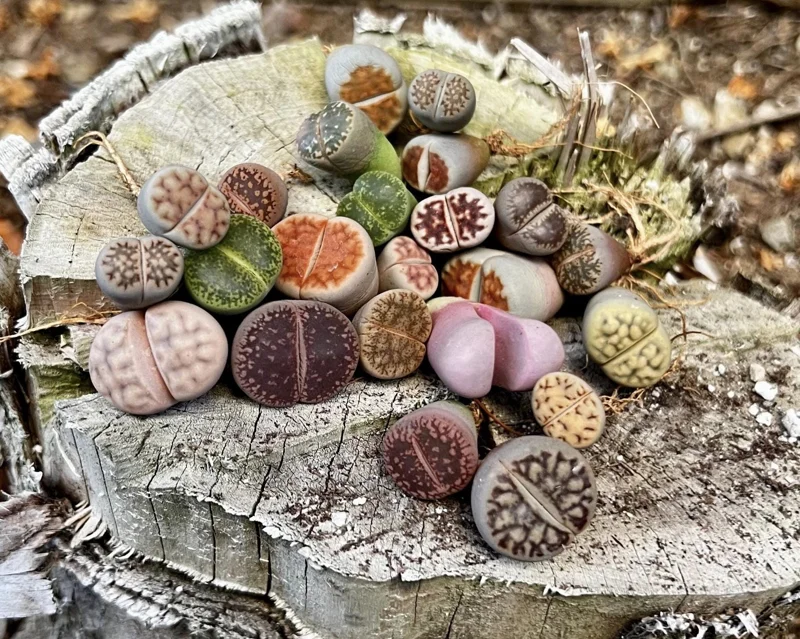
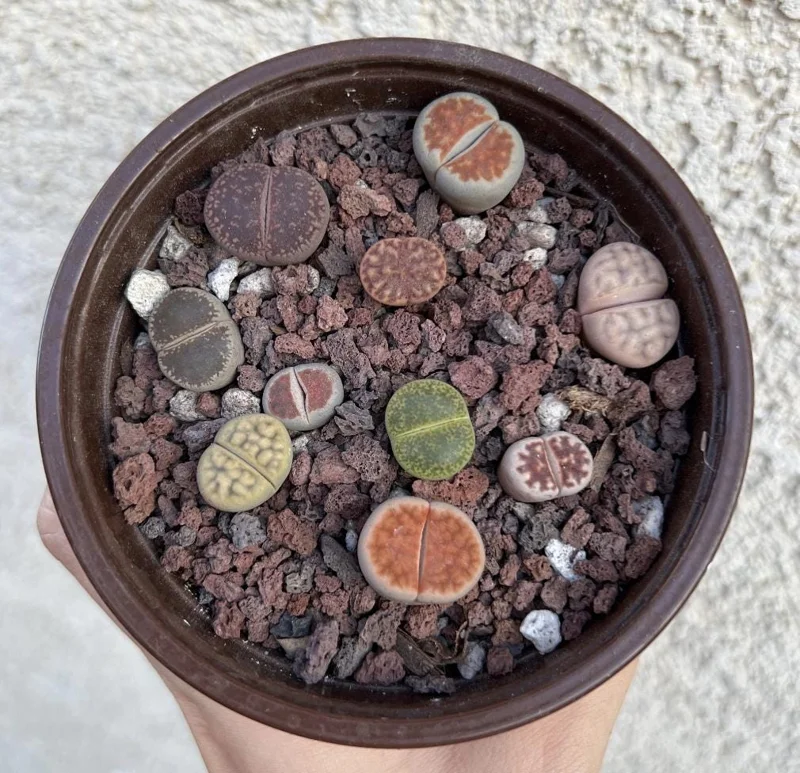
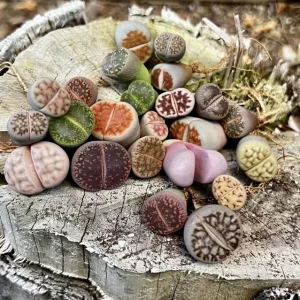
Introduce a fascinating Lithops live plant into your home. These colorful Lithops, often called living stones succulent, mimic pebbles and offer exceptional aesthetic appeal with minimal pebble plant care. Perfect for small spaces, these unusual succulents are drought-tolerant and thrive indoors with bright light.
From Original price was: $32.99.$17.99Current price is: $17.99.

With our Alive & Thrive Guarantee, we’ve got your back for the first 30 days! If you have any concerns about your plants, just reach out to us. Our team is here to help answer your questions and guide you in selecting the best plants for your garden, climate, and unique preferences. We're excited to help you create the garden of your dreams!
Estimated arrival
Oct 14
Oct 19 - Oct 21
Oct 24 - Oct 28

Product Details
-
USDA Hardiness Zone
USDA zones 9-11 (outdoors), typically indoor plant -
Soil type
Very gritty, fast-draining succulent or cactus mix -
Sunlight Exposure
Bright direct light (4-5 hours daily) or very bright indirect light -
Expected Planting Period
Year-round indoors
Overview
Introduce a truly unique botanical specimen into your collection with the fascinating Lithops live plant. Often referred to as “living stones” or “pebble plants,” Lithops are small, highly specialized succulents native to the arid regions of southern Africa. Their remarkable appearance, mimicking the stones and rocks of their natural habitat, is an evolutionary adaptation to avoid predation. Each plant typically consists of a single pair of thick, fused leaves with a central slit from which new growth emerges. These leaves serve as water storage organs, allowing the plant to survive prolonged dry periods. With their distinctive shapes and often striking coloration, colorful Lithops are a conversation starter and a testament to nature’s ingenuity. They are a perfect choice for succulent enthusiasts and anyone looking for a low-maintenance, visually intriguing houseplant.
Growing a living stones succulent is a rewarding experience, offering a glimpse into the wonders of desert flora. These plants grow very slowly, making them ideal for small spaces or dish gardens. When properly cared for, they can surprise you with beautiful, daisy-like flowers that emerge from the central fissure, adding another layer of charm to their already captivating presence. Their unique growth cycle, where old leaves are absorbed by new ones, makes them a constantly evolving display of natural beauty.
Key Benefits
The Lithops live plant offers a multitude of benefits, making it a standout choice for plant lovers seeking something extraordinary. Its unique characteristics contribute to both aesthetic appeal and ease of care, providing a rewarding experience for any gardener. This fascinating living stones succulent is sure to capture attention.
- Exceptional Aesthetic Appeal: Lithops are living works of art, mimicking stones and pebbles with incredible detail. Their varied patterns and colors add an exotic and intriguing element to any indoor plant display, making them a focal point.
- Low Maintenance & Drought Tolerant: These succulents are incredibly self-sufficient. They require very little water and thrive on neglect, making them perfect for busy individuals or those new to plant care. Overwatering is the biggest risk, simplifying the care routine significantly for your Lithops live plant.
- Space-Saving Size: Due to their compact growth habit, Lithops are ideal for small apartments, office desks, or miniature succulent arrangements. They don’t take up much space but still deliver a huge visual impact.
- Unique Growth Cycle: Witnessing the annual shedding of old leaves as new ones emerge from the central fissure is a fascinating process unique to Lithops, offering a dynamic and evolving display.
- Occasional Surprising Blooms: Despite their stone-like appearance, mature Lithops can produce beautiful white or yellow daisy-like flowers from their central split, adding an unexpected burst of color and delicacy.
- Educational Value: Growing a living stones succulent provides a wonderful opportunity to learn about plant adaptations and the diversity of life in arid environments, making it a great choice for curious minds.
- Conversation Starter: Their unusual appearance invariably sparks curiosity and discussion, making them a fantastic addition to social spaces.
Plant Care & Growing Tips
Caring for a Lithops live plant is straightforward once you understand their specific needs, which are primarily focused on mimicking their arid natural environment. The most crucial aspect of pebble plant care is understanding their watering cycle and ensuring proper light and soil conditions. These guidelines will help your living stones succulent thrive.
Sunlight Requirements: Lithops absolutely thrive in bright light. They need at least 4-5 hours of direct sunlight daily, or very bright indirect light for the rest of the day. A south-facing window is often ideal. If grown outdoors in suitable climates, they prefer morning sun with some afternoon shade to prevent scorching. Insufficient light can lead to etiolation (stretching) and a loss of their characteristic compact, stone-like shape.
Watering Schedule & Soil Moisture: This is where most beginners go wrong. Lithops are extremely sensitive to overwatering. The general rule for pebble plant care is: when in doubt, don’t water. They have distinct dormant and growth periods. Water only when the plant shows signs of thirst, such as the top of the leaves appearing slightly sunken or wrinkled, usually during late summer/early autumn or spring. During winter dormancy and when new leaves are emerging (typically late fall to early spring, as old leaves are being absorbed), they should not be watered at all. Allow the soil to dry out completely between waterings, and then water thoroughly until it drains from the bottom. Never let them sit in standing water.
Soil Type and Drainage: Excellent drainage is paramount for Lithops. Use a very gritty, fast-draining succulent or cactus mix. A good blend would be 50-70% inorganic material like pumice, perlite, coarse sand, or akadama, mixed with 30-50% potting soil. The pot should also have drainage holes. This mimics their natural rocky, sandy environments and prevents root rot.
Temperature Range and USDA Hardiness Zone: Lithops prefer warm temperatures, ideally between 65-80°F (18-27°C). They can tolerate cooler temperatures down to about 40°F (4°C) if kept dry, but should be protected from frost. They are generally grown as indoor houseplants in most regions. For outdoor cultivation, they are best suited for USDA zones 9-11, provided they receive proper drainage and protection from excessive moisture.
Fertilization: Lithops are not heavy feeders. If desired, you can fertilize very sparingly with a highly diluted (1/4 strength) low-nitrogen succulent fertilizer once or twice during their active growing season. Over-fertilization can harm these sensitive plants.
Common Problems: The most common issue is overwatering, leading to rot. Signs include mushy leaves. If this happens, try to salvage by drying out or propagating healthy parts. Underwatering can cause excessive wrinkling, but the plant usually recovers once watered. Pests are rare but can include mealybugs; treat with rubbing alcohol.
Size & Details
Each Lithops live plant typically consists of a single pair of fused leaves, forming a compact, pebble-like structure. These plants are slow-growing and generally remain quite small, usually reaching a diameter of about 0.5 to 1.5 inches at maturity, though some varieties can be slightly larger. The height above the soil line is typically less than an inch. They are shipped as a small, established plant, carefully packaged to ensure safe arrival. While exact dimensions may vary slightly depending on the specific species and maturity, you can expect a healthy, well-formed specimen ready to thrive in your home. The plant is typically shipped rooted in a small nursery pot or carefully bare-rooted, ready for you to plant into your preferred gritty succulent mix. These unusual succulents are truly a marvel.
Expect your pebble plant to maintain its compact size, making it an excellent choice for windowsills, terrariums, or mixed succulent displays. While growth is slow, the annual shedding and emergence of new leaves provide a continuous cycle of renewal. Blooms, if they occur, are usually in late summer to autumn, appearing as delicate white or yellow daisy-like flowers from the central fissure of the plant.
Frequently Asked Questions
- Q: How big does this plant get? A: A Lithops live plant typically remains very small and compact, usually growing to about 0.5 to 1.5 inches in diameter. Its growth is very slow, making it ideal for small spaces without outgrowing its spot quickly.
- Q: What size pot does it come in? A: The plant is typically shipped either bare-rooted or in a small nursery pot, often a 2-inch or 2.5-inch size, ready for you to transplant into your chosen well-draining container.
- Q: Is this an indoor or outdoor plant? A: Lithops are primarily grown as indoor plants in most climates due to their specific light and watering needs. They can be grown outdoors in arid, frost-free regions (USDA zones 9-11) with excellent drainage and protection from excessive rain. This makes them versatile unusual succulents.
- Q: How much sunlight does it need? A: This living stones succulent requires a lot of bright light. Place it in a location where it receives at least 4-5 hours of direct sunlight daily, such as a south-facing window, or very bright indirect light for the majority of the day.
- Q: Is this plant easy to care for? A: Lithops are considered relatively easy to care for if you understand their unique watering cycle. The most crucial part of pebble plant care is to avoid overwatering, as this is the most common cause of failure.
- Q: What condition will it arrive in? A: Your colorful Lithops will arrive as a healthy, established plant, carefully packaged to ensure its safety during transit. It will be ready for you to pot in appropriate succulent soil.
- Q: When is the best time to plant a Lithops? A: Lithops can be planted any time of year when grown indoors. If transplanting, do so when the plant is actively growing, typically late summer or early autumn, or in spring.
- Q: What type of soil is best for Lithops? A: Use a very gritty, fast-draining succulent or cactus mix. A mix with a high percentage of inorganic materials like pumice, perlite, or coarse sand is essential to prevent water retention and root rot.
- Q: Why is my Lithops wrinkling? A: Wrinkling can indicate either thirst (if the plant is in its active growth phase) or that it is absorbing its old leaves to produce new ones. Consult a pebble plant care guide to determine if watering is appropriate for its current growth stage.
- Q: Can I grow a pebble plant from seed? A: Yes, pebble plant seeds are available, but growing them requires patience and very specific conditions. It’s a rewarding but more advanced gardening project compared to starting with a Lithops live plant.
- Q: Are these unusual succulents pet-safe? A: Lithops are generally considered non-toxic to pets, making them a safe choice for homes with animals. However, it’s always best to prevent pets from ingesting any houseplant.
| Count | 10 Lithops, 20 Lithops, 30 Lithops, 5 Lithops |
|---|
Related products
-30%
Original price was: $79.98.$55.98Current price is: $55.98.
-30%
Original price was: $85.98.$60.18Current price is: $60.18.
-30%
Original price was: $47.98.$33.58Current price is: $33.58.
-30%
Original price was: $129.98.$90.98Current price is: $90.98.
-30%
Original price was: $85.98.$60.18Current price is: $60.18.
-30%
Original price was: $79.98.$55.98Current price is: $55.98.
PLANTING & CARE
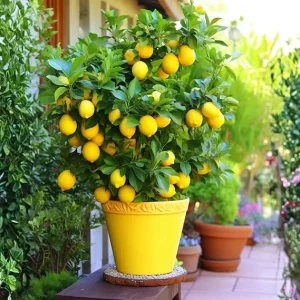
Lemon Tree Growing: Choose, Plant, and Harvest
Learn how to choose, plant, feed, and protect a lemon tree so it fits your
23
Sep
Sep
Dwarf Meyer Lemon Tree Australia: Climate Guide
Learn where dwarf Meyer lemon trees grow, how much cold they tolerate, and whether Australia,
Where to Buy a Dwarf Meyer Lemon Tree: Buyer’s Guide
Find the right dwarf Meyer lemon tree online or locally, compare starter sizes and costs,
Dwarf Meyer Lemon Tree for Sale: Buying Guide
Compare Meyer lemon tree sizes, prices, shipping limits, indoor growing and California options before you
Dwarf Meyer Lemon Tree Guide: Size, Care and Fruit
META: Learn how large a dwarf Meyer lemon tree grows, where it thrives, and how
How to Prune a Dwarf Meyer Lemon Tree
Learn when and how to prune a dwarf Meyer lemon tree, including tools, shaping cuts,
Can You Grow a Dwarf Meyer Lemon Tree in a Pot?
META: Learn how to grow a dwarf Meyer lemon tree in a pot, including container
When Do Dwarf Meyer Lemon Trees Bloom and Fruit?
META: Dwarf Meyer lemon trees usually bloom from winter through spring and may flower again