String of Turtles Live Plant, Trailing Succulent Houseplant, Peperomia Prostrata, 2.5, 4, 6 Inch Pot
-28%
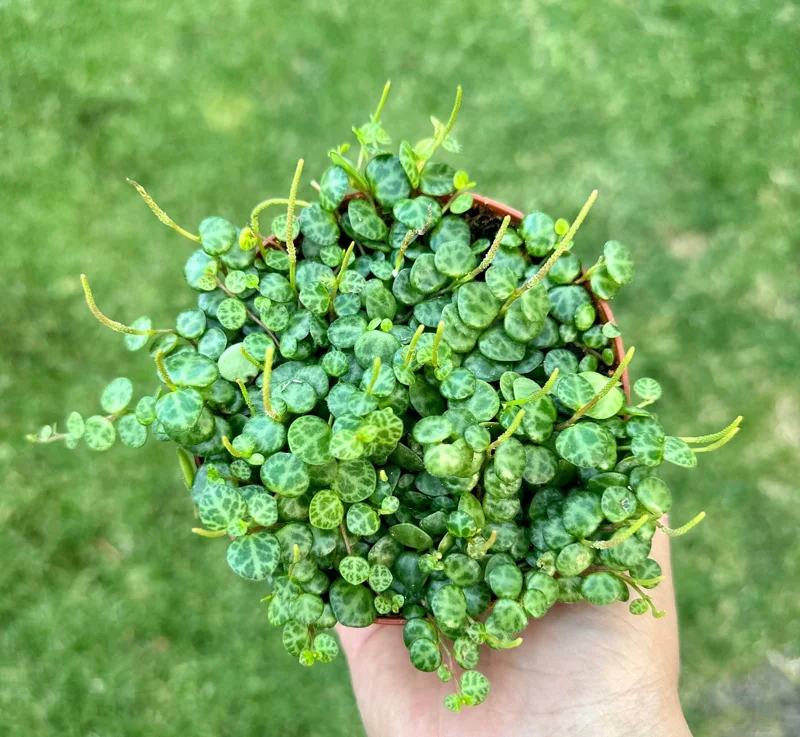
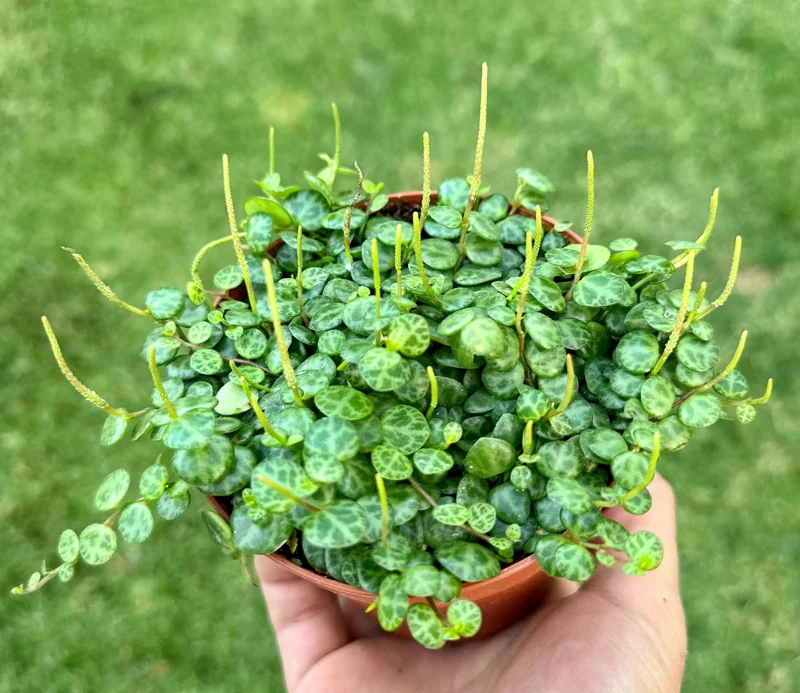
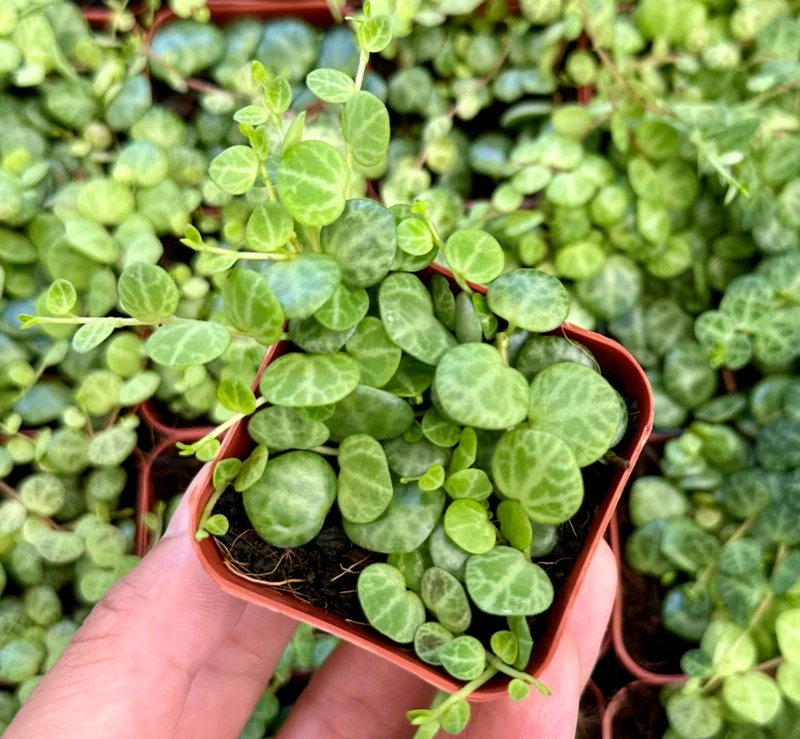
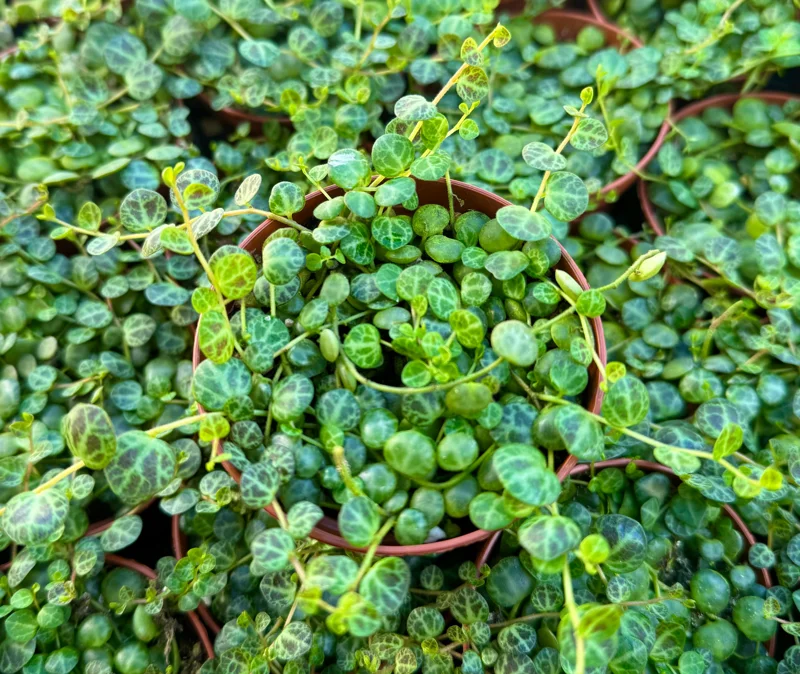
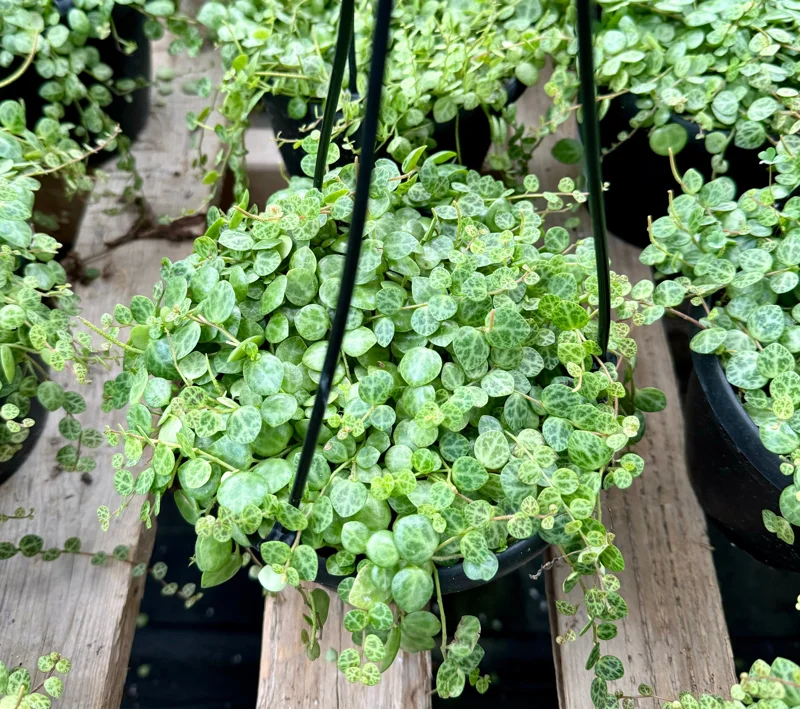
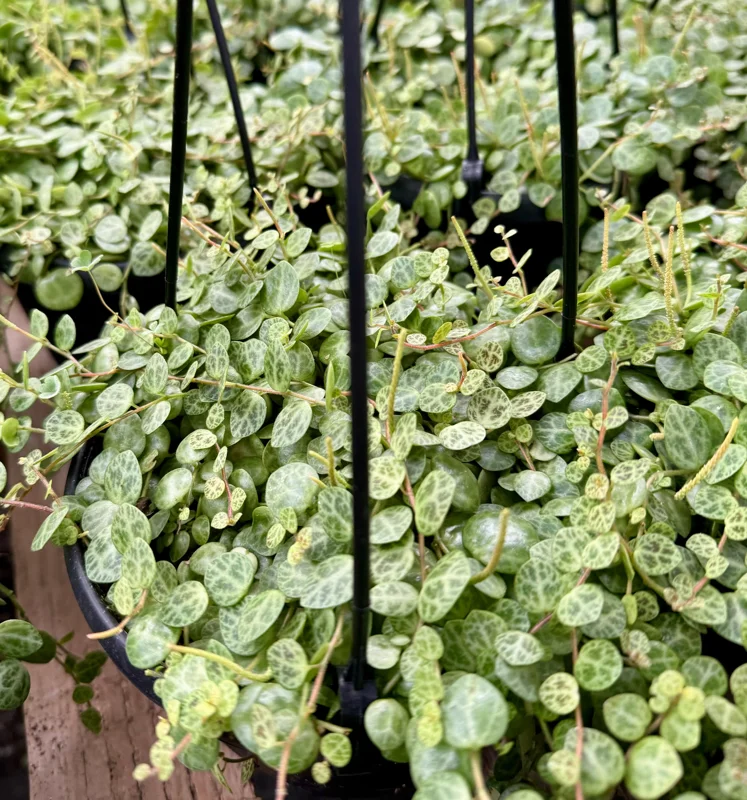
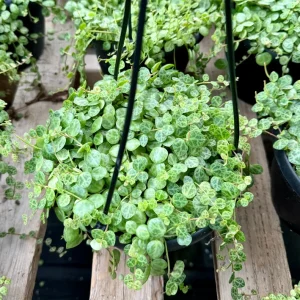
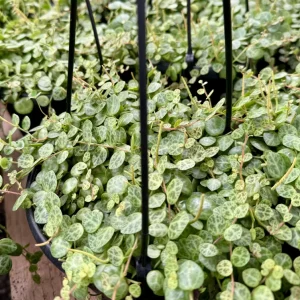
String of Turtles Live Plant, Trailing Succulent Houseplant, Peperomia Prostrata, 2.5, 4, 6 Inch Pot
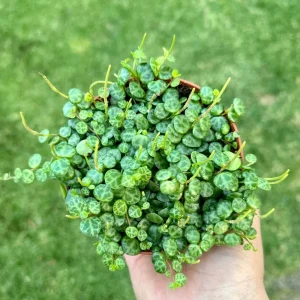
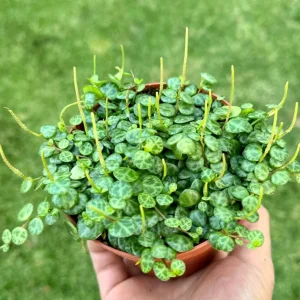
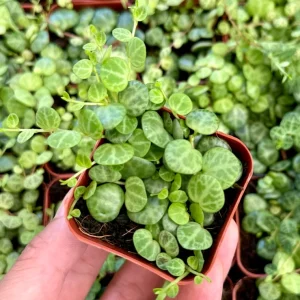
Add unique charm to your home with the string of turtles live plant, also known as Peperomia prostrata. This delightful trailing houseplant features distinctive turtle-shell patterned leaves and is an easy care succulent, perfect for beginners and experienced plant enthusiasts alike.
From Original price was: $53.99.$38.99Current price is: $38.99.

With our Alive & Thrive Guarantee, we’ve got your back for the first 30 days! If you have any concerns about your plants, just reach out to us. Our team is here to help answer your questions and guide you in selecting the best plants for your garden, climate, and unique preferences. We're excited to help you create the garden of your dreams!
Estimated arrival
Oct 13
Oct 18 - Oct 20
Oct 23 - Oct 27
Product Details
-
USDA Hardiness Zone
USDA Zones 10-11 (indoors primarily) -
Soil type
Well-draining succulent/cactus mix -
Sunlight Exposure
Bright, indirect light -
Expected Planting Period
Year-round indoors
Overview
Bring unique charm and natural elegance to your indoor oasis with the exquisite string of turtles live plant, scientifically known as Peperomia prostrata. This delightful trailing succulent, also affectionately called “Turtle Vine” or “Turtleback plant,” is celebrated for its distinctive foliage featuring small, rounded leaves adorned with intricate patterns reminiscent of a turtle’s shell. Native to the lush regions of Central and South America, this peperomia prostrata care is surprisingly straightforward, making it a favorite among both novice and experienced plant enthusiasts. Whether you’re seeking a captivating addition to your collection or a unique gift, the string of turtles live plant offers unparalleled visual appeal and a touch of natural elegance to any home environment.
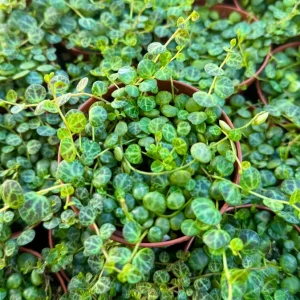
Each string of turtles live plant is a testament to nature’s artistry, offering a vibrant green display with delicate white veining. Its compact growth habit and trailing nature make it an excellent choice for various display options, from hanging baskets to elevated planters. This plant’s ability to thrive indoors with minimal fuss solidifies its reputation as a highly desirable trailing houseplant. Prepare to be enchanted by its endearing appearance and the serene ambiance it brings to your living space, making it an ideal easy care succulent for any plant lover.
Key Benefits
The string of turtles live plant offers numerous advantages beyond its striking appearance, making it a truly rewarding addition to your home environment. Its unique aesthetic and straightforward maintenance make it a standout choice for both seasoned collectors and those just beginning their plant journey.
- Unique Decorative Appeal: The distinctive, turtle-shell-like patterns on its small, round leaves provide unparalleled visual interest, creating an instant focal point in any room. Its elegant trailing habit allows for creative display in hanging baskets or on shelves, significantly enhancing your interior design. The visual appeal of this trailing houseplant is truly exceptional.
- Low Maintenance & Easy Care: Renowned for its resilience, this easy care succulent requires minimal attention once established. It’s forgiving of occasional neglect, making it perfect for busy individuals or those new to plant parenthood looking for a rewarding experience without demanding upkeep.
- Air Purifying Qualities: Like many houseplants, the string of turtles live plant contributes to a healthier indoor environment by naturally filtering airborne toxins, promoting cleaner and fresher air within your home. This subtle benefit enhances overall well-being.
- Compact Growth Habit: Its relatively small size and delicate trailing stems make it suitable for apartments, small living spaces, or even office desks where space is at a premium. It complements your decor beautifully without overwhelming it.
- Versatile Display Options: The graceful cascading growth of this trailing houseplant makes it ideal for hanging planters, elevated shelves, or as a charming spillover plant in mixed arrangements, allowing you to showcase its beauty in multiple creative ways throughout your home.
- Pet-Friendly: Unlike some popular houseplants, Peperomia prostrata is generally considered non-toxic to pets, offering peace of mind for pet owners who want to enjoy lush greenery without worry. This makes the turtle vine plant a safe addition to any household.
- Boosts Well-being: Caring for plants like the string of turtles live plant has been shown to reduce stress, improve mood, and increase overall feelings of well-being, creating a more tranquil and pleasant living environment.
Plant Care & Growing Tips
Caring for your string of turtles live plant is a rewarding experience, as this succulent is quite forgiving and thrives with consistent, appropriate care. Understanding the specific needs of Peperomia prostrata will ensure its lush growth and vibrant appearance. For optimal peperomia prostrata care, consider the following guidelines to help your plant flourish.
Sunlight Requirements: The String of Turtles prefers bright, indirect light. Avoid direct, harsh sunlight, especially during the hottest parts of the day, as this can scorch its delicate leaves. An east or north-facing window is often ideal, or a spot a few feet away from a south or west-facing window. If the light is too low, the distinctive patterns on the leaves may fade, and the plant’s growth may become leggy. Conversely, too much direct sun can cause the leaves to turn red or brown. For a thriving easy care succulent, aim for consistent, filtered light throughout the day, ensuring it receives adequate illumination without harsh exposure.
Watering Schedule and Soil Moisture Preferences: This plant is a succulent, meaning it stores water in its leaves and stems, making it drought-tolerant. The key to successful watering is to allow the soil to dry out almost completely between waterings. Overwatering is the most common cause of problems like root rot. When you do water, do so thoroughly until water drains from the bottom of the pot. In winter months, reduce watering frequency significantly. Always check the soil moisture with your finger before watering – if the top 1-2 inches feel dry, it’s time to water. Proper watering is crucial for the health of your trailing houseplant.
Soil Type and Drainage Requirements: A well-draining potting mix is crucial for the health of your string of turtles live plant. A standard succulent or cactus mix is perfect, or you can create your own by mixing regular potting soil with perlite or coarse sand to improve drainage. Good drainage prevents water from sitting around the roots, which is vital for preventing root rot. Ensure your pot has drainage holes to allow excess water to escape efficiently. This helps in maintaining optimal soil conditions for the plant.
Temperature Range and USDA Hardiness Zone: As a tropical plant, Peperomia prostrata thrives in warm, humid conditions. It prefers temperatures between 65°F and 80°F (18°C-27°C). Avoid exposing it to temperatures below 50°F (10°C), as it is not frost-tolerant. If grown outdoors in suitable climates, it would typically be in USDA Zones 10-11, but it is predominantly cultivated as an indoor plant in most regions. Protect it from cold drafts from windows or air conditioning vents to maintain a stable environment.
Fertilization Schedule and Type: Fertilize sparingly during the growing season (spring and summer) with a balanced liquid fertilizer diluted to half strength. Too much fertilizer can harm the plant. You can fertilize once every 2-4 weeks during active growth. There is no need to fertilize during the dormant winter months. This approach contributes to a robust and healthy trailing houseplant without over-stimulating its growth, ensuring balanced development.
Common Problems and Solutions: Yellowing leaves usually indicate overwatering or poor drainage. Adjust your watering schedule and ensure the pot has adequate drainage. Shriveled leaves can signify underwatering; give the plant a good soak. Leggy growth suggests insufficient light, so move it to a brighter indirect light spot. Pests are generally not a major issue for Peperomia prostrata, but keep an eye out for common houseplant pests like mealybugs or spider mites, treating them with insecticidal soap if necessary. Addressing these issues promptly is key to successful peperomia prostrata care.
Size & Details
The string of turtles live plant is offered as either an unrooted cutting or a fully rooted potted plant, providing flexibility for different gardening preferences. Cuttings are ideal for those who enjoy the propagation process and wish to grow their own plant from scratch. Potted plants arrive fully established, ready to be placed in your chosen display location, available in 2.5 inch, 4 inch, or 6 inch pot sizes. These plants typically feature delicate, trailing stems that can reach lengths of several inches to over a foot (often exceeding 12 inches when mature), creating a lovely cascading effect. The small, rounded leaves are approximately 1 cm in diameter, showcasing their intricate patterns beautifully. This easy care succulent exhibits a moderate growth rate, gradually filling out its container or hanging basket over time. When selecting your preferred option, consider whether you prefer the immediate gratification of a rooted plant or the rewarding challenge of nurturing a cutting into a mature specimen. The mature size of this turtle vine plant makes it a stunning display.
Frequently Asked Questions
- Q: How big does this plant get? A: The string of turtles live plant is a trailing succulent, meaning its stems can grow quite long, often reaching over 12 inches in length when mature, creating a beautiful cascading effect. The individual leaves remain small, about 1 cm in diameter, contributing to its delicate appearance.
- Q: Is this an indoor or outdoor plant? A: While it can thrive outdoors in warm, humid climates (USDA Zones 10-11), the string of turtles live plant is primarily cultivated as an indoor houseplant due to its preference for consistent temperatures and indirect light. It makes an excellent trailing houseplant.
- Q: How much sunlight does it need? A: This plant prefers bright, indirect light. Avoid direct sun, which can scorch its leaves. A spot near an east or north-facing window is often ideal for optimal peperomia prostrata care, ensuring healthy growth and vibrant foliage.
- Q: Is this plant easy to care for? A: Yes, the String of Turtles is considered an easy care succulent and is excellent for beginners. Its main requirements are bright, indirect light and careful watering to avoid overwatering, making it a forgiving plant to maintain.
- Q: What condition will it arrive in? A: You can choose between an unrooted cutting (no pot) or a fully rooted potted plant (in 2.5, 4, or 6 inch pots), shipped securely to minimize stress during transit. Both options are prepared to ensure a healthy start in your home.
- Q: How often should I water my String of Turtles? A: Water thoroughly when the top 1-2 inches of soil are dry to the touch. It’s better to underwater than overwater, as excessive moisture can lead to root rot, which is a common issue for succulents like the turtle vine plant.
- Q: Is the String of Turtles pet-safe? A: Yes, Peperomia prostrata is generally considered non-toxic to cats and dogs, making it a safe choice for homes with pets. You can enjoy its beauty without worrying about your furry friends.
- Q: Can I propagate my String of Turtles? A: Absolutely! This trailing houseplant is easily propagated from stem cuttings. Simply take a cutting with a few leaves and nodes, and place it in moist soil or water to root, allowing you to expand your collection.
- Q: What kind of soil is best for this plant? A: A well-draining potting mix is essential. A succulent or cactus mix works well, or you can amend regular potting soil with perlite for improved drainage. This prevents waterlogging and promotes healthy root development for your string of turtles live plant.
- Q: Why are my String of Turtles leaves turning yellow? A: Yellowing leaves are often a sign of overwatering. Ensure your pot has drainage holes and allow the soil to dry out sufficiently between waterings to prevent this common issue with your string of turtles live plant. Adjusting your watering habits can quickly resolve this.
| Size | 2.5", 4", 6" |
|---|
Related products
-30%
Original price was: $79.98.$55.98Current price is: $55.98.
-30%
Original price was: $79.98.$55.98Current price is: $55.98.
-30%
Original price was: $79.98.$55.98Current price is: $55.98.
-30%
Original price was: $85.98.$60.18Current price is: $60.18.
-30%
Original price was: $47.98.$33.58Current price is: $33.58.
PLANTING & CARE
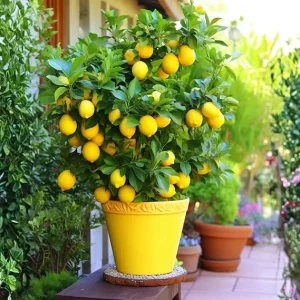
Lemon Tree Growing: Choose, Plant, and Harvest
Learn how to choose, plant, feed, and protect a lemon tree so it fits your
23
Sep
Sep
Dwarf Meyer Lemon Tree Australia: Climate Guide
Learn where dwarf Meyer lemon trees grow, how much cold they tolerate, and whether Australia,
Where to Buy a Dwarf Meyer Lemon Tree: Buyer’s Guide
Find the right dwarf Meyer lemon tree online or locally, compare starter sizes and costs,
Dwarf Meyer Lemon Tree for Sale: Buying Guide
Compare Meyer lemon tree sizes, prices, shipping limits, indoor growing and California options before you
Dwarf Meyer Lemon Tree Guide: Size, Care and Fruit
META: Learn how large a dwarf Meyer lemon tree grows, where it thrives, and how
How to Prune a Dwarf Meyer Lemon Tree
Learn when and how to prune a dwarf Meyer lemon tree, including tools, shaping cuts,
Can You Grow a Dwarf Meyer Lemon Tree in a Pot?
META: Learn how to grow a dwarf Meyer lemon tree in a pot, including container
When Do Dwarf Meyer Lemon Trees Bloom and Fruit?
META: Dwarf Meyer lemon trees usually bloom from winter through spring and may flower again