Live Lemon Thyme Plant – 4 inch Potted Herb Seedlings – Fragrant Culinary
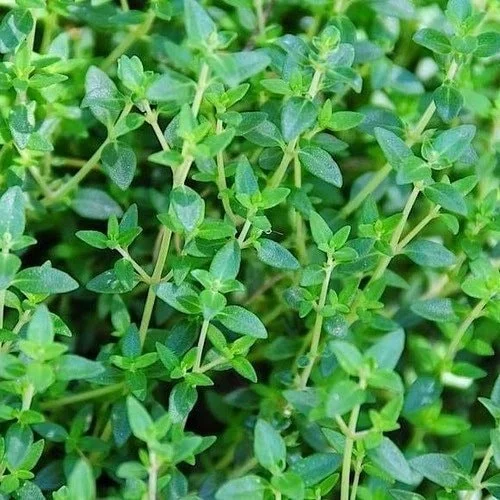
Live Lemon Thyme Plant – 4 inch Potted Herb Seedlings – Fragrant Culinary
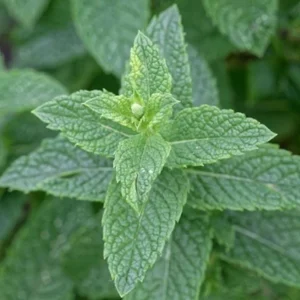
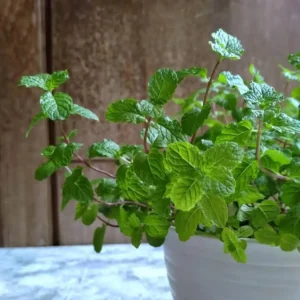
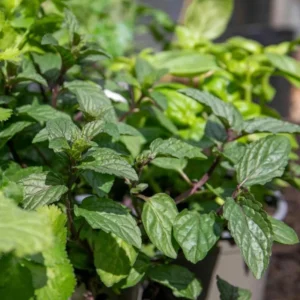
Bring the delightful aroma and flavor of lemon thyme live plant to your home or garden. These healthy 4-inch potted seedlings are ready for planting, offering a refreshing citrusy scent and culinary versatility. Perfect for cooking and a beautiful addition to any herb collection.
From $29.98

With our Alive & Thrive Guarantee, we’ve got your back for the first 30 days! If you have any concerns about your plants, just reach out to us. Our team is here to help answer your questions and guide you in selecting the best plants for your garden, climate, and unique preferences. We're excited to help you create the garden of your dreams!
Estimated arrival
Aug 16
Aug 21 - Aug 23
Aug 26 - Aug 30

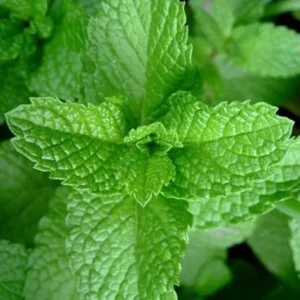
Product Details
-
USDA Hardiness Zone
USDA zones 5-9 -
Soil type
Well-draining, sandy loam soil -
Sunlight Exposure
Full sun to partial shade -
Expected Planting Period
Spring to early summer (outdoors), year-round (indoors)
Overview
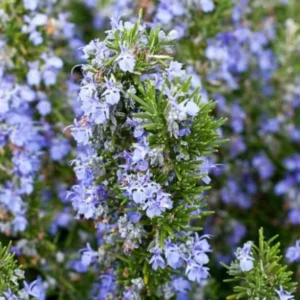
Discover the vibrant and aromatic world of lemon thyme live plant, a delightful herb that combines the subtle zest of lemon with the earthy notes of traditional thyme. Perfect for both culinary enthusiasts and garden lovers, these vigorous seedlings arrive ready to be transplanted into your garden beds, pots, or even a sunny windowsill. Known botanically as Thymus citriodorus, lemon thyme is a cherished perennial herb, celebrated for its evergreen foliage and charming, tiny flowers that attract pollinators. Whether you’re an experienced gardener or just starting your herb collection, growing lemon thyme is a rewarding experience that adds both beauty and flavor to your life. Its compact growth habit makes it ideal for various planting arrangements, from herb spirals to container gardens, providing fresh leaves throughout the growing season. This particular offering provides healthy, established seedlings, ensuring a strong start for your new herb.
Key Benefits
Adding a lemon thyme live plant to your home or garden offers numerous advantages beyond its delicious flavor:
- Exceptional Culinary Versatility: Elevate your dishes with the unique lemon-thyme flavor profile. It’s perfect for seasoning poultry, fish, vegetables, and even desserts. The fresh leaves can be snipped and added to recipes, providing a bright, zesty aroma that complements a wide range of cuisines.
- Aromatic & Decorative Appeal: Beyond the kitchen, this fragrant herb makes a beautiful addition to any garden or indoor space. Its small, glossy green leaves release a pleasant citrusy scent when brushed, making it a wonderful plant for sensory gardens or high-traffic areas where its fragrance can be enjoyed.
- Attracts Pollinators: The delicate flowers of lemon thyme are a magnet for bees and other beneficial pollinators, contributing to the biodiversity and health of your garden ecosystem. This makes it an excellent choice for companion planting.
- Low Maintenance & Drought Tolerant: Once established, lemon thyme live plant is remarkably resilient. It thrives in well-draining soil and is quite drought-tolerant, requiring less frequent watering than many other herbs. This makes it an ideal choice for busy gardeners or those in drier climates.
- Deer & Pest Resistant: The strong aroma of lemon thyme naturally deters many common garden pests and herbivores, including deer, helping to protect itself and nearby plants without the need for chemical interventions.
- Perennial Growth: Enjoy fresh lemon thyme year after year in suitable climates. As a perennial, it will return each spring, providing a continuous supply of aromatic leaves for your culinary and aromatic needs.
- Adaptable to Various Settings: Whether you have a spacious garden, a small patio, or just a sunny windowsill, this plant adapts well. It thrives in containers, making it easy to move indoors during colder months or to reposition for optimal sunlight.
Plant Care & Growing Tips
Caring for your lemon thyme live plant is straightforward, making it an excellent choice for gardeners of all skill levels. These plants prefer a location with at least 6 hours of direct sunlight per day. In very hot climates, some afternoon shade can prevent scorching, but generally, full sun is best for robust growth and intense flavor. When it comes to watering, lemon thyme is quite forgiving. It prefers well-draining soil and should be allowed to dry out between waterings. Overwatering is a common mistake and can lead to root rot. Test the soil with your finger; if the top inch or two feels dry, it’s time to water.
For soil, a sandy, well-draining mix is ideal. If planting in a pot, use a good quality potting mix designed for herbs or succulents. If planting directly in the garden, amend heavy clay soils with sand or compost to improve drainage. Lemon thyme is hardy in USDA zones 5-9, meaning it can withstand winter temperatures in many regions. In colder zones, it can be grown as an annual or brought indoors during winter. Fertilization is generally not heavily required; a light feeding with a balanced, organic fertilizer in spring is usually sufficient. Pruning after flowering helps maintain a compact shape and encourages new growth, ensuring a continuous supply of fresh leaves. Watch out for powdery mildew in humid conditions; ensuring good air circulation can help prevent this.
Size & Details
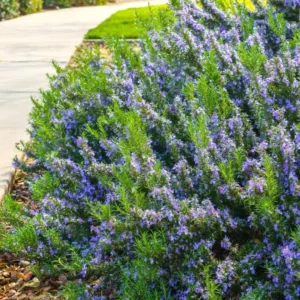
You will receive healthy lemon thyme live plant seedlings, typically measuring 3-6 inches tall, grown in a 4-inch diameter area. These plants are well-established with multiple stalks or shoots, indicating strong root development and readiness for transplanting. They are mature enough to be planted directly into your garden beds, larger containers, or decorative pots for a windowsill herb garden. Lemon thyme typically grows to a height of 6-12 inches and spreads about 12-18 inches, forming an attractive, low-growing mound. With proper care, these seedlings will quickly establish themselves and begin producing abundant fragrant foliage for all your culinary needs. Expect rapid growth during the warmer months, providing a continuous harvest of fresh leaves.
Frequently Asked Questions
- Q: How big does this lemon thyme live plant get? A: Your lemon thyme seedling will typically grow to be about 6-12 inches tall and spread 12-18 inches wide, forming a compact, bushy plant. It’s perfect for containers or as a groundcover.
- Q: What size pot does it come in? A: These lemon thyme seedlings are shipped in a 4-inch diameter area, which means they are well-rooted and ready for immediate transplanting into a larger pot or your garden.
- Q: Is this an indoor or outdoor plant? A: Lemon thyme is highly versatile and can thrive both indoors on a sunny windowsill or outdoors in a garden bed or container. It’s a great choice for various growing environments, especially when considering growing lemon thyme.
- Q: How much sunlight does it need? A: For optimal growth and flavor, lemon thyme requires at least 6 hours of direct sunlight per day. It can tolerate some partial shade, especially in very hot climates.
- Q: Is this plant easy to care for? A: Yes, lemon thyme is considered a low-maintenance herb, making it excellent for beginners. It’s drought-tolerant and generally pest-resistant, simplifying lemon thyme care.
- Q: What condition will it arrive in? A: Your plants will arrive as live, healthy seedlings with established roots, ready for planting. We ensure they are carefully packaged to withstand transit and arrive in good condition.
- Q: Can I use lemon thyme in cooking? A: Absolutely! Culinary herbs for garden like lemon thyme are fantastic for cooking. Its zesty, citrusy flavor is superb with poultry, fish, roasted vegetables, and in various sauces and marinades.
- Q: When is the best time to plant lemon thyme? A: The best time to plant lemon thyme is in spring after the last frost, or in early fall. If growing indoors, it can be planted year-round.
- Q: Will it survive winter in my zone? A: Lemon thyme is hardy in USDA Zones 5-9. In zones colder than 5, it can be grown as an annual or brought indoors to overwinter. For those interested in fragrant herb plants that are also resilient, this is a great option.
- Q: How often should I water my lemon thyme? A: Water thoroughly when the top 1-2 inches of soil feel dry to the touch. Allow the soil to dry out between waterings, as lemon thyme prefers slightly drier conditions.
| plant quantity | 1 Plant, 2 Plants |
|---|
Related products
-30%
Original price was: $59.98.$41.98Current price is: $41.98.
-30%
Original price was: $59.98.$41.98Current price is: $41.98.
-50%
Original price was: $47.96.$23.98Current price is: $23.98.
-20%
Original price was: $35.00.$28.00Current price is: $28.00.
-67%
Original price was: $75.72.$25.24Current price is: $25.24.
-30%
Original price was: $59.98.$41.98Current price is: $41.98.
-58%
Original price was: $39.99.$16.99Current price is: $16.99.
-30%
Original price was: $99.98.$69.98Current price is: $69.98.
PLANTING & CARE

How to Grow Persian Silk Trees Easily in Your Garden
If you’re looking for a tree that brings a soft, tropical feel to your garden,
04
Aug
Aug
How to Grow Blue Java Banana Trees: A Beginner’s Guide
Have you ever heard of the Blue Java banana tree? If not, you’re in for
28
Jun
Jun

5 Common Blue Java Banana Tree Problems and How to Fix Them
Have you ever looked at your Blue Java banana tree (aka “ice cream banana”) and
19
Jun
Jun
Top 10 Plants for Father’s Day to Honor Dad This Father’s Day
Father’s Day is a special time to show your dad just how much he means
19
Jun
Jun

The Comprehensive Guide to Growing Bougainvillea for Colorful Blooms
Have you ever wanted your garden to be filled with brilliant color and tropical energy
19
Jun
Jun
How to Successfully Plant Bare Root Strawberries in Containers
Have you ever wondered about planting strawberries in containers, but aren’t sure where to begin?
11
Jun
Jun

Top 5 Easiest Ornamental Trees to Grow for Beginners
Ever feel overwhelmed by the idea of planting a tree in your yard? You’re not
11
Jun
Jun

Growing Glencoe Raspberry: A Complete Guide for Gardeners
If you’re looking to add something unique to your garden, look no further than the
31
Mar
Mar