Rosemary Live Plant – Herb Seedling – 6-12 inch Tall – Culinary & Aromatic
Rosemary Live Plant – Herb Seedling – 6-12 inch Tall – Culinary & Aromatic
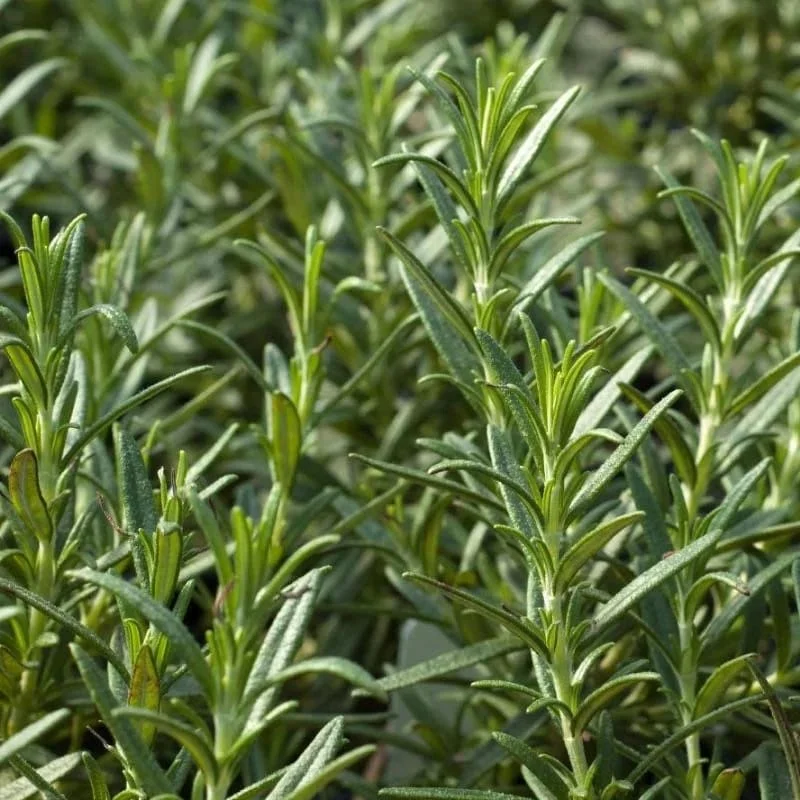
Cultivate your own aromatic and culinary delight with this rosemary live plant. These robust rosemary herb plants are ready to thrive in your garden or on a sunny windowsill, offering fresh leaves for cooking and a delightful fragrance. Perfect for adding Mediterranean flair to your home.
$33.98

With our Alive & Thrive Guarantee, we’ve got your back for the first 30 days! If you have any concerns about your plants, just reach out to us. Our team is here to help answer your questions and guide you in selecting the best plants for your garden, climate, and unique preferences. We're excited to help you create the garden of your dreams!
Estimated arrival
Aug 16
Aug 21 - Aug 23
Aug 26 - Aug 30
Product Details
-
USDA Hardiness Zone
USDA zones 7-10 -
Soil type
Well-draining, sandy loam -
Sunlight Exposure
Full sun (6-8 hours daily) -
Expected Planting Period
Spring to early summer (outdoors), year-round (indoors)
Overview
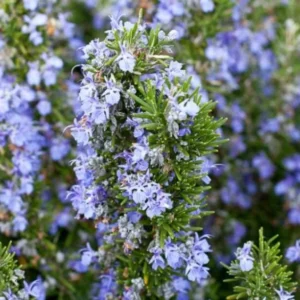
Bring the delightful aroma and robust flavor of the Mediterranean into your home or garden with this rosemary live plant. These vibrant rosemary herb plants arrive as healthy seedlings, typically ranging from 6 to 12 inches tall, ready to be transplanted and flourish. Known scientifically as Salvia rosmarinus (formerly Rosmarinus officinalis), rosemary is a classic herb cherished for its evergreen needle-like leaves, beautiful small blue flowers, and its distinctive, pungent scent. It’s a versatile plant, equally at home in a culinary herb garden, as an ornamental shrub, or even as a fragrant potted plant on a patio or windowsill. Growing your own rosemary live plant ensures a fresh supply of this beloved herb for all your cooking and aromatic needs.
Whether you’re an experienced gardener or just starting out, these rosemary herb plants provide an excellent foundation for a thriving herb collection. They are robust and relatively easy to care for, making them a rewarding addition to any plant enthusiast’s repertoire. Enjoy the satisfaction of harvesting your own fresh rosemary, enhancing your dishes with its unique flavor, and filling your space with its invigorating fragrance. This plant is a true garden essential.
Key Benefits
The rosemary live plant offers a multitude of benefits, from its culinary applications to its aromatic and ornamental qualities:
- Culinary Versatility: Fresh rosemary is a staple in many cuisines, particularly Mediterranean dishes. Its strong, piney, and slightly citrusy flavor enhances roasted meats, vegetables, bread, and even some desserts. Having a rosemary live plant means you always have fresh sprigs on hand for your culinary creations.
- Aromatic Delight: The distinctive scent of rosemary is known for its invigorating and clarifying properties. Crushing a few leaves releases a beautiful fragrance that can naturally freshen your home or garden, and it’s often used in aromatherapy.
- Attractive Evergreen Foliage: With its slender, dark green, needle-like leaves, rosemary provides year-round visual interest. It can grow into an attractive shrub, making it a lovely addition to ornamental gardens, rockeries, or as a low hedge.
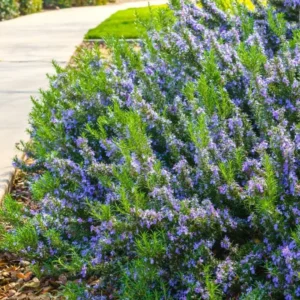
- Pollinator Friendly: When in bloom, rosemary produces delicate blue or white flowers that are highly attractive to bees and other beneficial pollinators, contributing to the biodiversity of your garden.
- Low Maintenance: Once established, rosemary is a relatively drought-tolerant and easy-care herb. It thrives on neglect rather than overwatering, making it suitable for busy gardeners. Learning rosemary plant care is straightforward.
- Medicinal and Traditional Uses: Historically, rosemary has been valued for its purported medicinal properties, including its use as an antioxidant and for improving memory and concentration.
- Deer Resistant: The strong aroma and taste of rosemary generally deter deer, making it a good choice for gardens in areas where deer are a concern.
Plant Care & Growing Tips
Proper rosemary plant care is essential for a healthy and productive herb. Rosemary thrives in conditions that mimic its native Mediterranean climate. It requires plenty of sunlight, ideally 6-8 hours of direct sun per day. For outdoor planting, choose a sunny spot in your garden. If growing indoors, place your rosemary live plant near a south-facing window or under grow lights to ensure it gets adequate light. Insufficient light can lead to leggy growth and reduced vigor.
When it comes to watering, less is often more for rosemary. It prefers well-draining soil and is highly susceptible to root rot if overwatered. Allow the top inch or two of soil to dry out completely between waterings. When you do water, water deeply until you see water draining from the bottom of the pot (for potted plants). Good drainage is crucial, so ensure your pot has drainage holes or your garden soil is not heavy clay. A sandy, loamy soil mix is ideal. Rosemary is generally hardy in USDA zones 7-10, though some varieties can tolerate colder temperatures with protection. In colder climates, it’s best to grow rosemary live plant in pots that can be brought indoors for winter.
Fertilization for rosemary is minimal. In fact, too much fertilizer can reduce its aromatic oils and flavor. If your soil is poor, a light application of a balanced, slow-release fertilizer in spring can be beneficial. Pruning is important for maintaining shape and encouraging bushier growth. After the plant flowers, or whenever it starts to look leggy, trim back about one-third of the plant. Avoid cutting into old, woody stems that have no leaves, as these often do not resprout. Watch out for common pests like aphids or spider mites, especially on indoor plants, and treat with insecticidal soap if necessary. Understanding how to grow rosemary indoors or out requires attention to these key details.
Size & Details
These rosemary live plant seedlings are typically supplied at a height of 6 to 12 inches from the soil line, ensuring they are well-established and ready for transplanting. They are usually grown in a 4-inch diameter pot area, providing a healthy root ball for successful growth. Each plant often features multiple stalks or shoots, indicating a robust and bushy start. Upon arrival, these seedlings are prepared to be planted directly into your garden beds or into larger containers for patio or indoor enjoyment. Rosemary is a moderately fast grower, and with proper care, it can reach mature sizes of 2-4 feet tall and wide, depending on the variety and growing conditions. It will develop into a woody shrub over time, providing a continuous supply of fresh leaves. Expect a steady growth rate, with harvestable leaves available throughout the growing season and year-round if protected from cold.
Frequently Asked Questions
- Q: How big does this plant get? A: A rosemary live plant can typically grow to be 2-4 feet tall and wide, depending on the variety, growing conditions, and whether it’s pruned. It can be kept smaller with regular trimming.
- Q: What size pot does it come in? A: These rosemary herb plants are generally shipped as seedlings in a 4-inch diameter pot area, providing a healthy start for transplanting into a larger container or garden.
- Q: Is this an indoor or outdoor plant? A: Rosemary can be grown both indoors and outdoors. It thrives outdoors in full sun in warmer climates (USDA zones 7-10) and can be grown indoors in a sunny window or under grow lights in colder regions. Many people like to grow rosemary indoors during winter.
- Q: How much sunlight does it need? A: Rosemary requires a minimum of 6-8 hours of direct sunlight per day to grow optimally and produce the most aromatic leaves.
- Q: Is this plant easy to care for? A: Yes, rosemary is considered a relatively easy-care herb, especially once established. Its main requirements are plenty of sun and well-draining soil, with minimal watering. Understanding basic rosemary plant care will lead to success.
- Q: What condition will it arrive in? A: Your rosemary live plant will arrive as a healthy, live seedling, carefully packaged to minimize stress during transit, ready for planting.
- Q: Can I use fresh rosemary in cooking? A: Absolutely! Fresh rosemary is highly prized for its strong, distinctive flavor and is excellent for seasoning meats, vegetables, potatoes, and even baked goods. This is one of the main reasons to grow your own fresh rosemary herb.
- Q: When is the best time to plant rosemary? A: The best time to plant rosemary outdoors is in spring after the last frost. If growing indoors, it can be planted any time of year.
- Q: Will it survive winter in my zone? A: Rosemary is generally hardy in USDA zones 7-10. In colder zones, it should be grown in containers and brought indoors before the first hard frost to survive the winter.
- Q: What kind of soil does rosemary prefer? A: Rosemary thrives in light, well-draining soil with a slightly acidic to neutral pH. Sandy or loamy soil mixes are ideal, and good drainage is crucial to prevent root rot.
Related products
-50%
Original price was: $47.96.$23.98Current price is: $23.98.
-10%
Original price was: $23.99.$21.59Current price is: $21.59.
-48%
Original price was: $39.99.$20.99Current price is: $20.99.
-49%
Original price was: $60.99.$30.99Current price is: $30.99.
-30%
Original price was: $59.98.$41.98Current price is: $41.98.
-50%
Original price was: $107.96.$53.98Current price is: $53.98.
-67%
Original price was: $75.72.$25.24Current price is: $25.24.
-67%
From Original price was: $35.22.$11.74Current price is: $11.74.
PLANTING & CARE

How to Grow Persian Silk Trees Easily in Your Garden
If you’re looking for a tree that brings a soft, tropical feel to your garden,
04
Aug
Aug
How to Grow Blue Java Banana Trees: A Beginner’s Guide
Have you ever heard of the Blue Java banana tree? If not, you’re in for
28
Jun
Jun
5 Common Blue Java Banana Tree Problems and How to Fix Them
Have you ever looked at your Blue Java banana tree (aka “ice cream banana”) and
19
Jun
Jun

Top 10 Plants for Father’s Day to Honor Dad This Father’s Day
Father’s Day is a special time to show your dad just how much he means
19
Jun
Jun

The Comprehensive Guide to Growing Bougainvillea for Colorful Blooms
Have you ever wanted your garden to be filled with brilliant color and tropical energy
19
Jun
Jun
How to Successfully Plant Bare Root Strawberries in Containers
Have you ever wondered about planting strawberries in containers, but aren’t sure where to begin?
11
Jun
Jun

Top 5 Easiest Ornamental Trees to Grow for Beginners
Ever feel overwhelmed by the idea of planting a tree in your yard? You’re not
11
Jun
Jun

Growing Glencoe Raspberry: A Complete Guide for Gardeners
If you’re looking to add something unique to your garden, look no further than the
31
Mar
Mar