Mexican Hat Coneflower Seeds – Ratibida columnifera – 300 Seeds – Pollinator Friendly
-63%
Mexican Hat Coneflower Seeds – Ratibida columnifera – 300 Seeds – Pollinator Friendly
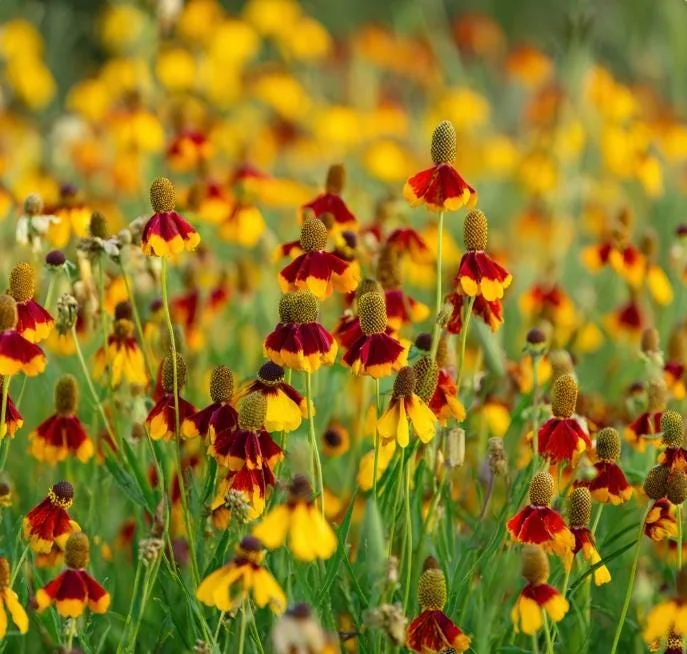
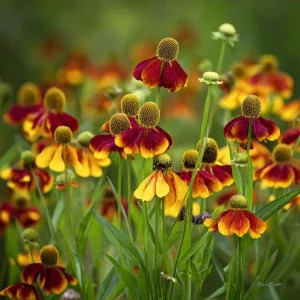
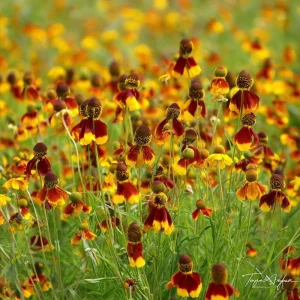
Cultivate beautiful Mexican Hat Coneflower seeds (Ratibida columnifera) for a stunning display of red and yellow blooms. These perennial coneflower seeds are perfect for attracting pollinators and creating a vibrant meadow garden.
Original price was: $31.99.$11.99Current price is: $11.99.

With our Alive & Thrive Guarantee, we’ve got your back for the first 30 days! If you have any concerns about your plants, just reach out to us. Our team is here to help answer your questions and guide you in selecting the best plants for your garden, climate, and unique preferences. We're excited to help you create the garden of your dreams!
Estimated arrival
Apr 12
Apr 17 - Apr 19
Apr 22 - Apr 26



Product Details
-
USDA Hardiness Zone
USDA Zones 4-9 -
Soil type
Well-draining soil -
Sunlight Exposure
Full sun -
Expected Planting Period
Spring
Overview
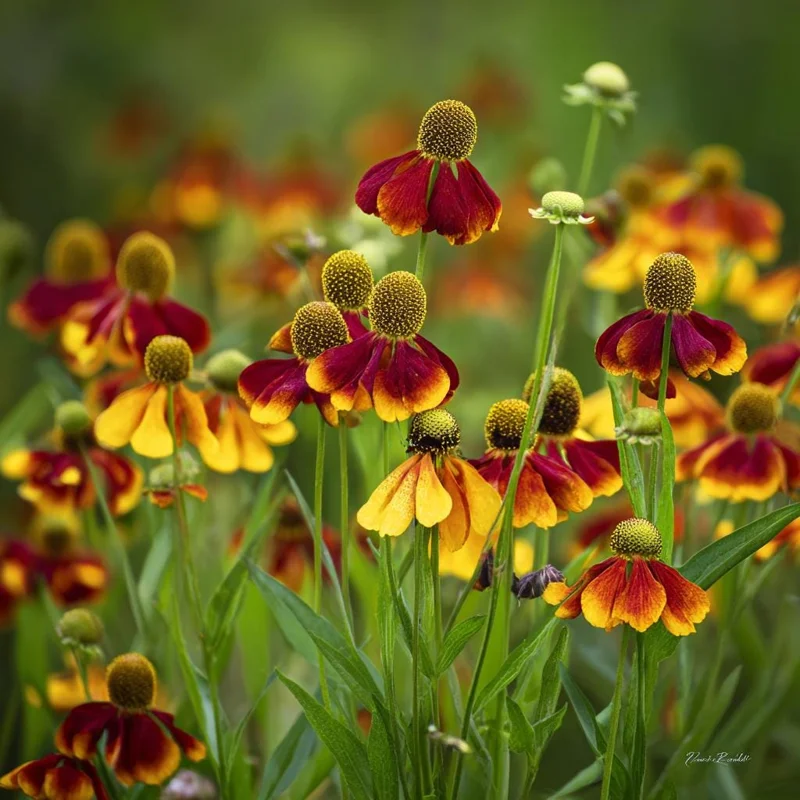
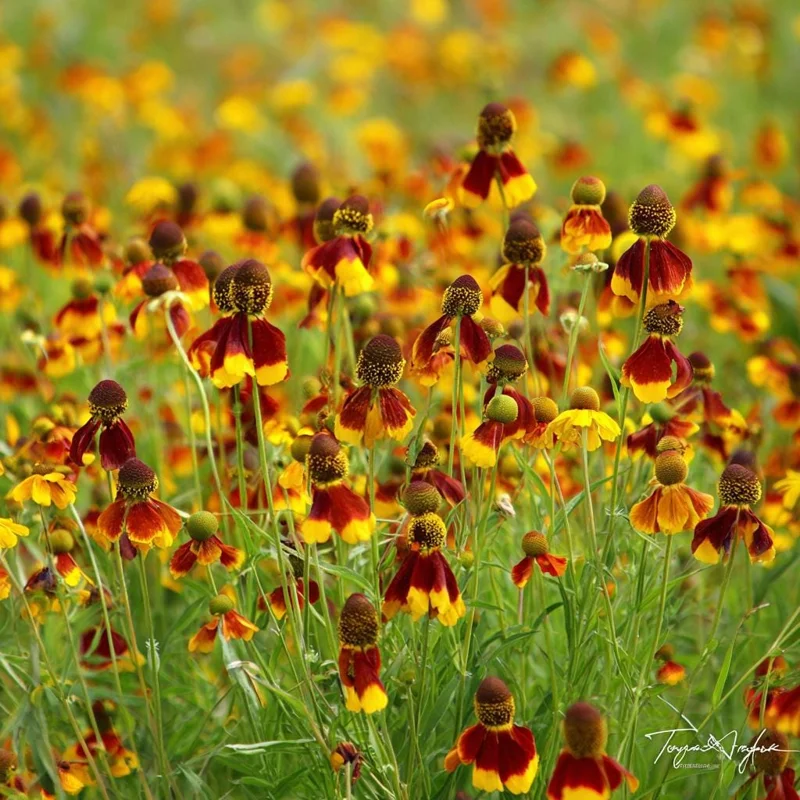
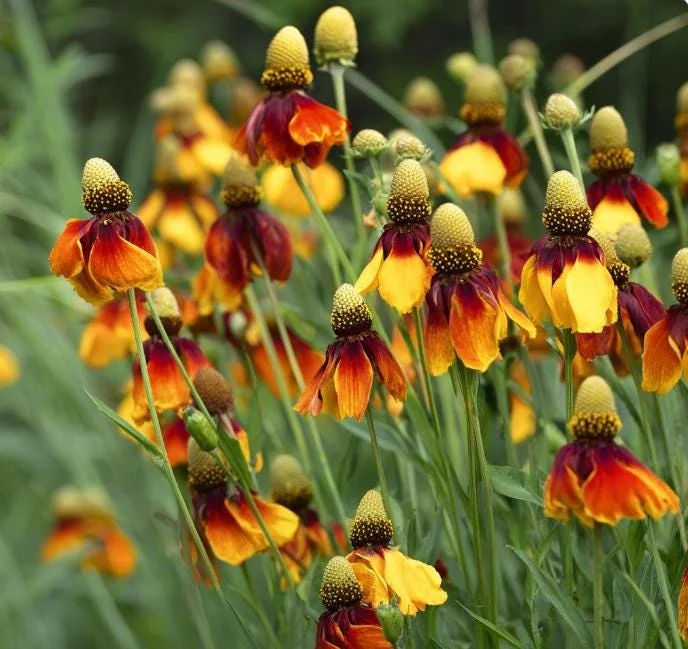
Transform your garden into a pollinator paradise with Mexican Hat Coneflower seeds. Also known as Ratibida columnifera, this vibrant perennial is cherished for its distinctive red and yellow daisy-like flowers, each featuring a prominent central cone that resembles a traditional Mexican hat. These hardy and low-maintenance plants are an excellent choice for gardeners looking to add a splash of long-lasting color to their landscape. Mexican Hat Coneflower seeds are perfect for creating dynamic wildflower meadows, enhancing garden borders, or establishing dedicated pollinator habitats. Each packet contains 300 seeds, providing ample opportunity to cultivate a beautiful and thriving display that will return year after year. Embrace the beauty of nature and support local ecosystems by planting these delightful flowers.
Our Ratibida columnifera seeds are carefully selected to ensure high germination rates, giving you the best start for a successful garden. Whether you’re an experienced gardener or just beginning, these seeds offer a rewarding growing experience. The unique appearance and ecological benefits make the Mexican Hat Coneflower seeds a must-have for any garden seeking to combine aesthetic appeal with environmental consciousness. Enjoy months of cheerful blooms and the buzzing activity of bees, butterflies, and hummingbirds right in your backyard.
Key Benefits
Planting Mexican Hat Coneflower seeds offers a multitude of advantages for your garden and local ecosystem. These resilient plants provide not only visual appeal but also contribute significantly to biodiversity.
- Vibrant, Long-Lasting Blooms: Enjoy a continuous display of eye-catching red and yellow flowers from late spring through fall. The unique shape and bright colors make them a standout in any garden setting, providing a cheerful and dynamic landscape for many months.
- Attracts Pollinators: These flowers are highly attractive to bees, butterflies, and hummingbirds, making them an essential addition for supporting local pollinator populations. Planting pollinator friendly seeds helps to create a thriving ecosystem right in your backyard.
- Low Maintenance & Drought Tolerant: Once established, Mexican Hat Coneflowers require minimal care. They are notably resilient to dry conditions, making them an ideal choice for water-wise gardening and busy individuals.
- Ideal for Wildflower Meadows: The natural growth habit and hardiness of meadow flower seeds like this make them perfect for creating informal and beautiful wildflower meadows. They blend seamlessly with other native species to create a naturalized look.
- Hardy Perennial: As a perennial coneflower seeds variety, these plants return year after year, saving you the effort of replanting. They establish strong root systems that ensure their comeback, bringing consistent beauty to your landscape.
- Versatile Garden Use: Suitable for a variety of garden styles, including cottage gardens, prairie gardens, borders, and naturalized areas. Their adaptability allows them to flourish in diverse settings, providing design flexibility.
- Deer Resistant: Generally unappealing to deer, these plants can thrive in areas where deer browse is a concern, ensuring your blooms remain undisturbed.
Plant Care & Growing Tips
Growing Mexican Hat Coneflower seeds is a straightforward and rewarding process, especially when following these guidelines. For best results, sow these Ratibida columnifera seeds in spring after the last frost. Prepare your soil by ensuring it is well-draining. Lightly press the seeds onto the surface of the moist soil; avoid covering them deeply as they require light for germination. Maintain consistent moisture in the soil, but be careful not to overwater, which can lead to rot. Providing full sunlight, meaning at least 6-8 hours of direct sun per day, is crucial for robust growth and abundant flowering. Germination typically occurs within 10–20 days under optimal conditions. Once seedlings emerge, thin them as needed to ensure proper spacing for mature plants, or carefully transplant them to their desired locations.
Once established, Mexican Hat Coneflower plants are quite hardy and require minimal care. They thrive in full sun and well-draining soil, showing a preference for sandy or loamy conditions. Water moderately, especially during prolonged dry spells, but allow the soil to dry out slightly between waterings. To encourage continuous blooming throughout the season, deadhead spent flowers regularly. This practice diverts the plant’s energy from seed production to producing more blossoms. These plants are remarkably drought-tolerant once mature, making them an excellent choice for xeriscaping or gardens in arid climates. They are suitable for USDA Zones 4-9, demonstrating their adaptability to a wide range of temperate climates. Fertilization is generally not necessary in rich soil, but a light application of balanced fertilizer in spring can boost growth if your soil is poor. Watch out for common pests like aphids, though serious infestations are rare. With proper care, your perennial coneflower seeds will yield beautiful, resilient plants for years to come.
Size & Details
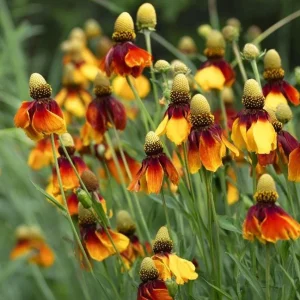
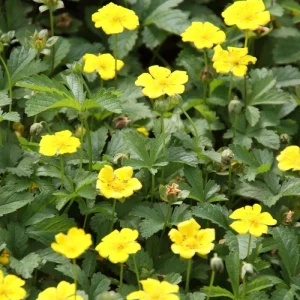
Each packet contains 300 Mexican Hat Coneflower seeds, providing a generous quantity for planting a significant area or multiple seasons. These Ratibida columnifera seeds will mature into plants that typically reach a height of 24 to 36 inches (60-90 cm) with a spread of 12 to 18 inches (30-45 cm). The growth rate is moderate, with plants generally blooming in their first or second year from seed. The flowers themselves are distinctive, featuring bright red-brown central cones, often 1-2 inches tall, surrounded by yellow or reddish-yellow petals that droop downwards, giving them their characteristic ‘Mexican hat’ appearance. These plants are shipped as dormant seeds, ready for planting upon arrival. They are a fantastic addition for those looking to cultivate meadow flower seeds and create a naturalized garden setting.
Frequently Asked Questions
- Q: How big does this plant get? A: Mexican Hat Coneflower plants typically grow to a height of 24 to 36 inches (60-90 cm) with a spread of 12 to 18 inches (30-45 cm), creating a substantial visual impact in your garden.
- Q: Is this an indoor or outdoor plant? A: These are primarily outdoor plants, ideal for garden beds, wildflower meadows, and borders. While they can be started indoors, they thrive and bloom best when grown in an outdoor environment with ample sunlight.
- Q: How much sunlight does it need? A: Mexican Hat Coneflower requires full sun, meaning at least 6-8 hours of direct sunlight per day, to achieve optimal growth and prolific blooming.
- Q: Is this plant easy to care for? A: Yes, these plants are considered low-maintenance once established. They are drought-tolerant and generally disease-resistant, making them a great choice for both novice and experienced gardeners looking for perennial coneflower seeds.
- Q: What condition will the Mexican Hat Coneflower seeds arrive in? A: The product consists of high-quality, dormant seeds in a sealed packet, ready for you to sow according to the provided instructions.
- Q: How long until it blooms? A: When grown from Mexican Hat Coneflower seeds, plants typically begin to bloom in their first or second year, providing a delightful display from late spring through fall.
- Q: Will it survive winter in my zone? A: Yes, Ratibida columnifera seeds are hardy perennials suitable for USDA Zones 4-9, meaning they will typically return year after year in these climates.
- Q: What is the best time to plant these meadow flower seeds? A: The best time to sow Mexican Hat Coneflower seeds is in the spring after the danger of the last frost has passed, when soil temperatures begin to warm.
- Q: Are these pollinator friendly seeds? A: Absolutely! Mexican Hat Coneflower is renowned for attracting a wide array of pollinators, including bees, butterflies, and hummingbirds, making it an excellent choice for supporting local wildlife.
- Q: What kind of soil does it prefer? A: These plants thrive in well-draining soil, including sandy, loamy, or even clay soils, as long as drainage is adequate. They do not tolerate consistently wet conditions.
Related products
-50%
Original price was: $23.96.$11.98Current price is: $11.98.
-50%
From Original price was: $63.60.$31.80Current price is: $31.80.
-50%
Original price was: $23.96.$11.98Current price is: $11.98.
-15%
From Original price was: $16.00.$13.60Current price is: $13.60.
-50%
Original price was: $95.96.$47.98Current price is: $47.98.
-50%
Original price was: $21.56.$10.78Current price is: $10.78.
-50%


Original price was: $23.96.$11.98Current price is: $11.98.
PLANTING & CARE
Growing Glencoe Raspberry: A Complete Guide for Gardeners
If you’re looking to add something unique to your garden, look no further than the
31
Mar
Mar

The Comprehensive Guide to Growing Bay Leaf Plants for a Flavorful Garden
Imagine stepping into your garden, greeted by the earthy aroma of fresh bay leaves, their
09
Feb
Feb

How to Make Comfrey Tea: The Ultimate Organic Plant Food
Growing an organic garden can be surprisingly expensive, especially when most store-bought fertilizers come in
02
Feb
Feb

True Comfrey: 7 Essential Tips Before You Plant This Herb
A staple in permaculture practices across the US, True Comfrey easily earns its reputation as
27
Jan
Jan

7 Heart-Shaped Plants for a Lasting Valentine’s Gift
If you’ve ever bought a bouquet of roses for Valentine’s Day, you know they are
26
Jan
Jan

Best Types of Ivy Plant for Houses: How to Choose the Perfect Ones for Your Home
Are you a garden lover looking to introduce some greenery into your home? Maybe you’ve
14
Nov
Nov

When to Harvest Garlic (Especially Fall-Planted Garlic)
TIMING IS EVERYTHING, they say – and for garlic, that truth hits with surprising accuracy.
13
Nov
Nov

11 of the Best Sweet Potato Varieties to Grow for Your Garden
If you’ve ever tried growing sweet potatoes, you know that picking the right variety can
12
Nov
Nov