Milkweed Asclepias Perennis White Live Plant – 4 inch Pot
-52%
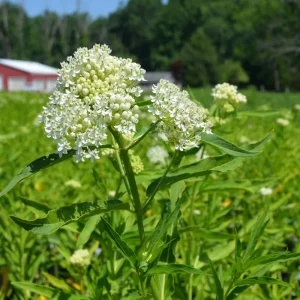
Milkweed Asclepias Perennis White Live Plant – 4 inch Pot
Bring life and beauty to your garden with this stunning white milkweed live plant (Asclepias perennis) in a 4-inch pot. Essential for supporting monarch butterfly populations, this native perennial features delicate white flowers and thrives in sunny, moist conditions. Perfect for pollinator gardens and naturalized areas.
Original price was: $24.98.$11.99Current price is: $11.99.

With our Alive & Thrive Guarantee, we’ve got your back for the first 30 days! If you have any concerns about your plants, just reach out to us. Our team is here to help answer your questions and guide you in selecting the best plants for your garden, climate, and unique preferences. We're excited to help you create the garden of your dreams!
Estimated arrival
Oct 21
Oct 26 - Oct 28
Oct 31 - Nov 04



Product Details
-
USDA Hardiness Zone
USDA Zones 5-9 -
Soil type
Moist, rich, organic, well-draining soil -
Sunlight Exposure
Full sun -
Expected Planting Period
Spring to early summer
Overview
Introduce a vital element to your garden ecosystem with the white milkweed live plant, scientifically known as Asclepias perennis. This beautiful native perennial is not only a charming addition with its delicate white blossoms but also plays an indispensable role in the life cycle of the monarch butterfly. Unlike many other milkweed varieties, Asclepias perennis, often referred to as ‘Water Milkweed’ or ‘Aquatic Milkweed’, prefers moist to wet soil conditions, making it an excellent choice for rain gardens, pond edges, or areas with consistent moisture. Our healthy 4-inch potted plants are ready to establish in your landscape, providing a crucial food source for monarch caterpillars and nectar for adult butterflies and other pollinators. Cultivating this elegant plant contributes significantly to local biodiversity and conservation efforts, making your garden a haven for these beloved insects.
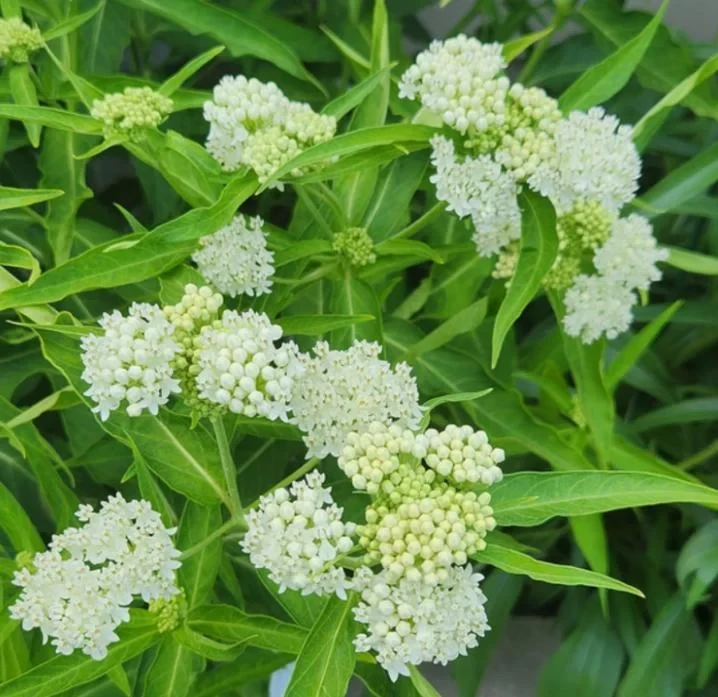
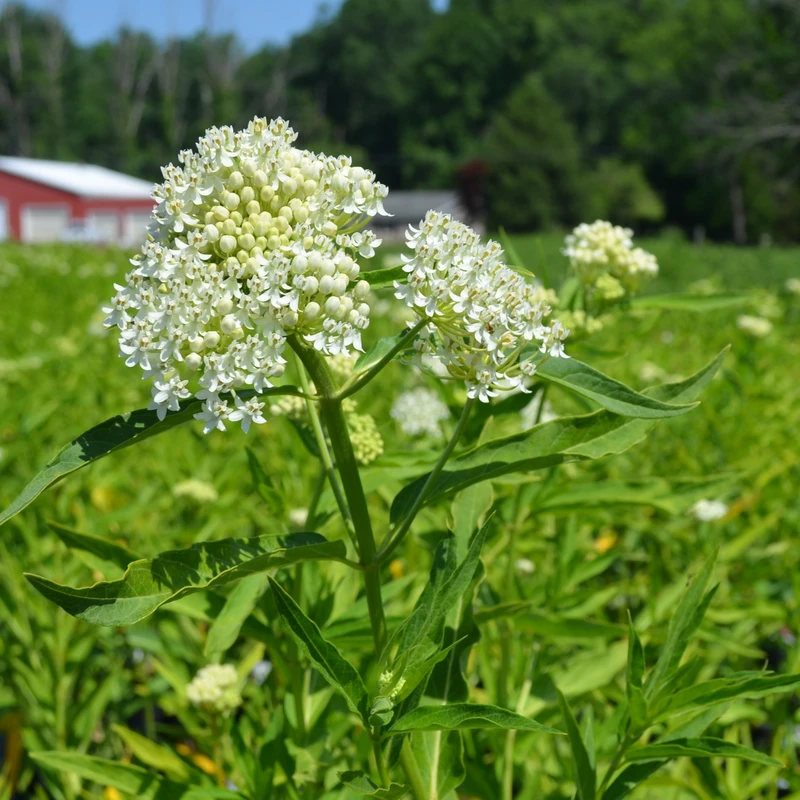
The white milkweed live plant is characterized by its slender stems, lance-shaped leaves, and clusters of star-shaped white flowers that typically bloom from late spring through summer. Its graceful appearance and ecological importance make it a highly desirable plant for gardeners seeking both aesthetic appeal and environmental impact. This particular species of milkweed is less aggressive than some of its upland cousins, making it a well-behaved choice for various garden settings. Ensure your garden is ready to welcome monarchs and other beneficial insects by planting this resilient and beautiful native.
Key Benefits
Incorporating the white milkweed live plant into your garden offers a multitude of benefits, from ecological support to aesthetic enhancement. This plant is a cornerstone for creating a vibrant, living landscape.
- Monarch Butterfly Host Plant: Asclepias perennis is a primary host plant for monarch butterfly caterpillars, providing the essential food source they need to grow and metamorphose. Planting this species directly contributes to the conservation of these iconic pollinators.
- Pollinator Attractor: Beyond monarchs, the sweet nectar of the white flowers attracts a wide array of beneficial pollinators, including bees, other butterflies, and hummingbirds, enhancing the biodiversity of your garden.
- Native & Adaptable: As a native species, it is well-adapted to local climates and soils, requiring less intervention once established. It thrives in moist conditions, making it suitable for areas where other plants might struggle.
- Elegant White Blooms: The clusters of delicate white flowers provide a serene and classic aesthetic to any garden space, complementing other plantings and creating a calming visual appeal.
- Low Maintenance: Once established, asclepias perennis care is relatively straightforward, making it an excellent choice for both experienced and novice gardeners looking for impactful yet easy-to-grow plants.
- Erosion Control: Its root system can help stabilize soil in moist areas, contributing to natural erosion control, especially along water features or in rain gardens.
- Supports Ecosystem Health: By providing food and habitat, this perennial milkweed helps to create a healthier, more balanced local ecosystem, encouraging a thriving natural environment.
Plant Care & Growing Tips
Caring for your white milkweed live plant is rewarding and relatively simple, especially when its specific needs for moisture are met. This species, often called ‘Water Milkweed’, prefers consistently moist to wet soil conditions, distinguishing it from many other milkweed varieties that tolerate drier sites. For optimal growth and prolific blooming, choose a location that receives full sun, meaning at least six hours of direct sunlight per day. While it can tolerate some partial shade, too little sun may result in leggy growth and reduced flowering. Ensure the soil remains damp but not waterlogged, particularly during dry spells. Mulching around the base can help retain soil moisture and regulate soil temperature.
When it comes to soil, Asclepias perennis thrives in rich, organic, well-draining soil that can hold moisture effectively. Amending heavy clay soils with compost or peat moss can improve drainage while enhancing moisture retention. The ideal USDA hardiness zones for this plant are typically 6-9, but it can sometimes be grown in zone 5 with adequate winter protection. Fertilization is generally not heavily required for this native plant; however, a light application of a balanced, slow-release granular fertilizer in early spring can promote vigorous growth. Watch for common pests like aphids, which can be managed with a strong spray of water or insecticidal soap. Remember, this plant is crucial for the monarch butterfly plant life cycle, so avoid systemic pesticides that could harm caterpillars. Understanding these specific requirements will ensure a healthy, thriving white milkweed live plant in your garden.
Size & Details
This offering is for one healthy white milkweed live plant (Asclepias perennis) cultivated in a 4-inch nursery pot. Upon arrival, the plant will be well-rooted and ready for transplanting into your garden or a larger container. Typically, Asclepias perennis grows to a height of 1 to 3 feet (30 to 90 cm) and spreads about 1 to 2 feet (30 to 60 cm) wide, forming an upright, clumping habit. The growth rate is moderate, and it will establish quickly in suitable conditions. Expect blooms from late spring through summer, providing continuous support for monarch butterflies and other pollinators. The plant ships as a live, actively growing specimen, carefully packaged to ensure its safe arrival. With proper care, it will reach its mature size within one to two growing seasons, becoming a beautiful and ecologically valuable asset to your landscape. This water milkweed is an excellent choice for adding a native touch to wet garden areas.
Frequently Asked Questions
- Q: How big does this plant get? A: The white milkweed live plant typically grows to a height of 1 to 3 feet and spreads about 1 to 2 feet wide, forming an attractive upright clump in your garden.
- Q: What size pot does it come in? A: This plant is shipped in a standard 4-inch nursery pot, providing a well-established root system ready for transplanting.
- Q: Is this an indoor or outdoor plant? A: Asclepias perennis is primarily an outdoor plant, best suited for garden beds, rain gardens, or moist naturalized areas where it can receive full sun.
- Q: How much sunlight does it need? A: This perennial milkweed thrives in full sun, requiring at least 6 hours of direct sunlight per day for optimal growth and flowering.
- Q: Is this plant easy to care for? A: Yes, asclepias perennis care is relatively easy, especially once established. Its main requirement is consistently moist soil, making it low-maintenance for suitable locations.
- Q: What condition will it arrive in? A: Your plant will arrive as a healthy, actively growing specimen, carefully packaged to minimize stress during transit and ensure it reaches you in excellent condition.
- Q: Can I use this plant to attract monarch butterflies? A: Absolutely! This monarch butterfly plant is a vital host for monarch caterpillars, making it an essential addition for anyone looking to support monarch populations.
- Q: How long until it blooms? A: With proper care and sufficient sunlight, your white milkweed plant should begin to bloom from late spring through summer in its first or second growing season.
- Q: What’s the best time to plant? A: The best time to plant your white milkweed is in spring after the last frost, or in early fall, to allow it time to establish before extreme temperatures.
- Q: Will it survive winter in my zone? A: Asclepias perennis is a hardy perennial typically suited for USDA Zones 5-9. It will go dormant in winter and return in spring in these zones.
Related products
-50%
Original price was: $23.98.$11.99Current price is: $11.99.
-32%

Original price was: $73.98.$49.99Current price is: $49.99.
-33%
Original price was: $44.97.$29.99Current price is: $29.99.
-20%
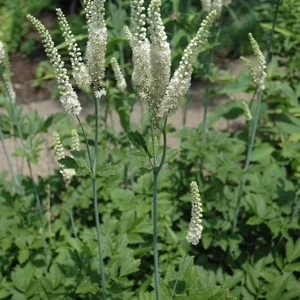

Original price was: $98.00.$78.40Current price is: $78.40.
-67%
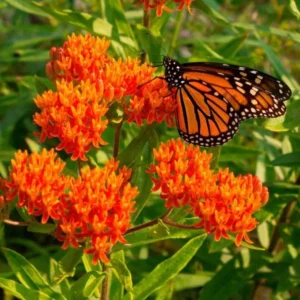
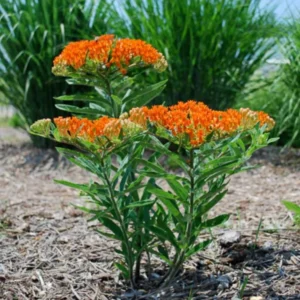
Original price was: $59.97.$19.99Current price is: $19.99.
PLANTING & CARE
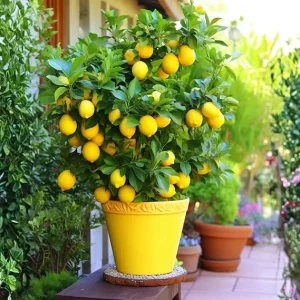
Lemon Tree Growing: Choose, Plant, and Harvest
Learn how to choose, plant, feed, and protect a lemon tree so it fits your
23
Sep
Sep
Dwarf Meyer Lemon Tree Australia: Climate Guide
Learn where dwarf Meyer lemon trees grow, how much cold they tolerate, and whether Australia,
Where to Buy a Dwarf Meyer Lemon Tree: Buyer’s Guide
Find the right dwarf Meyer lemon tree online or locally, compare starter sizes and costs,
Dwarf Meyer Lemon Tree for Sale: Buying Guide
Compare Meyer lemon tree sizes, prices, shipping limits, indoor growing and California options before you
Dwarf Meyer Lemon Tree Guide: Size, Care and Fruit
META: Learn how large a dwarf Meyer lemon tree grows, where it thrives, and how
How to Prune a Dwarf Meyer Lemon Tree
Learn when and how to prune a dwarf Meyer lemon tree, including tools, shaping cuts,
Can You Grow a Dwarf Meyer Lemon Tree in a Pot?
META: Learn how to grow a dwarf Meyer lemon tree in a pot, including container
When Do Dwarf Meyer Lemon Trees Bloom and Fruit?
META: Dwarf Meyer lemon trees usually bloom from winter through spring and may flower again