Deep Red Milkweed Live Plant – Pollinator Attractor – Outdoor
-52%
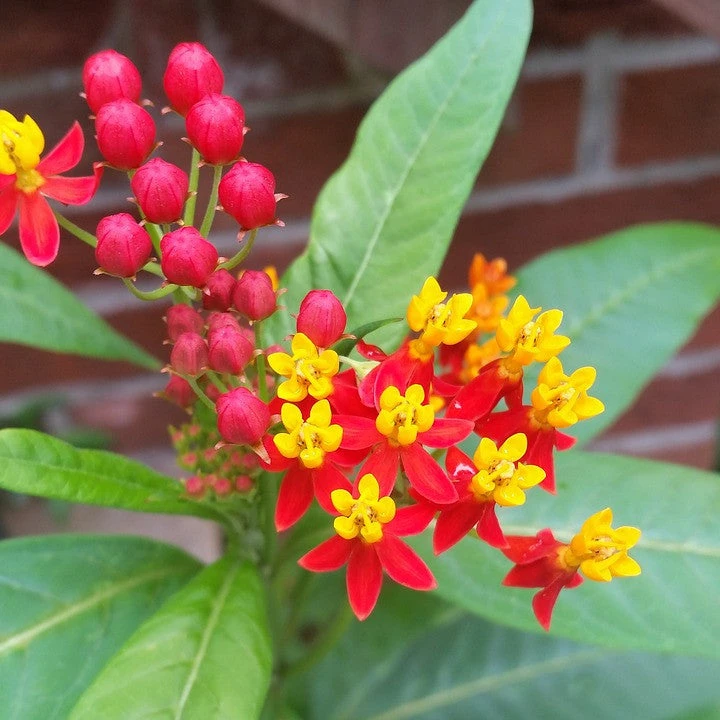
Deep Red Milkweed Live Plant – Pollinator Attractor – Outdoor
Introduce the vibrant deep red milkweed plant to your garden and create a haven for monarch butterflies and other beneficial pollinators. This stunning perennial offers continuous blooms, adding a splash of color while supporting local ecosystems. An essential butterfly host plant for any eco-conscious gardener.
Original price was: $24.98.$11.99Current price is: $11.99.

With our Alive & Thrive Guarantee, we’ve got your back for the first 30 days! If you have any concerns about your plants, just reach out to us. Our team is here to help answer your questions and guide you in selecting the best plants for your garden, climate, and unique preferences. We're excited to help you create the garden of your dreams!
Estimated arrival
Oct 21
Oct 26 - Oct 28
Oct 31 - Nov 04




Product Details
-
USDA Hardiness Zone
USDA Zones 9-11 (perennial), Zones 4-8 (annual) -
Soil type
Well-draining, moderately fertile soil -
Sunlight Exposure
Full sun (6-8+ hours daily) -
Expected Planting Period
Spring to early summer
Overview
Attract a kaleidoscope of butterflies to your garden with the breathtaking deep red milkweed plant. This vibrant perennial, scientifically known as Asclepias curassavica, is a crucial addition to any pollinator garden, especially for those looking to support the monarch butterfly population. Its striking deep red and orange flowers provide a continuous display of color from summer through fall, making it a garden favorite. More than just beautiful, this milkweed variety serves as an essential butterfly host plant, providing food and habitat for monarch caterpillars and nectar for adult butterflies, bees, and other beneficial insects. Easy to grow and low-maintenance, the deep red milkweed plant is perfect for gardeners of all experience levels who want to make a positive impact on their local environment while enjoying stunning blooms.
Known by various common names such as Tropical Milkweed or Bloodflower, Asclepias curassavica is celebrated for its vigorous growth and prolific flowering. Unlike some native milkweed species, this variety offers a prolonged blooming period, ensuring a steady food source for pollinators throughout the warmer months. Its vivid hues are a magnet for the eye, creating a focal point in flower beds, borders, and containers. Embrace sustainable gardening practices and watch your garden come alive with the beauty and activity that this remarkable plant brings.
Key Benefits
The deep red milkweed plant offers a multitude of benefits, transforming your garden into a lively sanctuary while providing essential ecological support. Its stunning appearance and vital role in nature make it an invaluable addition to any outdoor space.
- Monarch Butterfly Support: This is an indispensable milkweed for monarchs, providing the only food source for their caterpillars. By planting it, you directly contribute to the survival and migration of these iconic butterflies.
- Pollinator Magnet: Beyond monarchs, its nectar-rich flowers attract a wide array of other pollinators including bees, hummingbirds, and various butterfly species, boosting biodiversity in your garden.
- Vibrant Garden Color: The intense deep red and orange blossoms create a dazzling display, adding a tropical flair and continuous color from late spring until the first frost.
- Low Maintenance: Once established, the deep red milkweed plant is remarkably drought-tolerant and requires minimal care, making it an excellent choice for busy gardeners.
- Deer Resistant: Its natural compounds make it unappealing to deer, helping to protect your garden from unwanted browsing.
- Versatile Use: Ideal for perennial borders, cottage gardens, pollinator gardens, and even containers, allowing you to enjoy its beauty and benefits in various settings.
- Educational Value: Provides a fantastic opportunity to observe the life cycle of monarch butterflies firsthand, making it a great learning tool for families and schools.
Plant Care & Growing Tips
Caring for your deep red milkweed plant is straightforward, ensuring a thriving display that benefits local wildlife. This robust plant prefers conditions similar to its tropical origins, making it relatively easy to establish and maintain in suitable climates. To ensure optimal growth and abundant blooms, choose a location that receives full sun, meaning at least 6-8 hours of direct sunlight per day. While it can tolerate some partial shade, too little sun will result in fewer flowers and leggy growth. The ideal soil for Asclepias curassavica is well-draining and moderately fertile. It can adapt to a range of soil types, but heavy, waterlogged soils should be avoided to prevent root rot. Incorporating compost or other organic matter can improve soil structure and fertility.
Watering should be consistent, especially during dry spells and when the plant is young. Once established, the deep red milkweed plant becomes quite drought-tolerant, but regular watering will promote more vigorous growth and a longer blooming season. Allow the top inch or two of soil to dry out between waterings. Fertilization is generally not heavily required; a balanced, slow-release fertilizer applied in spring can encourage lush growth and prolific flowering. Deadheading spent blooms will also encourage the plant to produce more flowers throughout the season. In regions with mild winters, this plant may overwinter, but in colder climates, it is typically grown as an annual or brought indoors. Monitor for common garden pests, though milkweeds are generally quite resilient. This plant thrives in USDA zones 9-11 as a perennial, and as an annual in zones 4-8. Understanding these basic care requirements will help you cultivate a healthy and vibrant red butterfly weed.
Size & Details
The deep red milkweed plant typically grows to a mature height of 2-4 feet tall and spreads about 1-2 feet wide, forming an upright, bushy clump. Its growth rate is moderate to fast, allowing it to quickly establish and produce abundant flowers. This plant is generally shipped as a live, healthy starter plant, ready for transplanting into your garden or a larger container. The vibrant deep red and orange flowers are relatively small but appear in dense clusters, creating a significant visual impact. Expect continuous blooming from late spring or early summer through the fall, often until the first hard frost. The plant will also produce distinctive seed pods after flowering, which eventually split open to release seeds dispersed by silky white filaments. Provide adequate spacing to allow for its mature size and ensure good air circulation, especially when planting multiple specimens of this delightful asclepias curassavica.
Frequently Asked Questions
- Q: How big does this plant get? A: The deep red milkweed plant typically reaches a mature height of 2-4 feet tall and spreads 1-2 feet wide, forming an attractive, upright bush.
- Q: Is this an indoor or outdoor plant? A: While it can be grown indoors in a very bright spot, it thrives best as an outdoor plant in full sun, especially during the warmer months. In colder zones, it is often treated as an annual.
- Q: How much sunlight does it need? A: This plant requires full sun, meaning at least 6-8 hours of direct sunlight per day, to produce the most abundant blooms and healthy growth.
- Q: Is this plant easy to care for? A: Yes, the deep red milkweed plant is considered low-maintenance once established, making it suitable for gardeners of all experience levels.
- Q: What condition will it arrive in? A: Your deep red milkweed plant will arrive as a live, healthy starter plant, carefully packaged to ensure its safe journey and ready for planting.
- Q: When is the best time to plant? A: The best time to plant is in spring after the last frost, or early summer, to allow it to establish before the peak growing season.
- Q: Will it survive winter in my zone? A: It is perennial in USDA Zones 9-11. In Zones 4-8, it is typically grown as an annual or brought indoors during winter to protect it from frost.
- Q: Why is it important to plant milkweed? A: Planting milkweed, especially varieties like milkweed for monarchs, is crucial because it is the only plant monarch butterfly caterpillars can eat, making it essential for their survival.
- Q: Can I grow this in a container? A: Absolutely! The red butterfly weed grows very well in containers, provided it has good drainage and sufficient sunlight.
- Q: Does this plant attract other beneficial insects? A: Yes, in addition to monarch butterflies, its nectar-rich flowers attract various bees, hummingbirds, and other beneficial pollinators to your garden.
Related products
-50%
Original price was: $63.00.$31.50Current price is: $31.50.
-40%
Original price was: $59.98.$35.99Current price is: $35.99.
-82%
Original price was: $50.97.$9.04Current price is: $9.04.

-50%
Original price was: $23.98.$11.99Current price is: $11.99.
-80%

Original price was: $113.97.$22.69Current price is: $22.69.
PLANTING & CARE
Lemon Tree Growing: Choose, Plant, and Harvest
Learn how to choose, plant, feed, and protect a lemon tree so it fits your
23
Sep
Sep
Dwarf Meyer Lemon Tree Australia: Climate Guide
Learn where dwarf Meyer lemon trees grow, how much cold they tolerate, and whether Australia,
Where to Buy a Dwarf Meyer Lemon Tree: Buyer’s Guide
Find the right dwarf Meyer lemon tree online or locally, compare starter sizes and costs,
Dwarf Meyer Lemon Tree for Sale: Buying Guide
Compare Meyer lemon tree sizes, prices, shipping limits, indoor growing and California options before you
Dwarf Meyer Lemon Tree Guide: Size, Care and Fruit
META: Learn how large a dwarf Meyer lemon tree grows, where it thrives, and how
How to Prune a Dwarf Meyer Lemon Tree
Learn when and how to prune a dwarf Meyer lemon tree, including tools, shaping cuts,
Can You Grow a Dwarf Meyer Lemon Tree in a Pot?
META: Learn how to grow a dwarf Meyer lemon tree in a pot, including container
When Do Dwarf Meyer Lemon Trees Bloom and Fruit?
META: Dwarf Meyer lemon trees usually bloom from winter through spring and may flower again