Orange Jasmine Live Plant – Murraya Paniculata, Fragrant Flowers, 6″ Pot
-40%
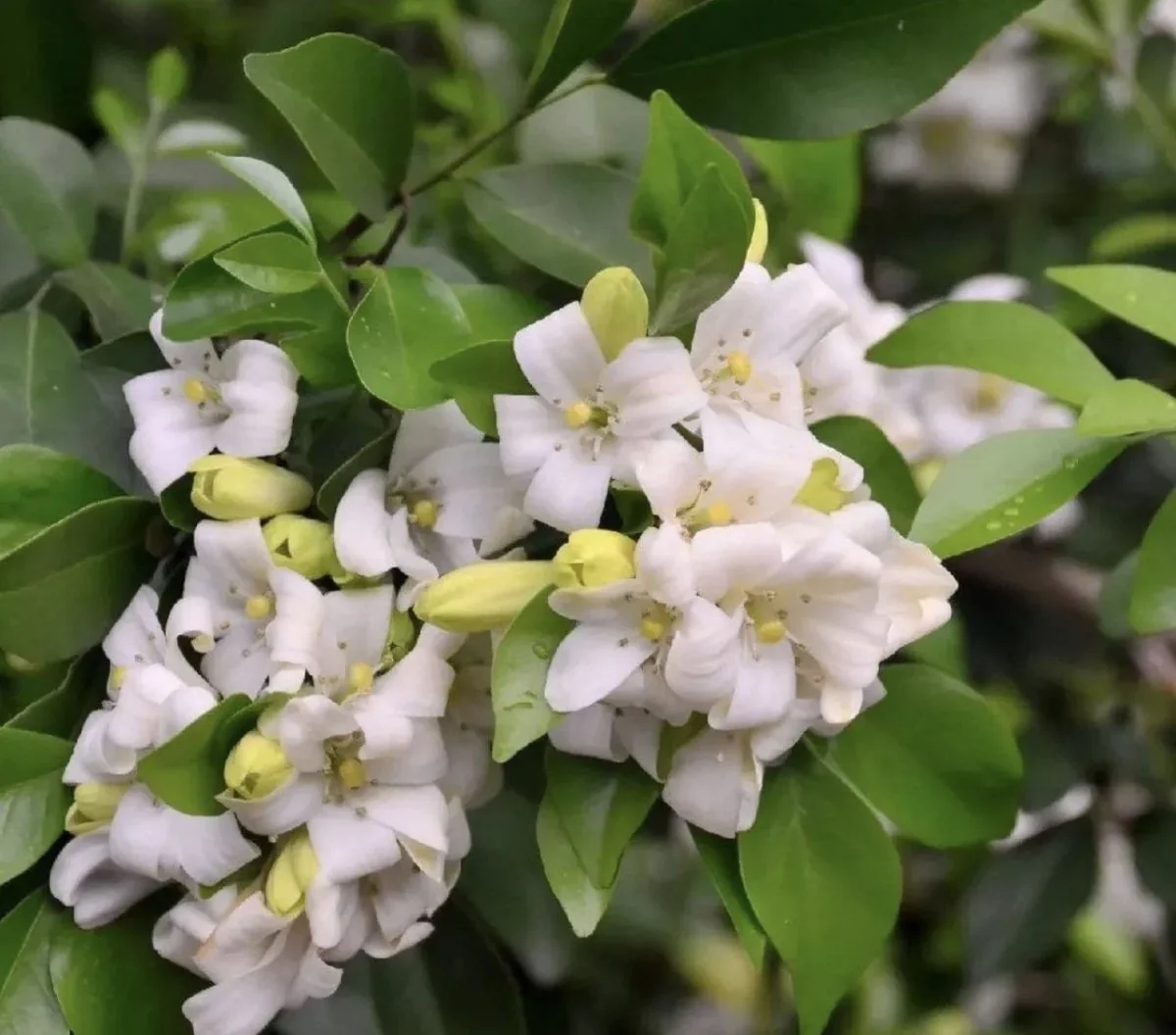
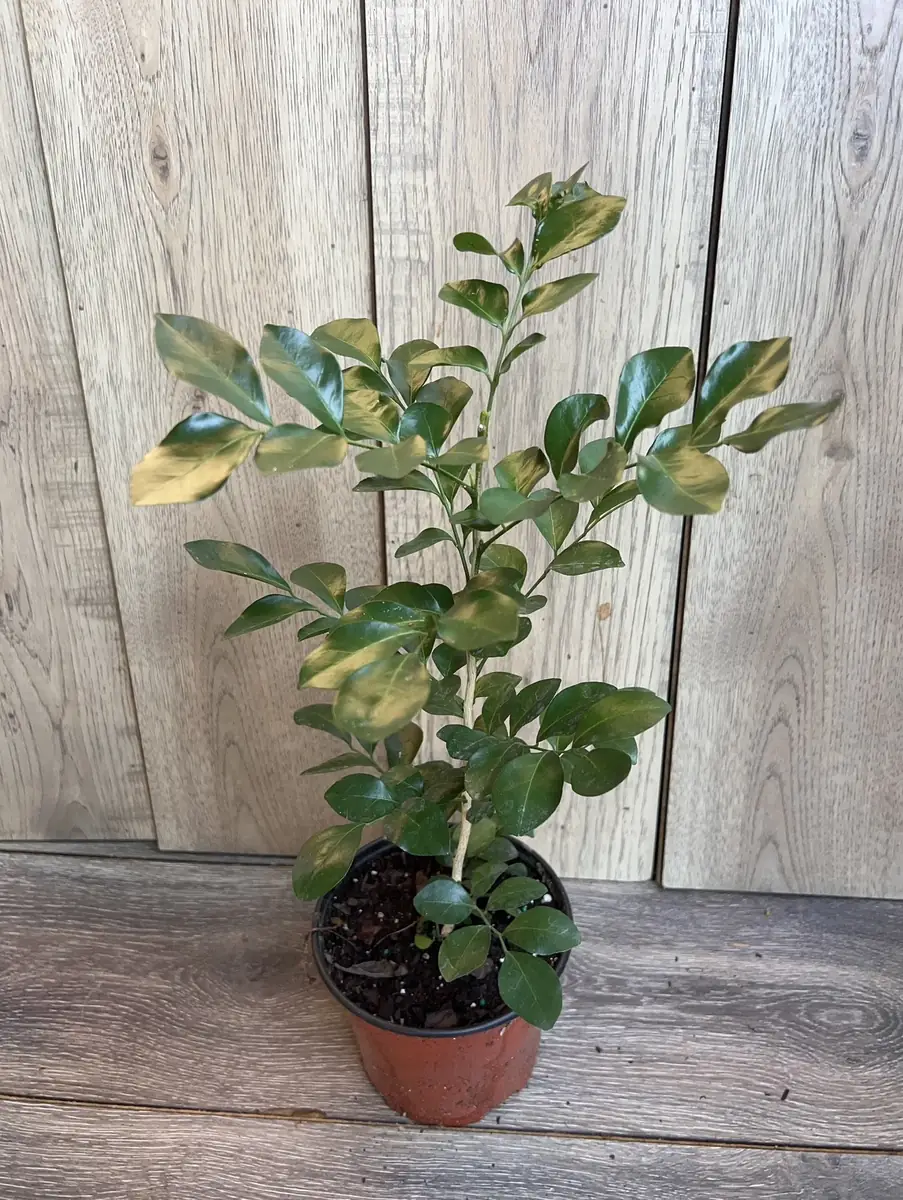
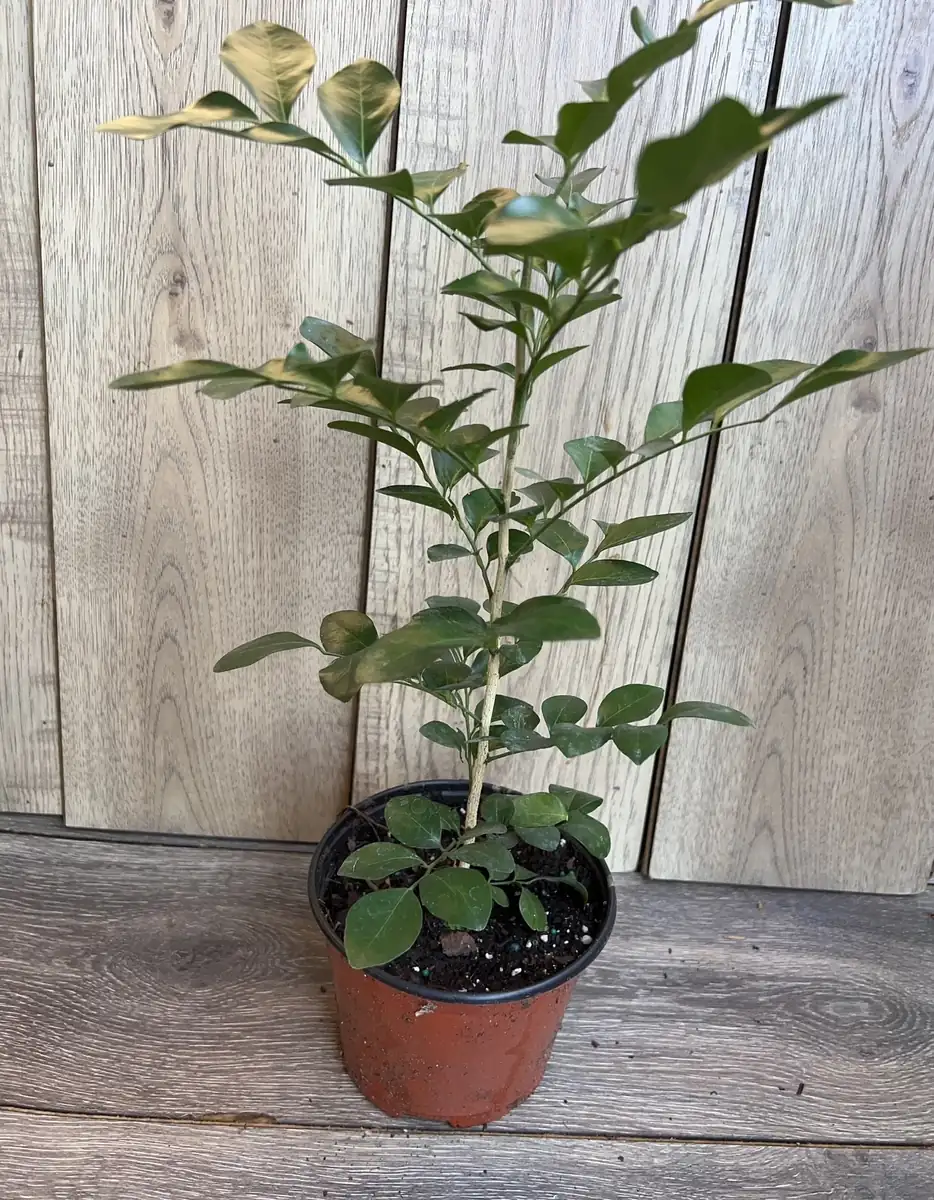
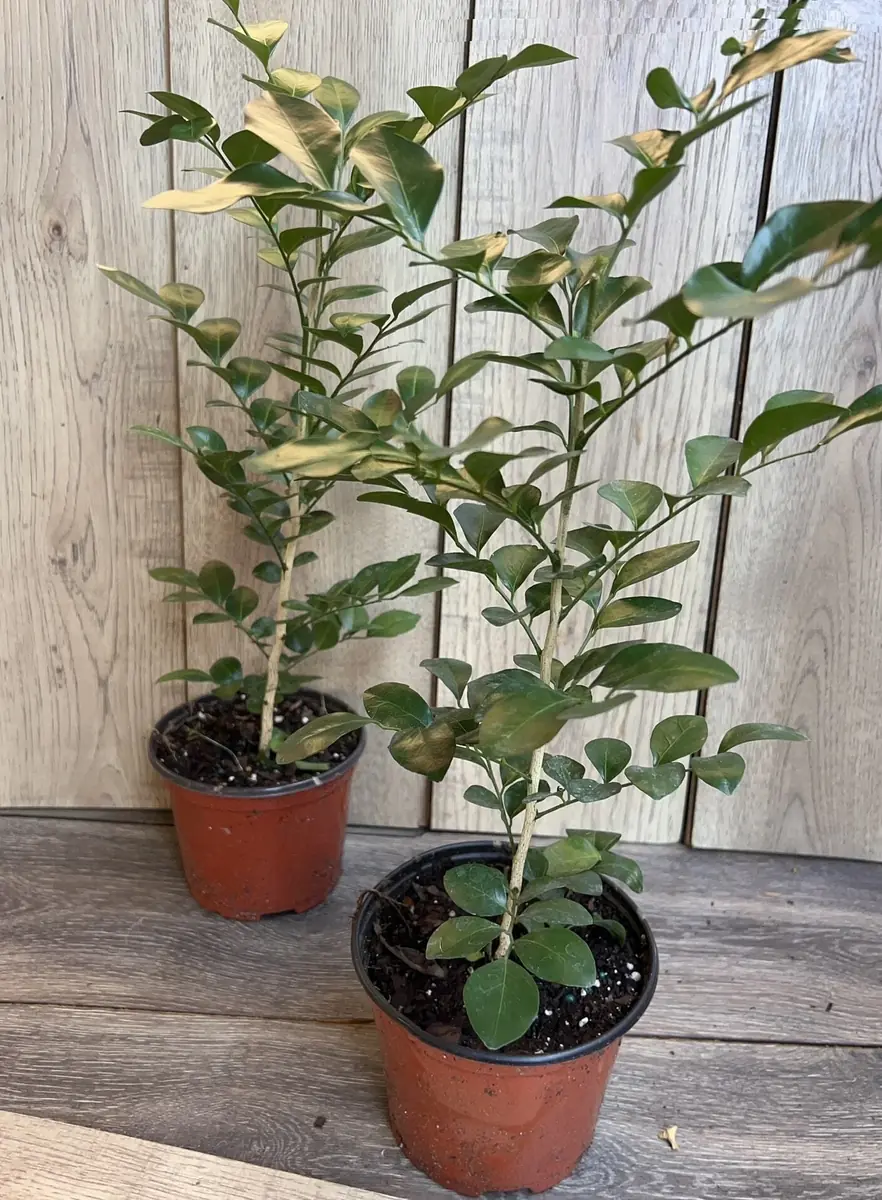
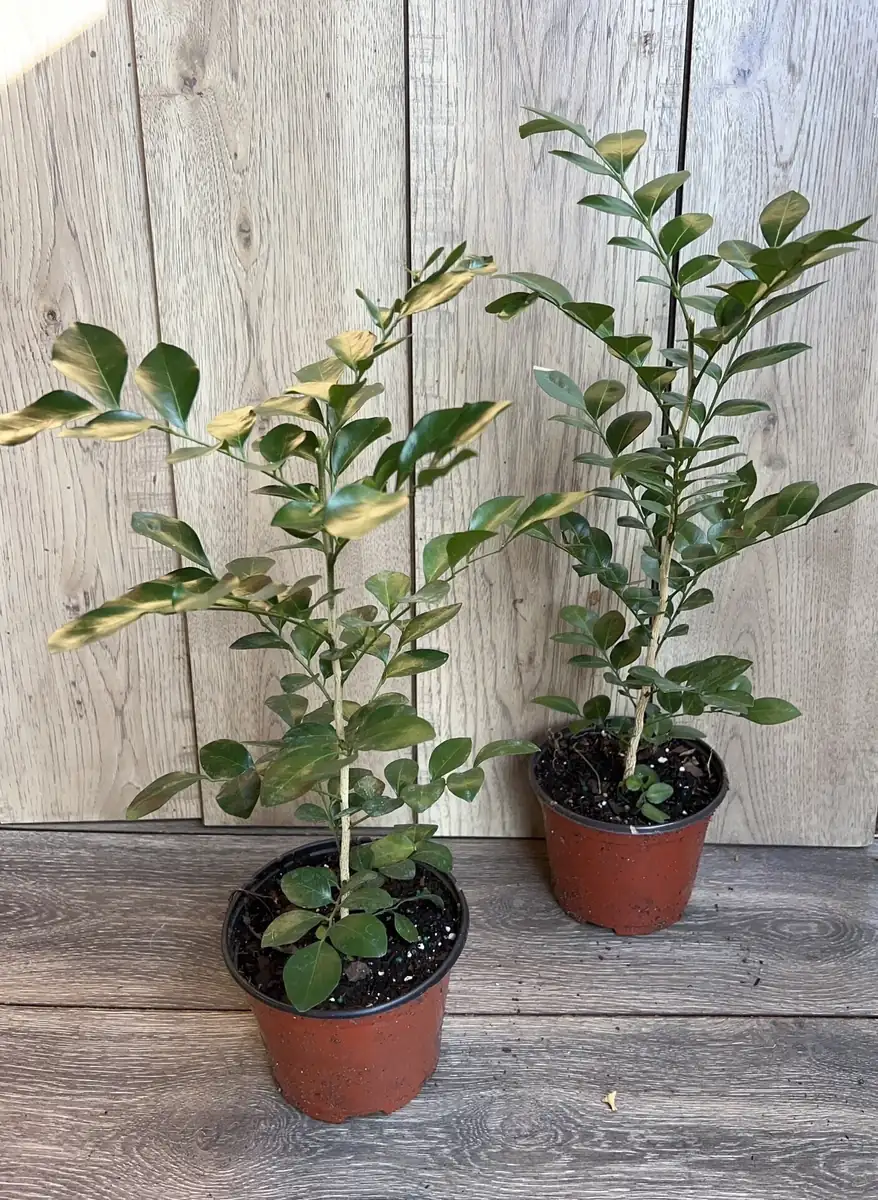
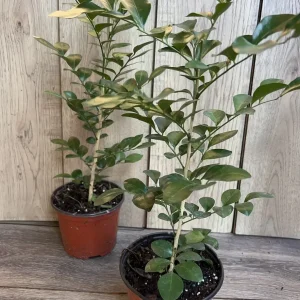
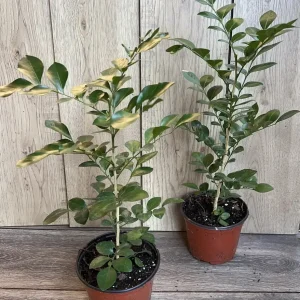
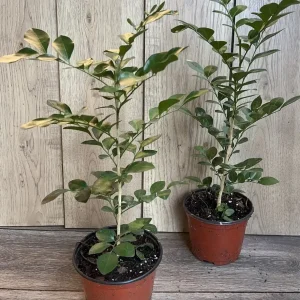
Orange Jasmine Live Plant – Murraya Paniculata, Fragrant Flowers, 6″ Pot
Bring home a beautiful orange jasmine live plant in a 6-inch pot. This tropical evergreen shrub, also known as Murraya paniculata, delights with intensely fragrant, orange blossom-like flowers year-round. Ideal for containers or as a lovely hedge.
Original price was: $90.34.$54.20Current price is: $54.20.

With our Alive & Thrive Guarantee, we’ve got your back for the first 30 days! If you have any concerns about your plants, just reach out to us. Our team is here to help answer your questions and guide you in selecting the best plants for your garden, climate, and unique preferences. We're excited to help you create the garden of your dreams!
Estimated arrival
Apr 13
Apr 18 - Apr 20
Apr 23 - Apr 27
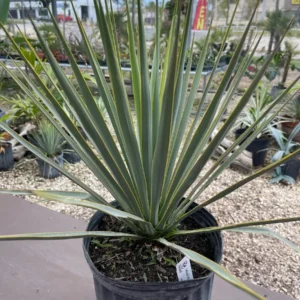
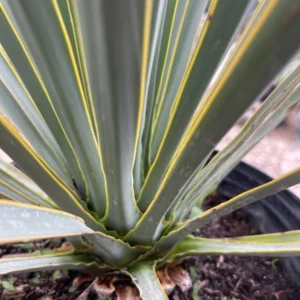
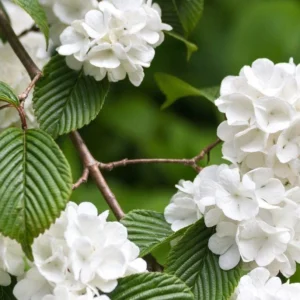
Product Details
-
USDA Hardiness Zone
USDA zones 10-11 (outdoors), adaptable to containers indoors below zone 10 -
Soil type
Well-drained soil, moderately acidic to moderately alkaline -
Sunlight Exposure
Morning sun and afternoon shade or filtered light -
Expected Planting Period
Year-round indoors; Spring to Summer outdoors (in appropriate zones)
Overview
Introduce a touch of tropical elegance and an intoxicating fragrance to your home or garden with the orange jasmine live plant. This captivating shrub, scientifically known as Murraya paniculata, is a beloved evergreen celebrated for its lush, green foliage and abundant, wonderfully scented white flowers. Often referred to as mock orange jasmine, orange jessamine, chalcas, or satinwood, this particular live plant arrives in a convenient 6-inch pot, ready to thrive in your care. Its upright, rounded, and compact growth habit makes it versatile for various landscaping designs or as a stunning potted specimen.
The orange jasmine live plant is a member of the Rutaceae family and is native to South Asia and Australia. It’s an excellent choice for those seeking a plant that offers continuous bloom and a delightful aroma that intensifies in the evenings. Whether you’re looking to create a fragrant hedge, a small ornamental tree, or a vibrant container plant for your patio, this Murraya paniculata is sure to impress with its year-round appeal.
Key Benefits
The orange jasmine live plant offers a multitude of benefits, making it a highly desirable addition to any plant collection. Its natural beauty and ease of care contribute to a rewarding gardening experience. Here are some of the key advantages:
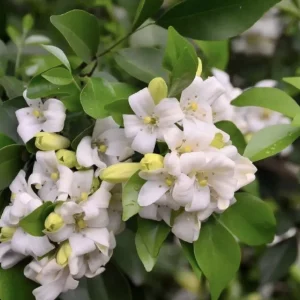
- Exquisite Fragrance: The most notable feature of the orange jasmine live plant is its incredibly fragrant flowers. These small, cream-white blossoms emit a sweet, citrusy scent reminiscent of orange blossoms, especially potent in the evenings, creating a delightful aromatic experience.
- Year-Round Blooms: Unlike many flowering plants, the Orange Jasmine often produces flowers throughout the year, ensuring continuous visual and olfactory pleasure in suitable climates.
- Versatile Growth Habit: This adaptable shrub can be grown as a compact bush, trained into a small tree, or pruned to form an attractive hedge, offering flexibility in garden design and landscaping.
- Lush Evergreen Foliage: Its glossy, dark green leaves provide a beautiful backdrop for the white flowers and maintain year-round interest, even when not in bloom.
- Container Friendly: For those in cooler climates (below USDA zone 10), the mock orange jasmine tree thrives in containers, allowing you to move it indoors during colder months and enjoy its beauty on a patio during warmer seasons.
- Attracts Pollinators: The fragrant flowers are known to attract beneficial pollinators like bees and butterflies, contributing to a healthier garden ecosystem.
- Relatively Low Maintenance: Once established, with proper watering and feeding, the orange jessamine care routine is straightforward, making it suitable for both experienced and novice gardeners.
Plant Care & Growing Tips
Caring for your orange jasmine live plant is relatively simple, provided you meet its basic needs. This tropical evergreen thrives in conditions that mimic its native habitat. For optimal growth, ensure it receives adequate light. While it appreciates bright conditions, it requires protection from intense, hot direct sunlight, which can scorch its leaves. Ideally, place your plant where it will receive morning sunlight and afternoon shade, or in a location with filtered light throughout the day. If growing indoors, a bright, east-facing window is often perfect.
Proper watering is crucial for the health of your murraya paniculata. Water deeply whenever the top two inches of soil feel dry to the touch. A general rule of thumb is about one inch of water per week, but this can vary based on climate and whether the plant is in a container. Container plants often need more frequent irrigation. It is essential to avoid waterlogging; the plant does not tolerate standing in muddy soil. Well-drained soil is paramount. Improve poor drainage by incorporating organic materials like compost or chopped bark. The shrub prefers moderately acidic, neutral, or moderately alkaline soil with a pH between 6.6 and 7.5. For excellent orange jessamine care, fertilize your plant once every three to four weeks during the growing season (spring through fall) using a balanced, water-soluble fertilizer formulated for evergreen shrubs, following the product label instructions.
As a tropical plant, the fragrant plant indoor variety requires temperatures above 40 degrees Fahrenheit and humidity levels above 50 percent to truly flourish. It is not frost-tolerant, so bring container plants indoors before temperatures drop. While it can tolerate lower humidity, consistent moisture in the air will promote healthier growth and more prolific blooms. Pruning is an important aspect of maintenance, especially if you wish to shape it into a hedge or small tree; regular pruning when young encourages dense growth and can manage the rapid growth rate of the mock orange jasmine tree.
Size & Details
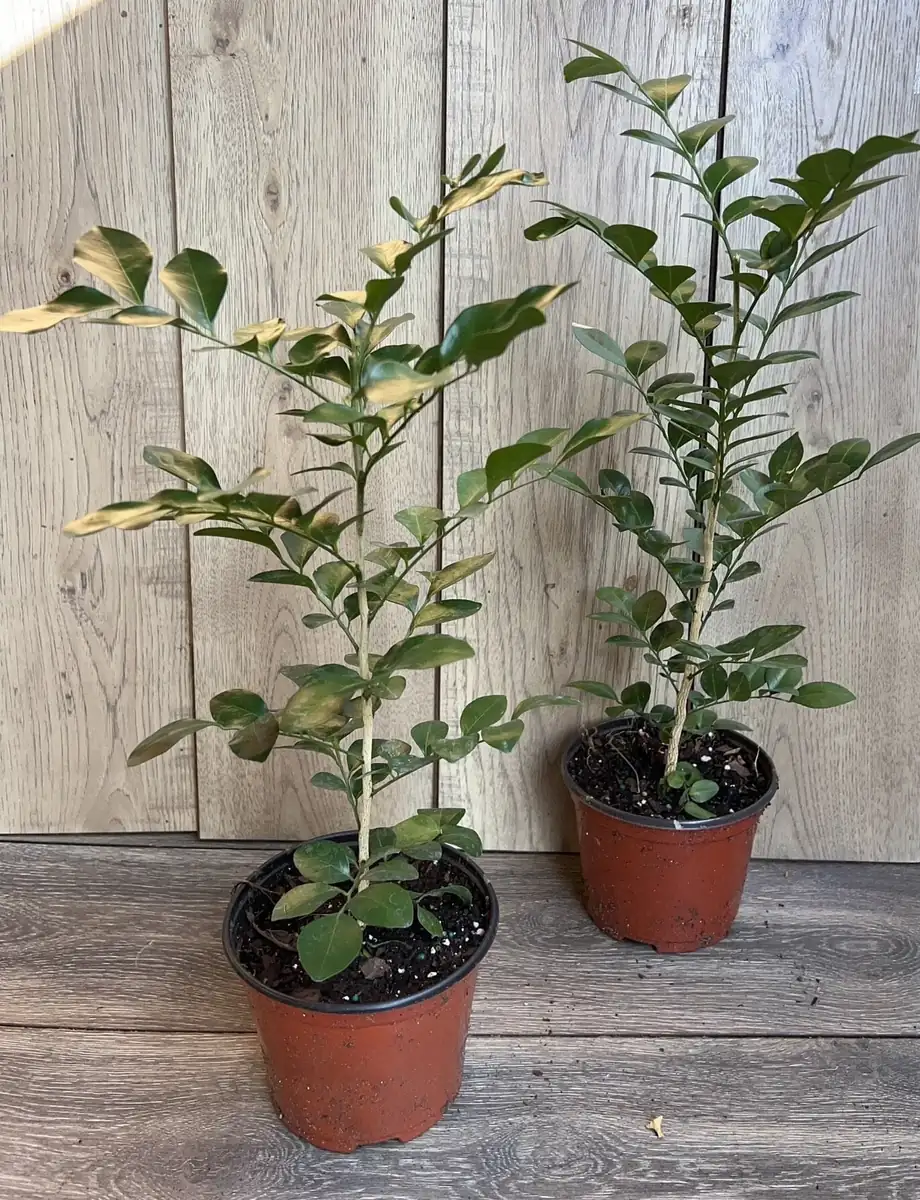
This orange jasmine live plant is supplied in a robust 6-inch nursery pot, providing a healthy start for your new acquisition. At the time of shipping, plants are typically well-established and showcase vigorous growth, similar to the provided images. The Murraya paniculata is known for its relatively fast growth rate, especially when young, and can reach a mature height of 8-12 feet and a similar spread if left unpruned in ideal outdoor conditions. When contained, its size can be easily managed through regular pruning, making it adaptable to smaller spaces or indoor environments. The small, fleshy red fruits that follow the charming cream-white flowers are about half an inch (13mm) in size, adding another element of interest to this beautiful shrub.
Frequently Asked Questions
- Q: How big does this orange jasmine live plant get? A: In ideal outdoor conditions, it can reach 8-12 feet tall and wide. When grown in a container or pruned regularly, its size can be easily managed to suit your space, making it a versatile fragrant plant indoor or outdoor.
- Q: Is this an indoor or outdoor plant? A: The orange jasmine live plant thrives outdoors in USDA Zones 10 and above. In cooler climates, it is best grown in a container and brought indoors to overwinter, making it a wonderful fragrant plant indoor during colder months.
- Q: How much sunlight does it need? A: It prefers morning sun and afternoon shade, or filtered light throughout the day. Protect it from intense, direct hot afternoon sun to prevent leaf scorch.
- Q: Is this plant easy to care for? A: Yes, with proper attention to its light, watering, and feeding needs, the orange jasmine live plant is considered relatively easy to care for, making orange jessamine care manageable for most gardeners.
- Q: What condition will it arrive in? A: Your murraya paniculata will arrive in a 6-inch pot, well-rooted and actively growing, carefully packaged to ensure its health during transit.
- Q: How long until it blooms? A: Orange jasmine can bloom at a relatively young age and often produces flowers year-round in suitable warm climates, especially with consistent care.
- Q: Can the mock orange jasmine tree be pruned into a hedge? A: Absolutely! It responds very well to pruning and can be shaped into a beautiful, fragrant hedge or even a small ornamental tree.
- Q: What is the ideal temperature range for this plant? A: As a tropical plant, it thrives in temperatures above 40 degrees Fahrenheit and is not frost-tolerant.
- Q: How often should I water my orange jasmine live plant? A: Water deeply when the top two inches of soil feel dry to the touch. Container plants may require more frequent watering than those in the ground.
- Q: What kind of soil does it prefer? A: It needs well-drained soil, preferably moderately acidic to moderately alkaline (pH 6.6-7.5). Avoid waterlogged conditions.
Related products
-20%
Original price was: $36.00.$28.80Current price is: $28.80.
-43%
Original price was: $89.99.$50.99Current price is: $50.99.
-20%
Original price was: $76.00.$60.80Current price is: $60.80.
-30%
Original price was: $73.98.$51.78Current price is: $51.78.
-10%
Original price was: $23.99.$21.59Current price is: $21.59.

-10%
Original price was: $23.99.$21.59Current price is: $21.59.
PLANTING & CARE

Growing Glencoe Raspberry: A Complete Guide for Gardeners
If you’re looking to add something unique to your garden, look no further than the
31
Mar
Mar

The Comprehensive Guide to Growing Bay Leaf Plants for a Flavorful Garden
Imagine stepping into your garden, greeted by the earthy aroma of fresh bay leaves, their
09
Feb
Feb

How to Make Comfrey Tea: The Ultimate Organic Plant Food
Growing an organic garden can be surprisingly expensive, especially when most store-bought fertilizers come in
02
Feb
Feb

True Comfrey: 7 Essential Tips Before You Plant This Herb
A staple in permaculture practices across the US, True Comfrey easily earns its reputation as
27
Jan
Jan

7 Heart-Shaped Plants for a Lasting Valentine’s Gift
If you’ve ever bought a bouquet of roses for Valentine’s Day, you know they are
26
Jan
Jan

Best Types of Ivy Plant for Houses: How to Choose the Perfect Ones for Your Home
Are you a garden lover looking to introduce some greenery into your home? Maybe you’ve
14
Nov
Nov

When to Harvest Garlic (Especially Fall-Planted Garlic)
TIMING IS EVERYTHING, they say – and for garlic, that truth hits with surprising accuracy.
13
Nov
Nov

11 of the Best Sweet Potato Varieties to Grow for Your Garden
If you’ve ever tried growing sweet potatoes, you know that picking the right variety can
12
Nov
Nov