Orostachys Iwarenge Chinese Dunce Cap Succulent Live Plant – 2 or 4 Inch Pot
-50%
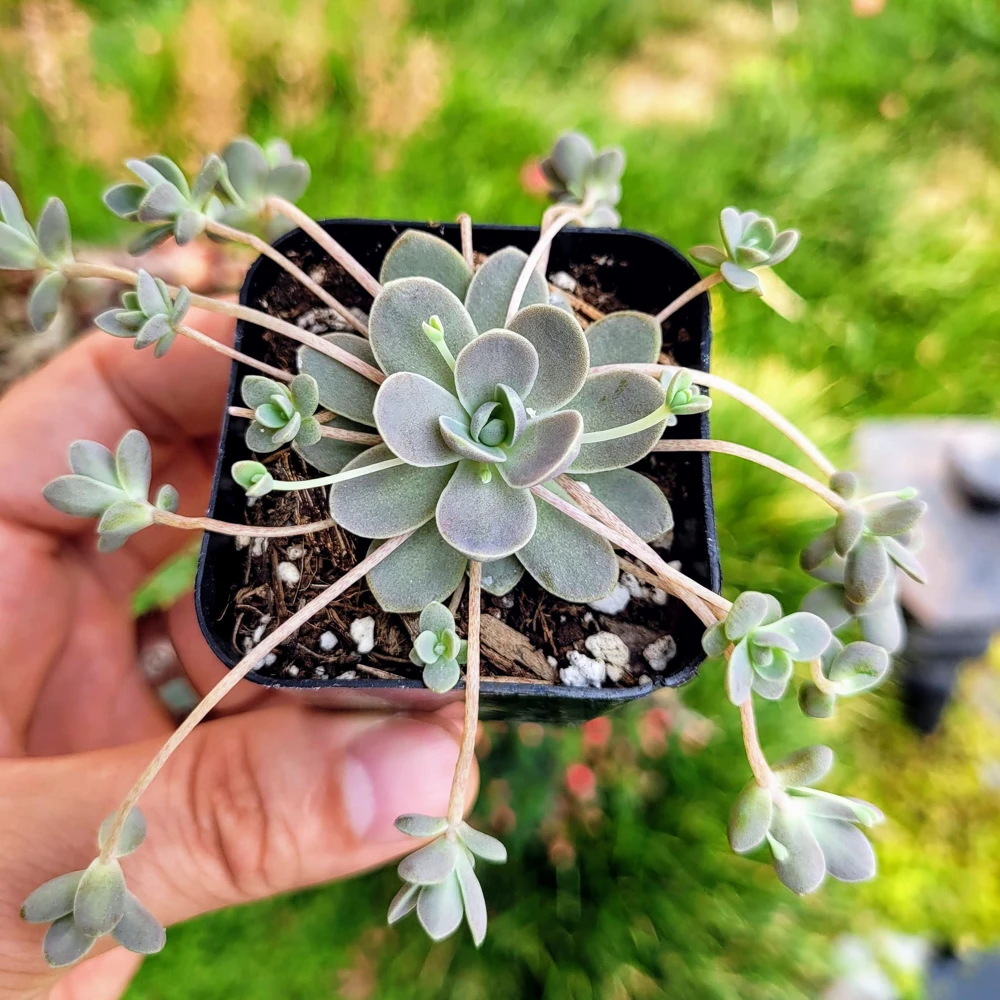
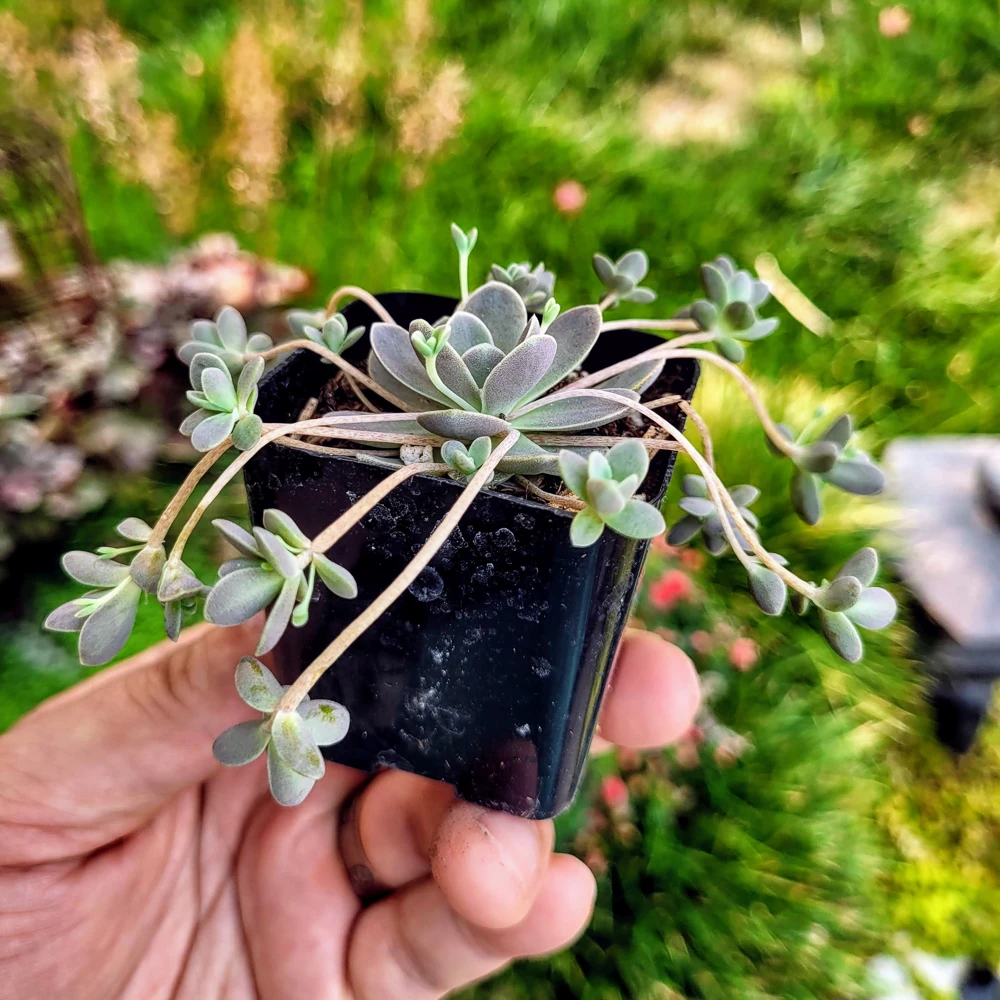
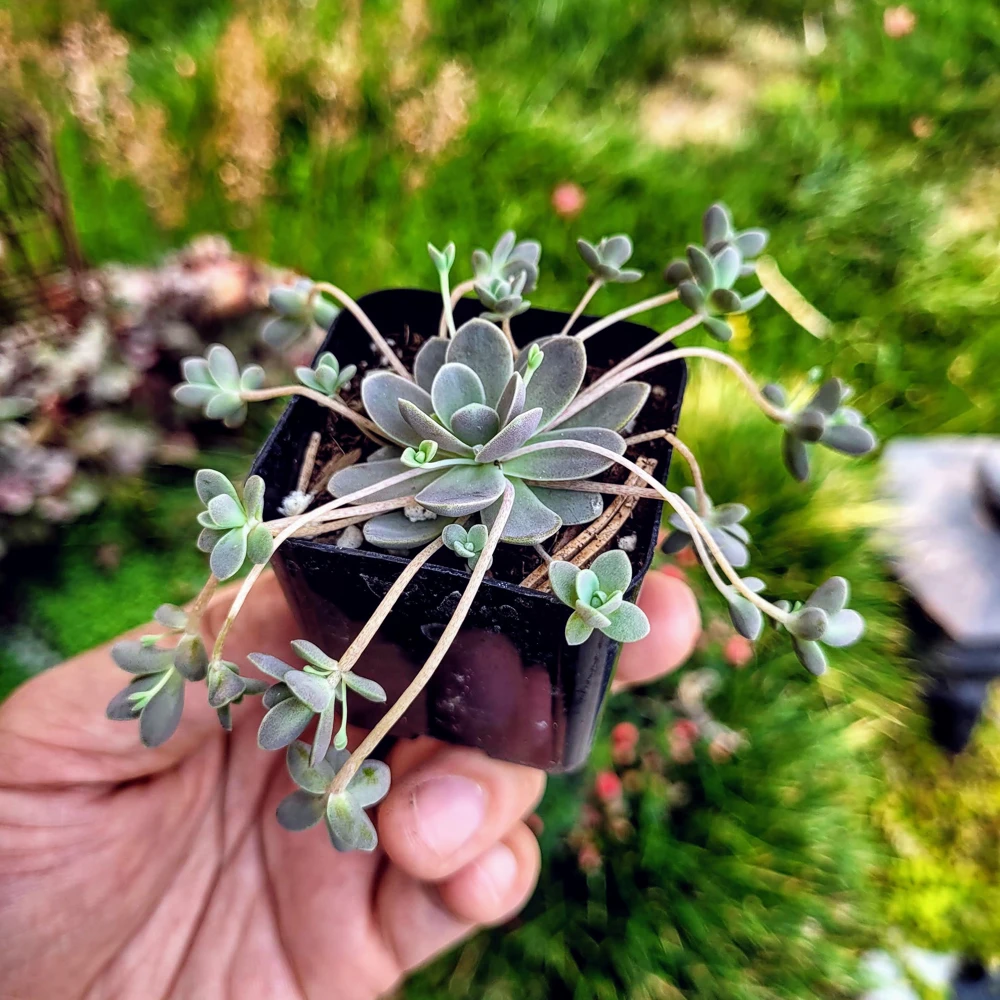
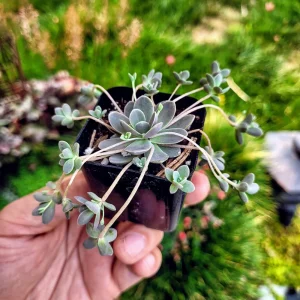
Orostachys Iwarenge Chinese Dunce Cap Succulent Live Plant – 2 or 4 Inch Pot
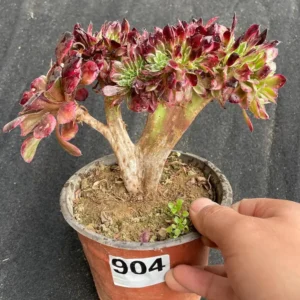
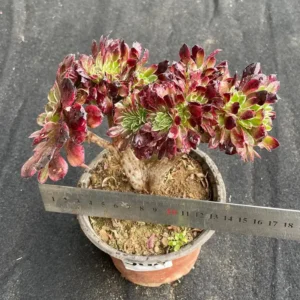
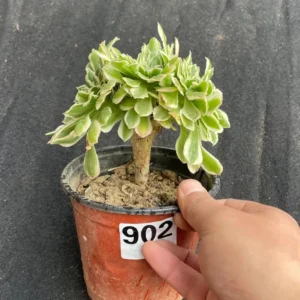
Add a unique touch to your collection with the Orostachys Chinese Dunce Cap succulent. This charming and hardy plant, known for its distinctive rosette shape, thrives with minimal care. Perfect for both indoor and outdoor containers or rock gardens, it offers a delicate appearance similar to hens and chicks but is considerably smaller.
From Original price was: $32.00.$16.00Current price is: $16.00.

With our Alive & Thrive Guarantee, we’ve got your back for the first 30 days! If you have any concerns about your plants, just reach out to us. Our team is here to help answer your questions and guide you in selecting the best plants for your garden, climate, and unique preferences. We're excited to help you create the garden of your dreams!
Estimated arrival
Oct 14
Oct 19 - Oct 21
Oct 24 - Oct 28

Product Details
-
USDA Hardiness Zone
USDA zones 5-10 -
Soil type
Well-draining succulent or cactus mix -
Sunlight Exposure
Full sun to partial shade -
Expected Planting Period
Spring to early summer (or year-round indoors)
Overview
Discover the captivating beauty of the Orostachys Chinese Dunce Cap succulent, a truly unique addition to any plant enthusiast’s collection. This live plant, Orostachys iwarenge, is renowned for its distinctive, tightly packed rosettes that resemble miniature dunce caps, hence its charming common name. Native to the harsh, mountainous regions of North China, Mongolia, and Japan, this succulent is surprisingly hardy and resilient, making it an excellent choice for a variety of growing environments. While it shares a structural resemblance to the more familiar hens and chicks, the Orostachys iwarenge succulent offers a more delicate and intricate appearance, growing significantly smaller. It’s an ideal choice for adding texture and visual interest to rock gardens, succulent arrangements, or as a charming potted specimen on your patio or windowsill.
This particular offering provides you with a healthy, established Orostachys Chinese Dunce Cap succulent, ready to be planted in your chosen location. Its unique form and ease of care make it a favorite among both novice and experienced gardeners. The plant’s ability to withstand colder temperatures, relative to many other succulents, further enhances its appeal for those in diverse climates. Experience the joy of growing this fascinating plant that brings a touch of exotic hardiness to your home or garden.
The Orostachys iwarenge, commonly known as Chinese Dunce Cap, is a fascinating perennial succulent that forms beautiful rosettes. These rosettes can range in color from green to reddish-purple, especially when exposed to direct sunlight or cooler temperatures. Its unique growth habit and adaptability make it a versatile plant for various landscape designs and container gardening.
Key Benefits
The Orostachys Chinese Dunce Cap succulent offers a multitude of benefits that make it a highly desirable plant. Its distinctive appearance and robust nature contribute to its widespread appeal:
- Unique Ornamental Appeal: The tightly formed, cone-shaped rosettes provide an unusual and captivating visual element, making it a standout in any succulent collection or garden. Its delicate structure adds an intricate beauty that is hard to match.
- Exceptional Hardiness: Unlike many succulents, the Orostachys iwarenge succulent is remarkably cold-hardy, thriving in USDA zones 5 through 10. This resilience allows it to be grown outdoors in a wider range of climates, enduring frosty conditions that would deter other varieties.
- Low Maintenance & Drought Tolerant: This plant is incredibly easy to care for, requiring minimal watering and attention once established. Its drought-tolerant nature makes it an excellent choice for busy gardeners or those looking for a water-wise plant option.
- Versatile Planting Options: The compact size and spreading growth habit of the hardy succulent plant make it perfect for rock gardens, container arrangements, living walls, or as a charming ground cover. It adapts well to various settings, both indoors and outdoors.
- Natural Spreader: Over time, the Chinese Dunce Cap will produce offsets, creating a dense mat of rosettes. This natural propagation allows for easy sharing with friends or expansion of your own succulent display.
- Pest and Disease Resistant: Generally, this succulent is quite resistant to common pests and diseases, further simplifying its care and ensuring a healthy, thriving plant with minimal intervention.
- Unique Foliage Coloration: The foliage can change color with light exposure and temperature, often developing beautiful reddish or purplish hues, adding dynamic visual interest throughout the seasons.
Plant Care & Growing Tips
Caring for your Orostachys Chinese Dunce Cap succulent is straightforward, making it an excellent choice for both beginners and experienced gardeners. The key to success lies in providing the right conditions, particularly regarding soil and light. Like most succulents, it thrives on neglect rather than over-attentiveness.
Sunlight Requirements: This succulent prefers full sun to partial shade. For the best growth and most vibrant coloration, aim for at least 6 hours of direct sunlight per day. If grown indoors, place it in a south-facing window where it can receive ample bright light. Insufficient light can lead to leggy growth and less compact rosettes. When transitioning an indoor plant outdoors, do so gradually to prevent sunburn.
Watering Schedule and Soil Moisture: The most crucial aspect of Chinese Dunce Cap plant care is proper watering. Orostachys iwarenge is highly susceptible to rot in overly moist conditions. Water thoroughly when the soil is completely dry to the touch, and then allow it to dry out completely before watering again. In warmer months, this might be once every 2-4 weeks, while in cooler months, it could be even less frequent. Reduce watering significantly in winter when the plant is dormant. Ensure excellent drainage to prevent standing water around the roots.
Soil Type and Drainage: A well-draining soil mix is absolutely essential for this hardy succulent plant. A standard succulent or cactus potting mix is ideal. If using regular potting soil, amend it generously with perlite, pumice, or coarse sand to improve drainage. A good ratio is 50% potting soil and 50% inorganic material. The pot should also have drainage holes to allow excess water to escape.
Temperature Range and USDA Hardiness Zone: Chinese Dunce Cap succulents are remarkably cold-hardy for succulents, thriving in USDA plant hardiness zones 5 through 10. They can tolerate temperatures down to -20°F (-29°C) if kept dry. In extremely hot climates, some afternoon shade can prevent scorching. If you are outside of its hardiness zone and wish to grow it outdoors, consider bringing it inside during the coldest months or providing winter protection.
Fertilization Schedule and Type: Orostachys generally do not require heavy fertilization. If desired, you can feed them with a diluted, balanced liquid fertilizer (half-strength) once or twice during the growing season (spring and summer). Avoid fertilizing during the dormant winter months. Over-fertilization can lead to weak, leggy growth.
Common Problems and Solutions: The primary issue for Orostachys is rot due to overwatering or poor drainage. Ensure your soil mix is gritty and porous, and err on the side of underwatering. Pests are rare, but occasionally mealybugs or aphids might appear. Treat with insecticidal soap or neem oil if necessary. Providing good air circulation also helps prevent fungal issues.
Size & Details
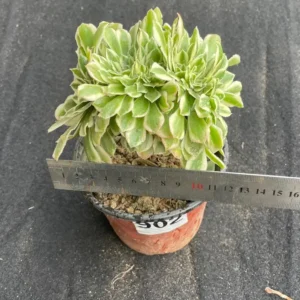
This offering includes one live Orostachys Chinese Dunce Cap succulent plant, carefully selected and packaged for safe transit. The plant will arrive potted in either a 2-inch or 4-inch nursery pot, depending on your selection, providing a healthy root system ready for transplanting. These plants typically grow to be quite compact, with individual rosettes reaching approximately 1-2 inches in diameter, though they will spread to form attractive clusters over time. The overall height of a mature cluster generally remains under 4-6 inches.
The growth rate for this Orostachys iwarenge succulent is moderate, allowing you to observe its development without it quickly outgrowing its space. It will form numerous offsets, or ‘pups,’ around the mother plant, gradually creating a dense and appealing mat of rosettes. These offsets can be carefully separated and replanted to expand your collection. The plant is shipped with appropriate filler to protect it during transit, ensuring it arrives in excellent condition, ready to be integrated into your garden or indoor display.
Frequently Asked Questions
- Q: How big does this plant get? A: The Orostachys Chinese Dunce Cap succulent typically forms individual rosettes about 1-2 inches in diameter. Over time, it will produce offsets and spread, forming clusters that usually remain under 4-6 inches in height.
- Q: What size pot does it come in? A: This Orostachys iwarenge plant will arrive in either a 2-inch or 4-inch nursery pot, depending on the option you choose, with a well-established root system.
- Q: Is this an indoor or outdoor plant? A: The Orostachys Chinese Dunce Cap succulent is a very versatile plant. It can thrive both indoors in a bright, sunny spot or outdoors in rock gardens, containers, or as ground cover in USDA zones 5-10.
- Q: How much sunlight does it need? A: This hardy succulent plant prefers full sun to partial shade, ideally receiving at least 6 hours of direct sunlight per day for optimal growth and coloration.
- Q: Is this plant easy to care for? A: Yes, Chinese Dunce Cap plant care is considered easy. It’s a low-maintenance plant that thrives on well-draining soil and infrequent watering, making it suitable for beginners.
- Q: What condition will it arrive in? A: Your Orostachys Chinese Dunce Cap succulent will arrive as a live, healthy plant, potted in its nursery container with protective filler to ensure safe transit.
- Q: Can I grow the Orostachys iwarenge succulent in a container? A: Absolutely! Its compact size and preference for well-draining soil make it an excellent choice for container gardening, either alone or as part of a succulent arrangement.
- Q: When is the best time to plant? A: While generally adaptable, spring or early summer is often the best time to plant or transplant your Orostachys iwarenge, allowing it to establish before extreme weather.
- Q: Will it survive winter in my zone? A: This plant is remarkably cold-hardy, suitable for USDA zones 5 through 10. If you are in zone 5, ensure it stays dry during winter for best survival.
- Q: What type of soil does it need? A: The most important requirement is well-draining soil. A cactus or succulent mix, or a blend of potting soil with perlite or coarse sand, is ideal for the Orostachys Chinese Dunce Cap succulent.
| Size | 2" Pot, 4" Pot |
|---|
Related products
-97%
Original price was: $316.80.$9.92Current price is: $9.92.
-30%
Original price was: $129.98.$90.98Current price is: $90.98.
-40%
Original price was: $19.60.$11.76Current price is: $11.76.
-30%
Original price was: $79.98.$55.98Current price is: $55.98.
-30%
Original price was: $85.98.$60.18Current price is: $60.18.
-30%
Original price was: $79.98.$55.98Current price is: $55.98.
PLANTING & CARE
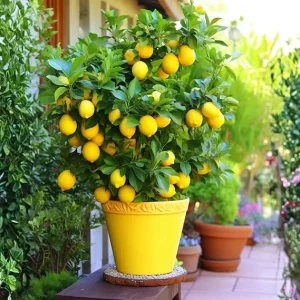
Lemon Tree Growing: Choose, Plant, and Harvest
Learn how to choose, plant, feed, and protect a lemon tree so it fits your
23
Sep
Sep
Dwarf Meyer Lemon Tree Australia: Climate Guide
Learn where dwarf Meyer lemon trees grow, how much cold they tolerate, and whether Australia,
Where to Buy a Dwarf Meyer Lemon Tree: Buyer’s Guide
Find the right dwarf Meyer lemon tree online or locally, compare starter sizes and costs,
Dwarf Meyer Lemon Tree for Sale: Buying Guide
Compare Meyer lemon tree sizes, prices, shipping limits, indoor growing and California options before you
Dwarf Meyer Lemon Tree Guide: Size, Care and Fruit
META: Learn how large a dwarf Meyer lemon tree grows, where it thrives, and how
How to Prune a Dwarf Meyer Lemon Tree
Learn when and how to prune a dwarf Meyer lemon tree, including tools, shaping cuts,
Can You Grow a Dwarf Meyer Lemon Tree in a Pot?
META: Learn how to grow a dwarf Meyer lemon tree in a pot, including container
When Do Dwarf Meyer Lemon Trees Bloom and Fruit?
META: Dwarf Meyer lemon trees usually bloom from winter through spring and may flower again