Graptosedum Alpenglow Succulent Live Plant – Bronze Vera Higgins – 2-inch Pot
-50%
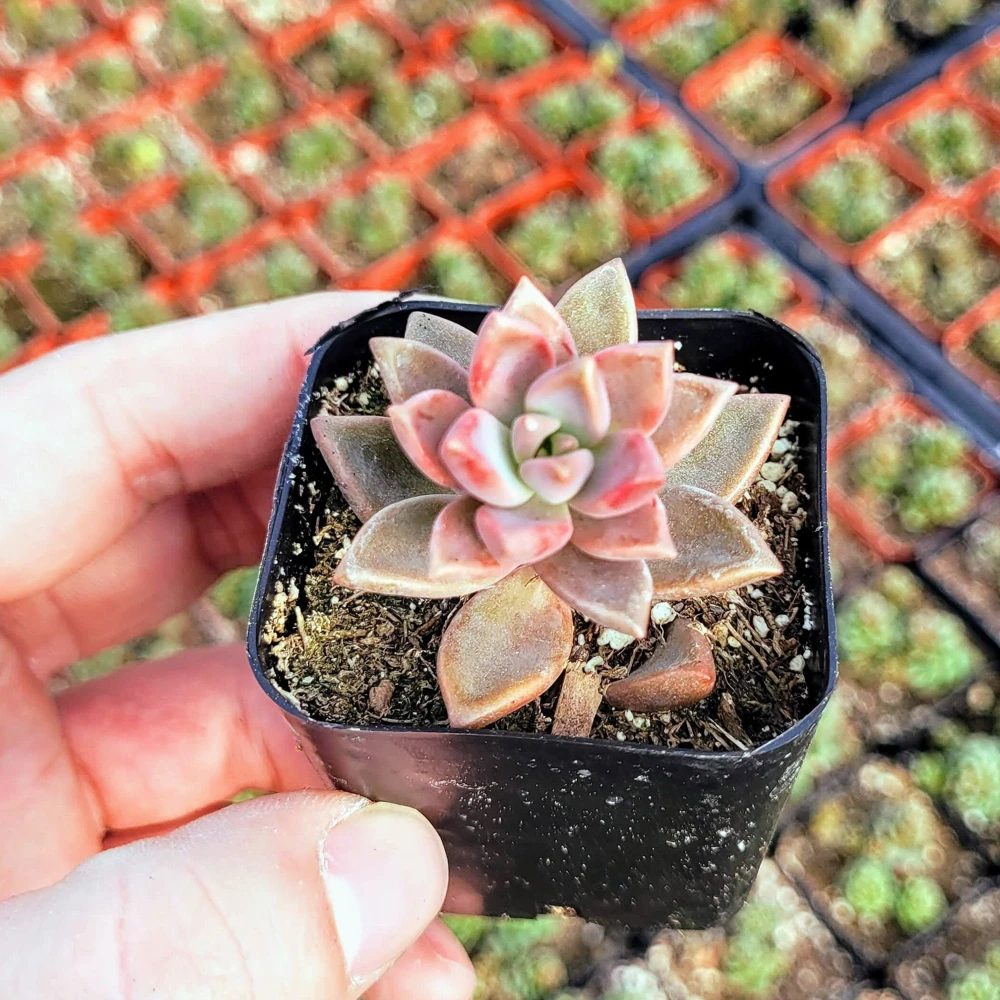
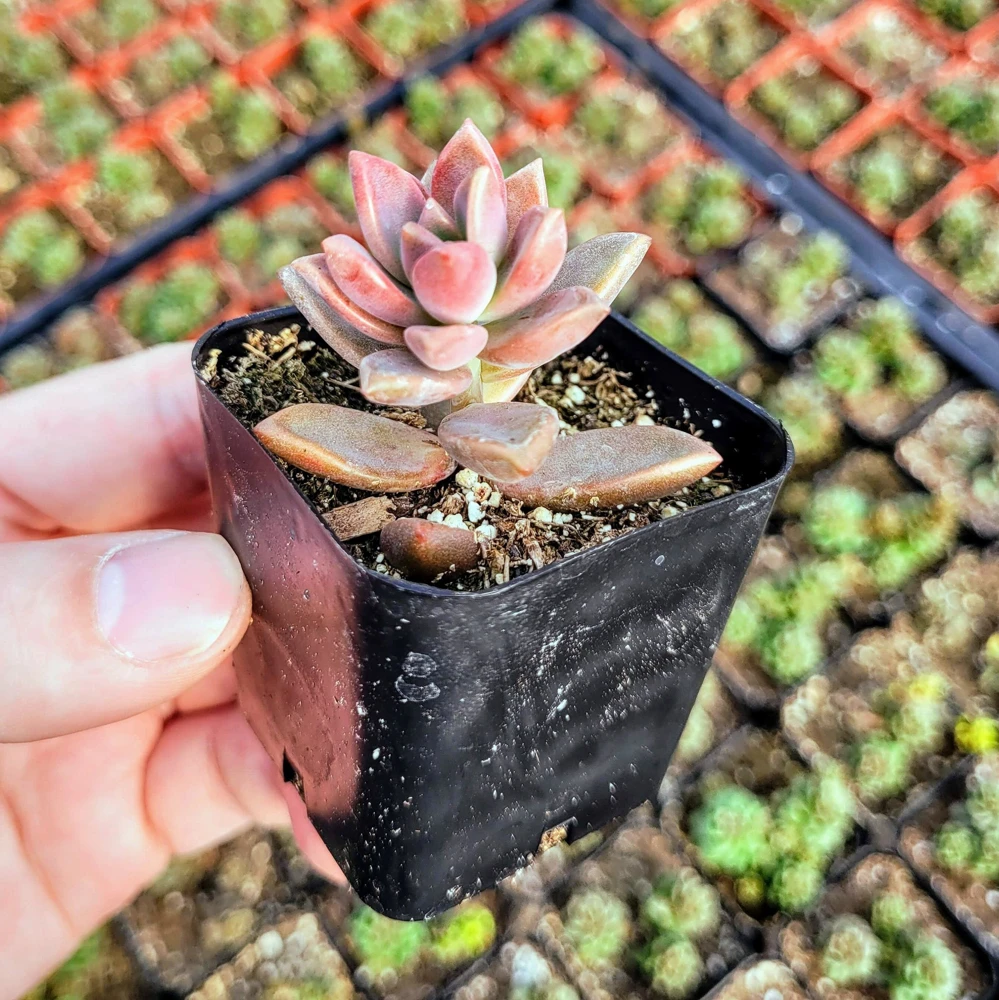
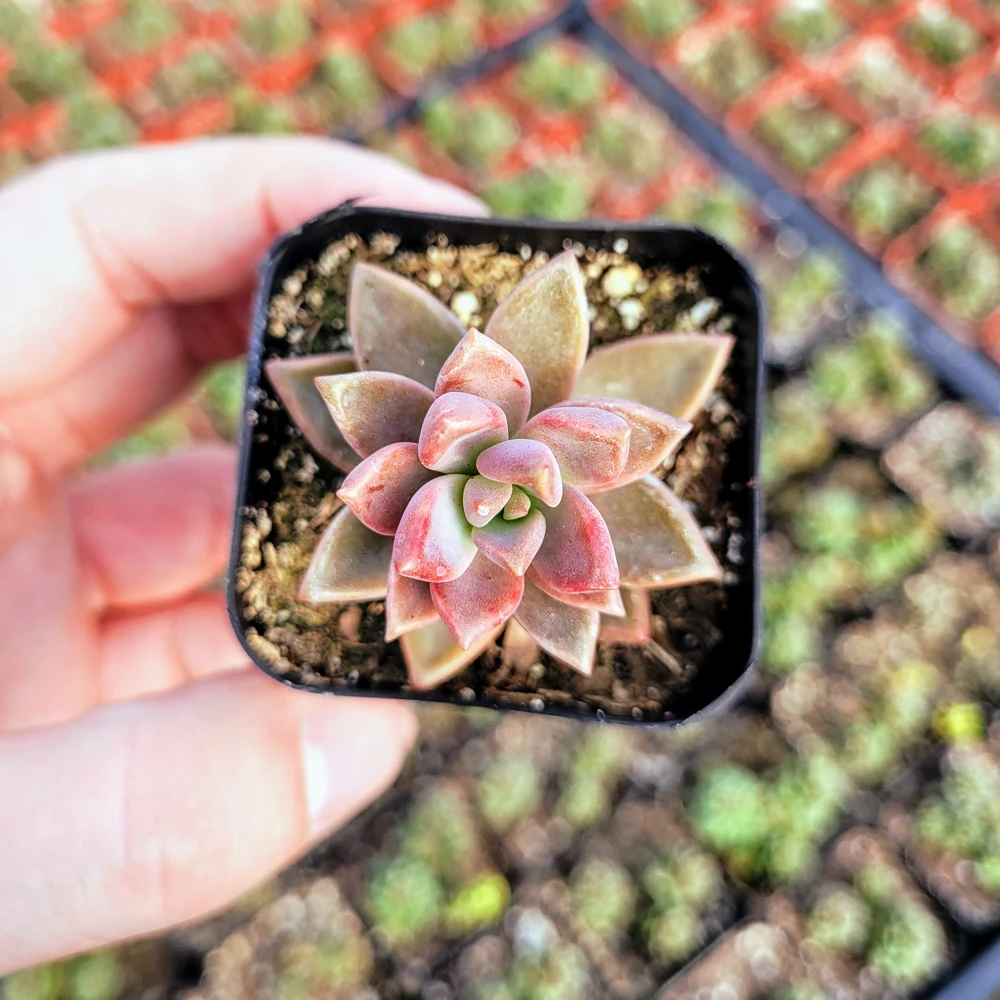
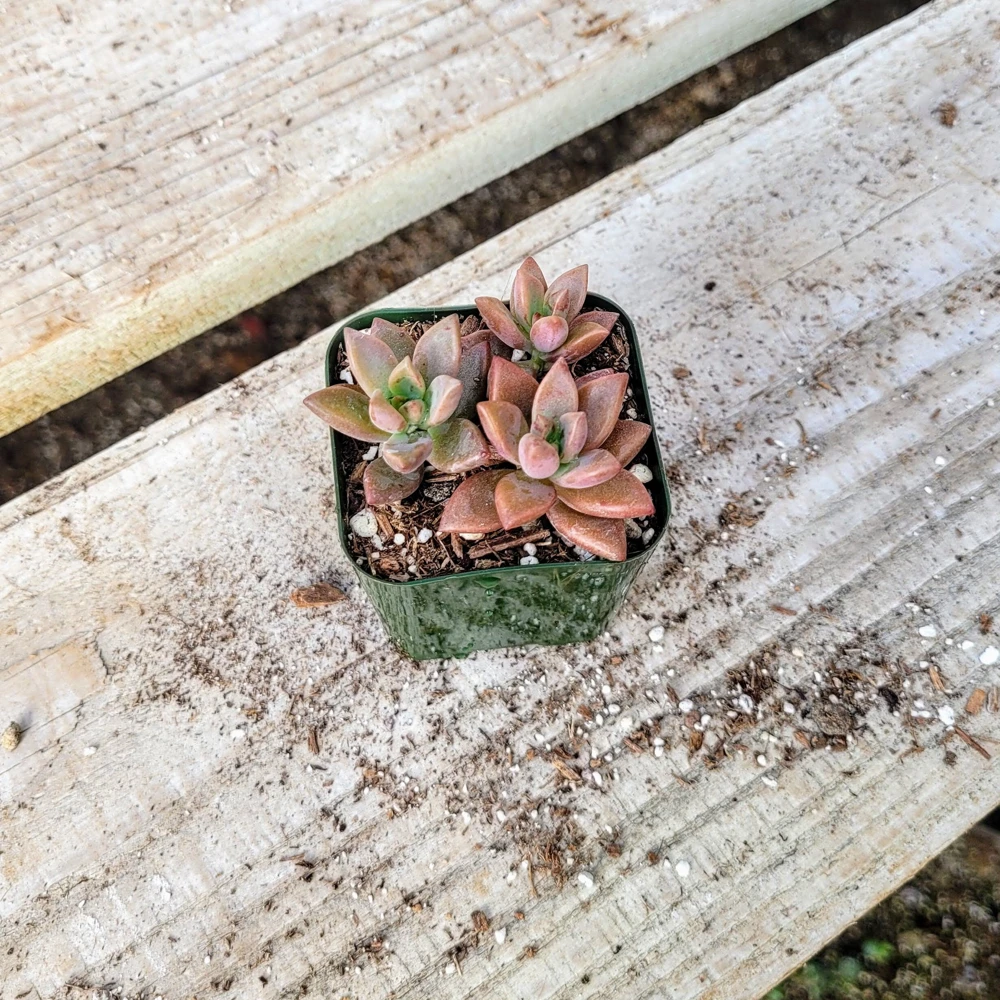
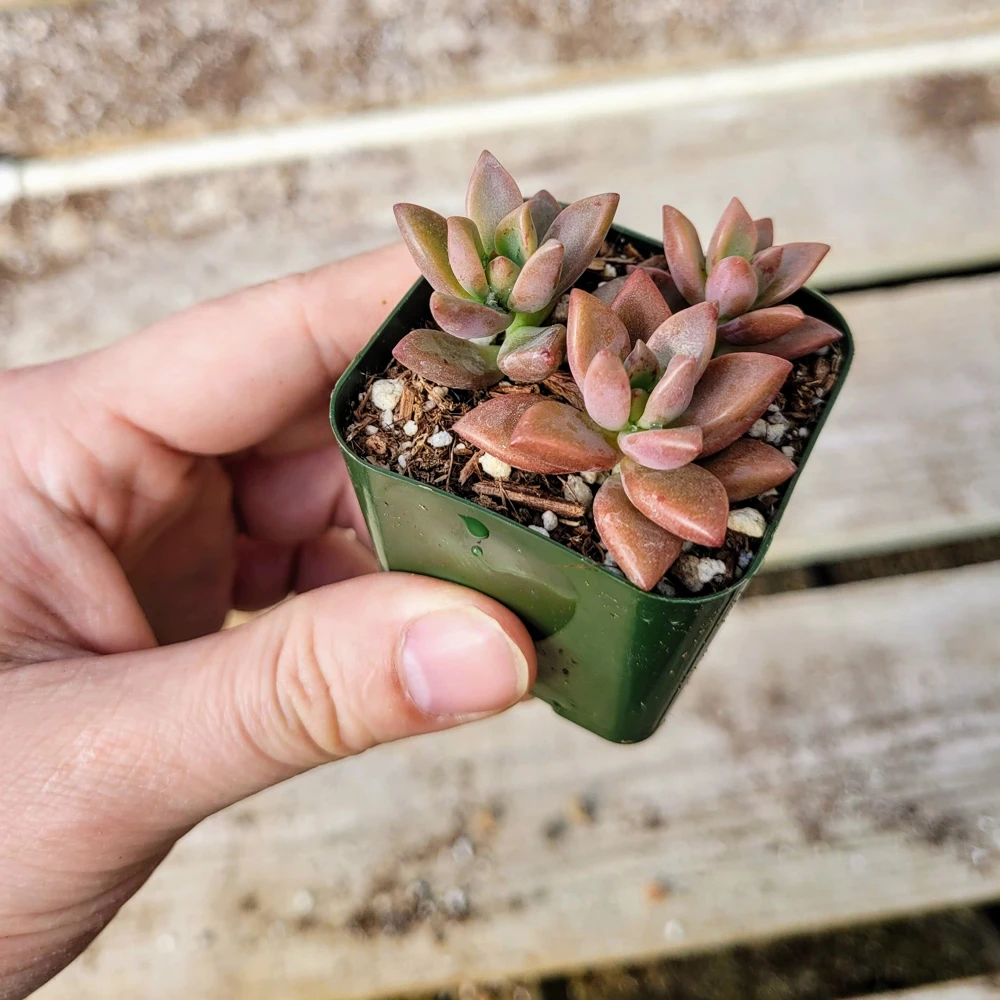
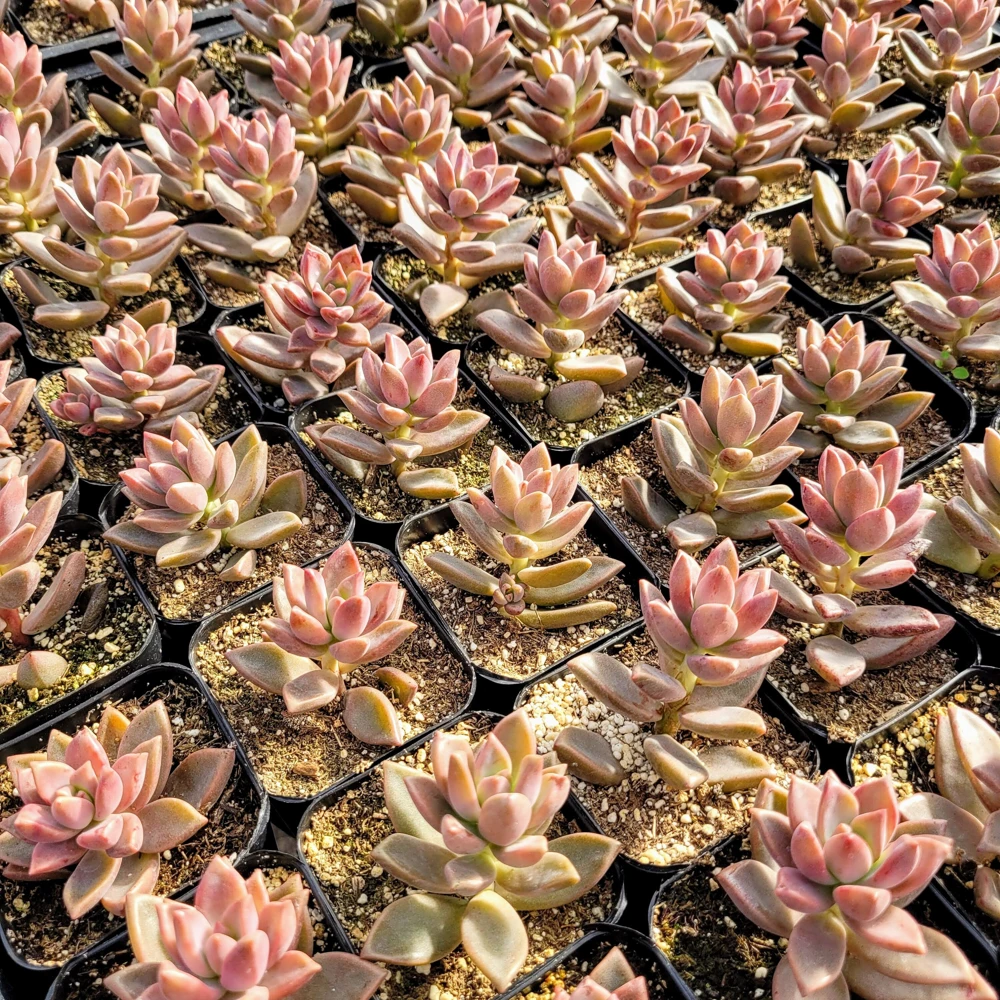
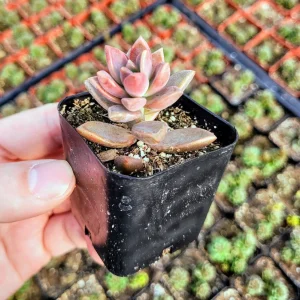
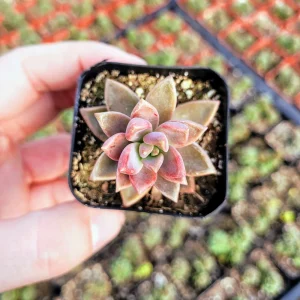
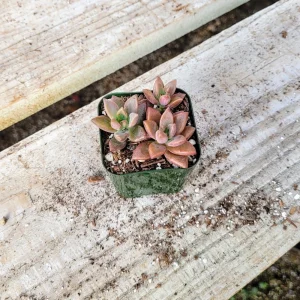
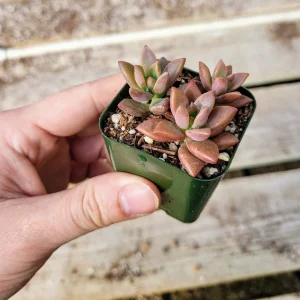
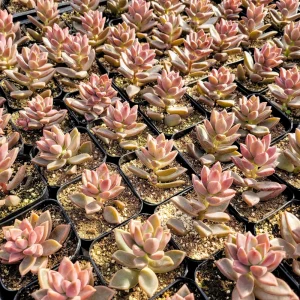
Graptosedum Alpenglow Succulent Live Plant – Bronze Vera Higgins – 2-inch Pot
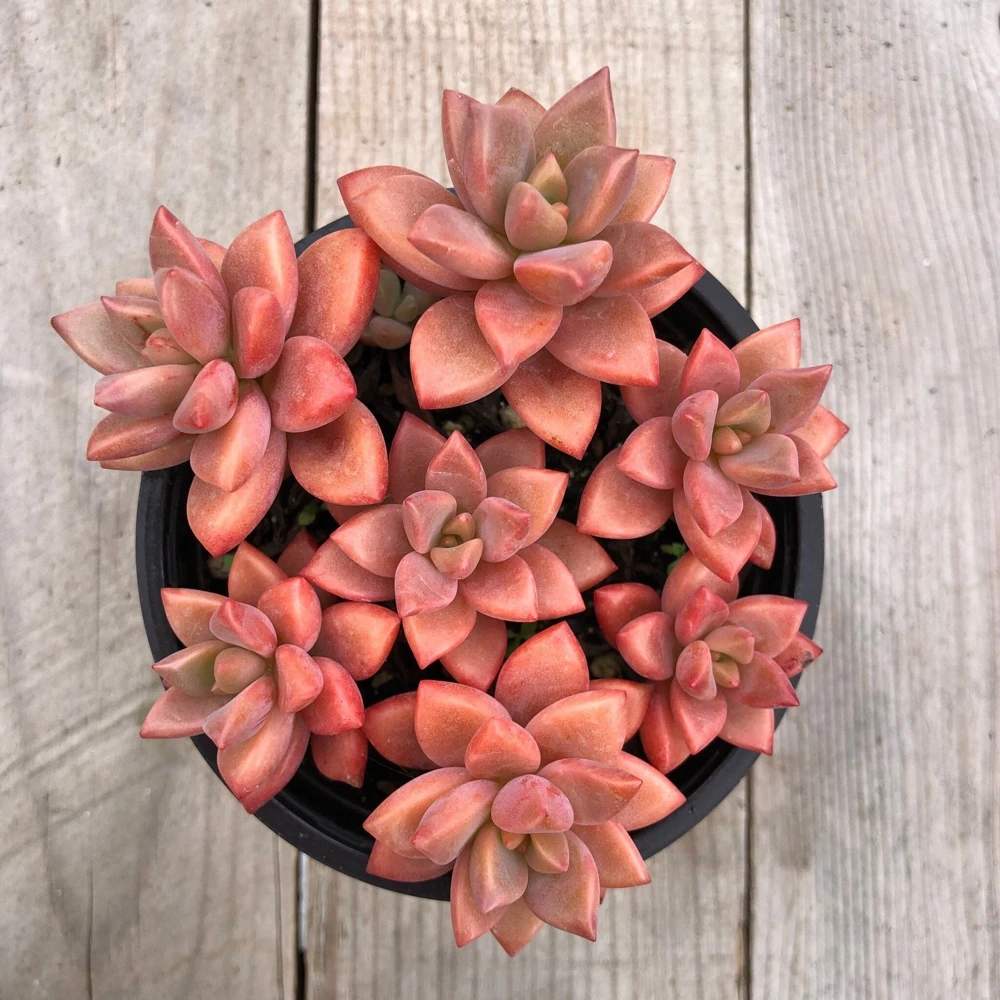
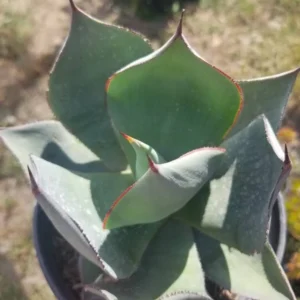
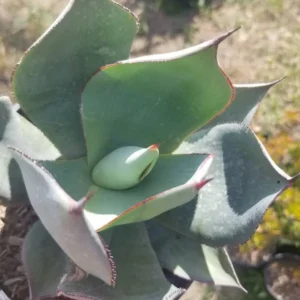
Bring vibrant color to your home or garden with the Graptosedum Alpenglow succulent, also known as Bronze or Vera Higgins. This drought tolerant succulents features brilliant pink to deep coral leaves and ships as a live plant in a 2-inch pot. Ideal for beginners and collectors, it’s a low-maintenance beauty for any space.
From Original price was: $32.00.$16.00Current price is: $16.00.

With our Alive & Thrive Guarantee, we’ve got your back for the first 30 days! If you have any concerns about your plants, just reach out to us. Our team is here to help answer your questions and guide you in selecting the best plants for your garden, climate, and unique preferences. We're excited to help you create the garden of your dreams!
Estimated arrival
Oct 14
Oct 19 - Oct 21
Oct 24 - Oct 28
Product Details
-
USDA Hardiness Zone
USDA zones 9-11 (outdoors) or indoors year-round -
Soil type
Fast-draining succulent/cactus mix -
Sunlight Exposure
Bright indirect light -
Expected Planting Period
Year-round indoors
Overview
Introduce a splash of vibrant color and unique texture to your plant collection with the exquisite Graptosedum Alpenglow succulent. Also affectionately known as ‘Bronze’ or ‘Vera Higgins’, this captivating live plant is celebrated for its brilliant foliage, which transitions from delicate light rose to rich, deep coral hues, especially when exposed to ample sunlight. Originating from a likely hybrid of Graptopetalum paraguayense and Sedum stahlii, this succulent offers the best characteristics of both, resulting in a resilient and visually stunning specimen. Shipped as a healthy live plant in a 2-inch pot, it’s ready to enhance any indoor display or outdoor rock garden upon arrival. Its unique trailing habit and ability to form thick clusters make it a truly dynamic and appealing choice for both novice and experienced plant enthusiasts.
The Graptosedum Alpenglow succulent is a strong grower, capable of developing long, bending stems that gracefully trail, adorned with leaves along their full length. This characteristic makes it an excellent choice for hanging baskets or cascading over the edges of planters. For those who prefer a more compact form, regular pruning can maintain its desired shape, promoting denser growth and an even more striking appearance. Its ability to thrive with minimal intervention makes it a perfect addition for busy individuals or anyone seeking a beautiful yet undemanding plant. Experience the joy of watching this succulent evolve through a spectrum of sunset tones throughout the seasons.
Key Benefits
The Graptosedum Alpenglow succulent offers numerous advantages, making it a highly desirable plant for various settings. Its ease of care and striking appearance contribute to its broad appeal.
- Stunning Coloration: Enjoy the brilliant pink leaves that shade from light rose to deep coral, providing a dynamic visual interest that changes with light exposure. This vibrant coloring makes it a standout in any collection and is a key benefit of the Bronze Vera Higgins plant.
- Low Maintenance: This succulent is incredibly forgiving and requires minimal attention, making it perfect for beginners or those with busy lifestyles. It’s a prime example of a drought tolerant succulents that thrives on neglect.
- Versatile Growth Habit: Whether you prefer a cascading plant for hanging baskets or a compact cluster for a centerpiece, its growth can be managed through pruning to suit your aesthetic.
- Drought Tolerance: Highly adaptable to dry conditions, it stores water in its leaves, significantly reducing watering frequency and making it an ideal choice for water-wise gardening. This inherent resilience is a hallmark of good succulent care tips.
- Excellent for Arrangements: Its unique color and form make it a fantastic component for succulent arrangements, terrariums, and rock gardens, adding depth and contrast.
- Air Purification: Like many plants, it contributes to improved indoor air quality by absorbing toxins and releasing oxygen, creating a healthier living environment.
- Hardy & Resilient: A strong grower that can withstand various conditions, ensuring a long-lasting and beautiful addition to your home or garden.
Plant Care & Growing Tips
Caring for your Graptosedum Alpenglow succulent is straightforward, making it an excellent choice for both novice and experienced plant enthusiasts. Proper care ensures its vibrant colors and healthy growth. The right environment and routine are crucial for a thriving Bronze Vera Higgins plant.
Sunlight Requirements: This succulent thrives in bright, indirect light. Indoors, place it near a south or west-facing window where it can receive several hours of bright light without intense, direct sun that can scorch its leaves. Outdoors, a shaded area with good ambient light is ideal. While it can tolerate some direct morning sun, prolonged exposure to harsh afternoon sun should be avoided to prevent leaf burn and maintain its beautiful pink hues. Adequate light is essential for the vivid coloration of this pink leaf succulent.
Watering Schedule: As a drought tolerant succulents, it requires infrequent watering. The most common mistake in succulent care is overwatering. Allow the soil to dry out completely between waterings. When you do water, do so thoroughly until water drains from the bottom of the pot. In warm, dry climates, this might be once a week; in cooler or more humid conditions, it could be every 2-4 weeks. Always check the soil’s dryness by feeling it before watering again. These succulent care tips are vital for preventing root rot.
Soil Type and Drainage: Use a fast-draining soil mix specifically formulated for succulents and cacti. A good mix typically comprises peat moss, supplemented with plenty of perlite, pumice, or coarse sand to ensure excellent drainage. If kept indoors, a well-draining terracotta pot is recommended as it helps wick away excess moisture, promoting healthy root growth. Good drainage is paramount to prevent waterlogging, which can be fatal for this Graptosedum Alpenglow succulent.
Temperature Range and USDA Hardiness Zone: The Graptosedum Alpenglow succulent prefers mild temperatures and is not frost-hardy. It thrives in temperatures between 60-80°F (15-27°C). If growing outdoors, it is generally suited for USDA Hardiness Zones 9-11, where it can be grown year-round. In colder climates, it should be brought indoors before the first frost. Protect it from extreme heat and cold to ensure optimal health.
Fertilization Schedule: Fertilize sparingly, if at all. During the growing season (spring and summer), you can fertilize once a month with a diluted, balanced liquid houseplant food or a fertilizer specifically designed for succulents. Avoid fertilizing during its dormant period in fall and winter. Over-fertilization can lead to leggy growth and reduced stress coloration.
Common Problems: Watch out for signs of overwatering, such as mushy or yellowing leaves, which indicate root rot. If this occurs, reduce watering and ensure proper drainage. Pests like mealybugs and aphids can sometimes be an issue; treat with insecticidal soap or neem oil. Ensuring proper light and airflow can help prevent most common issues for your Graptosedum Alpenglow succulent.
Size & Details
The Graptosedum Alpenglow succulent arrives as a vibrant live plant, carefully cultivated and shipped in a 2-inch nursery pot. At this stage, it is typically compact, offering a desk-friendly size perfect for immediate display or integration into a larger succulent arrangement. The overall height and width can vary slightly due to natural plant growth and individual characteristics, but generally, it will be a healthy, established starter plant. When mature, its stems can grow quite long, reaching lengths of 6-12 inches or more if allowed to trail, with the plant forming clusters that can spread to 4-6 inches wide.
This resilient pink leaf succulent exhibits a moderate growth rate, allowing you to observe its development over time. With optimal conditions and proper succulent care tips, it will continue to mature, developing its signature brilliant pink and coral hues. It is shipped ready for planting or placement, ensuring a smooth transition to its new home. The plant’s ability to form thick clusters makes it an excellent choice for creating a lush, full appearance in containers or garden beds, showcasing the full spectrum of its sunset tones.
Frequently Asked Questions
- Q: What size pot does the Graptosedum Alpenglow succulent come in? A: Your Graptosedum Alpenglow succulent will arrive as a live plant in a 2-inch nursery pot, perfectly sized for transplanting or adding to a mixed succulent display. This compact size makes it easy to handle and integrate into your existing plant collection.
- Q: Is this an indoor or outdoor plant? A: The Bronze Vera Higgins plant is versatile and can thrive both indoors and outdoors. Indoors, ensure it receives bright, indirect light. Outdoors, it prefers shaded areas to avoid harsh direct sun, especially in hot climates. It’s an excellent choice for rock gardens or sunny windowsills.
- Q: How much sunlight does it need? A: This pink leaf succulent requires plenty of bright, indirect light to maintain its vibrant coloration. If kept indoors, a south or west-facing window is ideal. Outdoors, choose a spot with morning sun and afternoon shade to prevent scorching.
- Q: Is this plant easy to care for? A: Yes, the Graptosedum Alpenglow succulent is considered a low-maintenance plant, making it ideal for beginners. Its drought-tolerant nature means it requires infrequent watering, and it’s generally resilient to common plant issues with proper care.
- Q: How often should I water my Graptosedum Alpenglow succulent? A: Water infrequently, allowing the soil to dry out completely between waterings. This is a crucial aspect of good succulent care tips. Overwatering is the most common cause of problems, so always check the soil moisture before watering again.
- Q: What kind of soil is best for this succulent? A: A fast-draining soil mix is essential. Use a blend specifically designed for succulents and cacti, typically composed of peat moss with added perlite or pumice to ensure excellent drainage. This prevents water from sitting around the roots.
- Q: Will my plant look exactly like the pictures? A: Plants are living organisms and may vary slightly in color and shape from the images due to natural growth, lighting conditions, and the shipping process. However, you will receive a healthy, vibrant Graptosedum Alpenglow succulent.
- Q: Is the Bronze Vera Higgins plant drought tolerant? A: Absolutely! This succulent is well-known for its excellent drought tolerance. It stores water in its fleshy leaves, allowing it to go for extended periods without water, which is why it’s categorized as one of the best drought tolerant succulents.
- Q: What USDA Hardiness Zones is this plant suitable for? A: This succulent is best suited for USDA Hardiness Zones 9-11 if planted outdoors year-round. In colder zones, it should be grown in containers and brought indoors before temperatures drop below freezing.
- Q: How can I make my Graptosedum Alpenglow succulent more compact? A: Regular pruning can help maintain a more compact shape. Simply trim back any leggy stems, and the plant will often produce new growth, resulting in a bushier appearance.
| Size | 2" Triplet, 4" Pot |
|---|
Related products
-39%
Original price was: $39.98.$24.50Current price is: $24.50.
-30%
Original price was: $79.98.$55.98Current price is: $55.98.
-30%
Original price was: $49.98.$34.98Current price is: $34.98.
-30%
Original price was: $85.98.$60.18Current price is: $60.18.
PLANTING & CARE
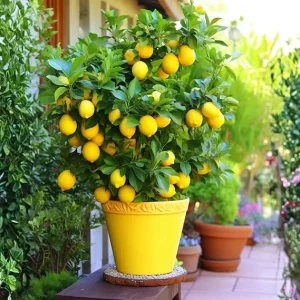
Lemon Tree Growing: Choose, Plant, and Harvest
Learn how to choose, plant, feed, and protect a lemon tree so it fits your
23
Sep
Sep
Dwarf Meyer Lemon Tree Australia: Climate Guide
Learn where dwarf Meyer lemon trees grow, how much cold they tolerate, and whether Australia,
Where to Buy a Dwarf Meyer Lemon Tree: Buyer’s Guide
Find the right dwarf Meyer lemon tree online or locally, compare starter sizes and costs,
Dwarf Meyer Lemon Tree for Sale: Buying Guide
Compare Meyer lemon tree sizes, prices, shipping limits, indoor growing and California options before you
Dwarf Meyer Lemon Tree Guide: Size, Care and Fruit
META: Learn how large a dwarf Meyer lemon tree grows, where it thrives, and how
How to Prune a Dwarf Meyer Lemon Tree
Learn when and how to prune a dwarf Meyer lemon tree, including tools, shaping cuts,
Can You Grow a Dwarf Meyer Lemon Tree in a Pot?
META: Learn how to grow a dwarf Meyer lemon tree in a pot, including container
When Do Dwarf Meyer Lemon Trees Bloom and Fruit?
META: Dwarf Meyer lemon trees usually bloom from winter through spring and may flower again