Pawpaw Tree Live Plants – Set of 2 Bare Roots, 6 Inch to 1 Ft, Hardy Fruit Tree
-50%
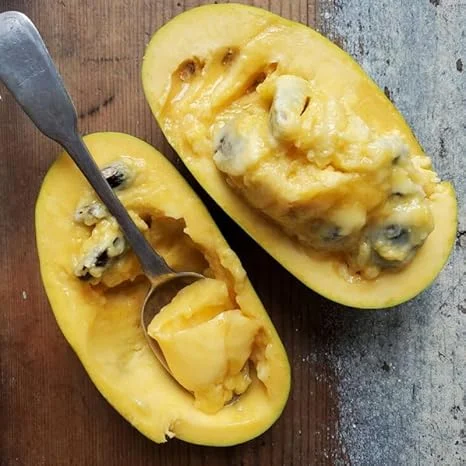
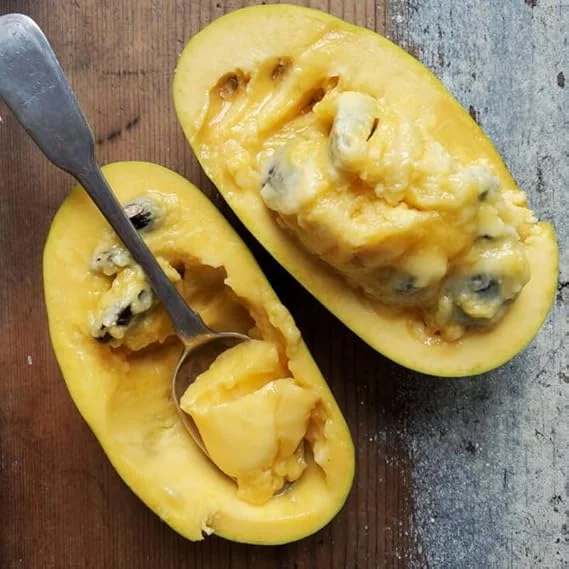
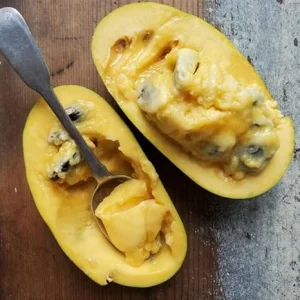


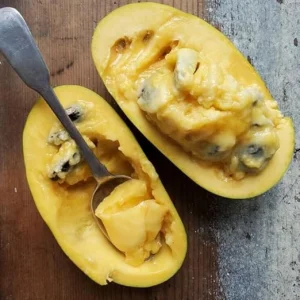


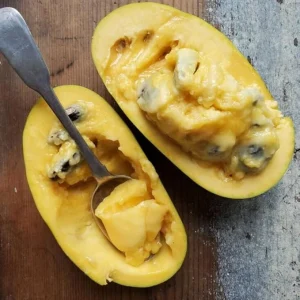
Pawpaw Tree Live Plants – Set of 2 Bare Roots, 6 Inch to 1 Ft, Hardy Fruit Tree
Start your own orchard with this set of two pawpaw tree live plants. These bare root seedlings, measuring 6 inches to 1 foot, are leafless in winter and ready to establish in your garden. Known for their unique, custard-like fruit, these hardy fruit trees thrive in USDA Zones 5-9.
Original price was: $39.98.$19.99Current price is: $19.99.

With our Alive & Thrive Guarantee, we’ve got your back for the first 30 days! If you have any concerns about your plants, just reach out to us. Our team is here to help answer your questions and guide you in selecting the best plants for your garden, climate, and unique preferences. We're excited to help you create the garden of your dreams!
Estimated arrival
Mar 31
Apr 05 - Apr 07
Apr 10 - Apr 14


Product Details
-
USDA Hardiness Zone
5-9 -
Soil type
Well-drained, fertile soil -
Sunlight Exposure
Part shade when young, full sun when mature -
Expected Planting Period
Early spring
Overview
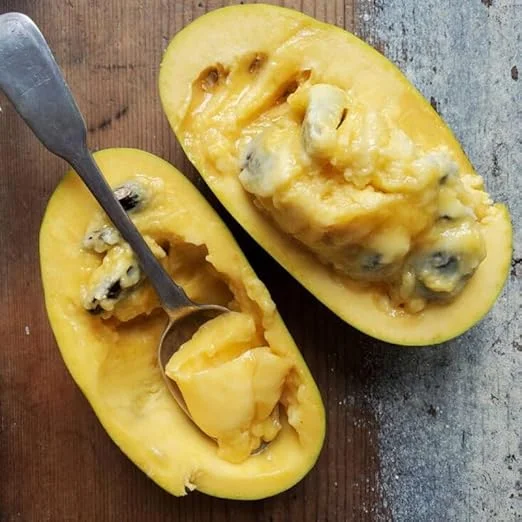
Cultivate a taste of the tropics right in your backyard with these premium pawpaw tree live plants. This offering includes a set of two robust bare root seedlings, each measuring between 6 inches to 1 foot in height, ideal for planting and establishing in a diverse range of climates. The pawpaw, also known as the American Custard Apple, produces a unique, soft, custard-textured fruit that is a delightful blend of banana, mango, and vanilla flavors. These deciduous trees will arrive leafless during their dormant season, which is perfectly normal for bare root plants and indicates they are ready for planting. As they mature, these pawpaw tree bare root specimens will transform into beautiful, fruit-bearing trees, providing both aesthetic appeal and delicious harvests for years to come. They are a fantastic choice for gardeners looking to add an unusual and rewarding fruit tree to their landscape.
The pawpaw (Asimina triloba) is native to North America and is the largest edible fruit indigenous to the continent. Its popularity is growing due to its distinctive flavor and relatively low maintenance once established. These pawpaw tree live plants are an excellent way to introduce this fascinating species to your home garden, offering an opportunity to grow a truly unique and flavorful fruit. With proper care, these seedlings will develop into stately trees, providing shade and an abundant yield of their exotic fruit.
Key Benefits
Adding pawpaw tree live plants to your garden offers a multitude of benefits, from their unique fruit to their ecological contributions. These trees are not only a source of delicious produce but also enhance your landscape with their natural beauty.
- Unique & Delicious Fruit: Enjoy the exotic flavor of pawpaw fruit, a creamy blend of banana, mango, and vanilla. It’s a rare treat not typically found in grocery stores, making your harvest truly special. Growing your own pawpaw fruit tree ensures you have access to fresh, organic produce.
- Hardy & Adaptable: These pawpaw trees are hardy in USDA Zones 5-9, making them suitable for a wide range of climates. They are relatively low-maintenance once established, requiring less intensive care than many other fruit trees.
- Ecological Value: Pawpaw trees serve as a host plant for the zebra swallowtail butterfly larvae, contributing to local biodiversity and attracting beneficial insects to your garden.
- Ornamental Appeal: Beyond their fruit, pawpaw trees offer attractive foliage and fragrant spring flowers, adding a touch of natural beauty to your landscape. Their broad leaves provide excellent shade in summer.
- Long-Term Investment: With a lifespan of 20-30 years or more, these pawpaw tree live plants represent a long-term investment that will provide fruit and beauty for decades. They are a sustainable choice for any garden.
- Drought Tolerance: Once mature, pawpaw trees exhibit good drought tolerance, reducing the need for frequent watering during dry spells.
- Relatively Pest-Resistant: Pawpaws are generally less susceptible to pests and diseases compared to many other common fruit trees, simplifying their care.
Plant Care & Growing Tips
Caring for your pawpaw tree live plants ensures they grow into healthy, fruit-producing trees. While generally low-maintenance, understanding their specific needs is crucial for success, especially during their establishment phase. These bare root seedlings are shipped dormant and leafless, which is the ideal state for planting. Upon arrival, plant them as soon as possible. Pawpaws prefer part shade when young, especially during their first year or two, as direct, intense sunlight can stress them. As they mature, they require more sunlight to produce abundant fruit, ideally moving towards full sun (6+ hours of direct sunlight daily). The transition should be gradual, allowing the tree to acclimate.
Soil Requirements: Pawpaws thrive in well-drained, fertile soil that is slightly acidic to neutral (pH 5.5-7.0). Amend heavy clay soils with organic matter to improve drainage and aeration. Consistent moisture is important, especially for young trees, but avoid waterlogging, which can lead to root rot. Once established, the hardy fruit tree becomes more tolerant of varying conditions. Fertilize young trees sparingly with a balanced, slow-release fertilizer in early spring. Avoid high-nitrogen fertilizers, which can encourage vegetative growth at the expense of fruit production. Pruning is generally minimal, focusing on removing dead, damaged, or crossing branches to maintain good air circulation and tree structure. Protect young trees from deer, which can browse on tender new growth.
Temperature & Hardiness: These pawpaw seedling plants are hardy in USDA Zones 5-9, capable of withstanding winter temperatures down to -20°F (-29°C). While they are cold-tolerant, late spring frosts can sometimes damage flowers, potentially reducing fruit set. Planting in a site with good air circulation can help mitigate this risk. Pawpaws typically require cross-pollination from a different pawpaw genotype for optimal fruit production, so planting at least two genetically distinct trees is highly recommended to ensure a good harvest. Be patient, as it can take 3-5 years for a young pawpaw fruit tree to begin producing fruit. However, the wait is well worth it for the unique and delicious reward.
Size & Details
This offering includes two pawpaw tree live plants, provided as bare root seedlings. Each seedling measures approximately 6 inches to 1 foot (15-30 cm) in height. Bare root plants are shipped without soil around their roots, which is a common and effective method for dormant plants, reducing shipping weight and transplant shock when handled correctly. These young trees are leafless in winter, which is their natural dormant state, indicating they are ready for planting before spring growth begins. At maturity, a pawpaw fruit tree can reach a height of 15-30 feet (4.5-9 meters) with a spread of 10-20 feet (3-6 meters), forming an attractive, pyramidal to rounded canopy. The growth rate is moderate, and with proper care, you can expect your trees to begin producing fruit in 3 to 5 years after planting. The final size and yield will depend on growing conditions, climate, and care.
Frequently Asked Questions
- Q: How big does this pawpaw tree get? A: At maturity, a pawpaw tree live plant can reach 15-30 feet tall with a spread of 10-20 feet. The size can vary based on growing conditions and pruning.
- Q: What condition will the pawpaw seedlings arrive in? A: Your pawpaw tree bare root seedlings will arrive as dormant, leafless bare roots, typically 6 inches to 1 foot tall. This is normal for bare root plants and indicates they are ready for planting.
- Q: Is this an indoor or outdoor plant? A: Pawpaw trees are outdoor plants. They are deciduous fruit trees that require a period of dormancy and are hardy in USDA Zones 5-9.
- Q: How much sunlight does a pawpaw tree need? A: Young pawpaw seedling plants prefer part shade, especially during their first two years. As they mature, they require more sunlight, ideally moving to full sun (6+ hours daily) for optimal fruit production.
- Q: How long until it produces fruit? A: It typically takes 3-5 years for a young pawpaw fruit tree to begin producing fruit. Planting at least two genetically distinct trees is recommended for better pollination and fruit set.
- Q: Is this plant easy to care for? A: Once established, pawpaw trees are considered relatively low-maintenance. They are hardy and generally pest-resistant, making them a good choice for gardeners.
- Q: What type of soil is best for pawpaws? A: Pawpaws prefer well-drained, fertile soil with a pH between 5.5 and 7.0. Amending the soil with organic matter is beneficial.
- Q: Will it survive winter in my zone? A: Yes, these hardy fruit trees are suitable for USDA Hardiness Zones 5-9, meaning they can withstand typical winter temperatures in those regions.
- Q: What is the best time to plant these bare roots? A: The best time to plant bare root pawpaw trees is in early spring, as soon as the soil can be worked, before they break dormancy and begin to leaf out.
- Q: Do I need more than one pawpaw tree for fruit? A: Yes, for optimal fruit production, it is highly recommended to plant at least two genetically distinct pawpaw tree live plants to ensure cross-pollination.
Related products
-20%
Original price was: $90.00.$72.00Current price is: $72.00.
PLANTING & CARE

The Comprehensive Guide to Growing Bay Leaf Plants for a Flavorful Garden
Imagine stepping into your garden, greeted by the earthy aroma of fresh bay leaves, their
09
Feb
Feb

How to Make Comfrey Tea: The Ultimate Organic Plant Food
Growing an organic garden can be surprisingly expensive, especially when most store-bought fertilizers come in
02
Feb
Feb

True Comfrey: 7 Essential Tips Before You Plant This Herb
A staple in permaculture practices across the US, True Comfrey easily earns its reputation as
27
Jan
Jan

7 Heart-Shaped Plants for a Lasting Valentine’s Gift
If you’ve ever bought a bouquet of roses for Valentine’s Day, you know they are
26
Jan
Jan

Best Types of Ivy Plant for Houses: How to Choose the Perfect Ones for Your Home
Are you a garden lover looking to introduce some greenery into your home? Maybe you’ve
14
Nov
Nov

When to Harvest Garlic (Especially Fall-Planted Garlic)
TIMING IS EVERYTHING, they say – and for garlic, that truth hits with surprising accuracy.
13
Nov
Nov

11 of the Best Sweet Potato Varieties to Grow for Your Garden
If you’ve ever tried growing sweet potatoes, you know that picking the right variety can
12
Nov
Nov
Pruning Bougainvillea for Winter
Bougainvillea vines are known for their dazzling display of magenta, orange, and fuchsia bracts that
05
Nov
Nov