Pecan Tree Seedlings Bare Root – Set of 2, 1-2 ft Tall, Hardy Outdoor Nut Tree
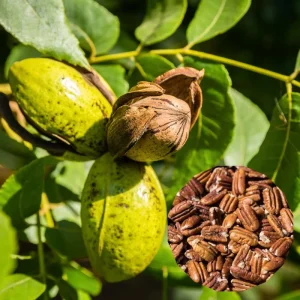
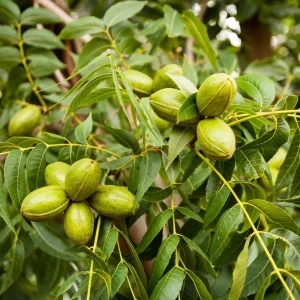
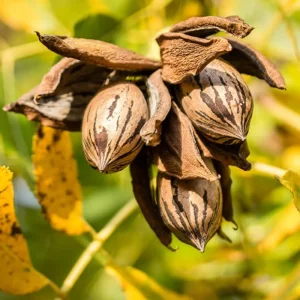
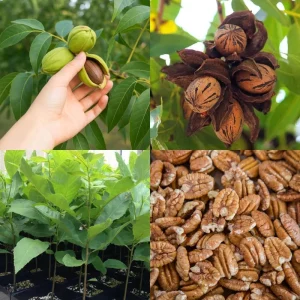
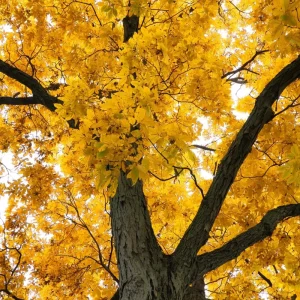
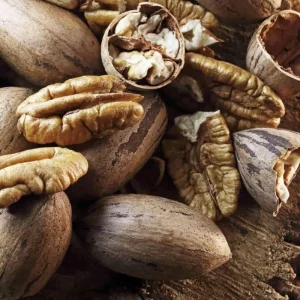
Pecan Tree Seedlings Bare Root – Set of 2, 1-2 ft Tall, Hardy Outdoor Nut Tree
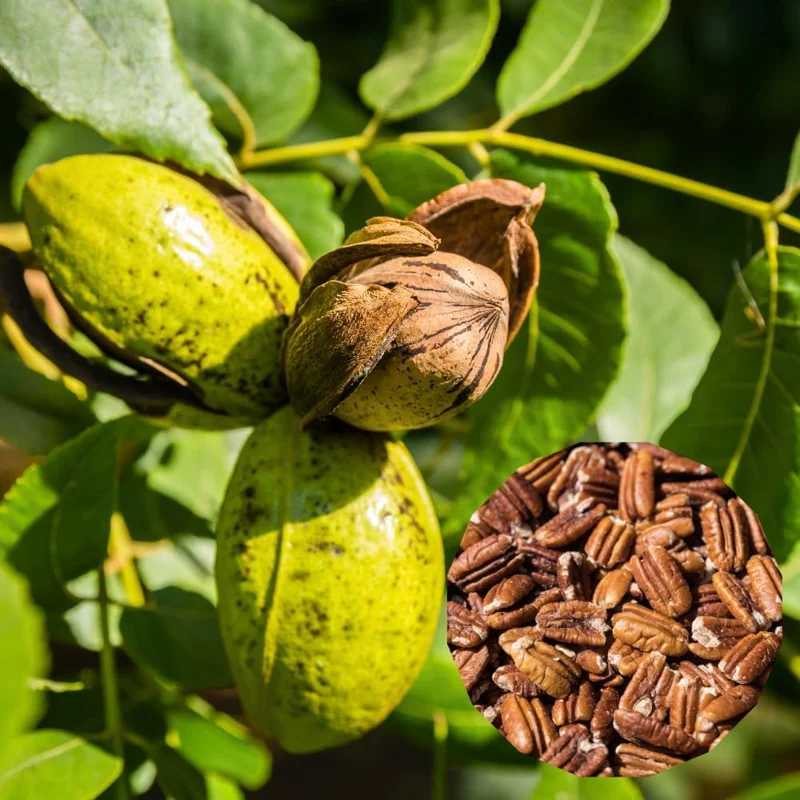
Cultivate your own delicious pecans with this set of two pecan tree seedlings. These bare root pecan trees are 1-2 feet tall, winter dormant, and ready for outdoor planting. Ideal for USDA Hardiness Zones 6-9, they promise a rewarding harvest for years to come.
$19.99

With our Alive & Thrive Guarantee, we’ve got your back for the first 30 days! If you have any concerns about your plants, just reach out to us. Our team is here to help answer your questions and guide you in selecting the best plants for your garden, climate, and unique preferences. We're excited to help you create the garden of your dreams!
Estimated arrival
Apr 13
Apr 18 - Apr 20
Apr 23 - Apr 27


Product Details
-
USDA Hardiness Zone
6-9 -
Soil type
Well-draining, loamy soil -
Sunlight Exposure
Full Sun -
Expected Planting Period
Late winter to early spring
Overview
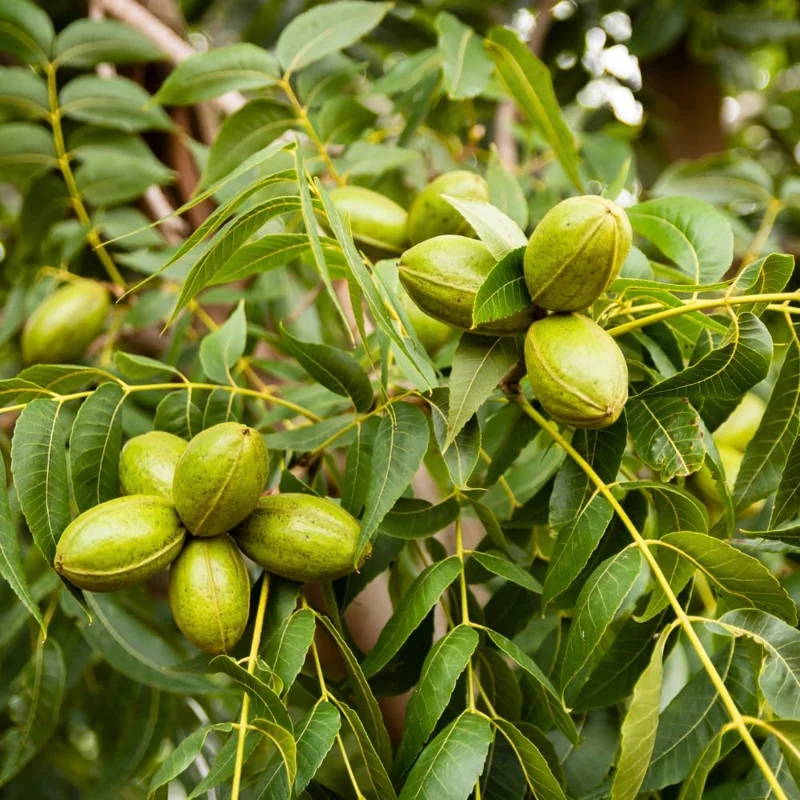
Embark on a journey to grow your own delicious nuts with this exceptional set of two pecan tree seedlings. These young trees are provided as bare root pecan trees, measuring 1-2 feet tall, and are in a winter dormant state, making them perfectly prepared for outdoor planting. Pecan trees (Carya illinoinensis) are renowned for their high-quality nuts and majestic stature, offering both aesthetic beauty and a bountiful harvest. Planting these seedlings allows you to establish a long-term source of fresh, homegrown pecans, adding significant value and natural beauty to your landscape. Our pecan tree seedlings are carefully selected to ensure vigorous growth and successful establishment in your garden or orchard, promising a rewarding experience for any gardener.
These hardy nut trees are ideal for those looking to invest in a productive and long-lived addition to their property. As they mature, they will provide ample shade, attract local wildlife, and, most importantly, yield the rich, buttery pecans that are a culinary favorite. Growing a pecan nut tree from a seedling is a gratifying process, connecting you directly with nature’s cycles. With proper care, these bare roots will transform into robust trees that can be enjoyed for generations.
Key Benefits
Choosing to plant these pecan tree seedlings offers numerous advantages for both your landscape and your palate. These resilient trees are a fantastic investment for any homeowner or gardener:
- Homegrown Delicacies: Enjoy the satisfaction of harvesting your own fresh, flavorful pecans directly from your backyard. Nothing compares to the taste of homegrown nuts, perfect for baking, snacking, or gifting.
- Long-Term Investment: Pecan trees are long-lived and become more productive with age. Planting these bare root pecan trees is an investment that will yield returns for decades, providing both food and increasing property value.
- Shade and Beauty: As they mature, pecan trees develop into large, stately specimens, offering ample shade during hot summer months and contributing significantly to the aesthetic appeal of your landscape.
- Wildlife Attraction: The nuts produced by these trees will attract various wildlife, including squirrels and birds, adding natural vibrancy to your garden ecosystem.
- Hardy and Adaptable: These pecan tree seedlings are known for their hardiness and adaptability, thriving in a wide range of conditions within their recommended USDA zones.
- Sustainable Food Source: Growing your own nuts reduces reliance on commercial sources, offering a sustainable and environmentally friendly way to enjoy this nutritious food.
- Educational Opportunity: For families, planting and nurturing a pecan nut tree can be a wonderful educational experience, teaching children about plant growth, ecosystems, and the rewards of patience.
Plant Care & Growing Tips
Successfully establishing and nurturing your pecan tree seedlings requires attention to a few key care guidelines. These hardy pecan tree bare roots are resilient, but providing optimal conditions from the start will ensure strong growth and future nut production. When you grow pecan tree, remember that patience is key, as these trees are a long-term commitment.
Pecan trees thrive in full sun, requiring at least 6 hours of direct sunlight each day. Choose a planting site that receives abundant sunlight throughout the day, away from competing trees or structures that might cast too much shade. They prefer deep, well-drained soil with a slightly acidic to neutral pH. While adaptable, rich, loamy soils are ideal. Ensure the planting site has good drainage to prevent root rot, as pecan trees do not tolerate consistently wet feet. When planting your bare root pecan trees, dig a hole wide enough to accommodate the roots without bending, and deep enough so that the crown (where the roots meet the stem) is at soil level. Backfill with native soil, gently tamping to remove air pockets.
Moderate watering is crucial, especially during the first few years after planting. Keep the soil consistently moist but not waterlogged. Deep watering encourages the development of a strong root system. During dry spells, young trees may need watering 2-3 times per week. Once established, pecan trees are more drought-tolerant but will still benefit from irrigation during extended dry periods, particularly when nuts are forming. Fertilize annually in early spring with a balanced fertilizer formulated for nut trees, following product instructions. Protect young trees from pests and diseases by maintaining good air circulation and promptly addressing any issues. These pecan tree seedlings are hardy for USDA Zones 6-9, meaning they can withstand winter temperatures down to -10°F (-23°C) but will benefit from mulch around the base to insulate roots in colder zones.
Size & Details
This offering includes a set of two pecan tree seedlings, each measuring approximately 1-2 feet in height. These are shipped as bare root pecan trees, meaning they are dormant and without soil, which is the ideal way to transport and plant deciduous trees for optimal establishment. The bare root form allows the tree to focus its energy on root development once planted, leading to a stronger foundation. These seedlings represent the initial stage of a majestic pecan nut tree, which can eventually grow to impressive heights of 70-100 feet or more, with a similar spread, given adequate space and care. The trees will begin to produce nuts typically within 6-10 years, with full production after 15-20 years. The exact growth rate and mature size can vary based on local conditions, soil quality, and care practices. Ensure you have ample space available for the mature size of these trees when you plant them to allow them to flourish fully.
Frequently Asked Questions
- Q: How big do these pecan tree seedlings get? A: These pecan tree seedlings are 1-2 feet tall when shipped as bare roots. Once mature, a pecan nut tree can reach impressive heights of 70-100 feet or more, with a wide canopy, so plan your planting location accordingly.
- Q: Is this an indoor or outdoor plant? A: These pecan tree seedlings are strictly for outdoor planting. They are deciduous nut trees that require outdoor conditions to thrive and produce nuts.
- Q: How much sunlight does it need? A: Pecan trees require full sun, meaning at least 6 hours of direct sunlight per day, to grow vigorously and produce a good crop of pecans.
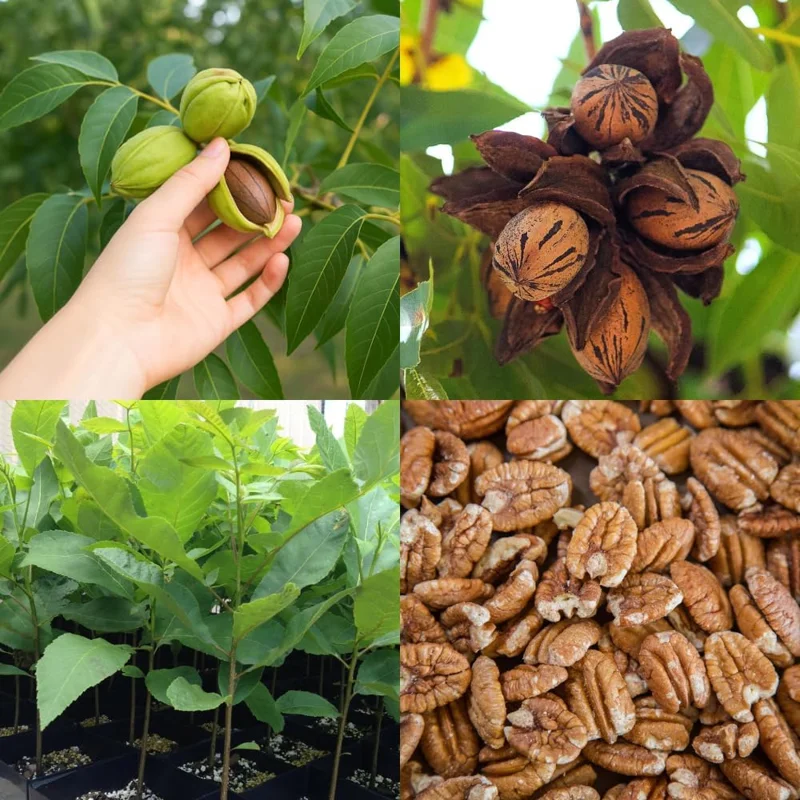
- Q: What condition will it arrive in? A: Your pecan tree seedlings will arrive as dormant bare roots, carefully packaged to ensure their health during transit. This is the optimal state for successful planting.
- Q: When is the best time to plant these bare root pecan trees? A: The best time to plant bare root pecan trees is typically in late winter or early spring, while the trees are still dormant and before new growth begins.
- Q: Will these hardy pecan tree seedlings survive winter in my zone? A: These hardy pecan tree seedlings are suitable for USDA Hardiness Zones 6-9, meaning they are well-equipped to handle the typical winter temperatures within these zones.
- Q: How long until I can grow pecan tree nuts? A: While you can grow pecan tree from these seedlings, it typically takes 6-10 years for them to start producing nuts, with significant harvests usually beginning after 15-20 years.
- Q: What kind of soil is best for pecan tree seedlings? A: Pecan trees prefer deep, well-drained, slightly acidic to neutral soil. Good drainage is crucial to prevent root issues.
- Q: Are these pecan tree seedlings difficult to care for? A: While establishing a pecan nut tree requires attention to watering and sunlight, they are generally hardy once established and rewarding to grow, even for moderately experienced gardeners.
- Q: Do I need more than one pecan tree to get nuts? A: Most pecan varieties are self-pollinating to some extent, but planting at least two different varieties will significantly improve nut production due to cross-pollination.
Related products
-10%
Original price was: $36.99.$33.29Current price is: $33.29.
PLANTING & CARE
Growing Glencoe Raspberry: A Complete Guide for Gardeners
If you’re looking to add something unique to your garden, look no further than the
31
Mar
Mar

The Comprehensive Guide to Growing Bay Leaf Plants for a Flavorful Garden
Imagine stepping into your garden, greeted by the earthy aroma of fresh bay leaves, their
09
Feb
Feb

How to Make Comfrey Tea: The Ultimate Organic Plant Food
Growing an organic garden can be surprisingly expensive, especially when most store-bought fertilizers come in
02
Feb
Feb

True Comfrey: 7 Essential Tips Before You Plant This Herb
A staple in permaculture practices across the US, True Comfrey easily earns its reputation as
27
Jan
Jan

7 Heart-Shaped Plants for a Lasting Valentine’s Gift
If you’ve ever bought a bouquet of roses for Valentine’s Day, you know they are
26
Jan
Jan

Best Types of Ivy Plant for Houses: How to Choose the Perfect Ones for Your Home
Are you a garden lover looking to introduce some greenery into your home? Maybe you’ve
14
Nov
Nov

When to Harvest Garlic (Especially Fall-Planted Garlic)
TIMING IS EVERYTHING, they say – and for garlic, that truth hits with surprising accuracy.
13
Nov
Nov

11 of the Best Sweet Potato Varieties to Grow for Your Garden
If you’ve ever tried growing sweet potatoes, you know that picking the right variety can
12
Nov
Nov