Purple Azalea Live Plant – Formosa Azalea Shrub, 6-8 Inch Tall, 3 Inch Pot
-10%
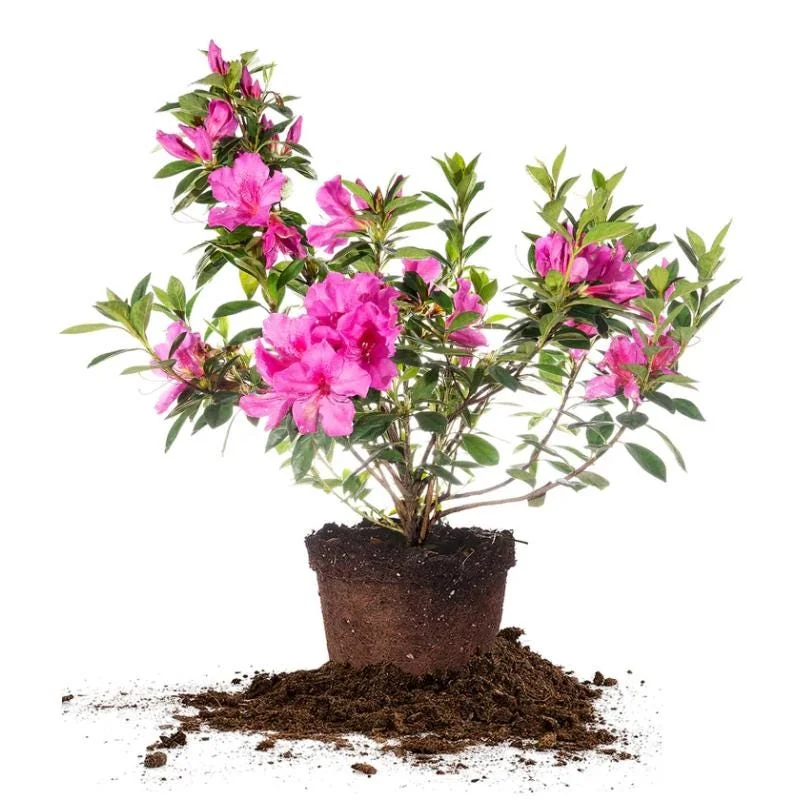
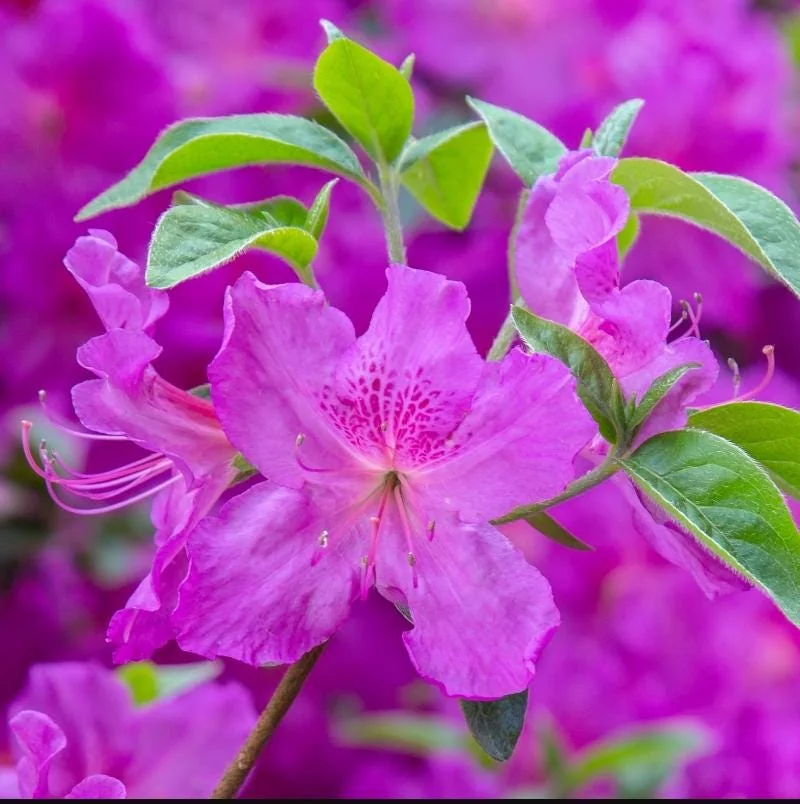
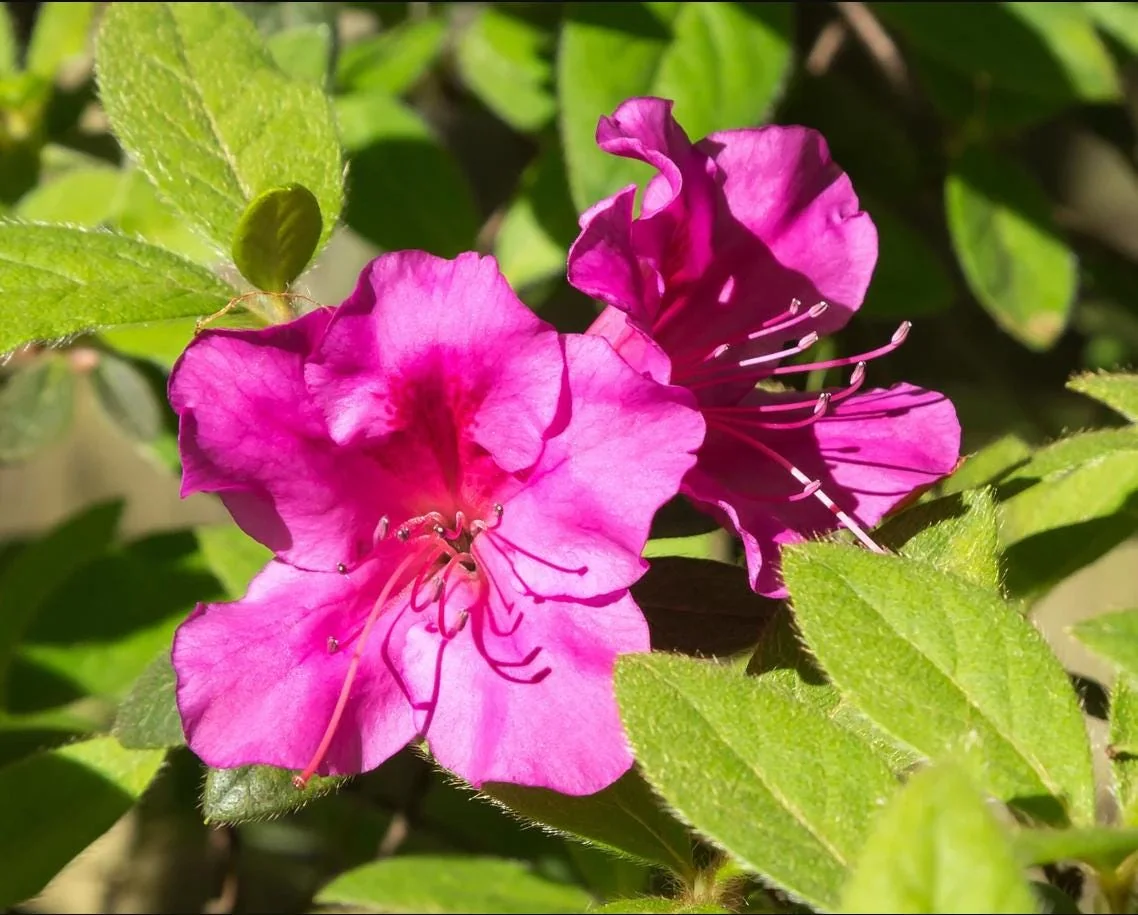
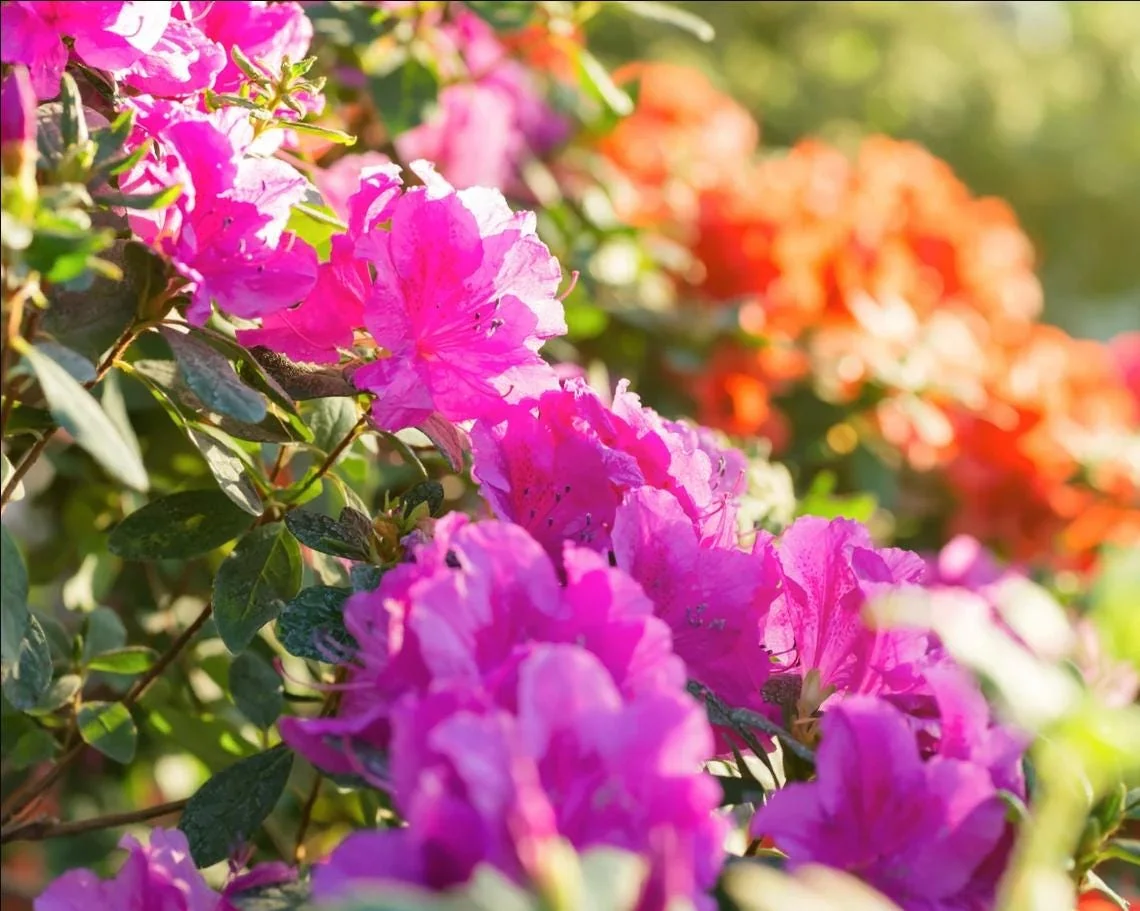
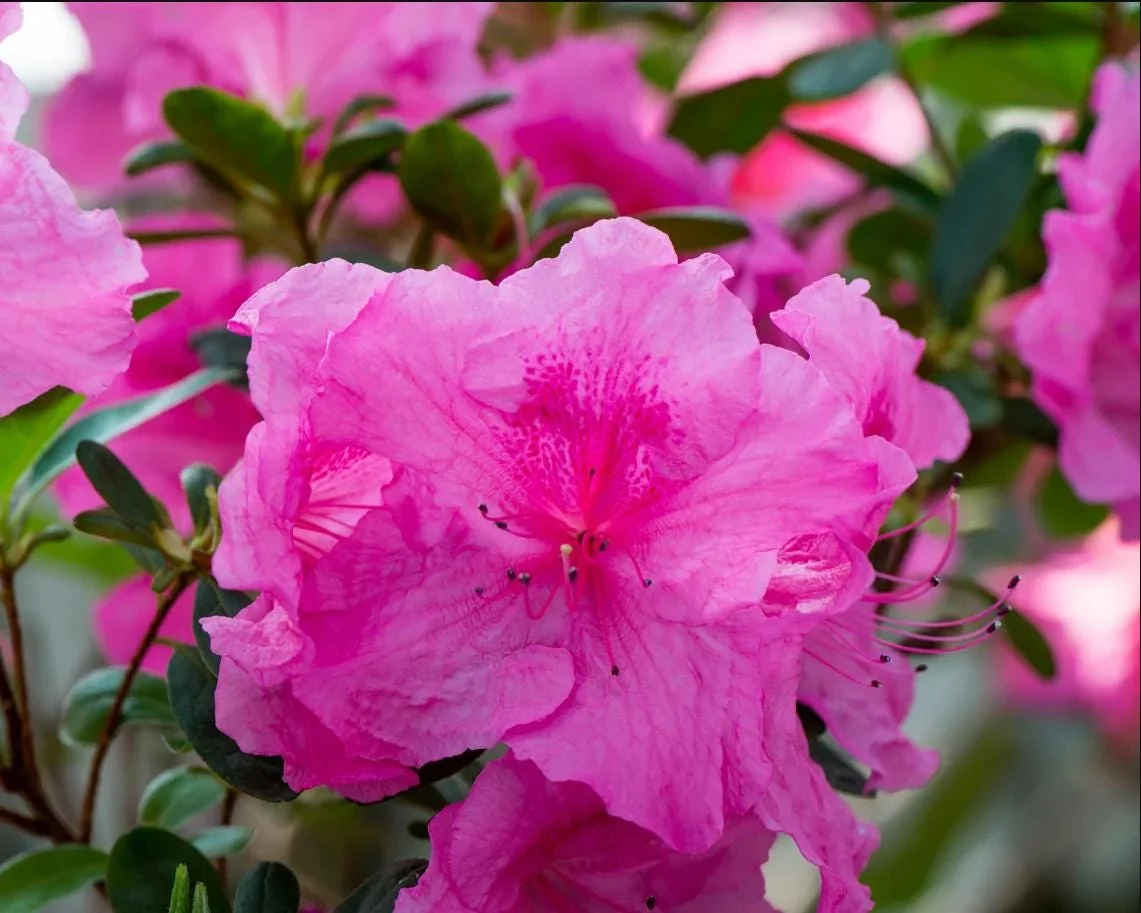
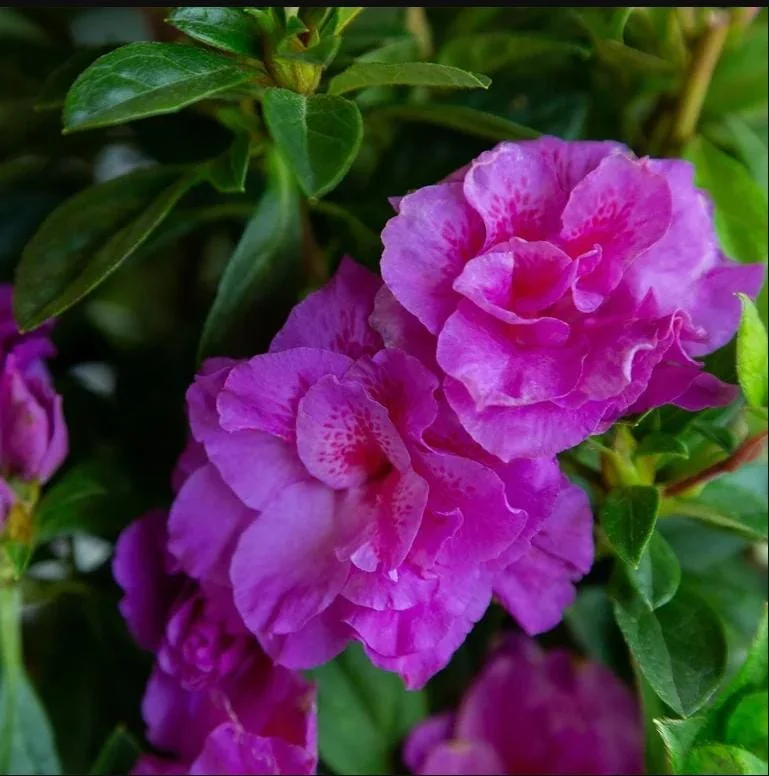
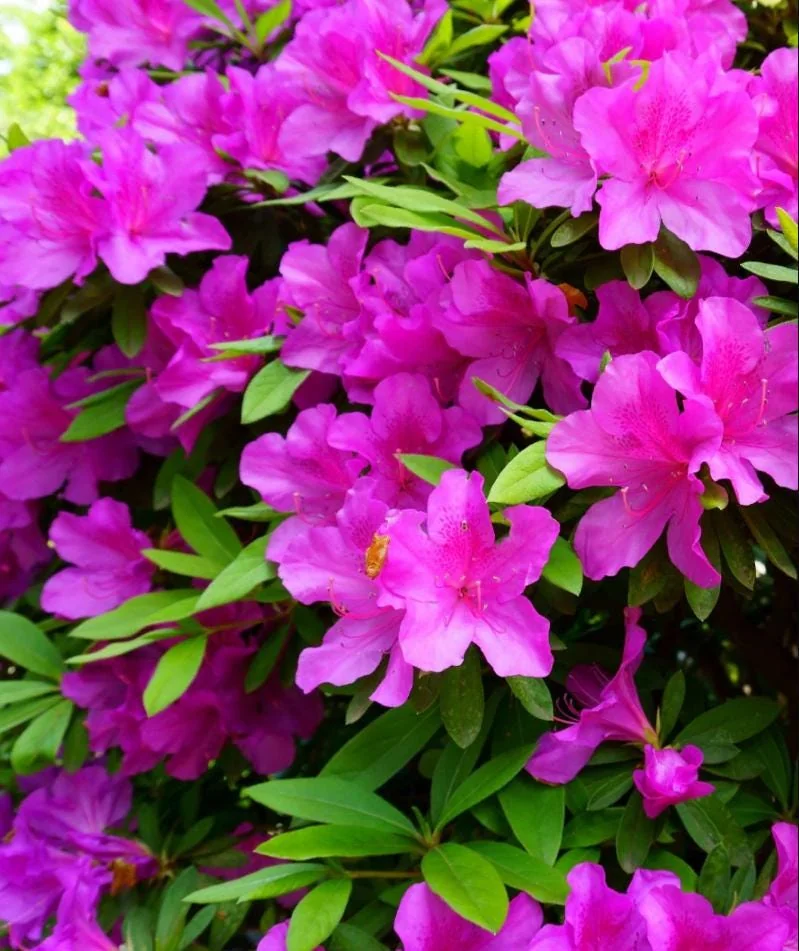
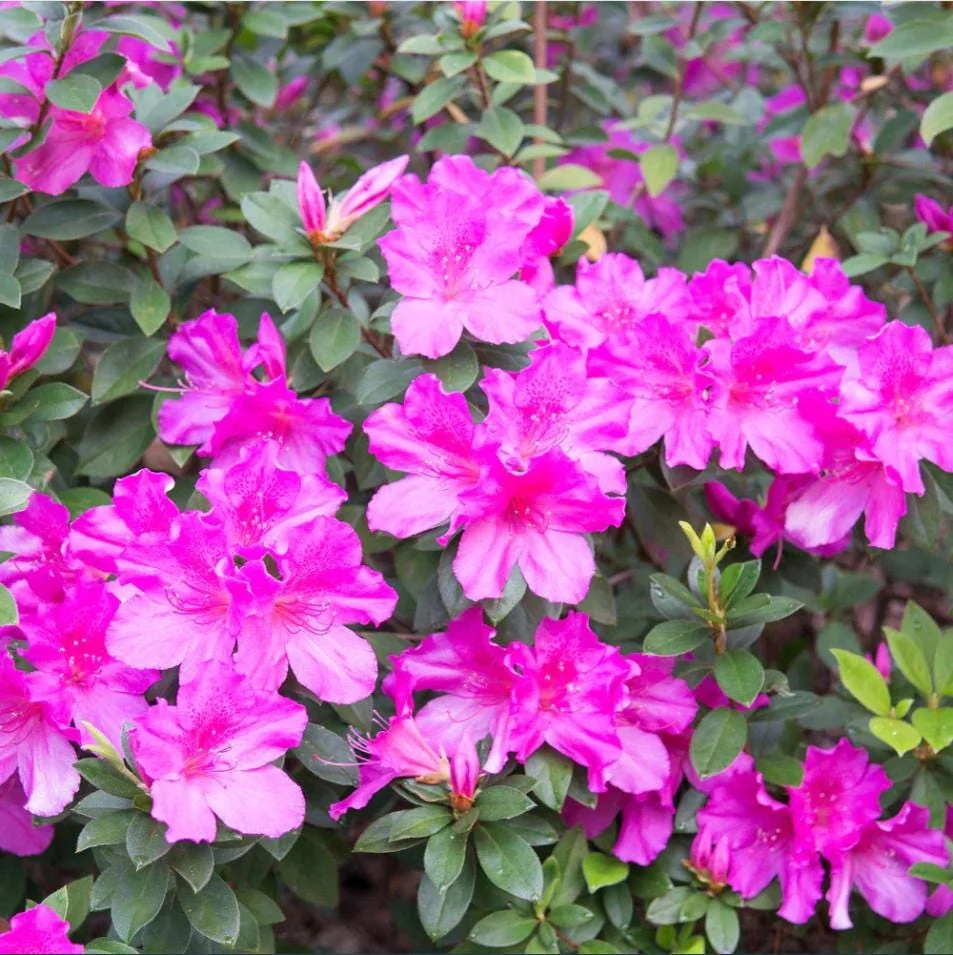
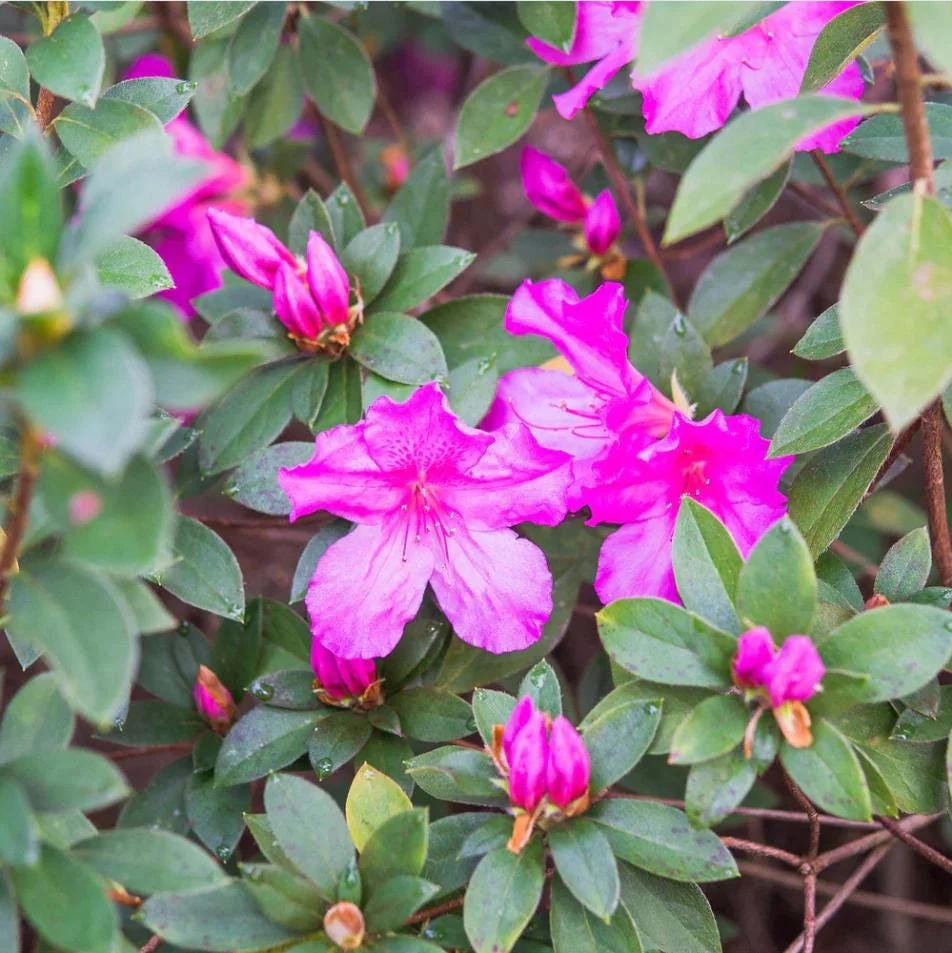
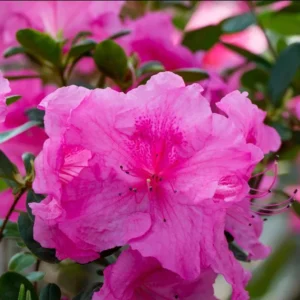
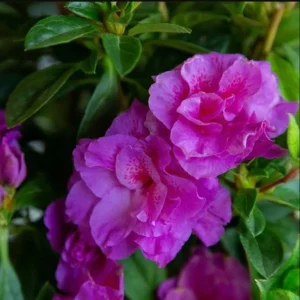
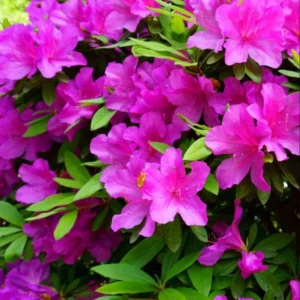
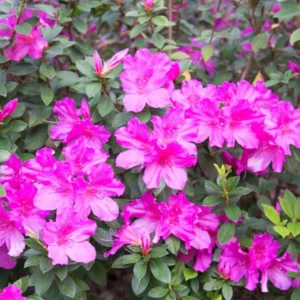
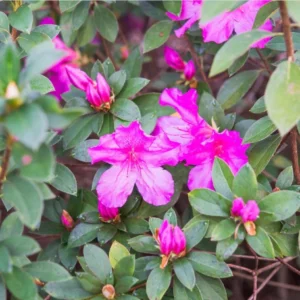
Purple Azalea Live Plant – Formosa Azalea Shrub, 6-8 Inch Tall, 3 Inch Pot
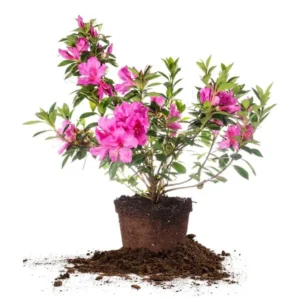
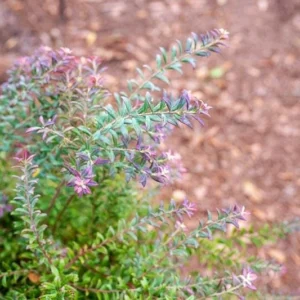
Bring vibrant color to your garden with this purple azalea live plant. A healthy Formosa azalea starter shrub, perfect for outdoor planting. Grows 6 to 8 inches tall in a 3-inch pot, ready to establish beautiful blooms.
Original price was: $23.99.$21.59Current price is: $21.59.

With our Alive & Thrive Guarantee, we’ve got your back for the first 30 days! If you have any concerns about your plants, just reach out to us. Our team is here to help answer your questions and guide you in selecting the best plants for your garden, climate, and unique preferences. We're excited to help you create the garden of your dreams!
Estimated arrival
Mar 31
Apr 05 - Apr 07
Apr 10 - Apr 14

Product Details
-
USDA Hardiness Zone
USDA Zones 7-9 -
Soil type
Acidic, well-draining soil (pH 4.5–6.0) -
Sunlight Exposure
Partial shade (morning sun, afternoon shade) -
Expected Planting Period
Spring to early fall
Overview
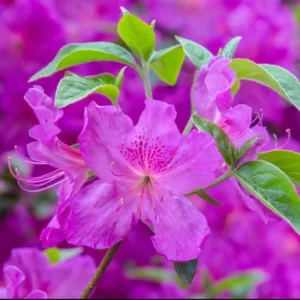
Introduce a splash of stunning color and elegant foliage to your outdoor space with this beautiful purple azalea live plant. Known for their dazzling spring blooms, azaleas are a beloved choice for gardens, borders, and foundation plantings. This particular offering is a healthy, well-rooted starter plant of the Formosa variety, celebrated for its robust growth and prolific flowering in shades of purple. While currently a young specimen, this formosa azalea shrub is ready to thrive in your landscape, maturing into a magnificent display. Azaleas belong to the genus Rhododendron, a diverse group of woody plants known for their showy flowers and often evergreen foliage, making them a cornerstone of many temperate gardens.
Your purple azalea live plant will arrive as a vigorous young starter, typically 6 to 8 inches tall, nestled in a 3-inch nursery pot. This size is ideal for planting, allowing the shrub to quickly adapt and establish itself in its new environment. While it may not be in bloom upon arrival, with proper care, you can anticipate a breathtaking exhibition of purple flowers in subsequent seasons. Investing in an azalea starter plant is a rewarding way to cultivate a long-lasting, beautiful feature in your garden, providing year after year of vibrant color and lush greenery.
Key Benefits
Adding a purple azalea live plant to your garden offers numerous advantages, transforming your landscape with its beauty and charm. These benefits extend beyond just their visual appeal, contributing to a richer and more vibrant outdoor experience.
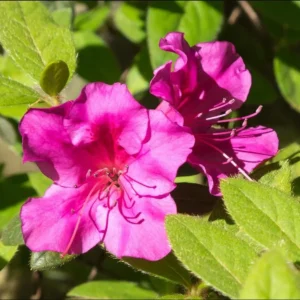
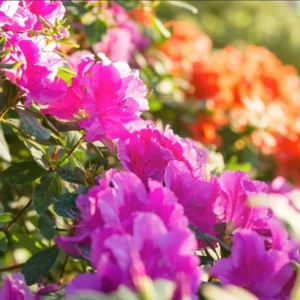
- Spectacular Spring Blooms: The primary draw of azaleas is their profusion of vibrant purple flowers in spring, creating a breathtaking visual spectacle that can be the focal point of any garden.
- Lush Evergreen Foliage: Many azalea varieties, including the Formosa, feature attractive evergreen leaves that provide year-round interest and a consistent green backdrop, even when not in bloom.
- Versatile Landscaping: Azaleas are incredibly adaptable, suitable for various garden uses such as mass plantings, foundation plantings, woodland gardens, or as striking specimen plants. Their moderate size makes them fit well in many settings.
- Attracts Pollinators: The vibrant flowers of the purple azalea live plant are a magnet for bees, butterflies, and other beneficial pollinators, contributing to the biodiversity and health of your garden ecosystem.
- Relatively Low Maintenance: Once established, azaleas are fairly easy to care for, requiring consistent watering and occasional pruning. Following basic azalea care tips ensures a thriving plant.
- Long-Lived Garden Addition: With proper siting and care, a formosa azalea shrub can live for many years, becoming a cherished and enduring part of your garden landscape.
- Enhances Curb Appeal: The dramatic blooms and elegant form of azaleas significantly boost the aesthetic appeal of your home, increasing curb appeal and creating a welcoming outdoor environment.
Plant Care & Growing Tips
Ensuring your purple azalea live plant thrives requires understanding its specific needs for light, soil, and water. Azaleas are acid-loving plants that perform best when their environmental conditions mimic their natural woodland habitats. Proper care from the start will lead to a robust and floriferous shrub.
For optimal growth, your formosa azalea shrub prefers partial shade. This means a location that receives morning sun and is protected from the intense heat of the afternoon sun. Too much direct sun, especially in warmer climates, can scorch the leaves and stress the plant, while too little sun may result in fewer blooms. When considering outdoor azaleas, choose a spot under deciduous trees or on the east side of your home for ideal light conditions. The soil is crucial for azaleas; they require acidic, well-draining soil with a pH between 4.5 and 6.0. Incorporating plenty of organic matter such as pine bark, peat moss, or compost will improve soil structure, acidity, and drainage. Avoid heavy clay soils or overly alkaline conditions, as these can lead to nutrient deficiencies and poor growth.
Watering is another key aspect of azalea care tips. Keep the soil consistently moist but never waterlogged, especially during the plant’s establishment period. Azaleas have shallow root systems, so they are sensitive to drought. Mulching with 2-3 inches of pine bark or compost helps retain soil moisture, keeps the roots cool, and gradually adds organic matter. During dry spells, provide deep watering. Azaleas prefer moderate temperatures and should be protected from extreme heat and cold winds. While many are hardy, late frosts can damage emerging flower buds. Fertilize sparingly with an acid-forming fertilizer formulated for azaleas and rhododendrons, typically after flowering in spring. Regular pruning is usually minimal, focused on removing dead or diseased branches and shaping the plant after blooming to encourage bushier growth.
Size & Details
This offering is for one healthy purple azalea live plant, a vigorous starter specimen of the ‘Formosa’ variety. Each plant typically measures between 6 to 8 inches in height from the top of the soil line, and it is well-rooted in a 3-inch nursery pot. This size is ideal for transplanting directly into your garden or a larger container, allowing the plant to acclimate quickly and establish its root system. While mature ‘Formosa’ azaleas can grow to a substantial size, often reaching 6 to 8 feet tall and wide, this azalea starter plant is at an early stage of development, ready to grow into a magnificent shrub over time.
The plant will be shipped in its nursery pot, with soil intact, to minimize transplant shock and ensure its health upon arrival. Expect a moderate growth rate, with visible development over the first growing season. Flowers will typically appear in the spring once the plant has matured and established itself, usually within one to two years of planting. This formosa azalea shrub is a long-term investment in your garden’s beauty, promising years of stunning purple blooms and lush foliage.
Frequently Asked Questions
- Q: How big does this purple azalea live plant get? A: This particular offering is a starter plant, 6 to 8 inches tall. Mature ‘Formosa’ azaleas can grow quite large, typically reaching 6 to 8 feet in height and width, forming a substantial shrub in your garden.
- Q: What size pot does it come in? A: Your purple azalea live plant will arrive in a standard 3-inch nursery pot, well-rooted and ready for transplanting into your garden or a larger container.
- Q: Is this an indoor or outdoor plant? A: Azaleas, especially the ‘Formosa’ variety, are primarily outdoor azaleas. They thrive in garden settings where they can experience natural light cycles and temperature fluctuations.
- Q: How much sunlight does it need? A: This formosa azalea shrub prefers partial shade. This means it should receive morning sun and be protected from the harsh afternoon sun, which can scorch its leaves.
- Q: Is this plant easy to care for? A: Azaleas are moderately easy to care for, especially if their specific needs for acidic soil, consistent moisture, and partial shade are met. Following basic azalea care tips will ensure its success.
- Q: What condition will it arrive in? A: Your azalea starter plant will be shipped as a healthy, well-rooted young plant in its nursery pot with soil, carefully packaged to ensure its safe arrival.
- Q: How long until it blooms? A: As this is a young starter plant, it may not bloom in its first year. With proper care, you can typically expect the first significant flush of purple blooms in the spring of the following year.
- Q: When is the best time to plant outdoor azaleas? A: The best time to plant outdoor azaleas is in spring or early fall, allowing the plant to establish its root system before extreme summer heat or winter cold.
- Q: What type of soil is best for this azalea? A: Azaleas require acidic, well-draining soil rich in organic matter. A pH between 4.5 and 6.0 is ideal, often achieved by amending the soil with pine bark fines, peat moss, or compost.
- Q: Will it survive winter in my zone? A: The ‘Formosa’ azalea is generally hardy in USDA Zones 7-9. If you are in a colder zone, you may need to provide winter protection or consider growing it in a container that can be moved indoors.
Related products
-50%
Original price was: $55.98.$27.99Current price is: $27.99.
-20%
Original price was: $36.00.$28.80Current price is: $28.80.
-43%
Original price was: $89.99.$50.99Current price is: $50.99.
-45%
Original price was: $220.00.$121.00Current price is: $121.00.
-20%
Original price was: $20.00.$16.00Current price is: $16.00.
-50%
Original price was: $49.98.$24.99Current price is: $24.99.
-50%


Original price was: $63.00.$31.50Current price is: $31.50.
PLANTING & CARE

Growing Glencoe Raspberry: A Complete Guide for Gardeners
If you’re looking to add something unique to your garden, look no further than the
31
Mar
Mar

The Comprehensive Guide to Growing Bay Leaf Plants for a Flavorful Garden
Imagine stepping into your garden, greeted by the earthy aroma of fresh bay leaves, their
09
Feb
Feb

How to Make Comfrey Tea: The Ultimate Organic Plant Food
Growing an organic garden can be surprisingly expensive, especially when most store-bought fertilizers come in
02
Feb
Feb

True Comfrey: 7 Essential Tips Before You Plant This Herb
A staple in permaculture practices across the US, True Comfrey easily earns its reputation as
27
Jan
Jan

7 Heart-Shaped Plants for a Lasting Valentine’s Gift
If you’ve ever bought a bouquet of roses for Valentine’s Day, you know they are
26
Jan
Jan

Best Types of Ivy Plant for Houses: How to Choose the Perfect Ones for Your Home
Are you a garden lover looking to introduce some greenery into your home? Maybe you’ve
14
Nov
Nov

When to Harvest Garlic (Especially Fall-Planted Garlic)
TIMING IS EVERYTHING, they say – and for garlic, that truth hits with surprising accuracy.
13
Nov
Nov

11 of the Best Sweet Potato Varieties to Grow for Your Garden
If you’ve ever tried growing sweet potatoes, you know that picking the right variety can
12
Nov
Nov