Queensland Bottle Tree Live Plant – Brachychiton Rupestris – 4 inch pot – Outdoor
-30%
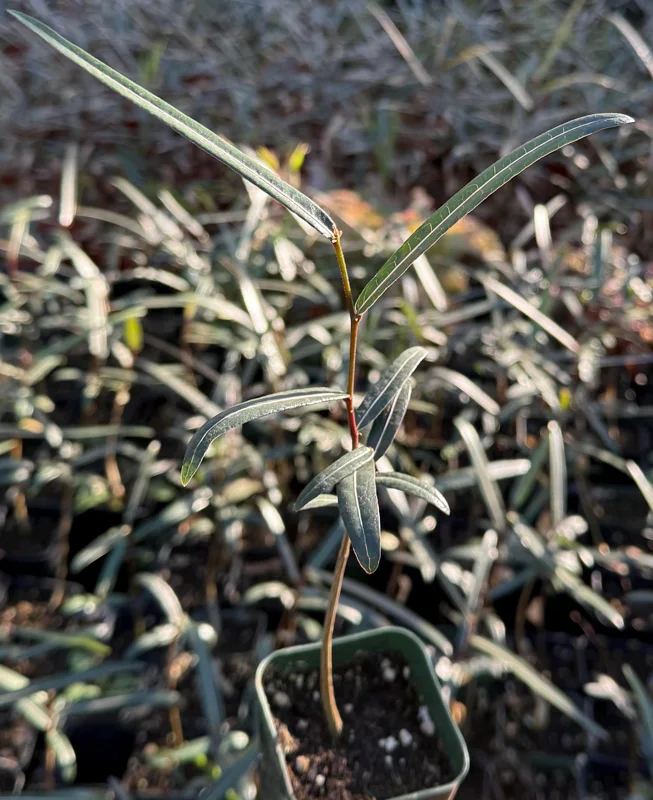
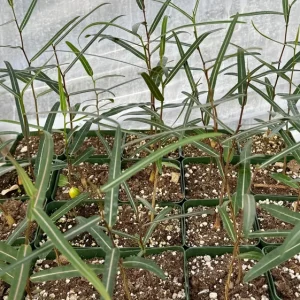
Queensland Bottle Tree Live Plant – Brachychiton Rupestris – 4 inch pot – Outdoor
Bring a touch of Australian uniqueness to your landscape with the Queensland Bottle Tree live plant. This remarkable Brachychiton rupestris features a distinctive, water-storing trunk and an elegant form, making it a captivating focal point for any garden. Ideal for dry climates and outdoor cultivation.
From Original price was: $29.98.$20.99Current price is: $20.99.

With our Alive & Thrive Guarantee, we’ve got your back for the first 30 days! If you have any concerns about your plants, just reach out to us. Our team is here to help answer your questions and guide you in selecting the best plants for your garden, climate, and unique preferences. We're excited to help you create the garden of your dreams!
Estimated arrival
Mar 31
Apr 05 - Apr 07
Apr 10 - Apr 14
Product Details
-
USDA Hardiness Zone
USDA Zones 9-11 -
Soil type
Well-draining, sandy or loamy soil -
Sunlight Exposure
Full sun -
Expected Planting Period
Spring to early summer
Overview
Introduce an extraordinary botanical specimen to your collection with the Queensland Bottle Tree live plant, scientifically known as Brachychiton rupestris. This captivating tree, native to the arid regions of Queensland, Australia, is renowned for its iconic swollen trunk that resembles a bottle. This unique adaptation allows the tree to store water, making it exceptionally drought-tolerant and a resilient choice for various landscapes. Perfect for those seeking a conversation-starting plant, the Queensland Bottle Tree live plant offers both aesthetic appeal and a fascinating story of survival. It represents a living sculpture, transforming over time into a magnificent feature in your outdoor space.
The Brachychiton rupestris is not just a plant; it’s a testament to nature’s ingenuity. Its distinctive silhouette and ability to thrive in challenging conditions make it a favorite among landscape designers and plant enthusiasts. Whether you’re aiming to create a xeriscape garden or add a striking specimen tree, this Queensland bottle tree outdoor plant delivers unparalleled character and resilience.
Key Benefits
The Queensland Bottle Tree live plant offers a multitude of benefits that make it an outstanding addition to any garden or landscape, combining unique aesthetics with practical resilience:
- Distinctive Ornamental Appeal: The most striking feature is its swollen, bottle-shaped trunk, which provides an unparalleled architectural element to any garden. This makes it a fantastic focal point and a conversation starter, perfect for creating a memorable landscape.
- Exceptional Drought Tolerance: Thanks to its water-storing trunk, the Brachychiton rupestris is incredibly resilient to dry conditions. This makes it an ideal choice for water-wise gardening and regions prone to drought, reducing the need for frequent irrigation.
- Low Maintenance: Once established, the Queensland Bottle Tree live plant requires minimal care, thriving with little intervention. Its hardy nature means less time spent on upkeep and more time enjoying its beauty.
- Unique Foliage and Flowers: Beyond its trunk, the tree boasts attractive, often lobed, shiny leaves and produces clusters of small, bell-shaped flowers in cream or yellowish-green hues, adding seasonal interest.
- Versatile Landscaping Use: Commonly used as a feature tree in landscaping, it can also be grown in large containers when young, offering flexibility in garden design. Its unique form complements various garden styles, from modern to arid.
- Long Lifespan: These trees are known for their longevity, allowing you to enjoy their unique beauty for many decades, making it a lasting investment in your garden’s future.
- Adaptable to Various Soil Types: While preferring well-draining soil, the bottle tree drought tolerant nature extends to its adaptability to a range of soil conditions, as long as drainage is adequate.
Plant Care & Growing Tips
Caring for your Queensland Bottle Tree live plant is relatively straightforward, especially given its hardy and drought-tolerant nature. To ensure optimal growth and the development of its iconic trunk, understanding its specific needs is crucial. This tree thrives in conditions that mimic its native Australian environment, which means plenty of sun and minimal fuss once established. Proper Brachychiton rupestris care will ensure your tree becomes a magnificent specimen.
For sunlight, the Queensland Bottle Tree live plant requires full sun exposure, meaning at least 6-8 hours of direct sunlight per day. It should be planted in a location where it can receive ample light throughout the day. When it comes to watering, young trees need regular watering to establish their root system, generally once a week during dry periods. However, established trees are highly drought-tolerant and require very little supplemental water, especially during cooler months. Overwatering can be detrimental, leading to root rot. Allow the soil to dry out completely between waterings. The ideal soil type is well-draining, sandy or loamy soil. Good drainage is paramount to prevent waterlogging around the roots.
The Queensland bottle tree outdoor plant is best suited for USDA hardiness zones 9-11, where it can be grown outdoors year-round. It can tolerate light frosts but prefers warmer climates. In colder regions, it can be grown in a large container and moved indoors during winter. Fertilization is generally not heavily required for this tree. A light application of a balanced, slow-release fertilizer in spring can encourage growth, but avoid over-fertilizing. Common problems are rare due to its resilience, but watch out for scale insects or mealybugs, which can be treated with horticultural oil. Ensuring proper air circulation and avoiding excessive humidity will also help prevent fungal issues. Consistent Brachychiton rupestris care will allow your tree to flourish and develop its distinctive shape.
Size & Details
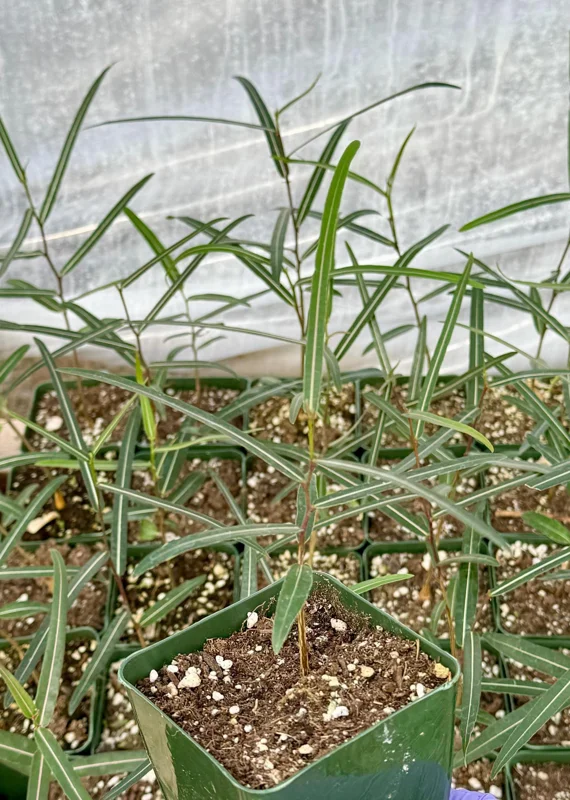
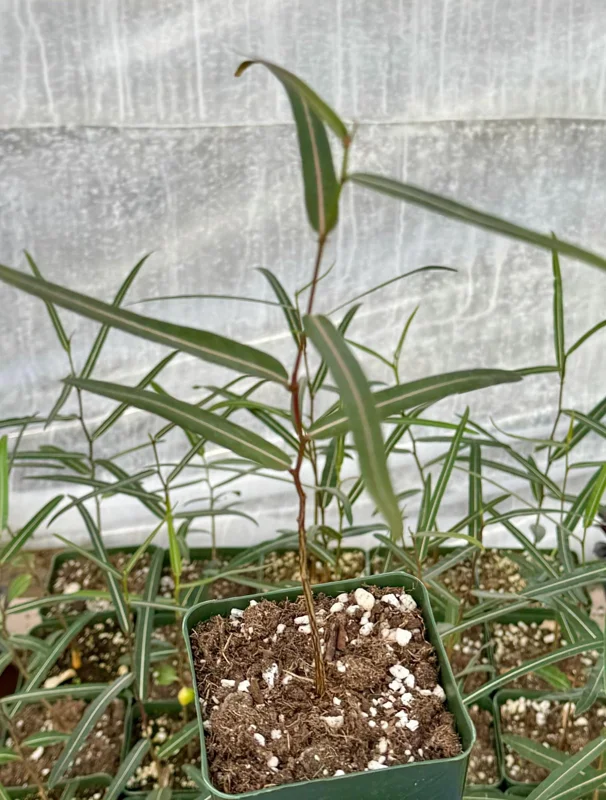
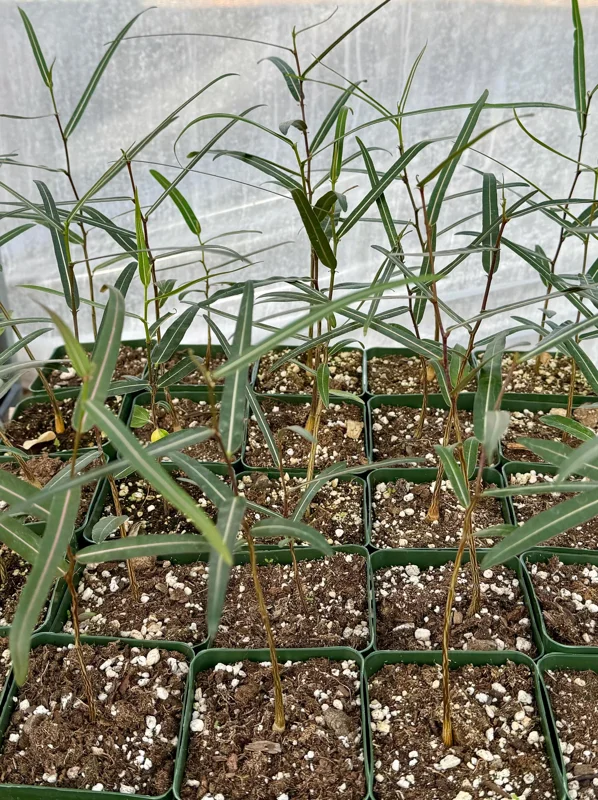
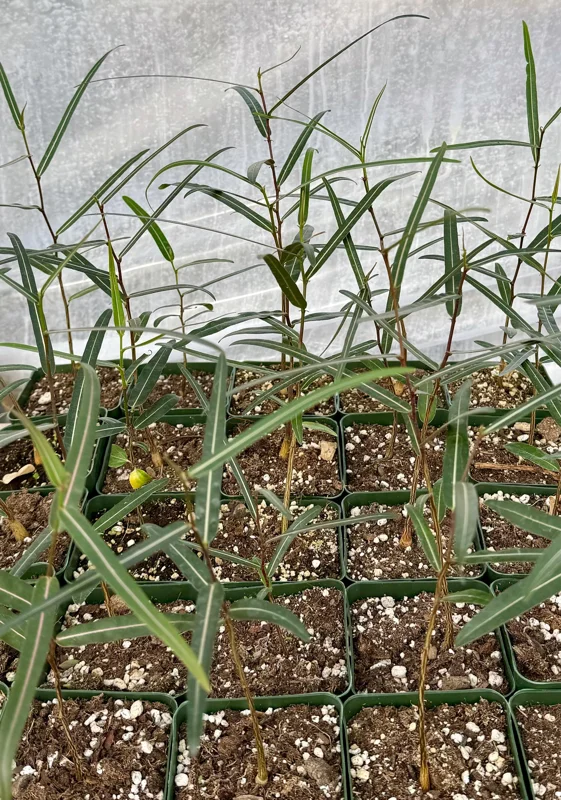
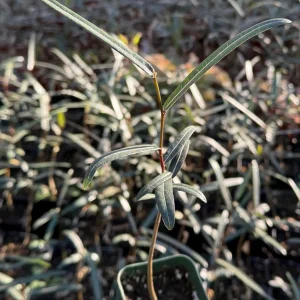
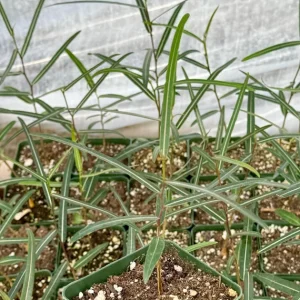
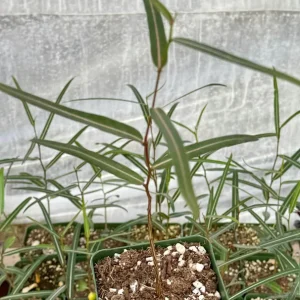
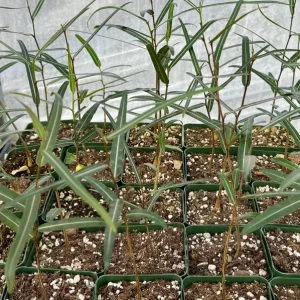
This offering is for a Queensland Bottle Tree live plant, Brachychiton rupestris, provided in a 4-inch nursery pot. At this young stage, the plant will show the beginnings of its characteristic swollen trunk, which will become more pronounced with age. When mature, the Queensland Bottle Tree live plant typically grows to a height of 60 to 65 feet in its natural habitat, though it often remains smaller when cultivated in gardens or containers, usually reaching 20-40 feet tall. Its growth rate is moderate, allowing for gradual development of its unique form. The plant is shipped as a rooted specimen, ready for transplanting into a larger pot or directly into your garden, depending on your climate and preference. Expect the development of the iconic bottle shape to become more evident over several years as the tree matures and stores water in its trunk. This bottle tree drought tolerant species is an excellent long-term addition to any landscape.
Frequently Asked Questions
- Q: How big does this plant get? A: In its natural environment, the Queensland Bottle Tree live plant can reach 60-65 feet tall. When cultivated in a garden, it usually stays smaller, typically 20-40 feet, and in a container, its size will be further restricted by the pot.
- Q: What size pot does it come in? A: This Queensland Bottle Tree live plant is supplied in a 4-inch nursery pot, perfectly sized for its young stage of development, allowing for easy transplanting.
- Q: Is this an indoor or outdoor plant? A: The Queensland Bottle Tree live plant is primarily an outdoor plant, thriving in full sun in USDA zones 9-11. In colder climates, it can be grown in a container and brought indoors during winter.
- Q: How much sunlight does it need? A: This tree requires full sun exposure, ideally receiving at least 6-8 hours of direct sunlight daily to promote healthy growth and the development of its distinctive trunk.
- Q: Is this plant easy to care for? A: Yes, once established, the Queensland Bottle Tree live plant is considered very easy to care for due to its drought tolerance and minimal needs. It’s a great choice for gardeners looking for a low-maintenance, unique landscape tree.
- Q: What condition will it arrive in? A: Your Queensland Bottle Tree live plant will arrive as a healthy, rooted specimen, carefully packaged to ensure its safety during transit and ready for immediate planting.
- Q: When is the best time to plant a Queensland Bottle Tree? A: The best time to plant a Queensland Bottle Tree live plant is in spring or early summer, allowing it ample time to establish its root system before the colder months.
- Q: Will it survive winter in my zone? A: The Queensland Bottle Tree live plant is hardy in USDA zones 9-11. If you are in a colder zone, it’s recommended to grow it in a pot and provide winter protection indoors.
- Q: Is the Brachychiton rupestris care difficult for beginners? A: No, Brachychiton rupestris care is quite straightforward. Its drought tolerance and minimal requirements make it a good choice even for beginner gardeners, provided it gets enough sunlight and well-draining soil.
- Q: What makes this tree so drought tolerant? A: The bottle tree drought tolerant nature comes from its unique, swollen trunk, which acts as a natural reservoir, storing water to help the tree survive extended dry periods and harsh conditions.
| Size | 2" Pot, 4" Pot |
|---|
Related products
-10%
Original price was: $80.99.$72.89Current price is: $72.89.
PLANTING & CARE

The Comprehensive Guide to Growing Bay Leaf Plants for a Flavorful Garden
Imagine stepping into your garden, greeted by the earthy aroma of fresh bay leaves, their
09
Feb
Feb

How to Make Comfrey Tea: The Ultimate Organic Plant Food
Growing an organic garden can be surprisingly expensive, especially when most store-bought fertilizers come in
02
Feb
Feb

True Comfrey: 7 Essential Tips Before You Plant This Herb
A staple in permaculture practices across the US, True Comfrey easily earns its reputation as
27
Jan
Jan

7 Heart-Shaped Plants for a Lasting Valentine’s Gift
If you’ve ever bought a bouquet of roses for Valentine’s Day, you know they are
26
Jan
Jan

Best Types of Ivy Plant for Houses: How to Choose the Perfect Ones for Your Home
Are you a garden lover looking to introduce some greenery into your home? Maybe you’ve
14
Nov
Nov

When to Harvest Garlic (Especially Fall-Planted Garlic)
TIMING IS EVERYTHING, they say – and for garlic, that truth hits with surprising accuracy.
13
Nov
Nov

11 of the Best Sweet Potato Varieties to Grow for Your Garden
If you’ve ever tried growing sweet potatoes, you know that picking the right variety can
12
Nov
Nov
Pruning Bougainvillea for Winter
Bougainvillea vines are known for their dazzling display of magenta, orange, and fuchsia bracts that
05
Nov
Nov