Red Lady Papaya Live Plant – Sweet Edible Tropical Fruit Tree – Outdoor
-50%
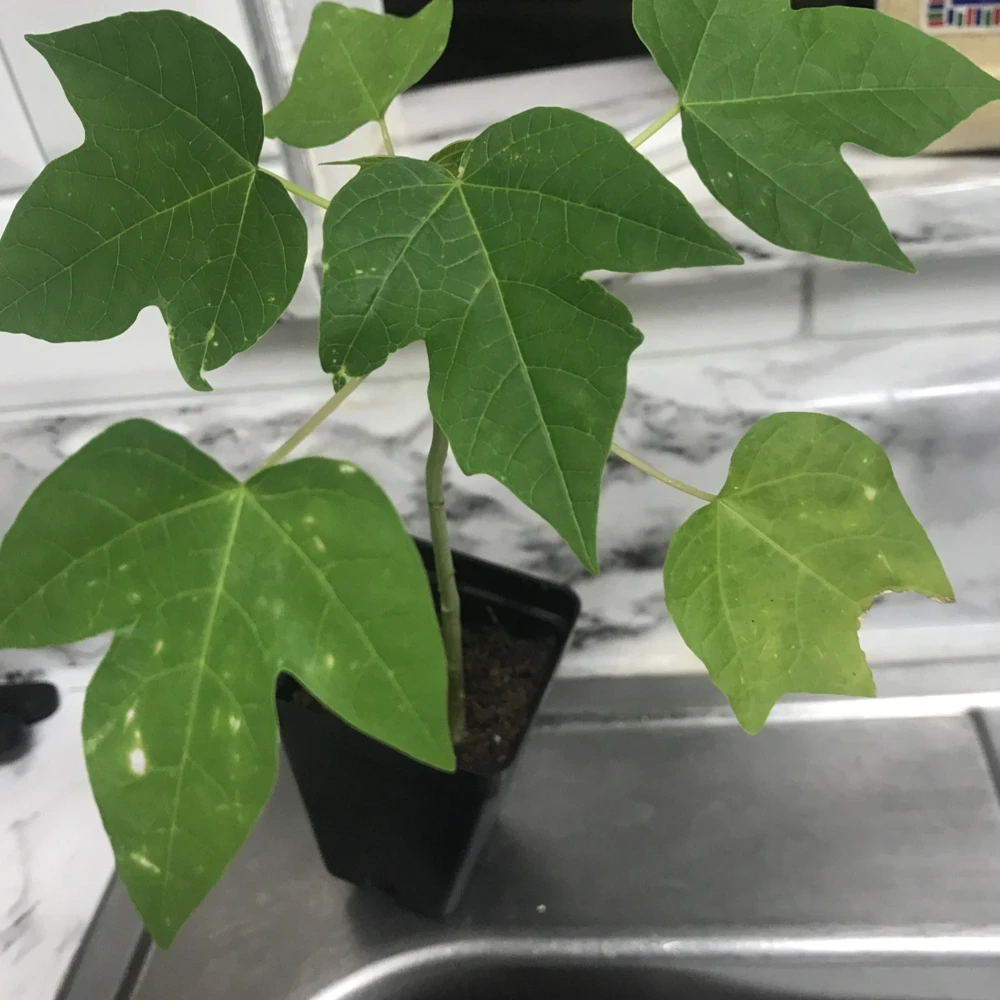
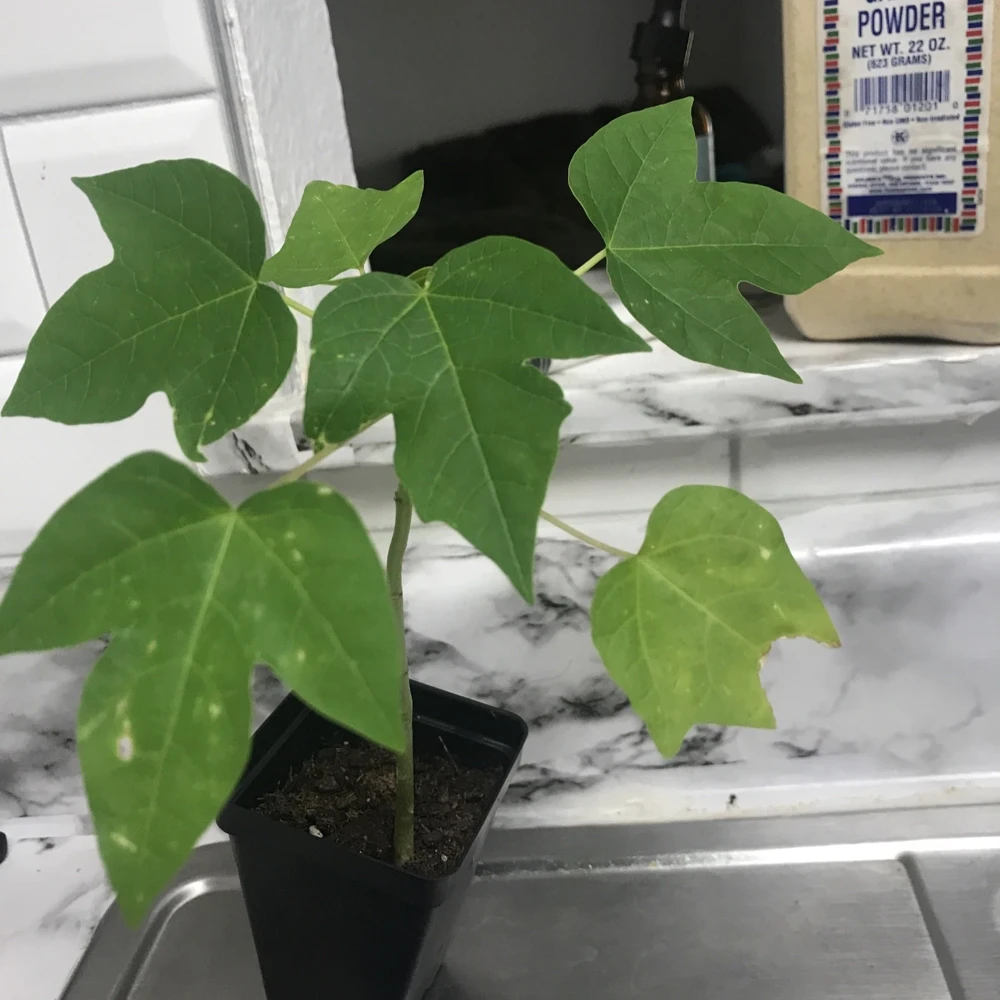
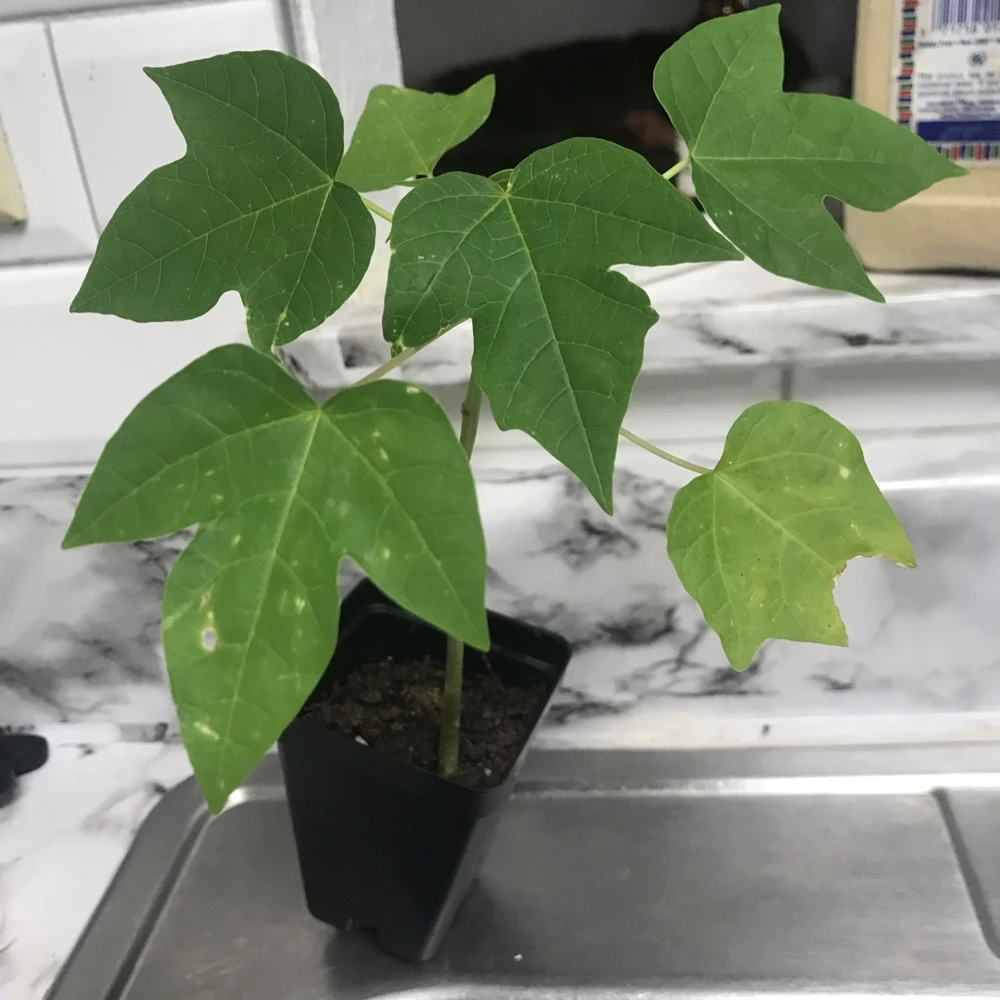
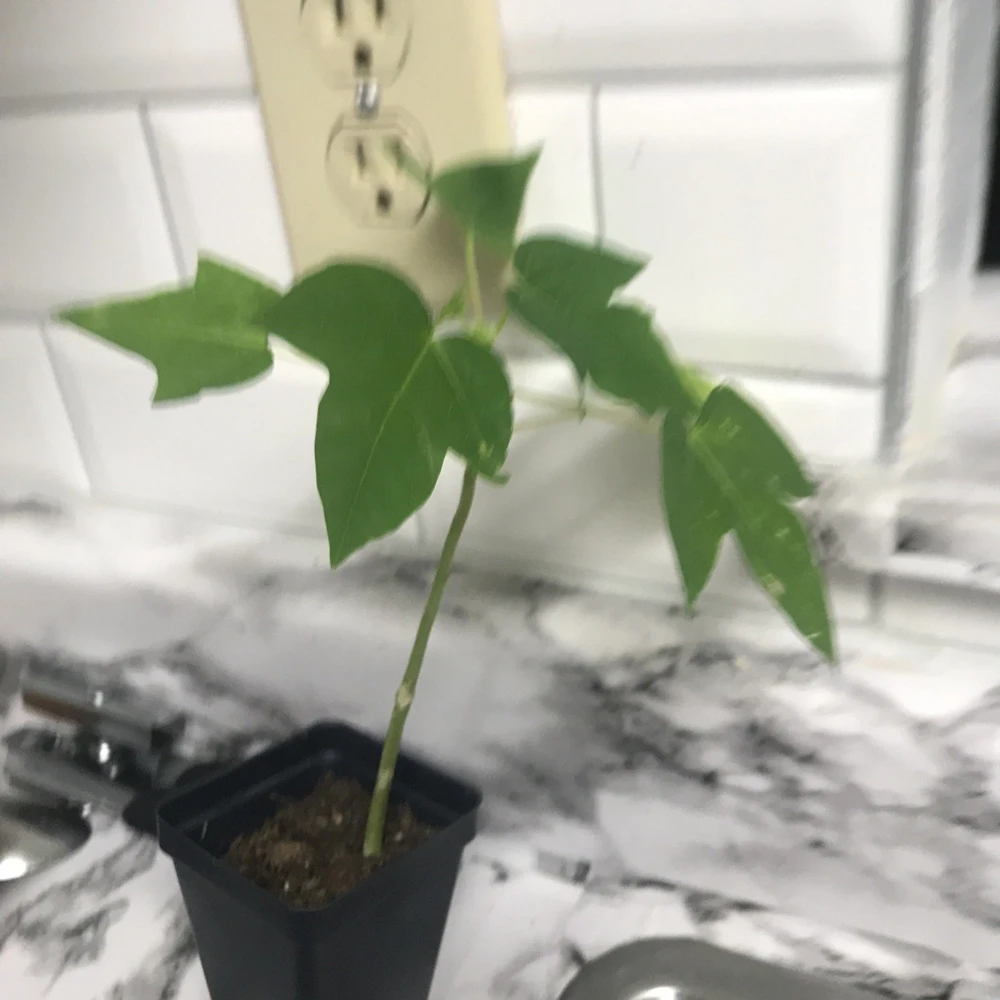
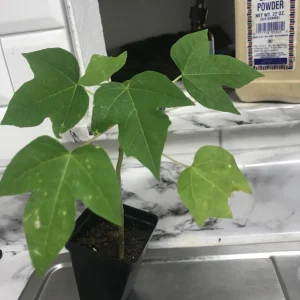
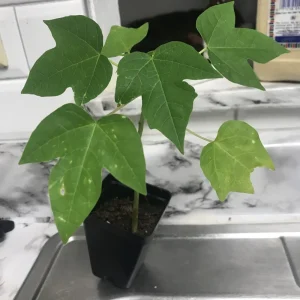
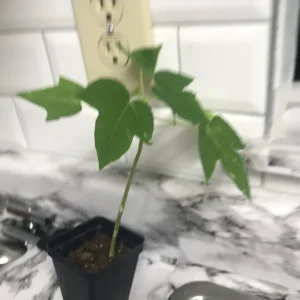
Red Lady Papaya Live Plant – Sweet Edible Tropical Fruit Tree – Outdoor
Cultivate your own tropical paradise with a Red Lady Papaya live plant. This vigorous fruit tree yields abundant, sweet, and juicy papayas. Ideal for outdoor cultivation in warm climates, bringing an exotic touch and delicious harvest to your garden.
Original price was: $200.00.$100.00Current price is: $100.00.

With our Alive & Thrive Guarantee, we’ve got your back for the first 30 days! If you have any concerns about your plants, just reach out to us. Our team is here to help answer your questions and guide you in selecting the best plants for your garden, climate, and unique preferences. We're excited to help you create the garden of your dreams!
Estimated arrival
Oct 14
Oct 19 - Oct 21
Oct 24 - Oct 28
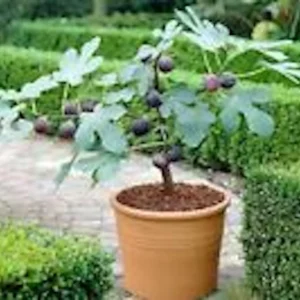
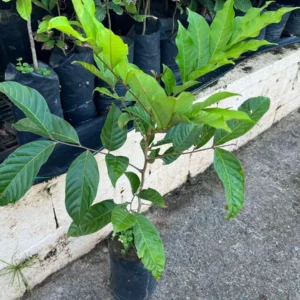
Product Details
-
USDA Hardiness Zone
10 (30 to 40 °F) -
Soil type
Loam, Peat, Sand (well-draining) -
Sunlight Exposure
Full Sun, Medium Sun, Partial Shade -
Expected Planting Period
Spring, Summer
Overview
Experience the joy of growing your own exotic fruit with the Red Lady Papaya live plant. This popular variety is renowned for its vigorous growth and exceptional yield of delicious, sweet papayas. Originating from tropical regions, the papaya (Carica papaya) is a fast-growing, short-lived tree-like plant that can produce fruit within a year of planting. The ‘Red Lady’ cultivar is particularly prized for its relatively compact size, making it suitable for home gardens, and its hermaphroditic flowers, which means a single plant can produce fruit without needing a separate male or female plant for pollination. This makes planting and harvesting much simpler for the home gardener looking to grow Red Lady Papaya.
Our Red Lady Papaya live plant arrives ready to thrive in your garden, promising a bountiful harvest of juicy, reddish-orange fruits. These papayas are not only delightful to eat fresh but also versatile for use in smoothies, salads, and desserts. Cultivating this magnificent tropical fruit tree allows you to enjoy fresh, organic papayas right from your backyard, offering a taste of the tropics and a rewarding gardening experience.
Key Benefits
The Red Lady Papaya live plant offers numerous advantages for the home gardener, transforming your outdoor space into a productive and attractive edible landscape. Its ease of care and generous fruiting make it a top choice for those looking to enjoy homegrown tropical produce.
- Abundant, Sweet Fruit Production: The ‘Red Lady’ variety is highly productive, yielding numerous large, sweet, and flavorful papayas that are perfect for fresh consumption or culinary use. Enjoy a steady supply of fresh, juicy fruit right from your garden.
- Hermaphroditic Nature: Being a hermaphroditic plant, a single Red Lady Papaya live plant can produce fruit without the need for cross-pollination from other papaya trees, simplifying the growing process and ensuring a reliable harvest.
- Fast Growth and Quick Fruiting: Papaya plants are known for their rapid growth, often producing their first fruits within 9-12 months of planting. This quick turnaround provides almost immediate gratification for your gardening efforts.
- Nutrient-Rich Harvest: Papayas are packed with vitamins A and C, antioxidants, and digestive enzymes like papain, contributing to a healthy diet. Growing your own ensures pesticide-free, fresh nutrition.
- Tropical Garden Aesthetic: With its large, lobed leaves and attractive fruit clusters, this tropical fruit tree adds a lush, exotic appeal to any outdoor space, creating a vibrant focal point.
- Adaptable to Containers: While best in-ground, younger outdoor papaya plant specimens can be grown in large containers, making them suitable for patios or for moving indoors in cooler climates.
- Relatively Low Maintenance: Once established, the Red Lady Papaya live plant requires consistent watering and feeding but is generally resilient to pests and diseases, making it a rewarding plant for gardeners of all skill levels.
Plant Care & Growing Tips
To ensure your Red Lady Papaya live plant thrives and produces abundant fruit, understanding its specific care requirements is essential. Papayas are tropical plants, so they flourish in warm, sunny environments. They prefer a location that receives at least 6-8 hours of direct sunlight daily. In extremely hot climates, some afternoon shade can be beneficial to prevent leaf scorch. Ensure the planting site has excellent drainage, as papayas are highly susceptible to root rot in waterlogged soil. Raised beds or containers are excellent options if your native soil is heavy clay.
Watering is crucial for a healthy papaya plant. They need consistent moisture, especially during dry periods and when fruiting, but never soggy soil. Water deeply when the top few inches of soil feel dry to the touch, and reduce watering in cooler or dormant periods. For optimal growth and fruit production, fertilize your Red Lady Papaya live plant regularly with a balanced, slow-release fertilizer or a liquid feed rich in nitrogen, phosphorus, and potassium. Begin fertilizing a few weeks after planting and continue every 2-4 weeks during the growing season. Protect your papaya from strong winds, which can damage its large leaves and shallow root system. Mulching around the base of the plant can help retain soil moisture, regulate temperature, and suppress weeds.
The ideal USDA Hardiness Zone for growing papayas outdoors is 9-11, where temperatures rarely drop below freezing. In colder zones, you can attempt to grow Red Lady Papaya in large containers and bring them indoors during winter, ensuring they receive adequate light. Pruning is generally minimal; remove yellowing or damaged leaves as needed. Keep an eye out for common pests like spider mites or aphids, and treat with organic insecticidal soap if necessary. By following these care guidelines, your outdoor papaya plant will reward you with sweet, delicious fruit.
Size & Details
This offering is for one Red Lady Papaya live plant, typically shipped in a nursery pot. The plant is well-rooted and ready for transplanting into your garden or a larger container. Papaya plants are fast growers and can reach heights of 10-20 feet in optimal conditions, though the ‘Red Lady’ variety tends to be more manageable for home gardens. Its growth rate is rapid, often producing fruit within 9-12 months of planting. The mature fruits typically weigh between 1.5 to 2.5 pounds and have a distinctive reddish-orange flesh when ripe.
We recommend planting in well-draining soil with a neutral pH (6.0-7.0) for best results. The plant will establish quickly and begin to show new growth soon after planting. Expect a continuous harvest once fruiting begins, typically from spring through summer in tropical climates. For best yields, provide ample space for its broad leaves and allow for good air circulation. The plant’s form is a single-stemmed, tree-like structure, adding a vertical element to your garden landscape.
Frequently Asked Questions
- Q: How big does this plant get? A: A Red Lady Papaya live plant can reach heights of 10 to 20 feet under ideal outdoor conditions, though the ‘Red Lady’ variety is often more compact and can be managed with pruning or container growing to maintain a smaller size.
- Q: Is this an indoor or outdoor plant? A: While papayas are tropical plants best suited for outdoor cultivation in USDA Zones 9-11, they can be grown in large containers and brought indoors during colder months in non-tropical regions. It is primarily considered an outdoor papaya plant.
- Q: How much sunlight does it need? A: Your Red Lady Papaya live plant requires at least 6 to 8 hours of direct sunlight per day to thrive and produce abundant fruit. Ensure it is planted in a location that receives full sun exposure.
- Q: Is this plant easy to care for? A: Yes, the Red Lady Papaya live plant is relatively easy to care for, especially when provided with the right tropical conditions. Consistent watering, regular fertilization, and good drainage are key to its success.
- Q: What condition will it arrive in? A: Your Red Lady Papaya live plant will arrive as a healthy, live plant in a nursery pot, well-packaged to ensure its safe journey and ready for planting in your garden or a larger container.
- Q: When is the best time to plant? A: The best time to plant your Red Lady Papaya live plant is in the spring or early summer, once all danger of frost has passed and soil temperatures have warmed up, allowing it ample time to establish before cooler weather.
- Q: Will it survive winter in my zone? A: The Red Lady Papaya live plant is tropical and will only survive winters outdoors in USDA Hardiness Zones 9-11. In colder zones, it must be protected from frost or grown in containers and moved indoors.
- Q: How long until it blooms and fruits? A: With proper care, a Red Lady Papaya live plant can begin to flower and produce fruit within 9-12 months of planting, offering a relatively quick turnaround for your efforts to grow Red Lady Papaya.
- Q: What type of soil does it prefer? A: This tropical fruit tree thrives in rich, well-draining soil with a neutral pH (around 6.0-7.0). Sandy loam or a good quality potting mix amended with compost is ideal.
- Q: Can I use the papayas in cooking? A: Absolutely! The sweet papayas from your Red Lady Papaya live plant are excellent for eating fresh, adding to fruit salads, smoothies, salsas, and even savory dishes.
Related products
-7%
Original price was: $105.99.$98.99Current price is: $98.99.
-20%
Original price was: $66.00.$52.80Current price is: $52.80.
-10%
Original price was: $75.00.$67.50Current price is: $67.50.
-20%
Original price was: $34.00.$27.20Current price is: $27.20.
-20%
Original price was: $56.00.$44.80Current price is: $44.80.
-10%
Original price was: $65.00.$58.50Current price is: $58.50.
PLANTING & CARE
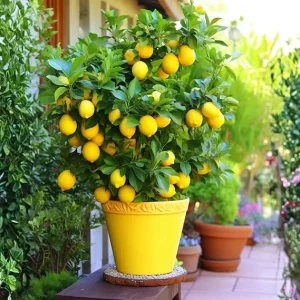
Lemon Tree Growing: Choose, Plant, and Harvest
Learn how to choose, plant, feed, and protect a lemon tree so it fits your
23
Sep
Sep
Dwarf Meyer Lemon Tree Australia: Climate Guide
Learn where dwarf Meyer lemon trees grow, how much cold they tolerate, and whether Australia,
Where to Buy a Dwarf Meyer Lemon Tree: Buyer’s Guide
Find the right dwarf Meyer lemon tree online or locally, compare starter sizes and costs,
Dwarf Meyer Lemon Tree for Sale: Buying Guide
Compare Meyer lemon tree sizes, prices, shipping limits, indoor growing and California options before you
Dwarf Meyer Lemon Tree Guide: Size, Care and Fruit
META: Learn how large a dwarf Meyer lemon tree grows, where it thrives, and how
How to Prune a Dwarf Meyer Lemon Tree
Learn when and how to prune a dwarf Meyer lemon tree, including tools, shaping cuts,
Can You Grow a Dwarf Meyer Lemon Tree in a Pot?
META: Learn how to grow a dwarf Meyer lemon tree in a pot, including container
When Do Dwarf Meyer Lemon Trees Bloom and Fruit?
META: Dwarf Meyer lemon trees usually bloom from winter through spring and may flower again