Carica Papaya Live Plant – Year Round Papaya Tree – 2.5″ Pot
-50%
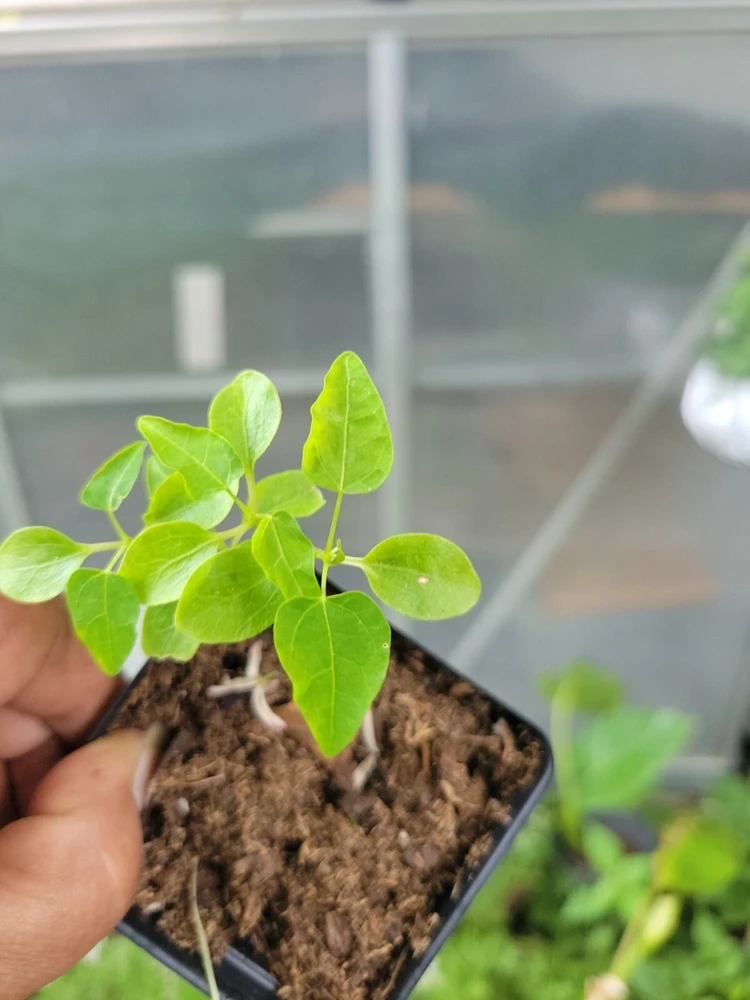
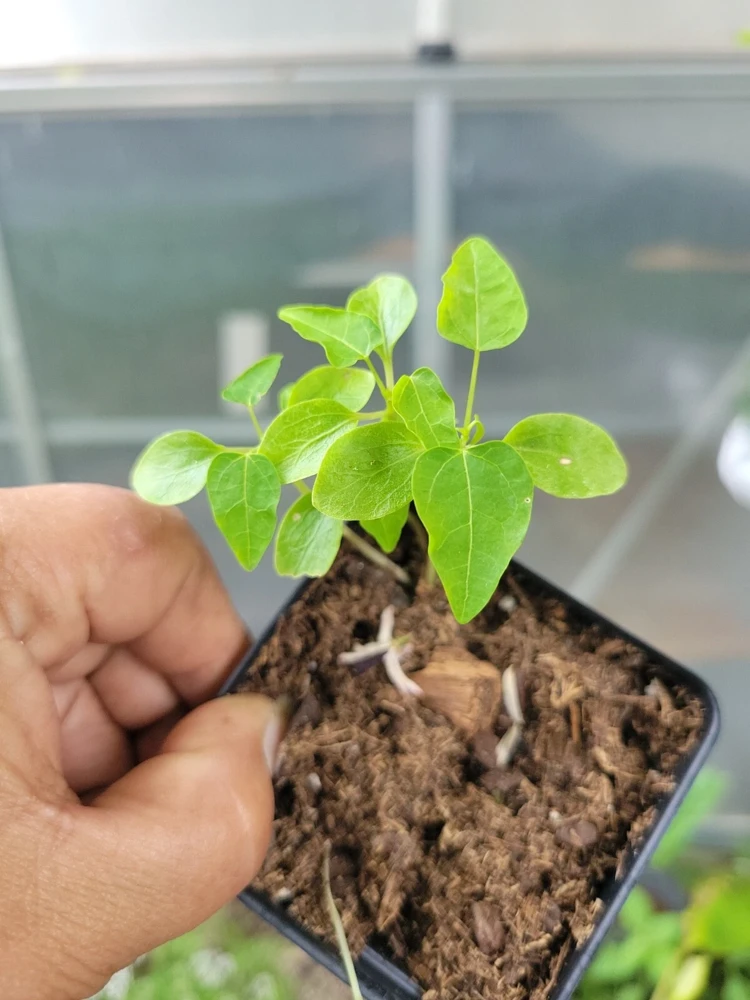
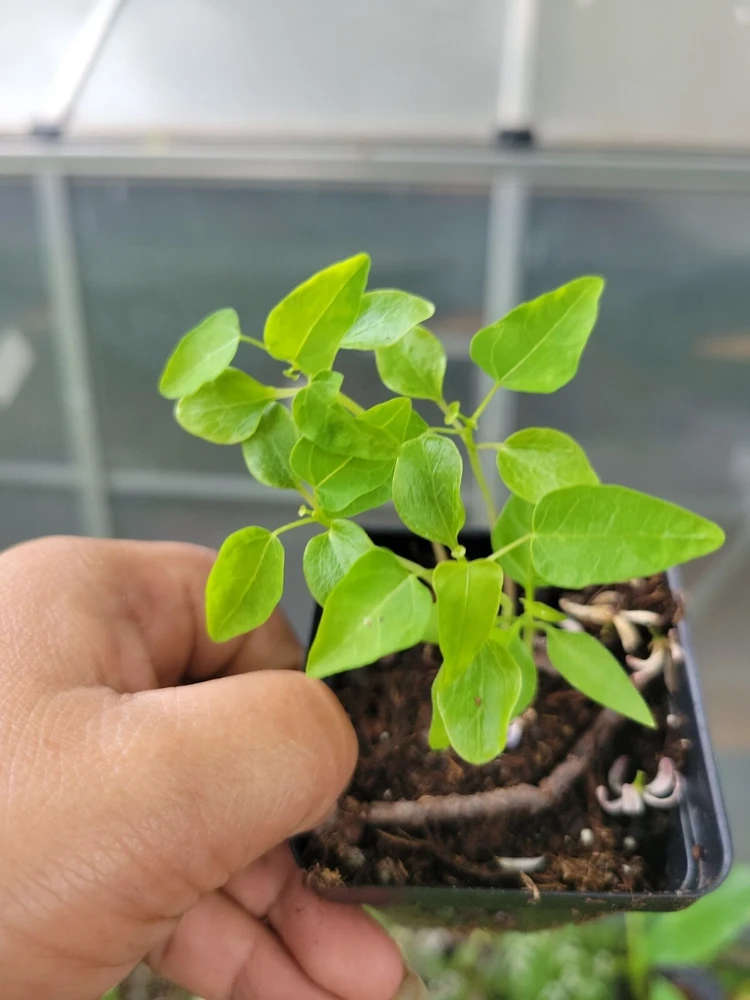
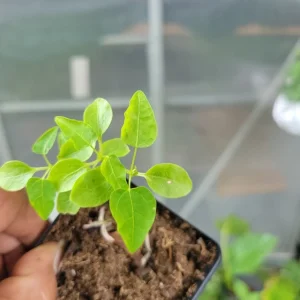
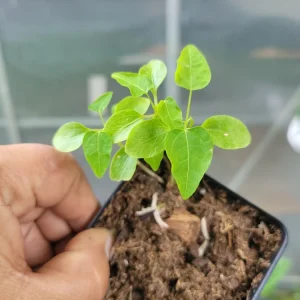
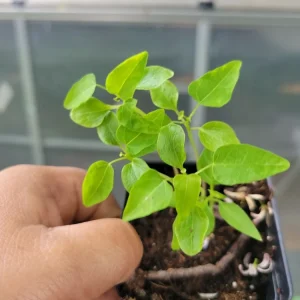
Carica Papaya Live Plant – Year Round Papaya Tree – 2.5″ Pot
Bring the tropics to your home with this Carica Papaya live plant. Perfect for growing delicious fruit year-round, this dwarf papaya plant is ideal for containers or garden planting. Enjoy fresh, sweet papaya from your own tropical fruit tree.
Original price was: $32.00.$16.00Current price is: $16.00.

With our Alive & Thrive Guarantee, we’ve got your back for the first 30 days! If you have any concerns about your plants, just reach out to us. Our team is here to help answer your questions and guide you in selecting the best plants for your garden, climate, and unique preferences. We're excited to help you create the garden of your dreams!
Estimated arrival
Oct 14
Oct 19 - Oct 21
Oct 24 - Oct 28

Product Details
-
USDA Hardiness Zone
USDA Zones 9-11 (outdoor); can be grown indoors elsewhere -
Soil type
Well-draining, rich, slightly acidic to neutral soil -
Sunlight Exposure
Full sun (6-8+ hours daily) -
Expected Planting Period
Year-round indoors; spring to early summer outdoors (in suitable zones)
Overview
Cultivate your own exotic harvest with the Carica Papaya live plant, often known as the year-round papaya tree. This vigorous and rewarding plant allows you to enjoy fresh, sweet papayas directly from your garden or patio. Native to Central America, the papaya (Carica papaya) is a fast-growing, short-lived perennial tree that thrives in warm climates. Our healthy Carica Papaya live plant is ready to establish itself, promising a bountiful yield of nutritious and delicious fruit. It’s an excellent choice for both experienced gardeners and enthusiastic beginners looking to add a touch of the tropics to their landscape. Growing a year-round papaya tree can be a deeply satisfying experience, providing not just fruit but also an attractive, tropical aesthetic to your outdoor or indoor space, especially in colder regions where it can be brought inside during winter.
This particular variety is known for its ability to produce fruit continuously throughout the year under optimal conditions, making it a true ‘year-round papaya tree‘. The plant is supplied in a 2.5-inch pot, providing a strong root system ready for transplanting. Whether you’re aiming for a lush garden or a productive container plant, this dwarf papaya plant offers an accessible and exciting way to grow your own tropical fruit. The ease of care and rapid growth make it a popular choice among home growers. Imagine fresh papaya for breakfast, smoothies, or desserts, all from your very own backyard.
Key Benefits
Growing a Carica Papaya live plant offers a multitude of benefits, from delicious, fresh fruit to enhancing the beauty of your garden. This remarkable plant provides both aesthetic appeal and practical advantages, making it a worthwhile addition to any plant collection. Here are some of the key benefits you can expect:
- Continuous Fruit Production: Under ideal conditions, this year-round papaya tree lives up to its name, providing a steady supply of fresh, sweet papayas throughout the year. This means you can enjoy the delicious fruit without long waiting periods between harvests.
- Nutritional Powerhouse: Papayas are rich in vitamins C and A, folate, and potassium, as well as the enzyme papain, known for its digestive benefits. Growing your own ensures access to freshly picked, nutrient-dense fruit.
- Exotic Garden Addition: With its large, lobed leaves and unique fruit, the Carica Papaya live plant adds a distinctive tropical flair to your garden, patio, or even a sunny indoor spot. It creates a vibrant focal point and a conversation starter.
- Container Friendly: This plant can be successfully grown in large containers, making it suitable for smaller gardens, patios, or for those in cooler climates who need to move their papaya tree indoors during winter months. It’s a versatile dwarf papaya plant that adapts well to various growing environments.
- Relatively Low Maintenance: Once established, papaya plants are not overly demanding. With proper watering, sunlight, and occasional feeding, your tropical fruit tree will thrive and produce abundant fruit with minimal fuss, making it easy to grow papaya at home.
- Fast Growing: Papaya plants are known for their rapid growth rate, often producing fruit within a year of planting, which is incredibly rewarding for any gardener.
- Supports Local Ecosystem: Growing fruit trees can attract pollinators and contribute to local biodiversity, creating a healthier garden environment.
Plant Care & Growing Tips
To ensure your Carica Papaya live plant flourishes and produces a continuous harvest, understanding its specific care requirements is essential. Papayas are tropical plants and thrive in conditions that mimic their native environment. Proper care will help you successfully grow papaya at home and enjoy its delicious fruits.
Sunlight Requirements: Papaya plants demand abundant sunlight. They need at least 6-8 hours of direct full sun daily to produce fruit effectively. In hotter climates, some afternoon shade can be beneficial to prevent leaf scorch, but generally, the more sun, the better. If growing indoors, place your year-round papaya tree in the brightest south-facing window or use supplemental grow lights to ensure it receives adequate light.
Watering Schedule and Soil Moisture: Consistent moisture is crucial for a healthy Carica Papaya live plant, especially during dry periods and when the plant is actively fruiting. Water deeply when the top inch or two of soil feels dry to the touch. However, ensure excellent drainage, as papayas are highly susceptible to root rot in waterlogged soil. Reduce watering during cooler months or if the plant is dormant. A good rule of thumb is to check the soil moisture every few days and adjust as needed, making sure the soil is moist but never soggy.
Soil Type and Drainage: Papayas prefer rich, well-draining soil with a slightly acidic to neutral pH (6.0-7.0). A sandy loam mix enriched with organic matter works best. If planting in a container, use a high-quality potting mix that drains quickly. Ensure your pots have ample drainage holes. Enhancing the soil with compost or well-rotted manure will provide essential nutrients and improve soil structure, helping your dwarf papaya plant thrive.
Temperature Range and USDA Hardiness Zone: Being a tropical plant, the Carica Papaya live plant is sensitive to cold. It thrives in temperatures between 70-90°F (21-32°C). Temperatures below 50°F (10°C) can cause damage, and frost will kill the plant. Papayas are generally suitable for USDA Hardiness Zones 9-11 for outdoor year-round growth. In cooler zones, they must be grown in containers and brought indoors during winter or treated as annuals. Providing protection from strong winds is also beneficial.
Fertilization Schedule and Type: Papayas are heavy feeders and benefit from regular fertilization, particularly once they start flowering and fruiting. Use a balanced fertilizer (e.g., 8-8-8 or 10-10-10) every 2-4 weeks during the growing season (spring through fall). Alternatively, organic options like compost tea or fish emulsion can be used. Reduce or stop fertilizing during winter. Watch for signs of nutrient deficiencies, such as yellowing leaves, and adjust your feeding regimen accordingly to support your tropical fruit tree.
Common Problems and Solutions: Papayas can be susceptible to pests like spider mites, aphids, and fruit flies, and diseases such as powdery mildew and anthracnose. Regular inspection of your Carica Papaya live plant helps in early detection. Treat pests with insecticidal soap or neem oil. Ensure good air circulation to prevent fungal diseases. Proper watering and nutrient management will generally lead to a robust plant less prone to issues.
Size & Details
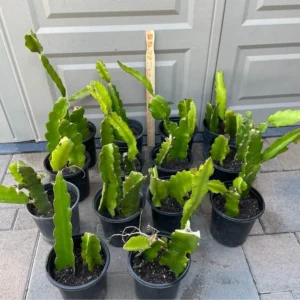
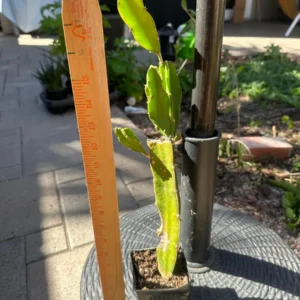
This Carica Papaya live plant is offered in a 2.5-inch nursery pot, providing a robust and well-rooted specimen ready for transplanting. At this stage, the plant typically stands between 4 to 8 inches tall, depending on growth. Papaya plants are known for their rapid growth rate, and under optimal conditions, this year-round papaya tree can grow several feet tall within its first year. The mature height of a dwarf papaya plant can range from 6 to 20 feet, though container-grown plants tend to remain smaller, making them manageable for indoor environments or patios. The plant will arrive healthy and actively growing, securely packaged to ensure its safe journey to your home.
Expect your tropical fruit tree to begin flowering and fruiting within 6 to 12 months after planting, given the right conditions. The fruit size can vary, but typically ranges from 6 to 12 inches long, weighing 1 to 3 pounds each. This variety is known for its consistent production, allowing you to grow papaya at home and enjoy a continuous supply. For best results, plan to repot your Carica Papaya live plant into a larger container (at least 15-20 gallons for mature plants) or directly into the ground in warm climates, allowing ample space for root development and vigorous growth.
Frequently Asked Questions
- Q: How big does this Carica Papaya live plant get? A: When shipped, the plant is typically 4-8 inches tall in a 2.5-inch pot. Mature plants can reach 6 to 20 feet in height, but if grown in a container, it will likely remain smaller and more manageable, acting as a true dwarf papaya plant.
- Q: Is this an indoor or outdoor plant? A: The Carica Papaya live plant can be grown outdoors year-round in USDA Zones 9-11. In cooler climates, it must be grown in containers and brought indoors during cold weather, making it a versatile tropical fruit tree for many environments.
- Q: How much sunlight does a year-round papaya tree need? A: Papayas require at least 6-8 hours of direct full sun daily to thrive and produce fruit. If growing indoors, place it in the brightest possible location.
- Q: Is this plant easy to care for? A: Yes, once established, the Carica Papaya live plant is relatively easy to care for. It primarily needs consistent watering, plenty of sunlight, and regular feeding during its growing season. This makes it feasible to grow papaya at home even for beginners.
- Q: What condition will the plant arrive in? A: Your Carica Papaya live plant will arrive as a healthy, actively growing plant in a 2.5-inch pot, carefully packaged to ensure its safe transit and readiness for planting.
- Q: How long until it produces fruit? A: With proper care and optimal conditions, your tropical fruit tree can begin to flower and produce fruit within 6 to 12 months after planting from this size.
- Q: What’s the minimum temperature this papaya tree can tolerate? A: Papaya plants are sensitive to cold. They thrive in temperatures above 70°F (21°C) and can be damaged by temperatures below 50°F (10°C). Frost will kill the plant.
- Q: What type of soil is best for a dwarf papaya plant? A: Papayas prefer rich, well-draining soil with a slightly acidic to neutral pH. A good quality potting mix with added organic matter is ideal for container growing.
- Q: Can I grow this papaya tree from seed? A: While papayas can be grown from seed, starting with a live plant like this Carica Papaya live plant significantly speeds up the time to fruit production and ensures a strong, established plant.
- Q: Are there any specific pests or diseases to watch out for? A: Common issues include spider mites, aphids, and fungal diseases. Regular inspection and good cultural practices will help keep your Carica Papaya live plant healthy.
Related products
-20%
Original price was: $32.00.$25.60Current price is: $25.60.
-10%
Original price was: $75.00.$67.50Current price is: $67.50.
-51%
Original price was: $43.99.$21.59Current price is: $21.59.
-10%
Original price was: $158.00.$142.20Current price is: $142.20.
-20%
Original price was: $66.00.$52.80Current price is: $52.80.
-20%
Original price was: $36.00.$28.80Current price is: $28.80.
-20%

Original price was: $36.00.$28.80Current price is: $28.80.
PLANTING & CARE
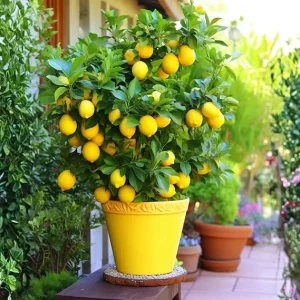
Lemon Tree Growing: Choose, Plant, and Harvest
Learn how to choose, plant, feed, and protect a lemon tree so it fits your
23
Sep
Sep
Dwarf Meyer Lemon Tree Australia: Climate Guide
Learn where dwarf Meyer lemon trees grow, how much cold they tolerate, and whether Australia,
Where to Buy a Dwarf Meyer Lemon Tree: Buyer’s Guide
Find the right dwarf Meyer lemon tree online or locally, compare starter sizes and costs,
Dwarf Meyer Lemon Tree for Sale: Buying Guide
Compare Meyer lemon tree sizes, prices, shipping limits, indoor growing and California options before you
Dwarf Meyer Lemon Tree Guide: Size, Care and Fruit
META: Learn how large a dwarf Meyer lemon tree grows, where it thrives, and how
How to Prune a Dwarf Meyer Lemon Tree
Learn when and how to prune a dwarf Meyer lemon tree, including tools, shaping cuts,
Can You Grow a Dwarf Meyer Lemon Tree in a Pot?
META: Learn how to grow a dwarf Meyer lemon tree in a pot, including container
When Do Dwarf Meyer Lemon Trees Bloom and Fruit?
META: Dwarf Meyer lemon trees usually bloom from winter through spring and may flower again