Rhubarb Bare Roots for Planting – 5 Perennial Raspberry-Red Stalks, 5-7 Inch
-50%
Rhubarb Bare Roots for Planting – 5 Perennial Raspberry-Red Stalks, 5-7 Inch
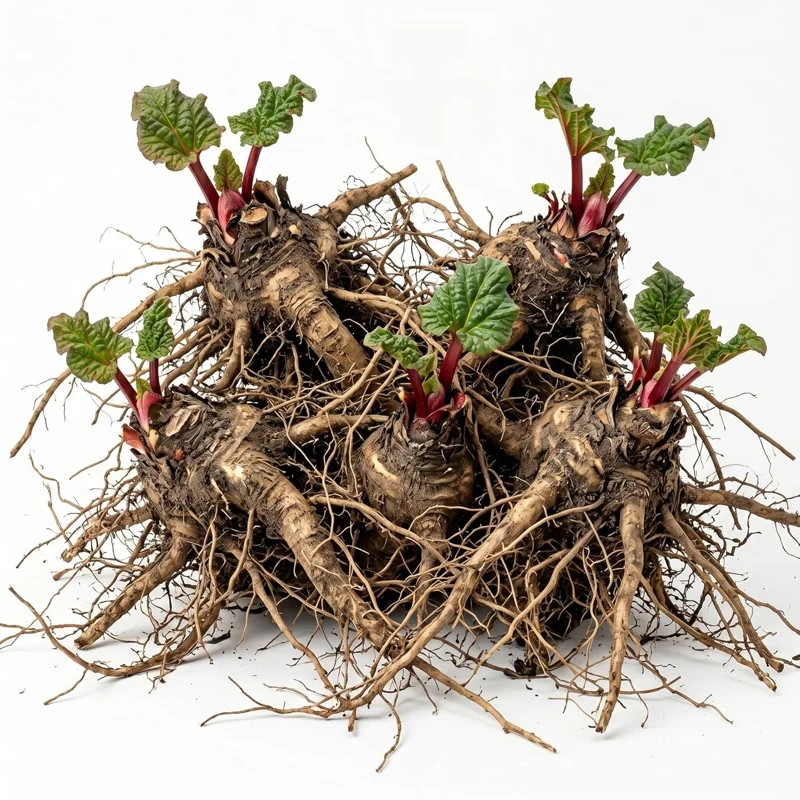
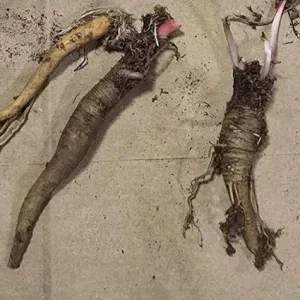
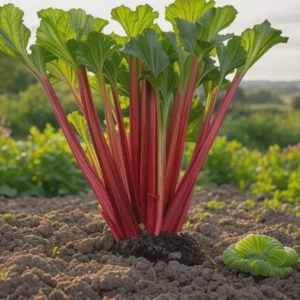
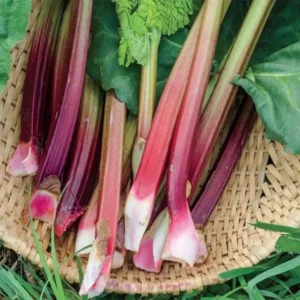
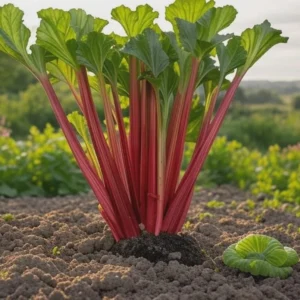
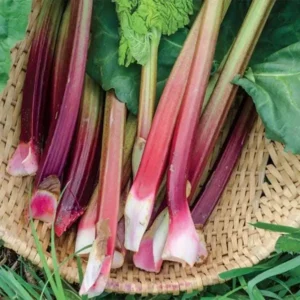
Cultivate your own flavorful harvest with these rhubarb bare roots. This package includes 5 healthy, well-rooted divisions (5-7 inches long) ready for planting. Enjoy vibrant raspberry-red stalks from these hardy, long-lived perennial plants, perfect for any garden.
Original price was: $49.92.$24.96Current price is: $24.96.

With our Alive & Thrive Guarantee, we’ve got your back for the first 30 days! If you have any concerns about your plants, just reach out to us. Our team is here to help answer your questions and guide you in selecting the best plants for your garden, climate, and unique preferences. We're excited to help you create the garden of your dreams!
Estimated arrival
Oct 07
Oct 12 - Oct 14
Oct 17 - Oct 21
Product Details
-
USDA Hardiness Zone
3-9 -
Soil type
Well-drained, fertile soil (amended clay soil) -
Sunlight Exposure
Full Sun -
Expected Planting Period
Early Spring
Overview
Embark on a rewarding gardening journey with our premium rhubarb bare roots, specifically designed for successful planting and thriving growth. This offering includes 5 robust root divisions, each measuring approximately 5-7 inches long, ensuring a strong start for your garden. Rhubarb, botanically known as Rheum rhabarbarum, is a highly valued perennial vegetable, celebrated for its tart, edible stalks. These bare roots are an excellent choice for both novice and experienced gardeners, promising a bountiful harvest year after year. Known for their striking raspberry-red stalks, these plants add both ornamental beauty and culinary delight to your outdoor space. Planting rhubarb from bare roots is a traditional and effective method, allowing the plant to establish deeply and produce vigorously.
Our carefully selected rhubarb bare roots are healthy and ready to be planted directly into your garden, offering an immediate head start compared to growing from seed. These divisions are ideal for creating a dedicated rhubarb patch, providing a continuous supply of fresh stalks for pies, crumbles, sauces, and more. Being a cold-hardy perennial, rhubarb returns reliably each spring, becoming more productive and robust with age. Invest in these high-quality bare roots to enjoy the unique flavor and vibrant color of homegrown rhubarb for many seasons to come.
Key Benefits
Growing your own rhubarb offers numerous advantages, from fresh culinary ingredients to enhancing your garden’s aesthetics. Our rhubarb bare roots provide an excellent foundation for these benefits:
- Abundant Harvest Annually: As a perennial, these rhubarb plants will return each year, producing more stalks as they mature. Enjoy a consistent supply of fresh, tart rhubarb for all your culinary needs from a single planting.
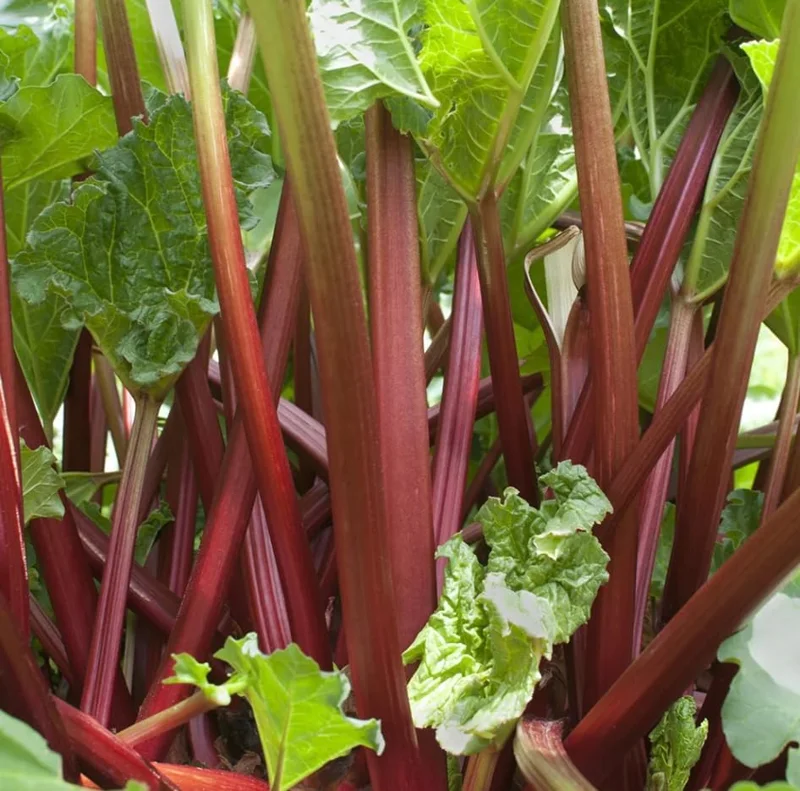
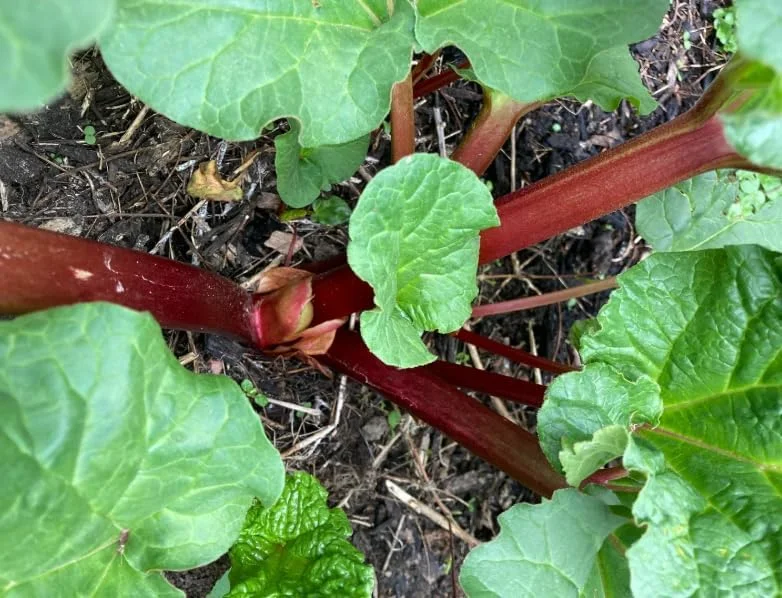
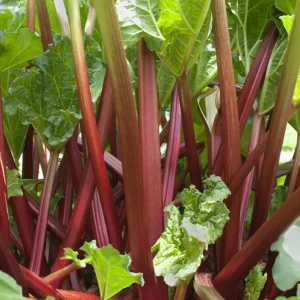
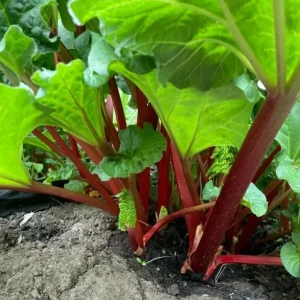
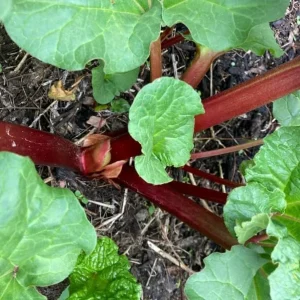
- Vibrant Raspberry-Red Stalks: Beyond their taste, these rhubarb varieties boast beautiful raspberry-red stalks, adding a striking visual element to your garden landscape. They are as appealing to the eye as they are to the palate.
- Cold-Hardy & Long-Lived: Rhubarb is exceptionally resilient to cold temperatures, making it suitable for a wide range of climates (USDA Zones 3-9). Once established, it requires minimal care and provides decades of production.
- Easy to Grow for All Skill Levels: These bare roots are straightforward to plant and establish, making them an ideal choice for beginner gardeners. With basic care, you can successfully cultivate a thriving rhubarb patch.
- Versatile Culinary Use: The tart stalks are perfect for a variety of dishes, including pies, jams, tarts, and compotes. Experience the satisfaction of cooking with fresh, homegrown ingredients.
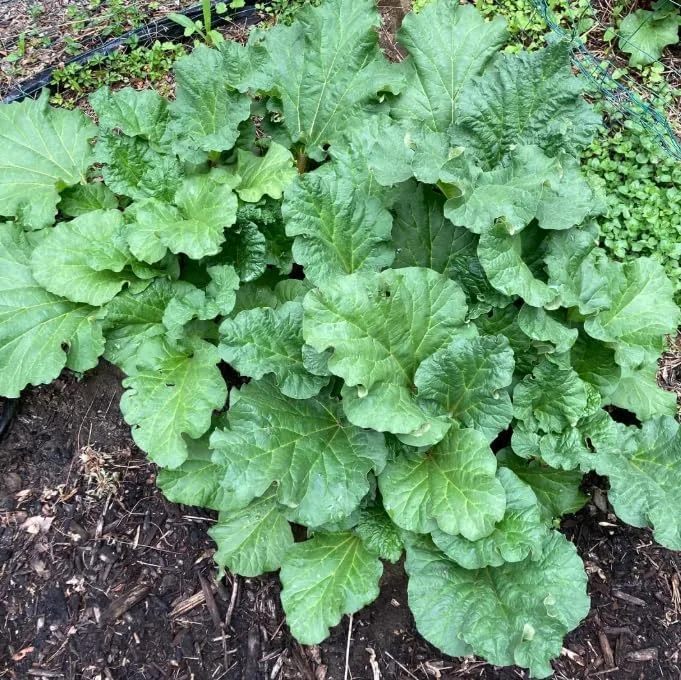
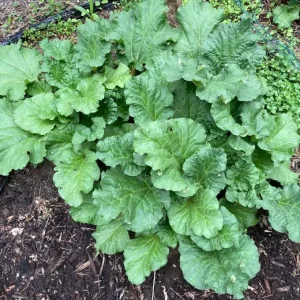
- Ornamental Garden Addition: With their large, attractive green leaves and bold red stalks, rhubarb plants contribute significant visual interest to garden beds and borders, blending beauty with utility.
Plant Care & Growing Tips
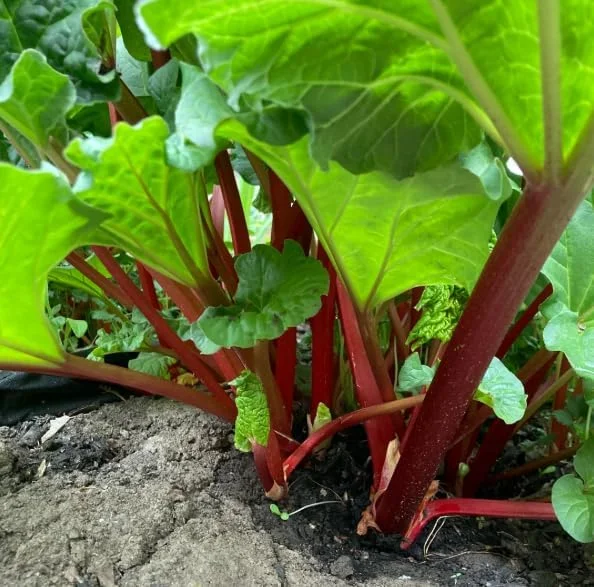
Successfully growing rhubarb bare roots requires attention to a few key factors to ensure healthy and productive plants. Rhubarb thrives in full sun, ideally receiving at least 6-8 hours of direct sunlight per day. While it can tolerate partial shade, consistent sun exposure promotes larger, more flavorful stalks. Plant the bare roots in early spring as soon as the soil can be worked. Dig a hole large enough to accommodate the roots, spreading them out. The crown (the point where the stems emerge) should be just below the soil surface, about 1-2 inches deep.
Rhubarb prefers well-drained, fertile soil rich in organic matter. A clay soil that has been amended with compost or well-rotted manure works well. Ensure good drainage to prevent root rot. Water thoroughly after planting and keep the soil consistently moist, especially during dry periods. Avoid overwatering, as soggy conditions can harm the roots. Once established, rhubarb is relatively drought-tolerant but will perform best with regular moisture. Fertilize in early spring with a balanced organic fertilizer or a layer of compost around the base of the plant. Avoid harvesting stalks in the first year to allow the plant to establish a strong root system; harvest lightly in the second year, and fully from the third year onwards. Remove any flower stalks that emerge to direct the plant’s energy into stalk production. Understanding how to grow rhubarb successfully will lead to years of delicious harvests.
Size & Details
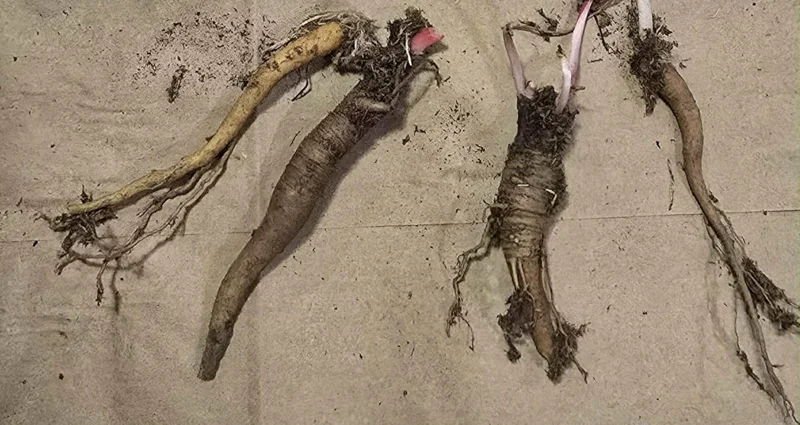
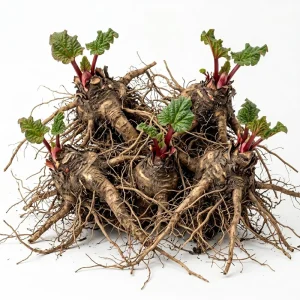
This offering includes 5 individual rhubarb bare roots, each a healthy root division (tuber) approximately 5-7 inches long. These are robust, viable planting stocks ready to be established in your garden. When mature, these perennial rhubarb plants can reach an average height of about 4 feet, with a similar spread, creating a substantial and attractive presence in your landscape. They are shipped as bare roots, meaning they arrive without soil or foliage, ready for immediate planting upon arrival. The expected plant height of 4 feet is typically achieved within a few years of establishment, with productive harvesting beginning from the second or third year. These long-lived plants will continue to grow and produce for many decades under proper care.
Frequently Asked Questions
- Q: How big do these rhubarb bare roots get when mature? A: Once established, these rhubarb plants typically grow to an average height of about 4 feet tall and can spread similarly wide, forming a substantial clump in your garden. They become more robust with age.
- Q: What is the best time for planting rhubarb? A: The ideal time to plant your rhubarb bare roots is in early spring, as soon as the soil is workable after the last frost. This allows the plant ample time to establish its root system before the heat of summer.
- Q: Is this an indoor or outdoor plant? A: Rhubarb is an outdoor perennial plant, designed to be grown directly in the garden. It is not suitable for indoor cultivation due to its size and specific light and temperature requirements.
- Q: How much sunlight does rhubarb need? A: For optimal growth and stalk production, rhubarb requires full sun exposure, meaning at least 6-8 hours of direct sunlight per day. It can tolerate partial shade but may produce smaller stalks.
- Q: Is planting rhubarb difficult for beginners? A: No, planting rhubarb from bare roots is generally considered easy and is suitable for beginner gardeners. With basic care regarding sun, soil, and watering, these plants are quite forgiving and productive.
- Q: What condition will the bare roots arrive in? A: Your rhubarb bare roots will arrive as healthy, dormant root divisions (tubers) without foliage or soil, carefully packaged for safe transport. They should be planted promptly upon receipt.
- Q: How long until I can harvest red rhubarb stalks? A: It’s recommended not to harvest any stalks in the first year to allow the plant to establish. You can begin light harvesting in the second year, and a full harvest of delicious red rhubarb stalks from the third year onwards.
- Q: What USDA Hardiness Zone is suitable for these rhubarb plants? A: These rhubarb plants are cold-hardy and thrive in USDA Hardiness Zones 3 through 9, making them suitable for a wide range of climates across the United States.
- Q: What kind of soil is best for growing rhubarb? A: Rhubarb prefers well-drained, fertile soil that is rich in organic matter. Amending clay soil with compost or well-rotted manure will create an ideal growing environment.
- Q: Can I use the leaves of the rhubarb plant? A: No, only the stalks of rhubarb are edible. The leaves contain high levels of oxalic acid and are toxic if ingested. Always discard the leaves safely.
Related products
-20%
Original price was: $28.00.$22.40Current price is: $22.40.
-20%
Original price was: $36.00.$28.80Current price is: $28.80.
-50%

Original price was: $59.96.$29.98Current price is: $29.98.
-78%
Original price was: $39.99.$8.99Current price is: $8.99.
-20%
Original price was: $100.00.$80.00Current price is: $80.00.
-20%
Original price was: $36.00.$28.80Current price is: $28.80.
-20%
Original price was: $70.00.$56.00Current price is: $56.00.
-20%
Original price was: $17.00.$13.60Current price is: $13.60.
PLANTING & CARE
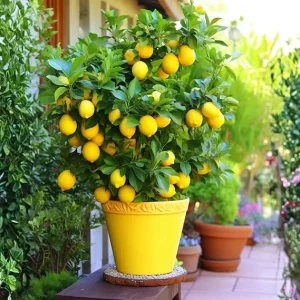
Lemon Tree Growing: Choose, Plant, and Harvest
Learn how to choose, plant, feed, and protect a lemon tree so it fits your
23
Sep
Sep
Dwarf Meyer Lemon Tree Australia: Climate Guide
Learn where dwarf Meyer lemon trees grow, how much cold they tolerate, and whether Australia,
Where to Buy a Dwarf Meyer Lemon Tree: Buyer’s Guide
Find the right dwarf Meyer lemon tree online or locally, compare starter sizes and costs,
Dwarf Meyer Lemon Tree for Sale: Buying Guide
Compare Meyer lemon tree sizes, prices, shipping limits, indoor growing and California options before you
Dwarf Meyer Lemon Tree Guide: Size, Care and Fruit
META: Learn how large a dwarf Meyer lemon tree grows, where it thrives, and how
How to Prune a Dwarf Meyer Lemon Tree
Learn when and how to prune a dwarf Meyer lemon tree, including tools, shaping cuts,
Can You Grow a Dwarf Meyer Lemon Tree in a Pot?
META: Learn how to grow a dwarf Meyer lemon tree in a pot, including container
When Do Dwarf Meyer Lemon Trees Bloom and Fruit?
META: Dwarf Meyer lemon trees usually bloom from winter through spring and may flower again