5 Red Rhubarb Crowns for Planting – Hardy Perennial Tubers, 5-7 Inch Long
-36%
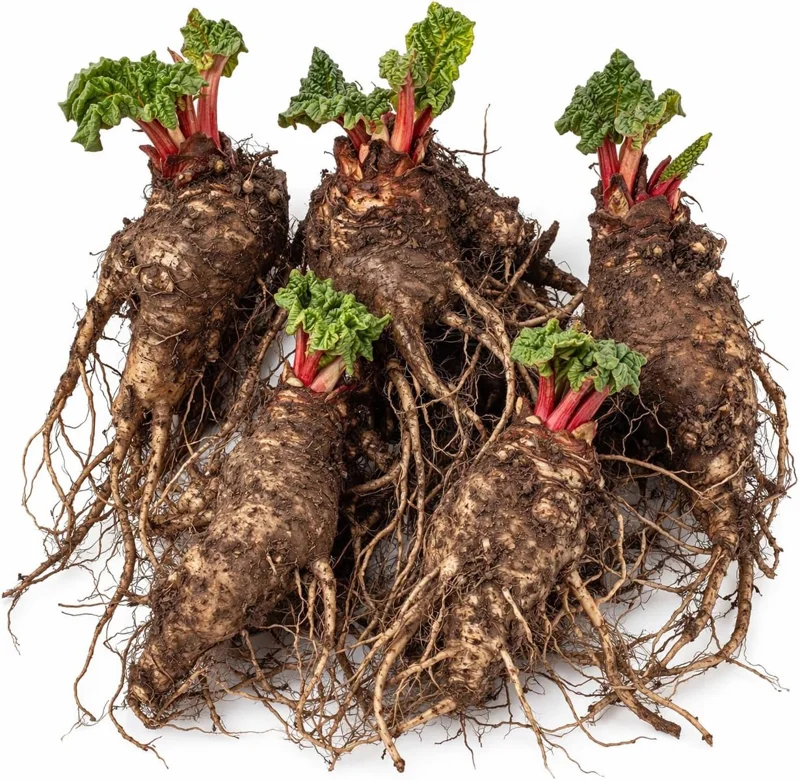
5 Red Rhubarb Crowns for Planting – Hardy Perennial Tubers, 5-7 Inch Long
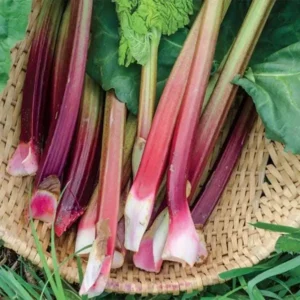
Cultivate delicious, sweet-tart stalks with this pack of 5 red rhubarb crowns. These hardy, long-lived perennial tubers are ready for planting, offering both ornamental beauty and culinary value to your garden. Ideal for beginners, they’re easy to grow and become more productive each year.
Original price was: $49.98.$31.99Current price is: $31.99.

With our Alive & Thrive Guarantee, we’ve got your back for the first 30 days! If you have any concerns about your plants, just reach out to us. Our team is here to help answer your questions and guide you in selecting the best plants for your garden, climate, and unique preferences. We're excited to help you create the garden of your dreams!
Estimated arrival
Oct 07
Oct 12 - Oct 14
Oct 17 - Oct 21
Product Details
-
USDA Hardiness Zone
3-9 -
Soil type
Well-drained, fertile soil -
Sunlight Exposure
Full sun to partial shade -
Expected Planting Period
Early spring
Overview
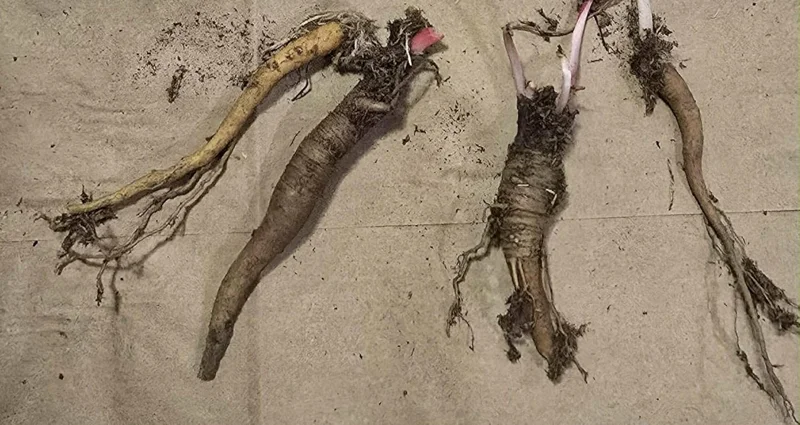
Embark on a rewarding gardening journey with our premium selection of red rhubarb crowns. This offering includes five healthy, viable root divisions, often referred to as tubers, each measuring approximately 5–7 inches long. Rhubarb is a beloved perennial vegetable, cherished for its distinctive sweet-tart stalks that are perfect for pies, crumbles, jams, and more. Unlike many garden plants that require annual replanting, these hardy rhubarb plants establish themselves and return year after year, growing more robust and productive with each passing season. They are an excellent choice for both novice and experienced gardeners seeking a low-maintenance, high-yield addition to their edible landscape. These crowns are carefully selected to ensure strong growth and bountiful harvests, providing you with fresh, homegrown rhubarb for years to come.
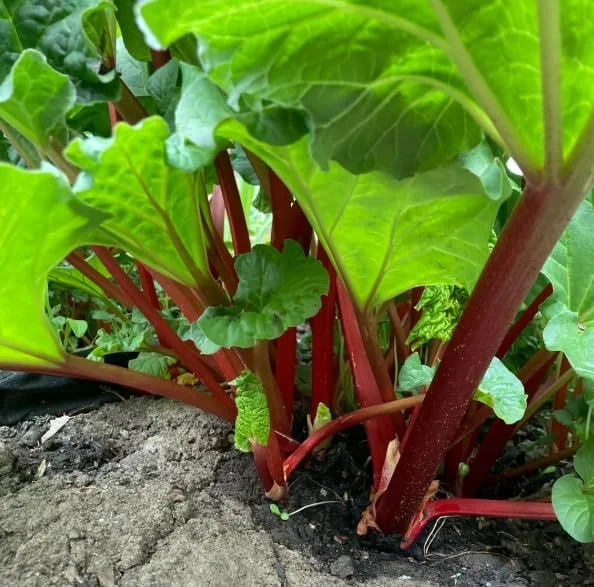
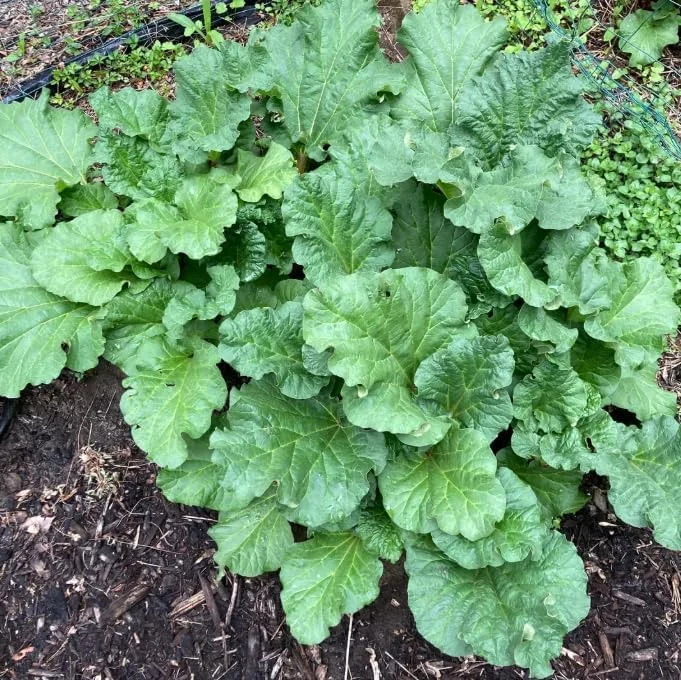
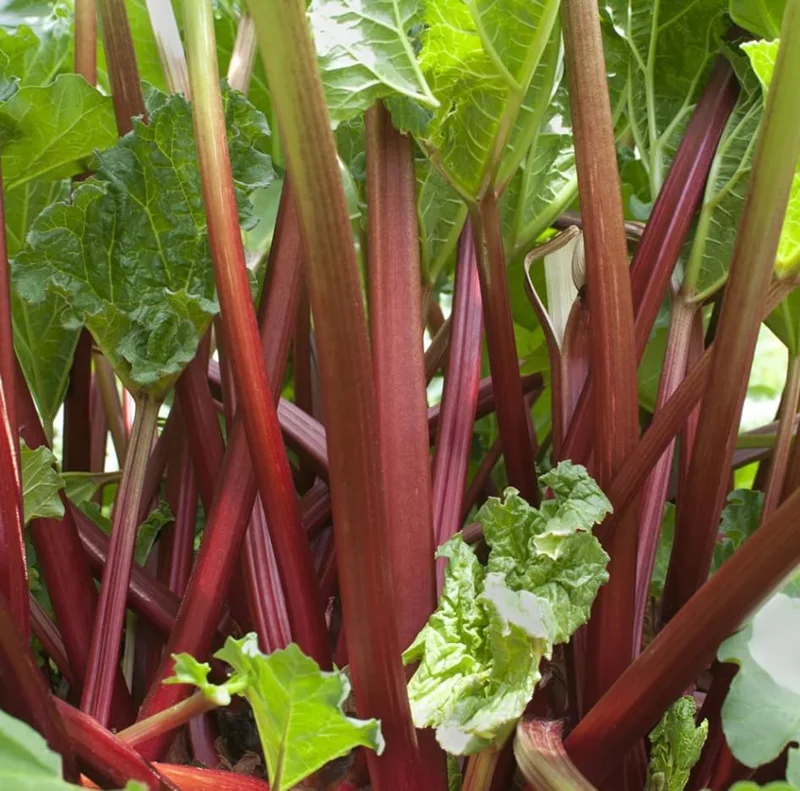
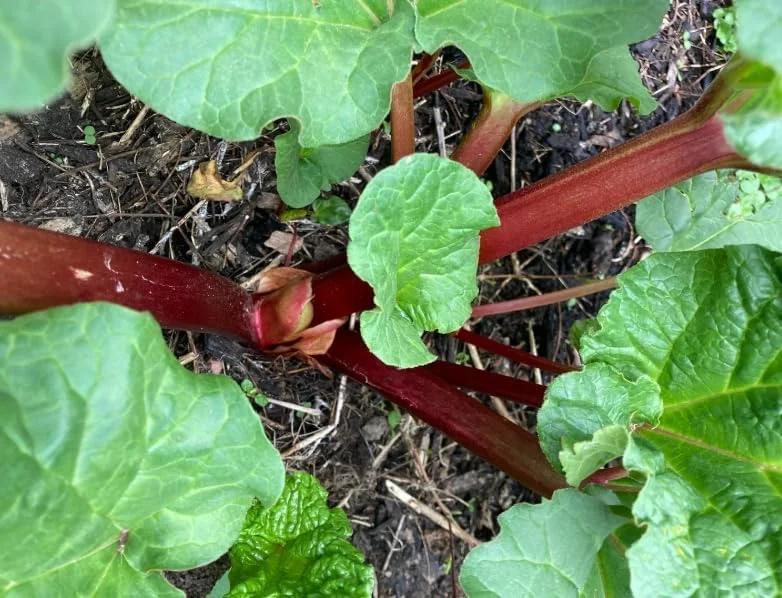
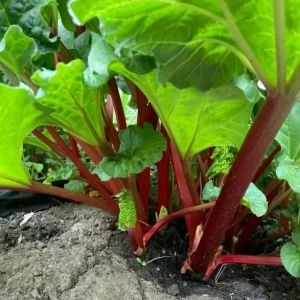
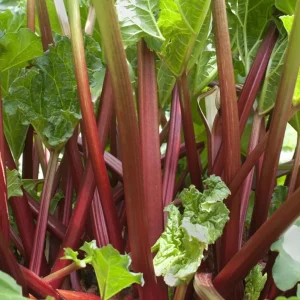
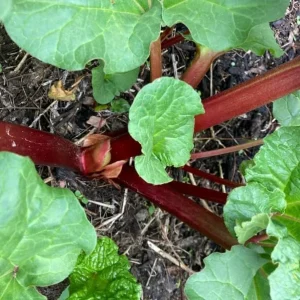
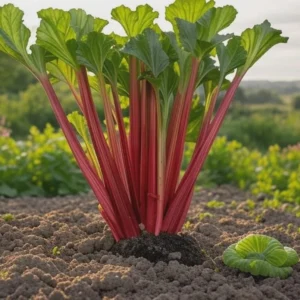
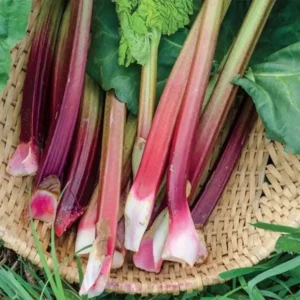
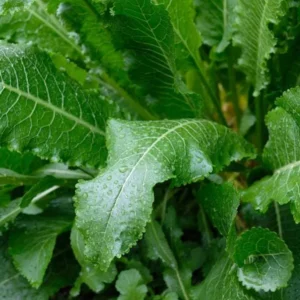
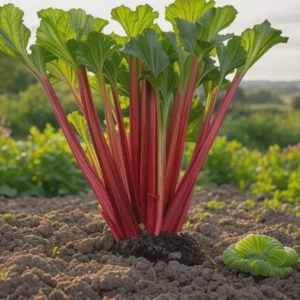
The beauty of growing your own sweet-tart rhubarb extends beyond its culinary uses. With its large, attractive green leaves and bold red stalks, rhubarb also adds significant visual interest to garden beds and borders, making it a dual-purpose plant. Our crowns are specifically chosen for their hardiness, ensuring they can withstand a wide range of climates and thrive in various garden settings. Get ready to enjoy the satisfaction of harvesting your own vibrant rhubarb, straight from your backyard.
Key Benefits
Integrating red rhubarb crowns into your garden offers a multitude of advantages, from culinary delights to aesthetic appeal and ease of cultivation. These benefits make them a highly desirable choice for any home gardener.
- Long-Lived Perennial: Rhubarb is a truly hardy and enduring plant. Once established, it will return year after year, becoming increasingly productive and robust. This means less work for you and more delicious harvests over time, making it an excellent investment for your garden.
- Sweet-Tart Stalks for Culinary Use: The primary appeal of rhubarb lies in its versatile stalks. Known for their unique sweet-tart flavor, they are perfect for a wide array of culinary creations, including pies, tarts, sauces, jams, and even savory dishes. Enjoy fresh, homegrown rhubarb right from your garden.
- Easy to Grow for All Skill Levels: These planting rhubarb tubers are remarkably easy to cultivate, making them an ideal choice for beginner gardeners. They require minimal fuss once established, thriving with basic care and providing a rewarding yield with little effort.
- Ornamental Garden Addition: Beyond its edible value, rhubarb boasts significant ornamental qualities. Its large, lush green leaves and striking red stalks create an eye-catching display, adding texture and vibrant color to garden beds, borders, or even large containers.
- Cold Hardy & Resilient: Rhubarb is renowned for its cold hardiness, thriving in a wide range of USDA zones (3-9). This resilience ensures that your plants can withstand harsh winter conditions and bounce back vigorously each spring, providing consistent harvests.
- Healthy, Viable Planting Stock: Each purchase includes five healthy root divisions, ready to plant and grow. These tubers are carefully inspected to ensure they are robust and primed for successful establishment in your garden, giving you the best start possible.
Plant Care & Growing Tips
Successfully growing perennial rhubarb is straightforward, especially when you understand its basic needs. Rhubarb thrives in full sun to partial shade, meaning it prefers at least 6-8 hours of direct sunlight per day. While it can tolerate some afternoon shade, particularly in hotter climates, ample sunlight is crucial for developing strong, flavorful stalks. When selecting a planting site, ensure it’s well-drained and has good air circulation to prevent fungal issues. Rhubarb is a heavy feeder, so preparing the soil is key.
Rhubarb prefers well-drained, fertile soil rich in organic matter. While the input mentions clay soil, it’s best to amend heavy clay soils with compost, well-rotted manure, or other organic materials to improve drainage and fertility. A slightly acidic to neutral pH (6.0-6.8) is ideal. Water newly planted crowns regularly to keep the soil consistently moist but not waterlogged. Once established, rhubarb is fairly drought-tolerant but will benefit from consistent moisture during dry spells, especially when stalks are developing. Fertilize in early spring with a balanced organic fertilizer or a good layer of compost around the base of the plant to encourage vigorous growth. Avoid harvesting stalks in the first year to allow the plant to establish a strong root system. In subsequent years, harvest stalks when they are 10-15 inches long by pulling (not cutting) them from the base. Remember, only the stalks are edible; the leaves contain oxalic acid and are toxic.
Rhubarb is highly cold-hardy, thriving in USDA Hardiness Zones 3-9. It requires a cold dormancy period to produce well, making it unsuitable for very warm climates. Protect plants from extreme heat during summer by ensuring adequate moisture. Common problems include crown rot in poorly drained soil and rhubarb curculio, a beetle that bores into stalks. Good cultural practices, like proper drainage and garden hygiene, are the best defense. By following these guidelines, your hardy rhubarb plant will provide abundant harvests for many years.
Size & Details
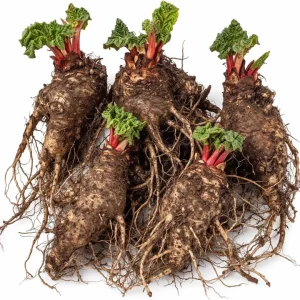
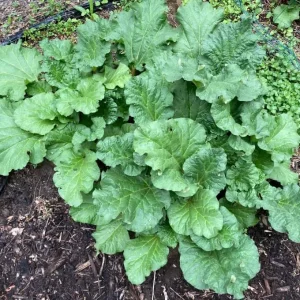
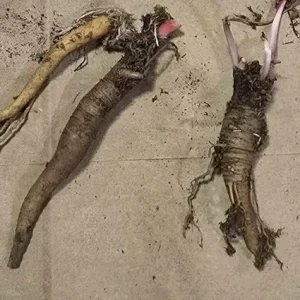
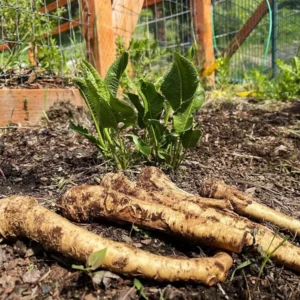
This offering includes 5 red rhubarb crowns, which are robust root divisions, each typically measuring between 5–7 inches in length. These are bare-root tubers, meaning they arrive without soil, ready for immediate planting. When mature, an established rhubarb plant can reach an impressive height of approximately 4 feet, with a similar spread, creating a substantial presence in the garden. The large, attractive leaves can be quite broad, providing excellent ground cover.
Rhubarb is a slow-growing perennial in its first year as it focuses on establishing a strong root system. You can expect your plants to begin producing harvestable stalks from the second year onwards, with peak production typically occurring in the third to fifth years. These crowns are designed for outdoor cultivation, thriving best when given ample space to expand. They will develop into mature plants that offer continuous harvests for decades with proper care, making them a long-term asset to your edible garden. The vibrant red stalks contrast beautifully with the deep green foliage, enhancing your garden’s aesthetic while providing a delicious and versatile ingredient for your kitchen. This pack is perfect for starting a new rhubarb patch or expanding an existing one, ensuring a plentiful supply of sweet-tart rhubarb for all your culinary needs.
Frequently Asked Questions
- Q: How big do these rhubarb plants get? A: Once mature, a hardy rhubarb plant can reach an impressive height of about 4 feet, with a similar spread. The plants will grow quite large, so ensure they have adequate space in your garden.
- Q: What size are the rhubarb crowns when they arrive? A: You will receive 5 red rhubarb crowns, which are root divisions, each approximately 5–7 inches long. These are bare-root tubers, ready for planting immediately upon arrival.
- Q: Is this an indoor or outdoor plant? A: Rhubarb is an outdoor perennial plant. It requires a cold dormancy period to thrive and produce well, making it unsuitable for indoor cultivation.
- Q: How much sunlight does it need? A: Rhubarb prefers full sun to partial shade. Aim for at least 6-8 hours of direct sunlight per day for the best growth and stalk development.
- Q: Is this plant easy to care for? A: Yes, growing perennial rhubarb is considered easy once established. It’s a low-maintenance plant, making it suitable for beginner gardeners. It primarily needs good soil, adequate sunlight, and consistent moisture.
- Q: What condition will it arrive in? A: Your rhubarb crowns will arrive as healthy, viable bare-root tubers, carefully packaged to ensure they are ready for planting. They will not be in soil or a pot.
- Q: Can I use the leaves of the rhubarb plant? A: No, only the stalks of the rhubarb plant are edible. The leaves contain high levels of oxalic acid and are toxic if consumed.
- Q: When is the best time to plant these rhubarb tubers? A: The best time to plant planting rhubarb tubers is in early spring as soon as the soil can be worked. Fall planting is also possible in milder climates.
- Q: Will it survive winter in my zone? A: Rhubarb is extremely cold-hardy and thrives in USDA Zones 3-9. It requires a cold winter dormancy for optimal production, so it will typically survive and return year after year in these zones.
- Q: How long until I can harvest the rhubarb stalks? A: It’s recommended not to harvest any stalks in the first year to allow the plant to establish a strong root system. You can begin light harvesting in the second year, with full production from the third year onwards.
Related products
-20%
Original price was: $84.00.$67.20Current price is: $67.20.
-20%
Original price was: $36.00.$28.80Current price is: $28.80.
-20%
Original price was: $36.00.$28.80Current price is: $28.80.
-22%
Original price was: $160.99.$125.99Current price is: $125.99.
-20%
Original price was: $120.00.$96.00Current price is: $96.00.
-20%
Original price was: $36.00.$28.80Current price is: $28.80.
-78%
Original price was: $39.99.$8.99Current price is: $8.99.
-20%
Original price was: $100.00.$80.00Current price is: $80.00.
PLANTING & CARE
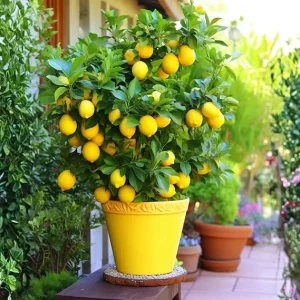
Lemon Tree Growing: Choose, Plant, and Harvest
Learn how to choose, plant, feed, and protect a lemon tree so it fits your
23
Sep
Sep
Dwarf Meyer Lemon Tree Australia: Climate Guide
Learn where dwarf Meyer lemon trees grow, how much cold they tolerate, and whether Australia,
Where to Buy a Dwarf Meyer Lemon Tree: Buyer’s Guide
Find the right dwarf Meyer lemon tree online or locally, compare starter sizes and costs,
Dwarf Meyer Lemon Tree for Sale: Buying Guide
Compare Meyer lemon tree sizes, prices, shipping limits, indoor growing and California options before you
Dwarf Meyer Lemon Tree Guide: Size, Care and Fruit
META: Learn how large a dwarf Meyer lemon tree grows, where it thrives, and how
How to Prune a Dwarf Meyer Lemon Tree
Learn when and how to prune a dwarf Meyer lemon tree, including tools, shaping cuts,
Can You Grow a Dwarf Meyer Lemon Tree in a Pot?
META: Learn how to grow a dwarf Meyer lemon tree in a pot, including container
When Do Dwarf Meyer Lemon Trees Bloom and Fruit?
META: Dwarf Meyer lemon trees usually bloom from winter through spring and may flower again