Sapodilla ‘Excalibur’ Tropical Fruit Tree Live Plant, 6-8″ Tall Seedling, 2.5″ Pot
-50%
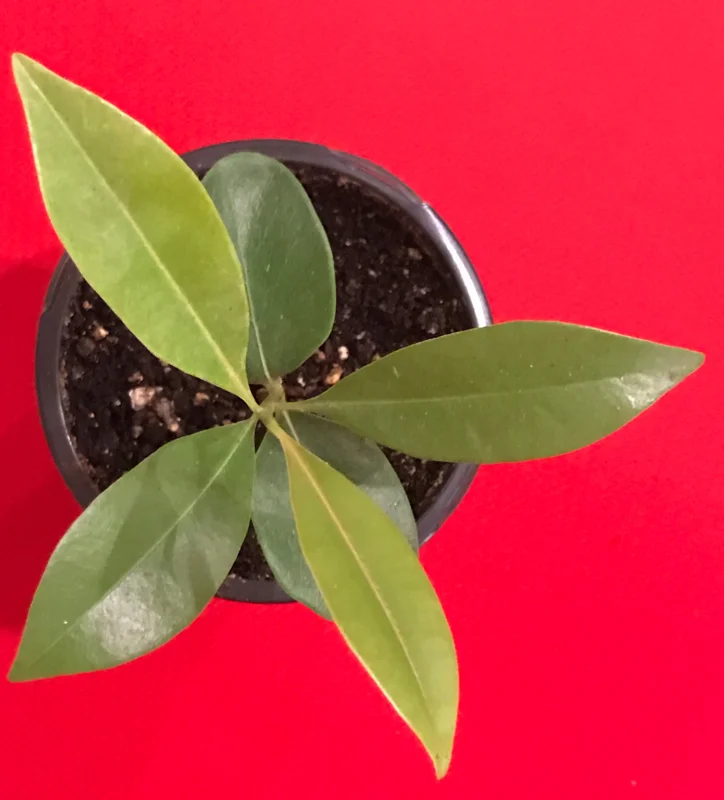
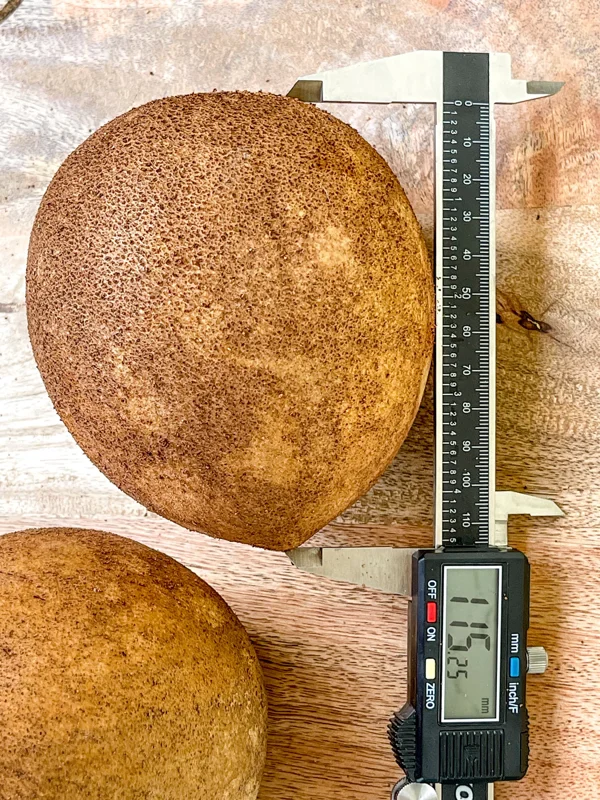
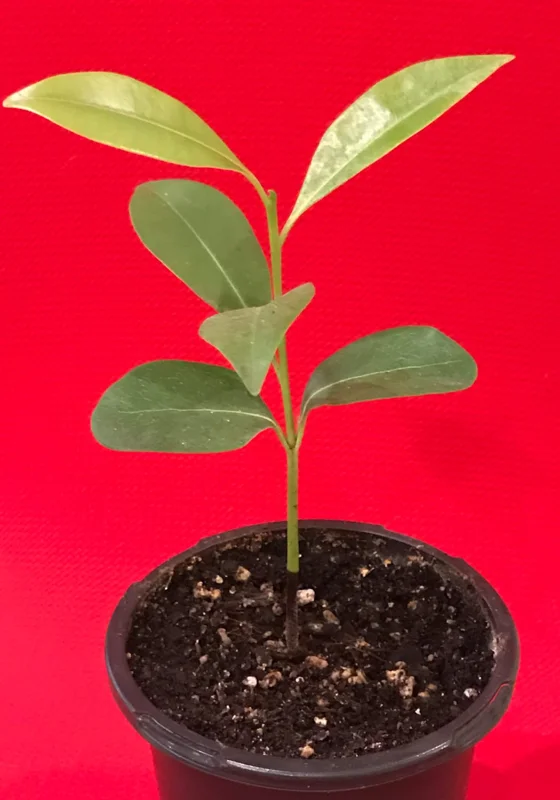
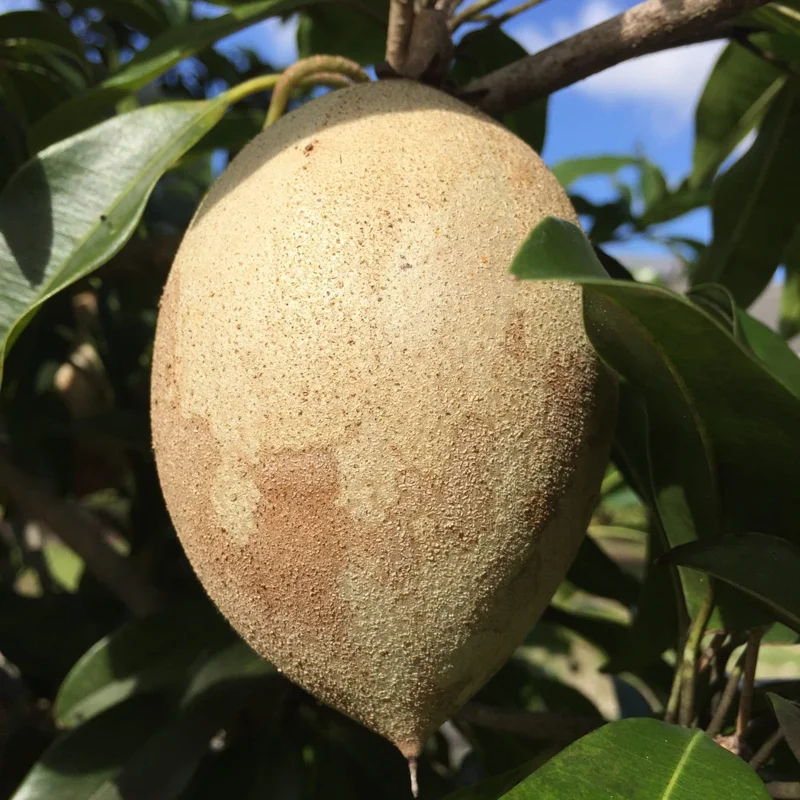
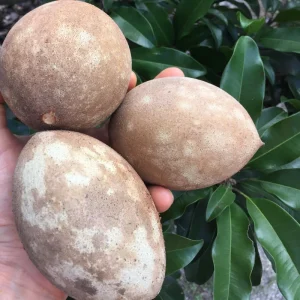
Sapodilla ‘Excalibur’ Tropical Fruit Tree Live Plant, 6-8″ Tall Seedling, 2.5″ Pot
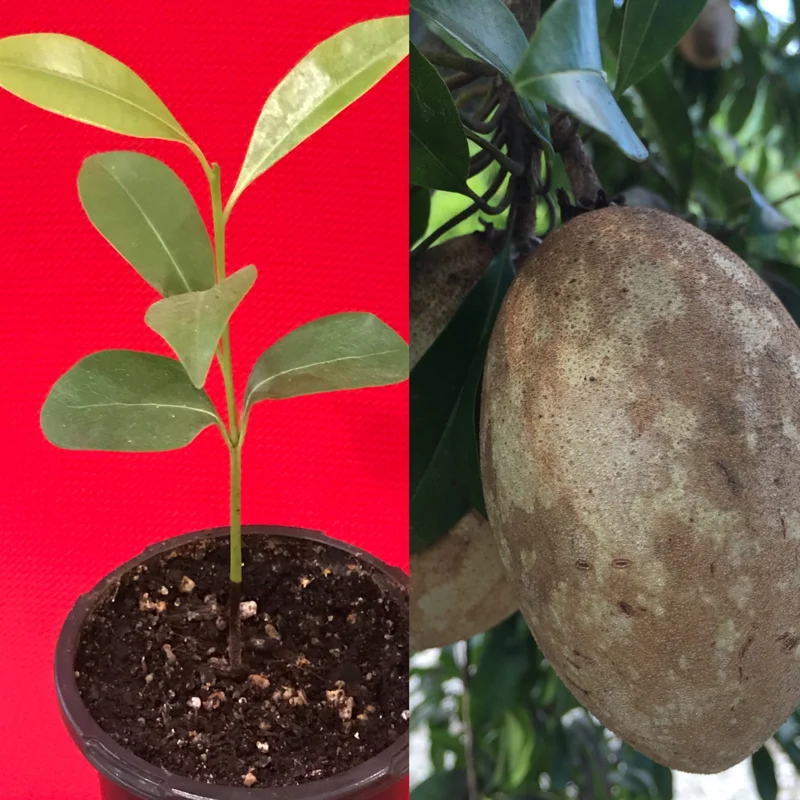
Grow your own delicious tropical fruits with this Sapodilla live plant, ‘Excalibur’ variety. This starter seedling is 6-8 inches tall and comes in a 2.5-inch pot, perfect for establishing in warm climates. Enjoy sweet, tasty fruits from this beautiful evergreen tree.
Original price was: $48.42.$24.21Current price is: $24.21.

With our Alive & Thrive Guarantee, we’ve got your back for the first 30 days! If you have any concerns about your plants, just reach out to us. Our team is here to help answer your questions and guide you in selecting the best plants for your garden, climate, and unique preferences. We're excited to help you create the garden of your dreams!
Estimated arrival
Mar 31
Apr 05 - Apr 07
Apr 10 - Apr 14
Product Details
-
USDA Hardiness Zone
USDA zones 9-11 -
Soil type
Well-draining, loamy soil -
Sunlight Exposure
Full sun -
Expected Planting Period
Year-round in tropical/subtropical climates, spring in temperate zones
Overview
Introducing the extraordinary Sapodilla live plant, specifically the highly sought-after ‘Excalibur’ variety. This tropical fruit tree, also known by its botanical name Manilkara zapota or common name Chiku, is renowned for producing exceptionally large and sweet fruits. Originating from southern Mexico, Central America, and the Caribbean, Sapodilla trees are long-lived evergreens that can add significant ornamental value to your landscape. This offering is for a healthy seedling starter plant, carefully grown to provide a foundation for your future fruit-bearing tree. The ‘Excalibur’ variety is celebrated among growers for its superior taste and fruit quality, making it a prized addition for any tropical fruit enthusiast or gardener looking to cultivate unique and delicious produce.
The Excalibur Sapodilla tree is a medium to large tree with a distinctive pyramidal to rounded canopy that slowly matures over many years. While young trees are sensitive to cold, mature Sapodilla trees exhibit a remarkable resilience, capable of withstanding brief periods of temperatures as low as 26°F (-3°C) without significant damage. This makes them a viable option for subtropical regions with occasional mild frosts. With proper care and a suitable climate, your Sapodilla plant will thrive, eventually rewarding you with a bounty of its unique, sweet fruit.
Key Benefits
Cultivating a Sapodilla live plant offers a multitude of benefits, from its delicious fruit to its aesthetic appeal in the landscape. This ‘Excalibur’ variety is particularly advantageous for its high-quality produce and robust growth characteristics. Enjoy the following advantages:
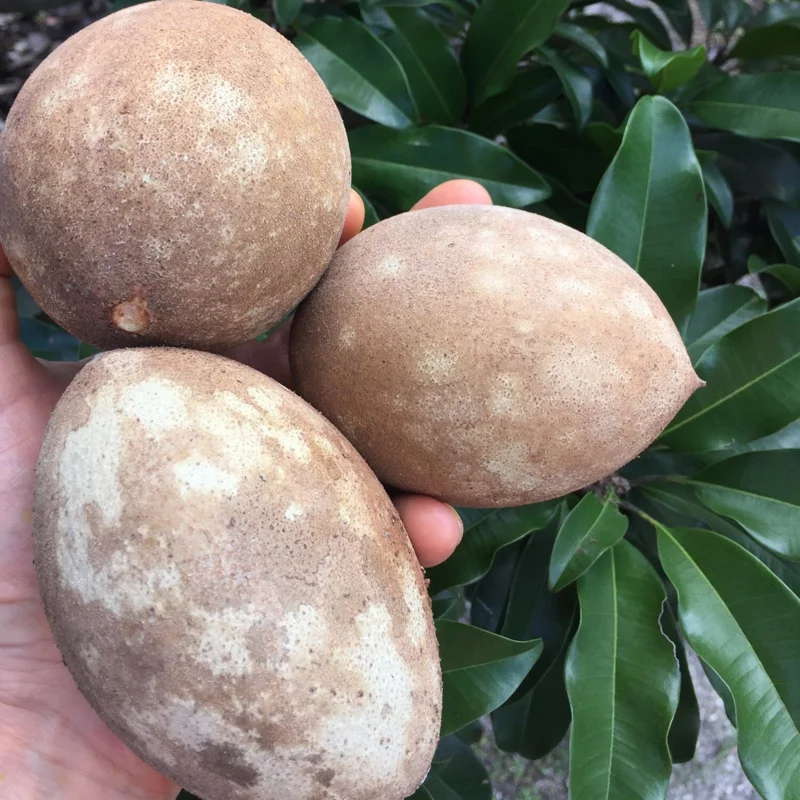
- Exceptional Fruit Quality: The ‘Excalibur’ variety is celebrated for producing very large, incredibly sweet, and tasty fruits, distinguishing it from other Sapodilla types. The brownish-red pulp is a true tropical delight.
- Ornamental Value: Beyond its fruit, the Sapodilla tree boasts attractive evergreen foliage and a stately pyramidal to rounded canopy, making it a beautiful landscaping specimen for tropical and subtropical gardens.
- Long-Lived & Hardy: These trees are known for their longevity, providing decades of enjoyment and fruit production. Mature trees also show impressive resilience to cooler temperatures compared to young seedlings.
- Drought Tolerance: While young plants need regular watering, mature Manilkara zapota plant specimens are quite tolerant of dry soil conditions, requiring less frequent irrigation once established, especially for landscaping purposes.
- Organic Growth: These particular seedlings are grown organically, ensuring you receive a healthy plant free from harsh chemicals and ready for natural cultivation in your garden.
- Unique Tropical Addition: Bring an exotic touch to your home garden with this less common but highly rewarding tropical fruit tree, offering a taste of the Caribbean and Central America.
- Sustainable Food Source: Growing your own Chiku fruit tree provides a sustainable source of fresh, organic, and highly nutritious fruit right from your backyard.
Plant Care & Growing Tips
Caring for your Sapodilla live plant requires attention, especially during its seedling stage, to ensure successful establishment and future fruit production. Young Sapodilla trees thrive in subtropical and tropical climates. For optimal growth, provide a location with full sun exposure, ideally 6-8 hours of direct sunlight daily. While mature trees tolerate dry conditions, young plants need consistent moisture. Water periodically during dry spells to prevent defoliation and decline. Ensure the soil is well-draining to avoid root rot; a loamy or sandy loam soil enriched with organic matter is ideal. The USDA hardiness zone for young Sapodilla is generally 9-11, as they are sensitive to temperatures below 40°F (5°C) and can be severely damaged or killed below 30-32°F (-1 to 0°C).
Fertilization should begin once the seedling is established and actively growing. Use a balanced slow-release fertilizer formulated for tropical fruit trees, following the product’s instructions. Protect young plants from extreme cold, strong winds, and intense direct sun immediately after shipping. Allow them to acclimate gradually to outdoor conditions. When planting your Excalibur Sapodilla tree in the garden, choose a site that offers protection from cold winds if possible. Mature trees can withstand temperatures down to 26°F (-3°C) for a few hours, but prolonged cold should be avoided. Regular irrigation during flowering and fruiting periods is recommended for optimum fruit quality and yield, even for established trees.
Pruning is generally minimal for Manilkara zapota plant, focusing on shaping the tree and removing any dead or diseased branches. Pay attention to common pests and diseases, though Sapodilla trees are relatively resistant. Good air circulation and proper watering practices can help prevent most issues. Remember that trees grown from seeds may not be identical to the parent tree in all characteristics, but the ‘Excalibur’ variety is known for its consistent high-quality fruit from seed-grown plants. This ensures you’ll eventually enjoy a delicious harvest from your efforts in growing this wonderful tropical fruit tree.
Size & Details
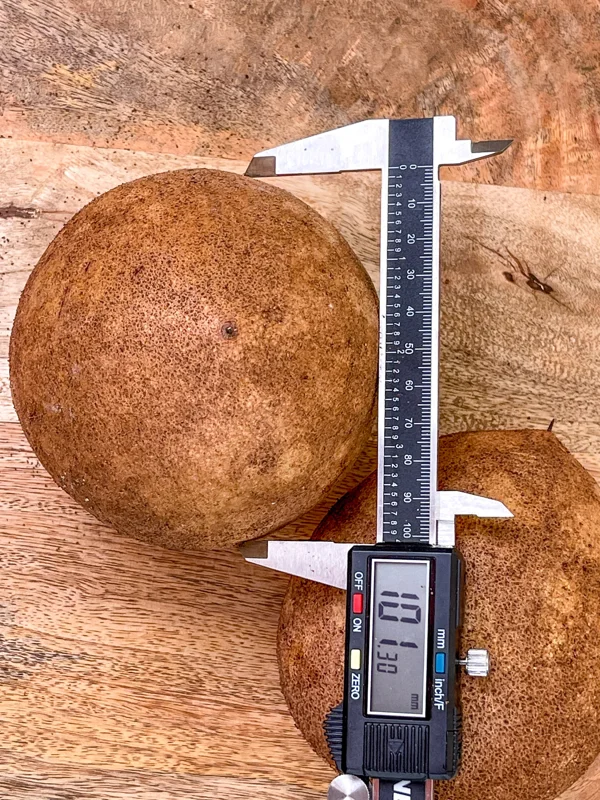
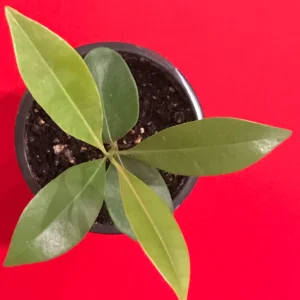
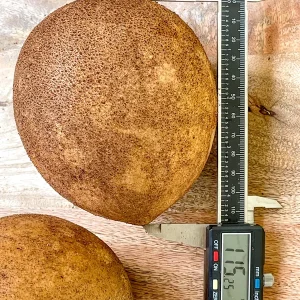
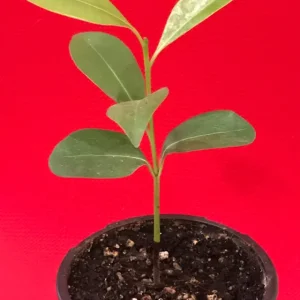
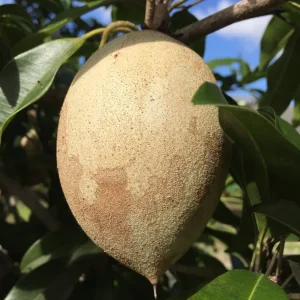
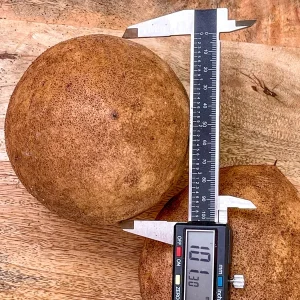
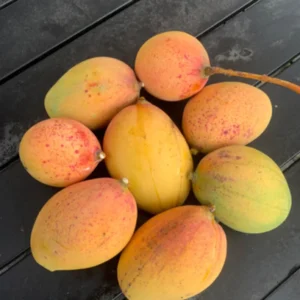
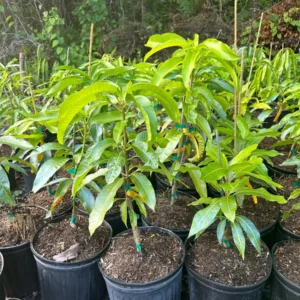
You are acquiring a robust Sapodilla live plant seedling, which measures approximately 6-8 inches tall from the top of the soil, not including the pot height. Each seedling is carefully grown in a 2.5-inch square pot, providing a strong root system for easy transplanting. These are starter plants, ready to be nurtured into mature fruit-bearing trees. The ‘Excalibur’ variety is known for its vigorous growth once established in a suitable climate. While initial growth may be slow, these long-lived trees can eventually reach impressive heights of 60 to 100 feet in their native environments, though they can be managed to a smaller size in home landscapes through pruning. The fruit itself is an edible berry, typically oval-shaped or conical, measuring 3 to 4 inches (7-10 cm) in diameter and weighing between 5 oz to 1 lb. Expect fruit production to begin several years after planting, depending on growing conditions and care. This Chiku fruit tree will be shipped as a potted plant, ensuring minimal stress during transit and a smooth transition to its new home.
Frequently Asked Questions
- Q: How big does this Sapodilla live plant get? A: This starter seedling is 6-8 inches tall. Mature Sapodilla trees can reach 60-100 feet in height over many years, but they can be kept smaller with proper pruning in home gardens.
- Q: What size pot does it come in? A: The Sapodilla live plant arrives in a 2.5-inch square pot, providing a healthy root system for immediate planting or repotting.
- Q: Is this an indoor or outdoor plant? A: The Excalibur Sapodilla tree is primarily an outdoor tropical fruit tree, suitable for USDA Zones 9-11. Young plants can be grown indoors in a bright, warm location, especially in colder climates, but will eventually need to be moved outdoors or into a large greenhouse for optimal growth and fruiting.
- Q: How much sunlight does it need? A: Sapodilla trees require full sun, meaning at least 6-8 hours of direct sunlight per day, for best growth and fruit production.
- Q: Is this plant easy to care for? A: While young seedlings require protection from extreme temperatures and consistent watering, mature Manilkara zapota plant trees are relatively low-maintenance and tolerant of dry conditions once established.
- Q: What condition will it arrive in? A: Your plant will arrive as a healthy, potted seedling, carefully packaged to ensure its safety during transit. Follow the provided acclimation instructions upon arrival.
- Q: How long until it produces fruit? A: Sapodilla trees grown from seed typically begin to bear fruit in 3-5 years, though this can vary based on growing conditions and climate.
- Q: Can I grow this tropical fruit tree in a container? A: Yes, a tropical fruit tree like Sapodilla can be successfully grown in a large container, especially in regions with colder winters, allowing it to be moved indoors during cold spells.
- Q: What is the ideal temperature range for this Chiku fruit tree? A: Young plants thrive in temperatures between 70-80°F. Mature trees can tolerate down to 26°F (-3°C) for short periods, but sustained temperatures below 32°F (0°C) can cause damage.
- Q: Will trees grown from seeds be identical to the parent ‘Excalibur’ fruit? A: While trees grown from seeds are not always identical to the parent, the ‘Excalibur’ variety is known for its strong genetic traits, often producing fruit very similar in quality and taste to the parent tree.
Related products

-20%
Original price was: $36.00.$28.80Current price is: $28.80.
PLANTING & CARE
Growing Glencoe Raspberry: A Complete Guide for Gardeners
If you’re looking to add something unique to your garden, look no further than the
31
Mar
Mar

The Comprehensive Guide to Growing Bay Leaf Plants for a Flavorful Garden
Imagine stepping into your garden, greeted by the earthy aroma of fresh bay leaves, their
09
Feb
Feb

How to Make Comfrey Tea: The Ultimate Organic Plant Food
Growing an organic garden can be surprisingly expensive, especially when most store-bought fertilizers come in
02
Feb
Feb

True Comfrey: 7 Essential Tips Before You Plant This Herb
A staple in permaculture practices across the US, True Comfrey easily earns its reputation as
27
Jan
Jan

7 Heart-Shaped Plants for a Lasting Valentine’s Gift
If you’ve ever bought a bouquet of roses for Valentine’s Day, you know they are
26
Jan
Jan

Best Types of Ivy Plant for Houses: How to Choose the Perfect Ones for Your Home
Are you a garden lover looking to introduce some greenery into your home? Maybe you’ve
14
Nov
Nov

When to Harvest Garlic (Especially Fall-Planted Garlic)
TIMING IS EVERYTHING, they say – and for garlic, that truth hits with surprising accuracy.
13
Nov
Nov

11 of the Best Sweet Potato Varieties to Grow for Your Garden
If you’ve ever tried growing sweet potatoes, you know that picking the right variety can
12
Nov
Nov