Sapodilla Makok Tropical Tree Live Plant – Chiku Seedling – 6-8″ Tall – 4.5″ Pot – Outdoor Fruit Tree
-50%
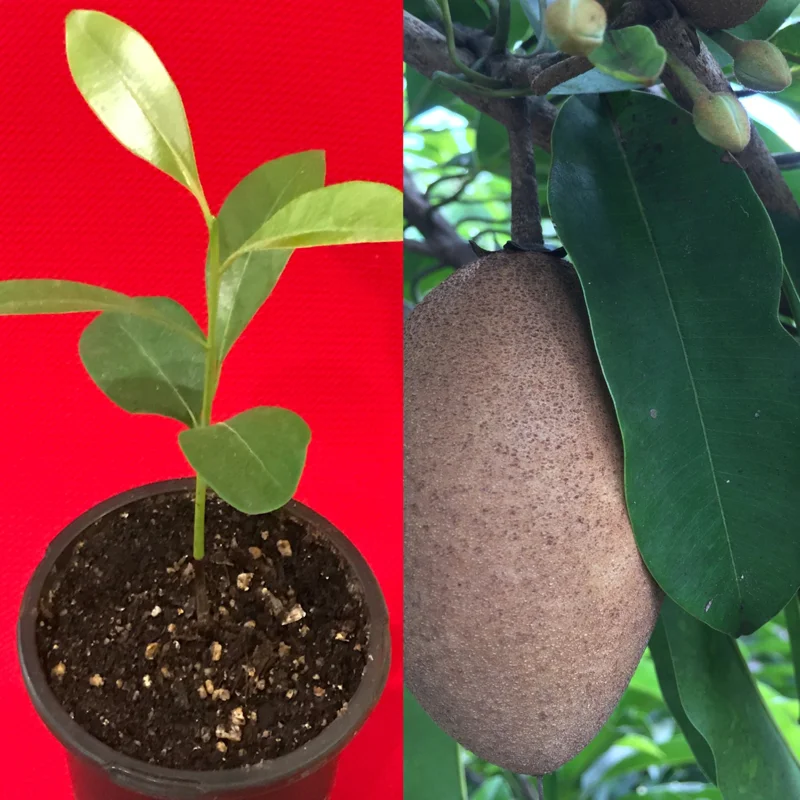
Sapodilla Makok Tropical Tree Live Plant – Chiku Seedling – 6-8″ Tall – 4.5″ Pot – Outdoor Fruit Tree
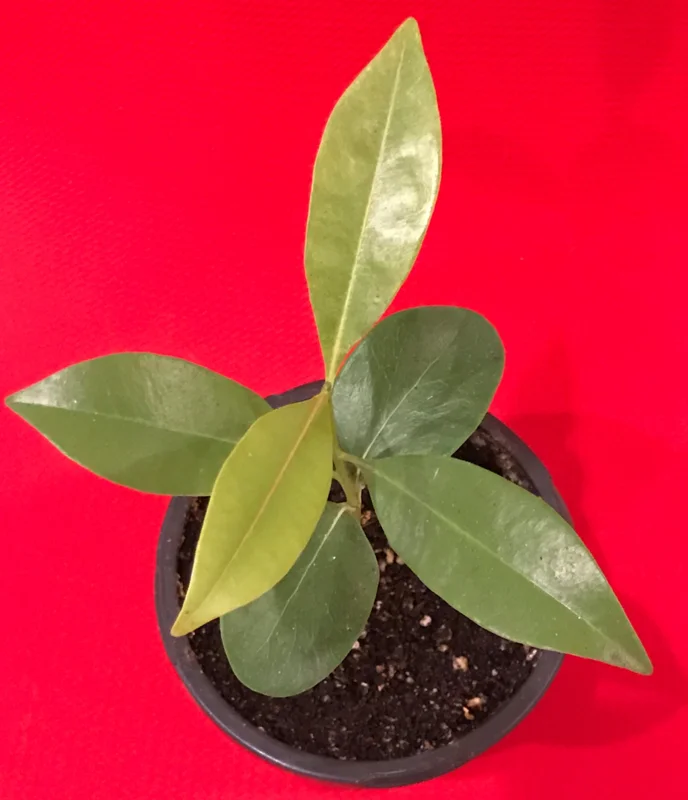
Cultivate your own exotic fruit with this Sapodilla Makok live plant. This 6-8 inch Manilkara zapota seedling comes in a 4.5 inch pot, ready to grow into a beautiful and productive Chiku fruit tree, perfect for tropical and subtropical gardens.
Original price was: $48.42.$24.21Current price is: $24.21.

With our Alive & Thrive Guarantee, we’ve got your back for the first 30 days! If you have any concerns about your plants, just reach out to us. Our team is here to help answer your questions and guide you in selecting the best plants for your garden, climate, and unique preferences. We're excited to help you create the garden of your dreams!
Estimated arrival
Mar 31
Apr 05 - Apr 07
Apr 10 - Apr 14
Product Details
-
USDA Hardiness Zone
USDA zones 9-11 -
Soil type
Well-draining, rich in organic matter -
Sunlight Exposure
Full sun -
Expected Planting Period
Year-round in tropical/subtropical climates, spring in borderline zones
Overview
Embark on a rewarding gardening journey with the Sapodilla Makok live plant, a delightful addition for any enthusiast of tropical fruits. This offering is for a healthy 6-8 inch tall seedling, potted in a 4.5 inch round container, poised to establish itself as a vibrant and fruitful tree in your garden. Known botanically as Manilkara zapota seedling, and commonly referred to as Chiku, this ‘Makok’ variety is celebrated for its dwarf growth habit and the exceptional sweetness of its fruit. Originating from southern Mexico, Central America, and the Caribbean, the Sapodilla tree is a long-lived evergreen, offering both aesthetic appeal and delicious, edible berries. Whether you’re an experienced gardener or just starting out with tropical plants, the Sapodilla Makok live plant provides an opportunity to grow a unique and productive fruit tree.
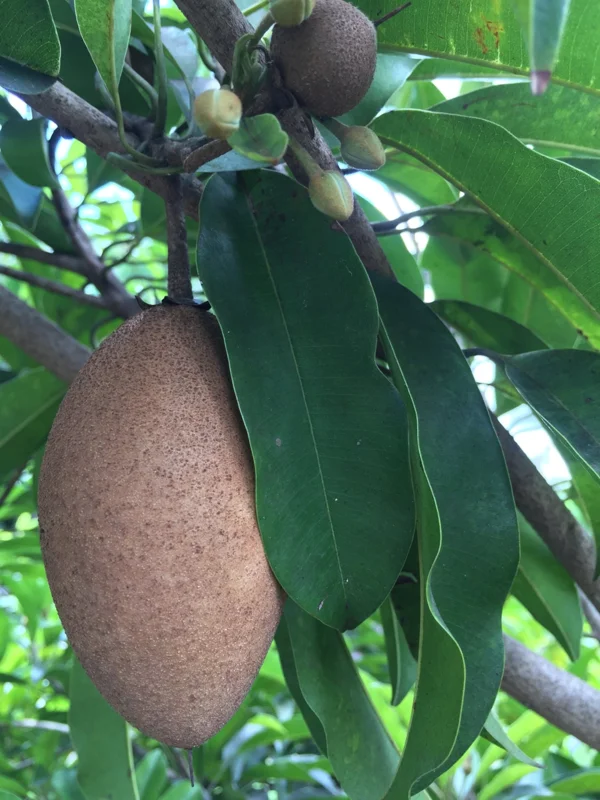
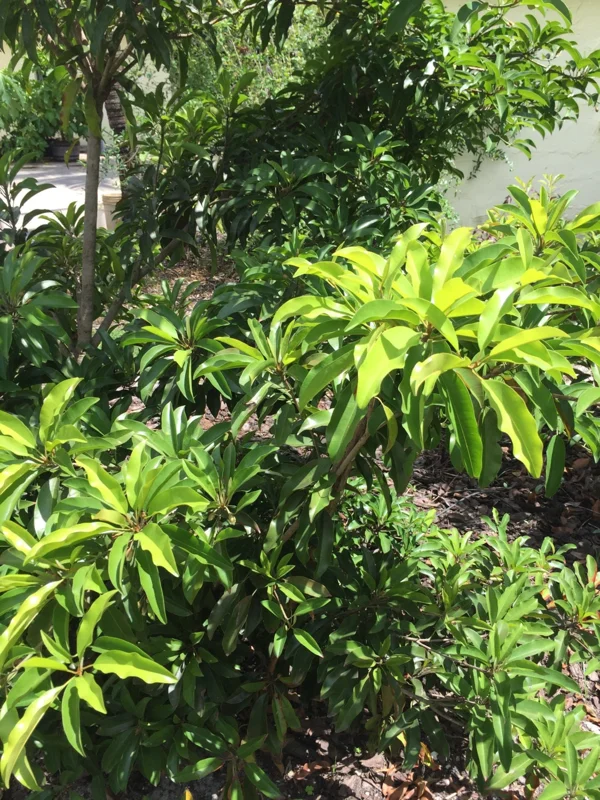
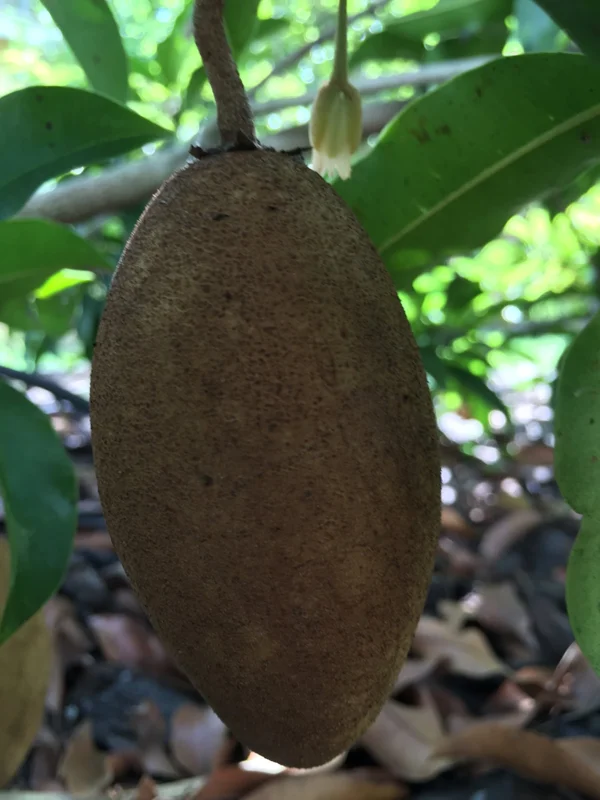
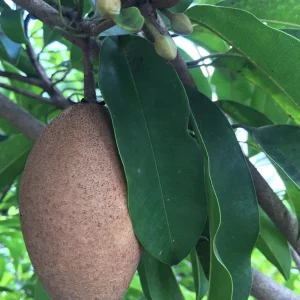
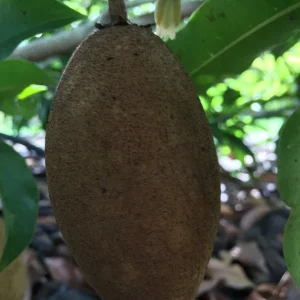
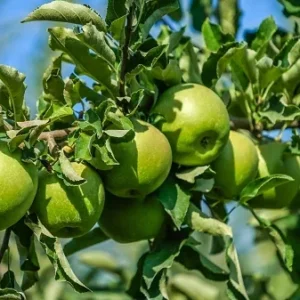
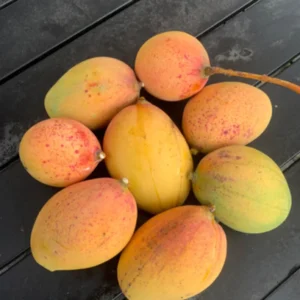
The ‘Makok’ variety is particularly prized for its conical fruits, typically measuring 2 to 3 inches in diameter and weighing between 2 to 8 ounces. The pulp is a rich brownish to yellow-brown, offering a remarkably sweet and enjoyable flavor. While these trees grow slowly, mature specimens can reach impressive heights of 60 to 100 feet over many years, forming a beautiful pyramidal to rounded canopy. They are well-adapted to subtropical and tropical climates, making them an excellent choice for warmer regions. This Chiku fruit tree not only yields delectable fruit but also serves as a stunning ornamental feature, enhancing your landscape with its lush evergreen foliage.
Key Benefits
The Sapodilla Makok live plant offers a multitude of benefits, making it an excellent choice for gardeners looking to add a unique tropical touch to their outdoor spaces. From its delicious fruit to its ornamental qualities, this plant is a true gem.
- Delicious, Homegrown Fruit: Enjoy the sweet, tasty ‘Makok’ variety fruit directly from your own Chiku fruit tree. The conical berries have a brownish-yellow pulp and are perfect for fresh eating or culinary uses.
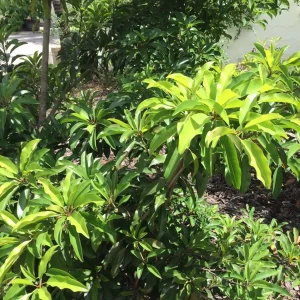
- Ornamental Value: With its evergreen foliage and attractive pyramidal to rounded canopy, the Sapodilla tree adds significant visual appeal to any landscape, providing year-round beauty.
- Long-Lived & Resilient: Sapodilla trees are known for their longevity and ability to thrive in appropriate climates. Mature trees can withstand temperatures down to about 26°F (-3°C) for short periods.
- Adaptable to Subtropical & Tropical Climates: This tree is perfectly suited for warm regions, flourishing in USDA zones that mimic its native Central American habitat, making it an ideal tropical fruit tree.
- Drought Tolerance: While young trees require regular watering, mature Sapodilla trees are quite tolerant of dry soil conditions, needing less frequent irrigation once established.
- Sustainable Gardening: Growing your own fruit reduces reliance on store-bought produce, offering a fresh, organic option right from your garden. This Sapodilla Makok live plant is an investment in sustainable living.
- Unique Variety: The ‘Makok’ variety is specifically chosen for its desirable dwarf characteristics and superior fruit quality, ensuring a rewarding harvest from your Manilkara zapota seedling.
Plant Care & Growing Tips
Caring for your Sapodilla Makok live plant involves understanding its needs for sunlight, water, and soil, particularly during its establishment phase. Young Sapodilla seedlings are more sensitive than mature trees and require attentive care to thrive. For optimal growth, plant your Chiku fruit tree in a location that receives full sun, meaning at least 6-8 hours of direct sunlight per day. While mature trees can tolerate some drought, young plants should be watered periodically during dry spells to prevent defoliation and decline. Ensure the soil remains consistently moist but not waterlogged, especially during its initial growth period.
The ideal soil for a Manilkara zapota seedling is well-draining, rich in organic matter. Sapodilla trees are well-adapted to a variety of soil types but perform best in loamy, sandy, or clay soils with good drainage. They are particularly sensitive to cold temperatures when young, with temperatures below 30-32°F (-1 to 0°C) potentially causing severe damage or death. Therefore, if you are in a cooler part of its suitable USDA zone, consider providing winter protection or growing it in a container that can be moved indoors. Fertilization should begin once the plant is established, using a balanced fertilizer designed for fruit trees, following package instructions. Regular feeding during the growing season will support healthy foliage and fruit production for your tropical fruit tree.
As your Sapodilla Makok live plant grows, consider its long-term needs. While it starts as a seedling, it will eventually become a large tree. Pruning can help shape the tree and manage its size, though it’s generally a slow grower. Protecting young plants from strong winds can also be beneficial. Remember that trees grown from seeds may not be identical to the parent tree, but the ‘Makok’ variety offspring are known for their desirable traits. For robust fruit production and quality, periodic irrigation during long dry periods is recommended from flowering through harvest. Once well-established in the home landscape, Sapodilla trees generally do not require regular watering to produce satisfactorily.
Size & Details
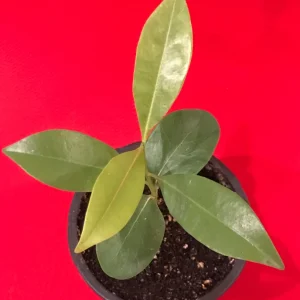
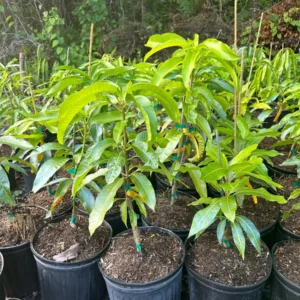
This offering is for one Sapodilla Makok live plant, presented as a healthy seedling starter. The plant stands approximately 6-8 inches tall, with the measurement excluding the height of the pot. It is securely rooted in a 4.5 inch round nursery pot, providing a stable environment for its initial growth and transition to your garden or larger container. These seedlings are derived from the ‘Makok’ variety, known for its desirable dwarf characteristics and sweet, flavorful fruit, making it an excellent choice for a productive Chiku fruit tree.
The Sapodilla tree is a moderate to slow grower, but with proper care, this Manilkara zapota seedling will gradually develop into a medium to large tree. The conical fruits typically mature to 2 to 3 inches in diameter, weighing between 2 to 8 ounces. While it is a tropical fruit tree, it can be grown in suitable climates or maintained in a container in cooler regions. Expect the tree to begin fruiting within several years after planting, depending on growing conditions and care. This starter plant provides a solid foundation for cultivating your own source of this unique and delicious tropical fruit.
Frequently Asked Questions
- Q: How big does this plant get and what size pot does it come in? A: This Sapodilla Makok live plant is a seedling, measuring 6-8 inches tall (pot height not included). It comes in a 4.5 inch round nursery pot, ready for transplanting. While it starts small, mature Sapodilla trees can reach significant heights of 60 to 100 feet over many years in ideal conditions.
- Q: Is this an indoor or outdoor plant? How much sunlight does it need? A: The Chiku fruit tree is primarily an outdoor plant, thriving in subtropical and tropical climates. It requires full sun, meaning at least 6-8 hours of direct sunlight daily for optimal growth and fruit production. In cooler climates, it can be grown in a large container and moved indoors during colder months.
- Q: Is this plant easy to care for? Is it good for beginners? A: While young Manilkara zapota seedling plants require consistent watering and protection from cold, mature trees are relatively low maintenance and drought-tolerant. With attention to its specific climate and light needs, a beginner gardener in a suitable warm climate can successfully grow this tropical fruit tree.
- Q: What condition will it arrive in? Is it shipped in soil? A: The plant will arrive as a live, potted seedling in its 4.5 inch nursery pot with soil, ensuring it is ready for its new home. It is carefully prepared for shipment to minimize stress during transit.
- Q: How long until it blooms and produces fruit? A: Sapodilla trees grown from seedlings typically begin to fruit within several years, often between 3 to 6 years, depending on the growing conditions and care. The ‘Makok’ variety is known for its good fruit production.
- Q: Will this tropical fruit tree survive winter in my zone? What’s the minimum temperature it can withstand? A: Young Sapodilla trees are sensitive to cold and can be severely damaged or killed below 30-32°F (-1 to 0°C). Mature trees are more tolerant, potentially withstanding down to about 26°F (-3°C) for a few hours. It is best suited for USDA hardiness zones 9-11.
- Q: What kind of fruit does the Sapodilla Makok live plant produce? A: This variety produces delicious, sweet, conical fruits that range from 2 to 3 inches in diameter and weigh 2 to 8 ounces. The pulp is a brownish to yellow-brown, known for its rich, sweet flavor.
- Q: Does this plant have any ornamental value in addition to its fruit? A: Yes, the Sapodilla tree is highly valued for its ornamental qualities. It features attractive evergreen foliage and develops a beautiful pyramidal to rounded canopy, making it a lovely addition to any landscape even before it fruits.
- Q: What are the watering requirements for a young Chiku fruit tree? A: Young Sapodilla trees need regular watering, especially during dry periods, to prevent defoliation and decline. Keep the soil consistently moist but ensure good drainage to avoid waterlogging. Mature trees are more drought-tolerant once established.
- Q: Can I grow this Manilkara zapota seedling in a container? A: Yes, Sapodilla trees can be successfully grown in large containers, especially in regions outside their ideal tropical and subtropical zones. Container growing allows for easier protection from cold weather and can help manage the tree’s size.
Related products
-10%
Original price was: $36.99.$33.29Current price is: $33.29.
PLANTING & CARE

Growing Glencoe Raspberry: A Complete Guide for Gardeners
If you’re looking to add something unique to your garden, look no further than the
31
Mar
Mar

The Comprehensive Guide to Growing Bay Leaf Plants for a Flavorful Garden
Imagine stepping into your garden, greeted by the earthy aroma of fresh bay leaves, their
09
Feb
Feb

How to Make Comfrey Tea: The Ultimate Organic Plant Food
Growing an organic garden can be surprisingly expensive, especially when most store-bought fertilizers come in
02
Feb
Feb

True Comfrey: 7 Essential Tips Before You Plant This Herb
A staple in permaculture practices across the US, True Comfrey easily earns its reputation as
27
Jan
Jan

7 Heart-Shaped Plants for a Lasting Valentine’s Gift
If you’ve ever bought a bouquet of roses for Valentine’s Day, you know they are
26
Jan
Jan

Best Types of Ivy Plant for Houses: How to Choose the Perfect Ones for Your Home
Are you a garden lover looking to introduce some greenery into your home? Maybe you’ve
14
Nov
Nov

When to Harvest Garlic (Especially Fall-Planted Garlic)
TIMING IS EVERYTHING, they say – and for garlic, that truth hits with surprising accuracy.
13
Nov
Nov

11 of the Best Sweet Potato Varieties to Grow for Your Garden
If you’ve ever tried growing sweet potatoes, you know that picking the right variety can
12
Nov
Nov