Sassafras Tree (Sassafras Albidum) Bare-Root Plant – 2 Pack, Fast Growing
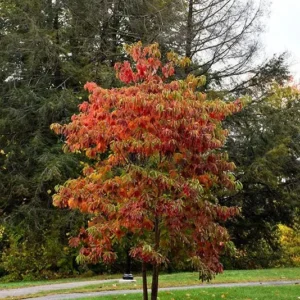
Sassafras Tree (Sassafras Albidum) Bare-Root Plant – 2 Pack, Fast Growing
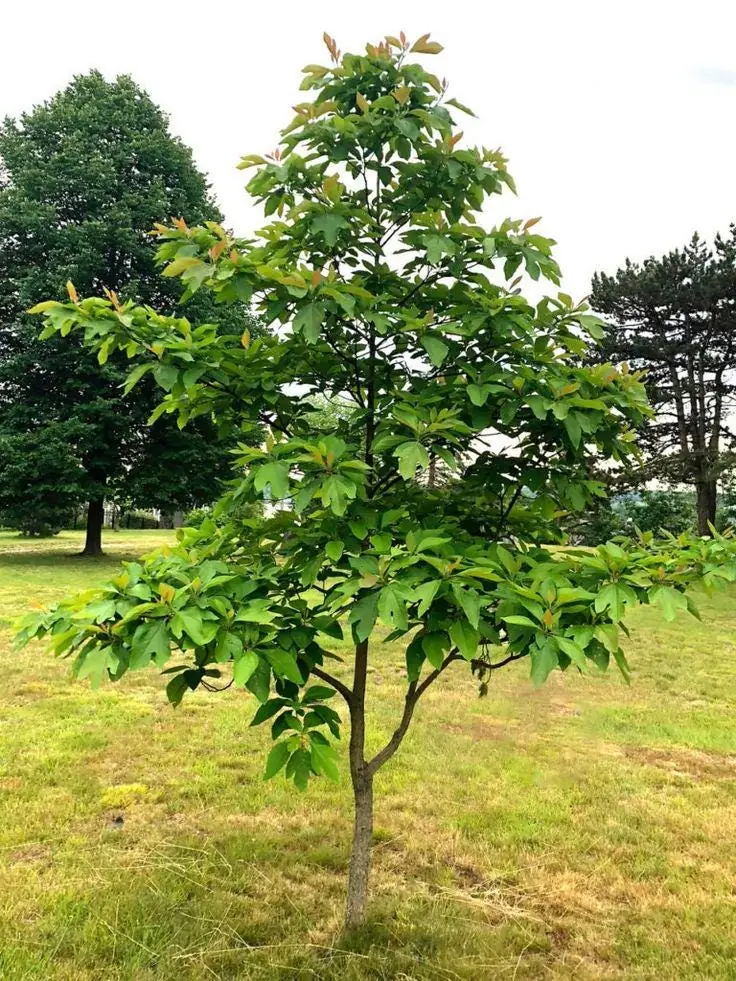
Bring the beauty of nature to your garden with our sassafras tree bare-root plants. These deciduous trees, known as Sassafras Albidum, offer stunning yellow to red fall foliage and are drought-tolerant once established. Perfect for landscaping or naturalizing.
From $87.96

With our Alive & Thrive Guarantee, we’ve got your back for the first 30 days! If you have any concerns about your plants, just reach out to us. Our team is here to help answer your questions and guide you in selecting the best plants for your garden, climate, and unique preferences. We're excited to help you create the garden of your dreams!
Estimated arrival
Mar 11
Mar 16 - Mar 18
Mar 21 - Mar 25

Product Details
-
USDA Hardiness Zone
USDA zones 4-9 -
Soil type
Well-drained sandy, acidic soils -
Sunlight Exposure
Full sun to partial shade -
Expected Planting Period
Late winter to early spring
Overview
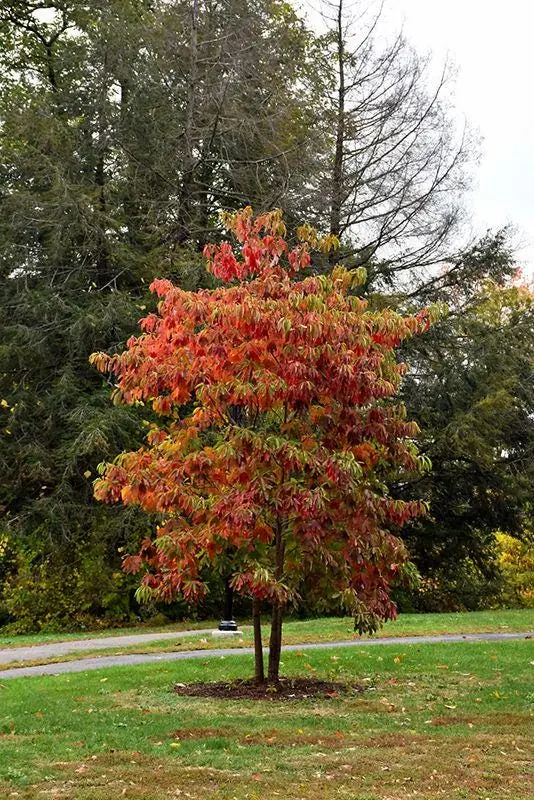
Introduce a touch of native American charm to your landscape with our premium sassafras tree bare-root plants. The Sassafras Albidum, commonly known as common sassafras, is a remarkable deciduous flowering tree renowned for its aromatic qualities and captivating seasonal display. In early to mid-spring, it adorns itself with delicate, bright yellow-green flower clusters, followed by distinctive blue, fleshy drupes on female trees. As autumn arrives, its leaves transform into a breathtaking spectacle of yellow, orange, and red hues, making it a spectacular addition to any garden. This tree is a member of the Lauraceae, or laurel family, and is native to a broad region spanning from southwestern Maine to eastern Texas, thriving in various environments including woodlands and fields.
Our sassafras tree bare-root plants are an excellent choice for those looking to establish a resilient and visually appealing tree with minimal effort. They are shipped ready for planting, offering a cost-effective and efficient way to grow these magnificent specimens. The common sassafras is not just a pretty face; it’s also a robust tree that adapts well to different conditions once established, providing long-term beauty and ecological benefits. Whether you’re aiming to create a naturalized area or simply add a unique specimen tree, the Sassafras Albidum is an ideal selection.
Key Benefits
The sassafras tree bare-root offers a multitude of benefits that make it a highly desirable addition to any garden or naturalized area. Its unique characteristics contribute both aesthetic appeal and ecological value.
- Stunning Seasonal Color: Enjoy a vibrant display of yellow, orange, and red foliage in the fall, providing a dramatic visual impact in your landscape. This makes the Sassafras Albidum a true standout.
- Aromatic Qualities: The tree’s leaves, bark, and roots release a pleasant, distinctive aroma, adding a sensory dimension to your garden experience.
- Wildlife Attraction: Female trees produce blue drupes that attract various bird species, enhancing biodiversity in your yard.
- Drought Tolerance: Once established, the sassafras tree is remarkably drought-tolerant, reducing the need for frequent watering and making it a low-maintenance choice.
- Adaptable Growth: While preferring well-drained, sandy, acidic soils, it can adapt to other soil types as long as they are well-drained, showcasing its resilience.
- Versatile Landscaping: Can be grown as a single-trunk tree or allowed to sucker and form thickets, offering flexibility in landscape design. You can even prune it to shrub size.
- Native Species: Being a native species to many parts of the US, it integrates well into local ecosystems and supports native flora and fauna. This also contributes to the ease of growing sassafras tree.
Plant Care & Growing Tips
Caring for your sassafras tree bare-root is relatively straightforward, especially once it’s established. Understanding its preferences will ensure healthy growth and vibrant displays. This section details essential aspects of sassafras albidum care to help your tree thrive.
For sunlight, the sassafras tree prefers full sun to partial shade. Aim for at least 6 hours of direct sunlight daily for optimal growth and fall color intensity. While it can tolerate some shade, too much shade may result in sparser foliage and less vibrant autumn hues. When it comes to watering, consistent moisture is crucial during the establishment phase. Water deeply once or twice a week, especially during dry periods, for the first year. Once established, the tree becomes quite drought-tolerant, requiring less frequent watering. However, prolonged dry spells may still necessitate occasional watering to maintain health.
The ideal soil for Sassafras Albidum is well-drained, sandy, and acidic. However, it is adaptable and will grow in other soil types as long as drainage is good. Avoid heavy, compacted, or waterlogged soils, as these can lead to root rot. If your soil is heavy clay, consider amending it with organic matter to improve drainage. Fertilization is generally not necessary for established trees in good soil. For young trees, a balanced, slow-release fertilizer can be applied in early spring, following product instructions. The tree is hardy in a wide range of USDA zones, but in colder climates, some winter protection may be beneficial. Remember that a large taproot makes transplanting established trees difficult, so choose your planting site carefully. Regular removal of suckers is important if a single-trunk tree is desired, which is a key part of growing sassafras tree successfully.
Size & Details
These sassafras tree bare-root plants are typically shipped as young, dormant specimens, ready for planting immediately upon arrival. While exact initial height may vary, they are generally 1-2 feet tall at shipment. The common sassafras is a fast-growing tree, capable of reaching heights of 30-60 feet with a spread of 25-40 feet at maturity, though it can be kept smaller through pruning. The growth rate is moderate to fast, adding about 1-2 feet per year under ideal conditions. The bare-root format allows for easy establishment and rapid root development once planted.
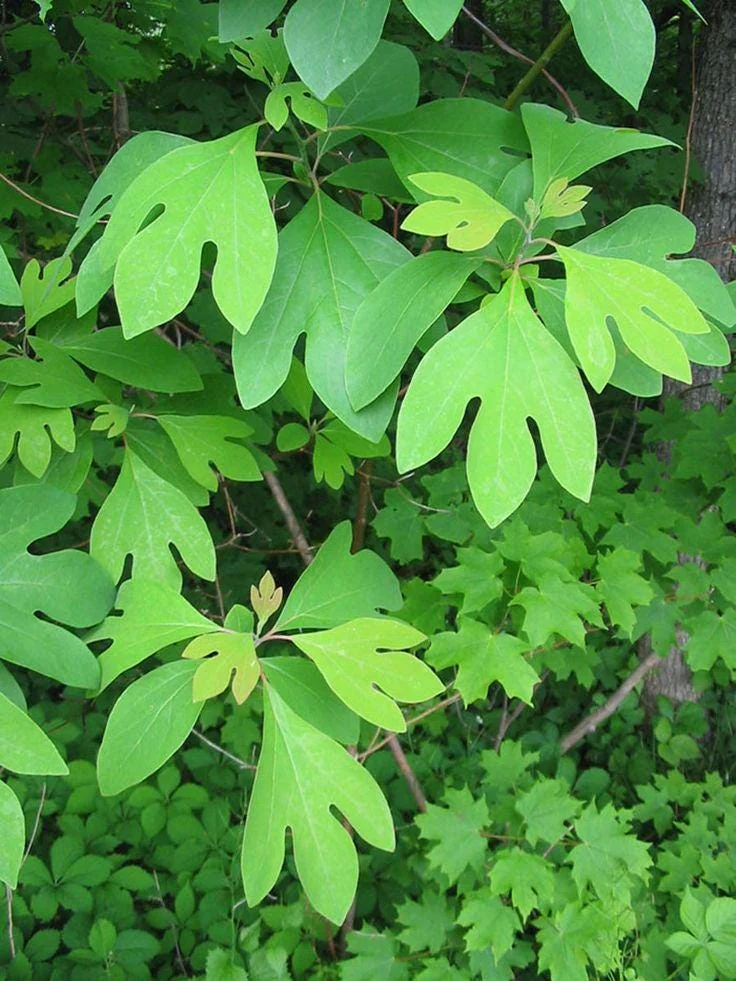
The tree exhibits a pyramidal to oval shape when young, maturing into a more irregular, rounded crown. Its distinctive three-lobed leaves contribute to its unique appearance throughout the growing season, culminating in the spectacular sassafras tree fall color. These plants are ideal for creating natural screens, shade trees, or as specimen plantings in a woodland garden. They are provided as bare-root, meaning they have no soil around their roots, which is a common and effective way to ship deciduous trees for planting in late winter or early spring.
Frequently Asked Questions
- Q: How big does this plant get? A: A sassafras tree bare-root can grow to an impressive height of 30-60 feet tall with a spread of 25-40 feet at maturity. Its size can be managed through pruning if a smaller stature is desired.
- Q: Is this an indoor or outdoor plant? A: The Sassafras Albidum is an outdoor tree. It requires ample space to grow and thrives in natural outdoor environments, offering beautiful foliage and a robust structure.
- Q: How much sunlight does it need? A: Sassafras trees prefer full sun to partial shade, meaning they need at least 6 hours of direct sunlight daily for best growth and the most vibrant sassafras tree fall color.
- Q: Is this plant easy to care for? A: Yes, once established, the sassafras tree is relatively low-maintenance and drought-tolerant. Initial care for the sassafras tree bare-root involves proper planting and consistent watering for the first year.
- Q: What condition will it arrive in? A: Your sassafras will arrive as a bare-root plant, meaning it will be dormant with its roots exposed, ready for immediate planting. This method ensures healthy establishment.
- Q: When is the best time to plant a bare-root sassafras tree? A: The best time for growing sassafras tree from bare-root is in late winter or early spring, before new growth begins, to allow the roots to establish before the heat of summer.
- Q: Will it survive winter in my zone? A: Sassafras trees are hardy in USDA zones 4-9, making them suitable for a wide range of climates. They are quite resilient to cold temperatures within these zones.
- Q: What are the main sassafras tree benefits? A: Key benefits include stunning fall foliage, aromatic qualities, attraction of wildlife, drought tolerance once established, and adaptability to various soil conditions.
- Q: Can I prune the tree to keep it small? A: Yes, sassafras trees can be pruned and kept at shrub size by cutting them to the ground every 2-3 years, offering flexibility for different garden designs.
- Q: What type of soil does it prefer? A: The sassafras tree prefers well-drained, sandy, acidic soils but can adapt to other well-drained soil types. Good drainage is crucial for successful sassafras albidum care.
| Size | 12-18'', 18-24'' |
|---|
Related products
-10%
Original price was: $23.99.$21.59Current price is: $21.59.
-50%
Original price was: $73.98.$36.99Current price is: $36.99.
PLANTING & CARE

The Comprehensive Guide to Growing Bay Leaf Plants for a Flavorful Garden
Imagine stepping into your garden, greeted by the earthy aroma of fresh bay leaves, their
09
Feb
Feb

How to Make Comfrey Tea: The Ultimate Organic Plant Food
Growing an organic garden can be surprisingly expensive, especially when most store-bought fertilizers come in
02
Feb
Feb

True Comfrey: 7 Essential Tips Before You Plant This Herb
A staple in permaculture practices across the US, True Comfrey easily earns its reputation as
27
Jan
Jan

7 Heart-Shaped Plants for a Lasting Valentine’s Gift
If you’ve ever bought a bouquet of roses for Valentine’s Day, you know they are
26
Jan
Jan

Best Types of Ivy Plant for Houses: How to Choose the Perfect Ones for Your Home
Are you a garden lover looking to introduce some greenery into your home? Maybe you’ve
14
Nov
Nov

When to Harvest Garlic (Especially Fall-Planted Garlic)
TIMING IS EVERYTHING, they say – and for garlic, that truth hits with surprising accuracy.
13
Nov
Nov

11 of the Best Sweet Potato Varieties to Grow for Your Garden
If you’ve ever tried growing sweet potatoes, you know that picking the right variety can
12
Nov
Nov
Pruning Bougainvillea for Winter
Bougainvillea vines are known for their dazzling display of magenta, orange, and fuchsia bracts that
05
Nov
Nov