Sassafras Tree Seedlings – 2 Bare Root Plants, 1-2 ft Tall, Outdoor
-50%
Sassafras Tree Seedlings – 2 Bare Root Plants, 1-2 ft Tall, Outdoor
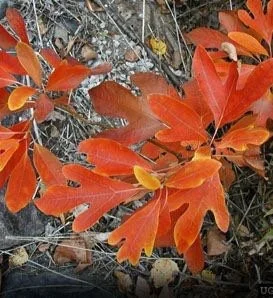
Cultivate the distinctive sassafras tree seedlings in your garden. This offer includes two sassafras bare root plants, each 1-2 feet tall, ready for planting. Enjoy their aromatic properties and unique three-lobed leaves.
Original price was: $47.96.$23.98Current price is: $23.98.

With our Alive & Thrive Guarantee, we’ve got your back for the first 30 days! If you have any concerns about your plants, just reach out to us. Our team is here to help answer your questions and guide you in selecting the best plants for your garden, climate, and unique preferences. We're excited to help you create the garden of your dreams!
Estimated arrival
Apr 08
Apr 13 - Apr 15
Apr 18 - Apr 22
Product Details
-
USDA Hardiness Zone
4-9 -
Soil type
Well-draining, slightly acidic to neutral soil -
Sunlight Exposure
Full sun to partial shade -
Expected Planting Period
Early spring
Overview
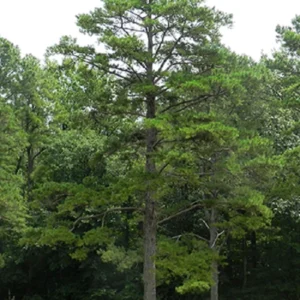
Bring the beauty and unique aroma of the American forest to your landscape with these sassafras tree seedlings. You will receive two healthy bare root plants, each measuring 1-2 feet in height, perfect for establishing a new grove or adding a specimen tree to your yard. Sassafras (Sassafras albidum) is a deciduous tree native to eastern North America, cherished for its striking foliage, aromatic bark, and vibrant fall colors. These young trees are provided as sassafras bare root specimens, ensuring they are ready to thrive once planted in their new environment. Known for their distinctive three-lobed leaves (often appearing alongside unlobed and bilobed leaves on the same plant), sassafras trees offer a captivating visual interest throughout the growing season.
Beyond their aesthetic appeal, sassafras trees are celebrated for their aromatic properties; all parts of the plant, from the leaves to the bark, emit a pleasant, spicy fragrance when crushed. These fast-growing trees can reach impressive heights, providing shade and attracting local wildlife. If you’re looking to grow sassafras tree and enjoy its historical significance and natural charm, these bare root seedlings are an excellent starting point for any gardener.
Key Benefits
Planting sassafras tree seedlings offers a multitude of benefits for both your landscape and local ecosystem. These trees are not only beautiful but also resilient and provide unique characteristics:
- Unique Foliage: Enjoy the distinctive three-lobed ‘mitten’ leaves, alongside unlobed and bilobed shapes, creating a fascinating visual tapestry throughout the season. This unique leaf structure makes them easily identifiable and a conversation starter.
- Aromatic Properties: Every part of the sassafras tree, from its leaves and twigs to its bark, releases a pleasant, spicy aroma when crushed, adding a fragrant dimension to your garden. This natural scent can also deter some pests.
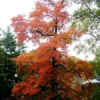
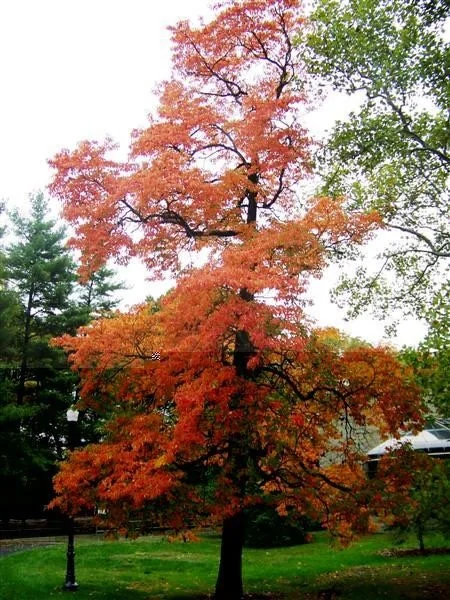
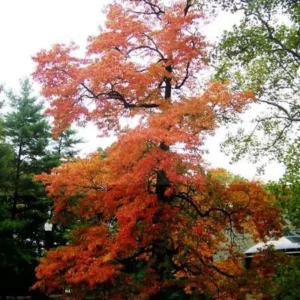
- Vibrant Fall Color: Witness a spectacular display of orange, red, and purple hues in autumn, transforming your garden into a colorful masterpiece. Sassafras provides one of the most showy fall displays among native trees.
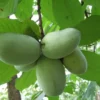
- Wildlife Attraction: The blue-black fruit produced by female sassafras trees is a favorite food source for many bird species, while the leaves provide sustenance for butterfly larvae, contributing to local biodiversity.
- Hardy and Adaptable: Sassafras trees are remarkably resilient, thriving across a wide range of USDA hardiness zones (4-9) and adapting to various soil conditions, making them a reliable choice for many gardeners looking to grow sassafras tree.
- Historical and Culinary Significance: Historically, sassafras bark and leaves were used to make tea and root beer, although modern consumption is cautioned due to safrole content. Understanding the sassafras plant benefits from a historical perspective adds to its appeal.
- Fast Growth Rate: These trees establish quickly and grow at a moderate to fast pace, allowing you to enjoy their benefits sooner. This makes them ideal for quickly filling out a new landscape or providing shade.
Plant Care & Growing Tips
Caring for your sassafras tree seedlings is relatively straightforward, especially when planted correctly. Sassafras trees prefer full sun to partial shade, meaning they should receive at least 4-6 hours of direct sunlight daily for optimal growth and fall color. While they can tolerate some shade, too much shade can lead to leggy growth and less vibrant foliage. When you grow sassafras tree, ensure the location provides ample space for its mature size, as these trees can become quite large.
Sassafras thrives in well-draining, slightly acidic to neutral soil. While adaptable to various soil types, avoid overly wet or compacted conditions. When planting your sassafras bare root seedlings, dig a hole wide enough to accommodate the roots without bending them, and deep enough so the root collar is level with the surrounding soil. Backfill with native soil, gently tamping down to remove air pockets, and water thoroughly. Consistent moisture is crucial during the first few years of establishment; water regularly, especially during dry periods, to encourage strong root development. Once established, sassafras is quite drought-tolerant. Fertilization is generally not necessary in good soil, but a balanced, slow-release fertilizer can be applied in spring if growth seems slow. These trees are generally pest and disease resistant, contributing to the ease of sassafras tree care.
Sassafras trees are hardy in USDA Zones 4-9, making them suitable for a broad range of climates. They are deciduous, meaning they will lose their leaves in the fall and enter dormancy for winter. Pruning is typically only needed to remove dead, damaged, or crossing branches, or to shape the tree. Avoid heavy pruning, as sassafras can bleed sap. Young trees may benefit from protection from deer browse. Understanding these sassafras tree care tips will help ensure your seedlings grow into majestic trees.
Size & Details
This offering includes two sassafras tree seedlings, provided as bare root plants. Each seedling measures approximately 1-2 feet in height at the time of shipment, representing a prime size for successful transplanting and establishment. Bare root plants are dormant when shipped, which minimizes transplant shock and allows them to focus their energy on root development once planted. Sassafras trees exhibit a moderate to fast growth rate, typically adding 1-2 feet in height per year under ideal conditions. Mature sassafras trees can reach heights of 30-60 feet (and occasionally up to 100 feet) with a spread of 20-40 feet, developing a somewhat irregular, open crown. The fruit, a dark blue-black drupe, ripens in late summer to early fall on female trees, attracting various bird species. Expect these seedlings to begin showing significant growth and their characteristic foliage in their first growing season after planting.
Planting your sassafras bare root seedlings in spring is ideal, allowing them the full growing season to establish before winter. While these young plants will take several years to reach their full majestic size, they will begin to provide visual interest and their pleasant aroma relatively quickly. The 1-2 foot height ensures they are robust enough to handle the transition to your garden while still being easy to handle and plant. These are outdoor plants, best suited for naturalizing areas, woodland gardens, or as a distinctive specimen tree in a larger landscape.
Frequently Asked Questions
- Q: How big do these sassafras tree seedlings get? A: These sassafras tree seedlings are shipped as 1-2 foot bare root plants. Mature sassafras trees can reach heights of 30-60 feet with a spread of 20-40 feet, making them a significant addition to your landscape.
- Q: Is this an indoor or outdoor plant? A: Sassafras is an outdoor deciduous tree. It requires a period of dormancy and is not suitable for indoor cultivation. It thrives in open garden spaces where it can reach its full potential.
- Q: How much sunlight does a sassafras tree need? A: Sassafras trees prefer full sun to partial shade, meaning they need at least 4-6 hours of direct sunlight per day. More sun generally leads to better growth and brighter fall foliage.
- Q: Is this plant easy to care for? A: Yes, sassafras tree care is considered relatively easy once established. They are adaptable to various soil types and are drought-tolerant. Young plants require consistent watering during establishment.
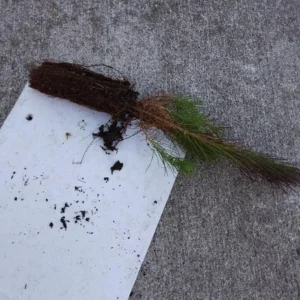
- Q: What condition will the bare root sassafras arrive in? A: Your sassafras bare root seedlings will arrive dormant, without leaves, and with their roots carefully packaged to retain moisture. This is normal for bare root plants and ensures they are ready for planting.
- Q: When is the best time to plant sassafras bare root seedlings? A: The best time to plant bare root sassafras seedlings is in early spring, after the last frost but before the heat of summer. This allows the roots to establish before the plant begins active growth.
- Q: Will it survive winter in my zone? A: Yes, sassafras trees are hardy and will survive winter in USDA Zones 4-9. They are deciduous and will naturally lose their leaves in the fall as they enter dormancy.
- Q: What are the main sassafras plant benefits for my garden? A: The main sassafras plant benefits include unique multi-lobed foliage, a pleasant spicy aroma, stunning fall color, and attracting local wildlife such as birds and butterflies. They are also relatively low maintenance.
- Q: Do I need to fertilize my sassafras tree? A: In good soil, sassafras often doesn’t require much fertilization. If your soil is poor or growth is slow, a balanced, slow-release fertilizer can be applied in spring.
- Q: Can I use the leaves or bark for tea? A: Historically, sassafras was used for tea and root beer. However, due to the presence of safrole, a compound found in sassafras, it is generally advised against consuming parts of the plant due to potential health concerns.
Related products
-20%
Original price was: $90.00.$72.00Current price is: $72.00.
PLANTING & CARE
Growing Glencoe Raspberry: A Complete Guide for Gardeners
If you’re looking to add something unique to your garden, look no further than the
31
Mar
Mar

The Comprehensive Guide to Growing Bay Leaf Plants for a Flavorful Garden
Imagine stepping into your garden, greeted by the earthy aroma of fresh bay leaves, their
09
Feb
Feb

How to Make Comfrey Tea: The Ultimate Organic Plant Food
Growing an organic garden can be surprisingly expensive, especially when most store-bought fertilizers come in
02
Feb
Feb

True Comfrey: 7 Essential Tips Before You Plant This Herb
A staple in permaculture practices across the US, True Comfrey easily earns its reputation as
27
Jan
Jan

7 Heart-Shaped Plants for a Lasting Valentine’s Gift
If you’ve ever bought a bouquet of roses for Valentine’s Day, you know they are
26
Jan
Jan

Best Types of Ivy Plant for Houses: How to Choose the Perfect Ones for Your Home
Are you a garden lover looking to introduce some greenery into your home? Maybe you’ve
14
Nov
Nov

When to Harvest Garlic (Especially Fall-Planted Garlic)
TIMING IS EVERYTHING, they say – and for garlic, that truth hits with surprising accuracy.
13
Nov
Nov

11 of the Best Sweet Potato Varieties to Grow for Your Garden
If you’ve ever tried growing sweet potatoes, you know that picking the right variety can
12
Nov
Nov