Saucer Magnolia Soulangeana Live Plant – Pink & White Blossoms, 6-12in Tall, 2.5in Pot
-30%
Saucer Magnolia Soulangeana Live Plant – Pink & White Blossoms, 6-12in Tall, 2.5in Pot
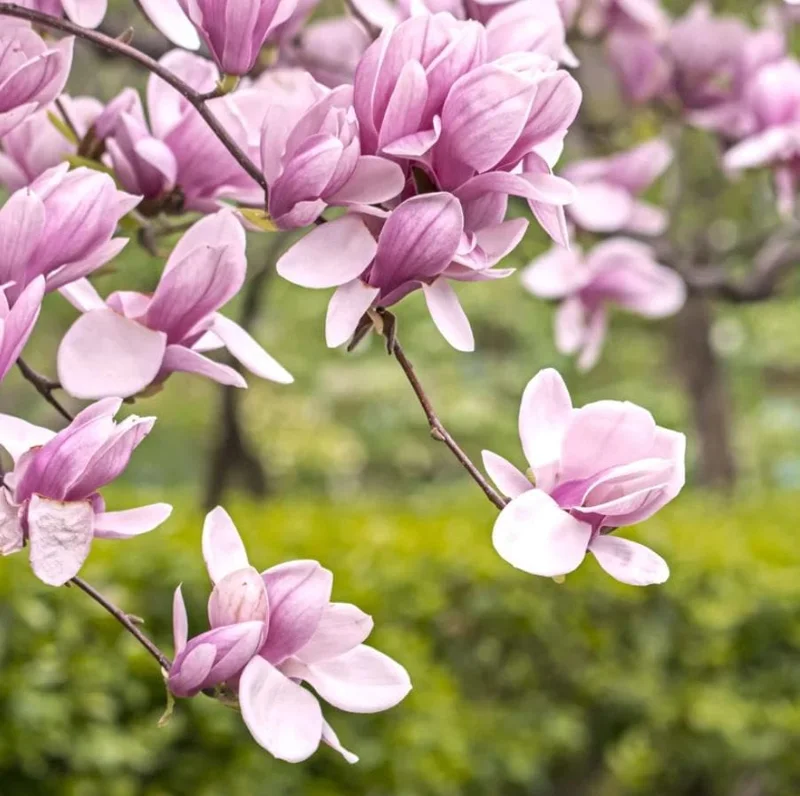
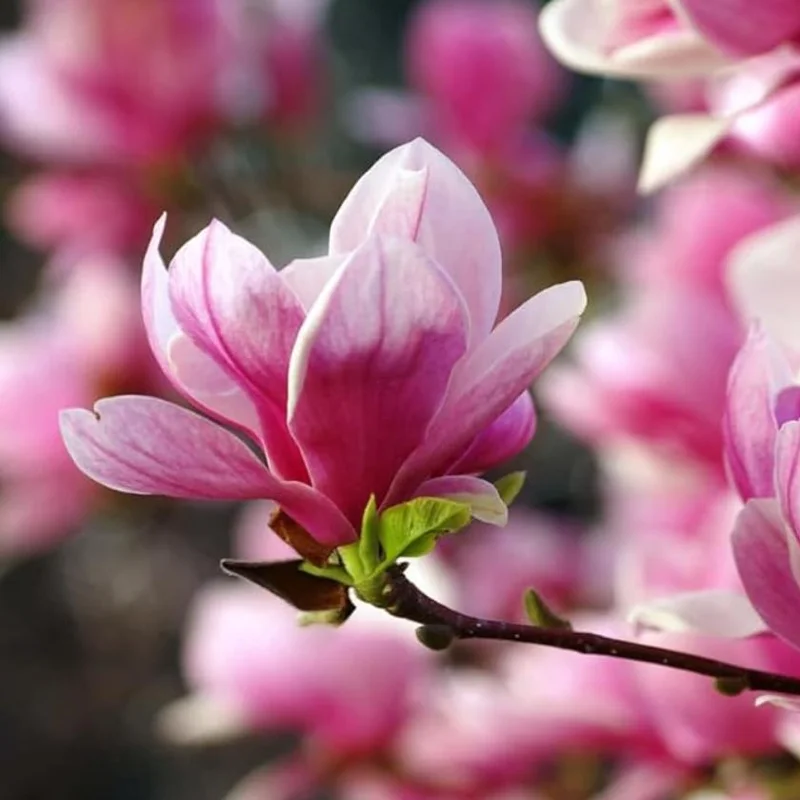
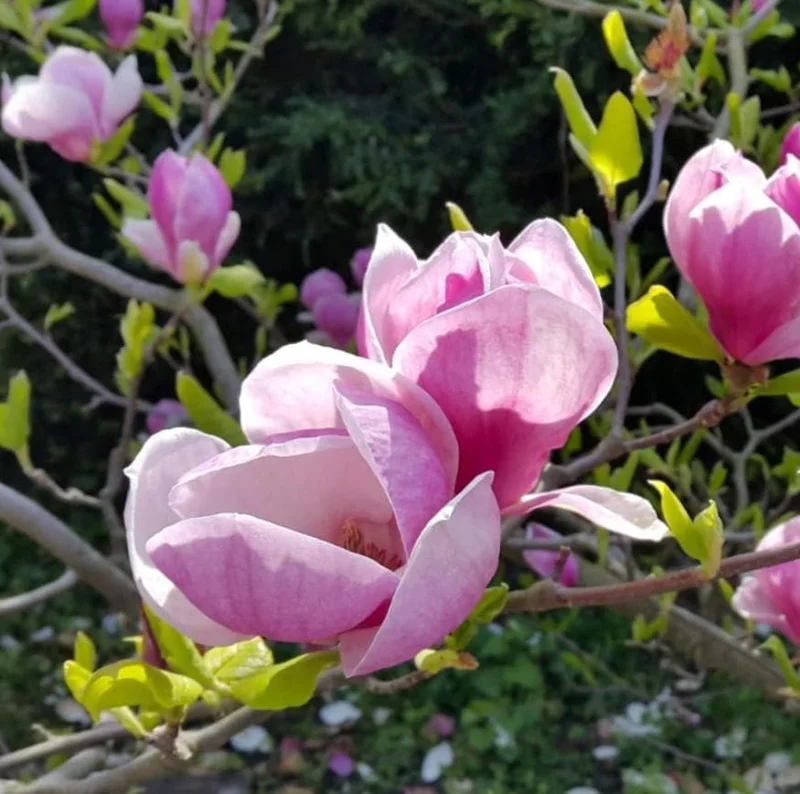
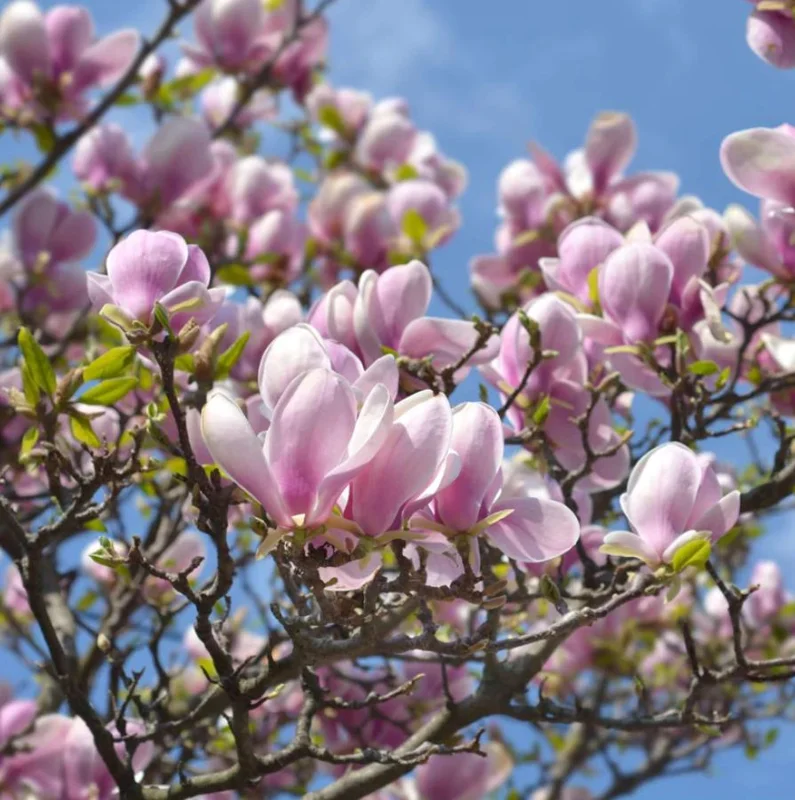
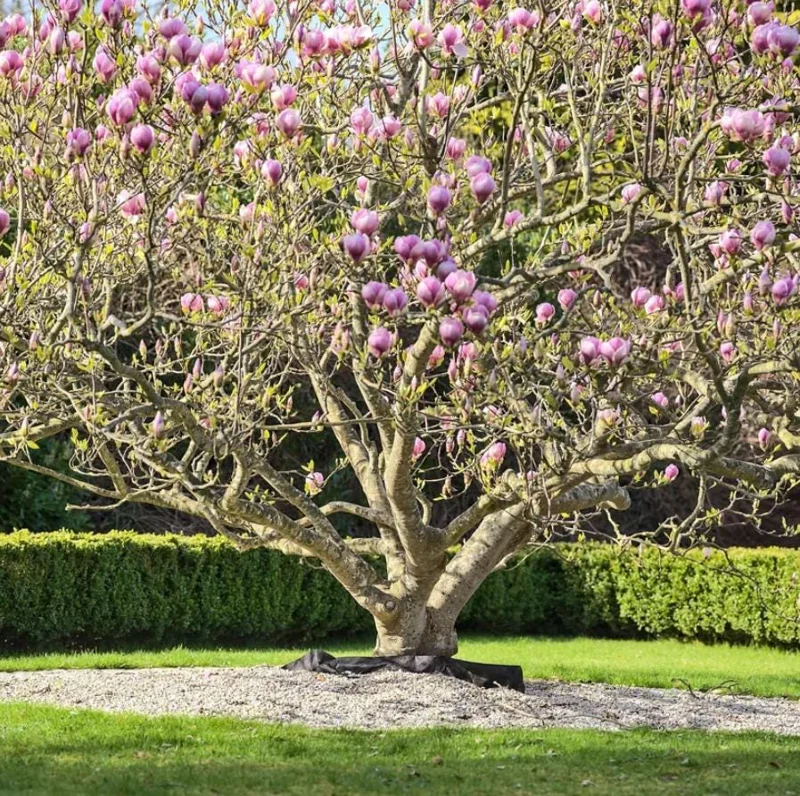
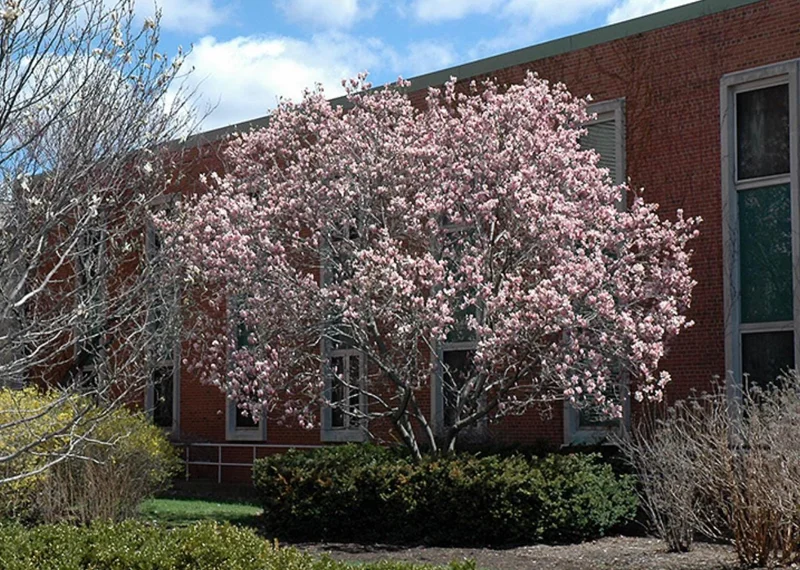
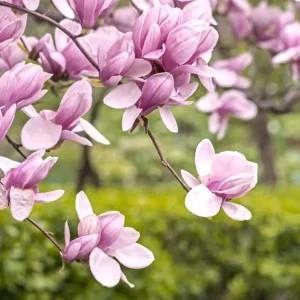
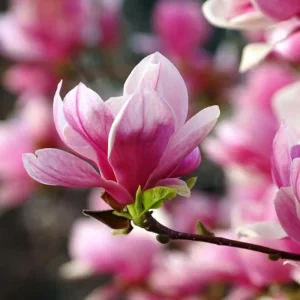
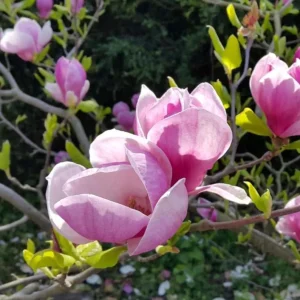
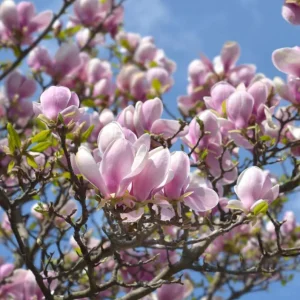
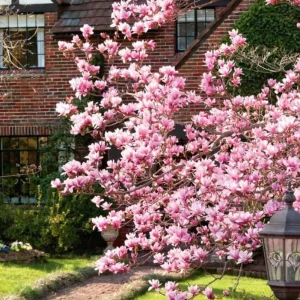
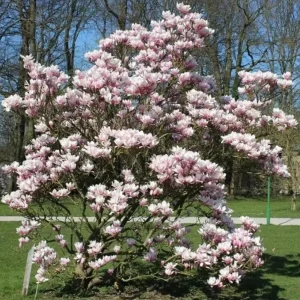
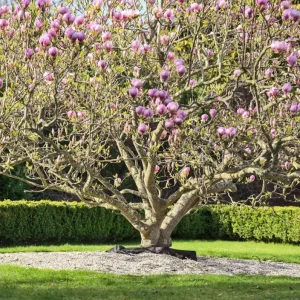
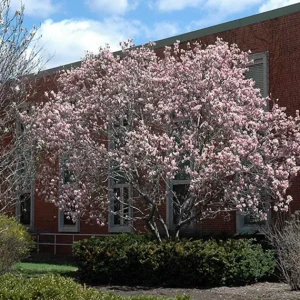
Bring timeless beauty to your landscape with the saucer magnolia live plant. This stunning deciduous tree features spectacular large pink and white blossoms in early spring. Ideal for USDA Zones 4-9, it’s a versatile choice for gardens.
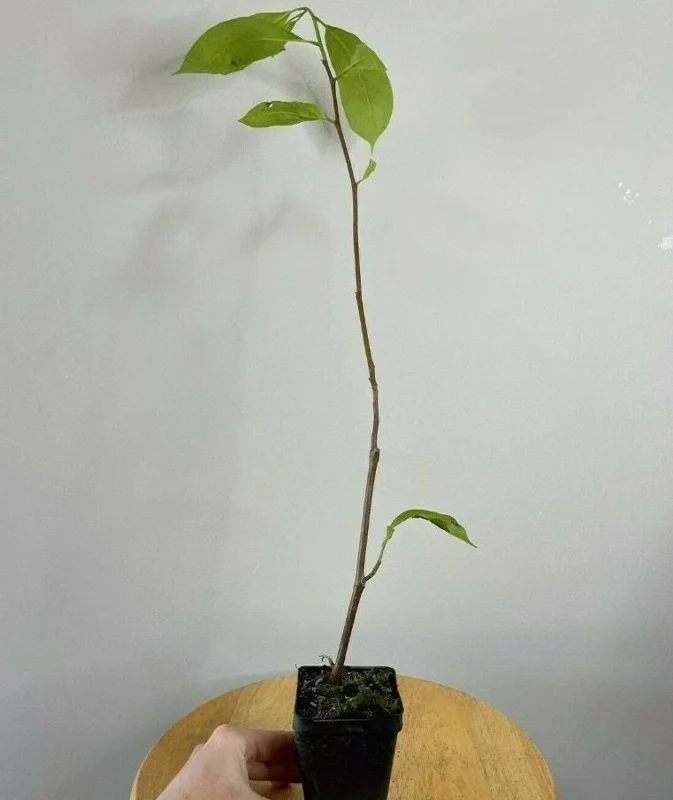
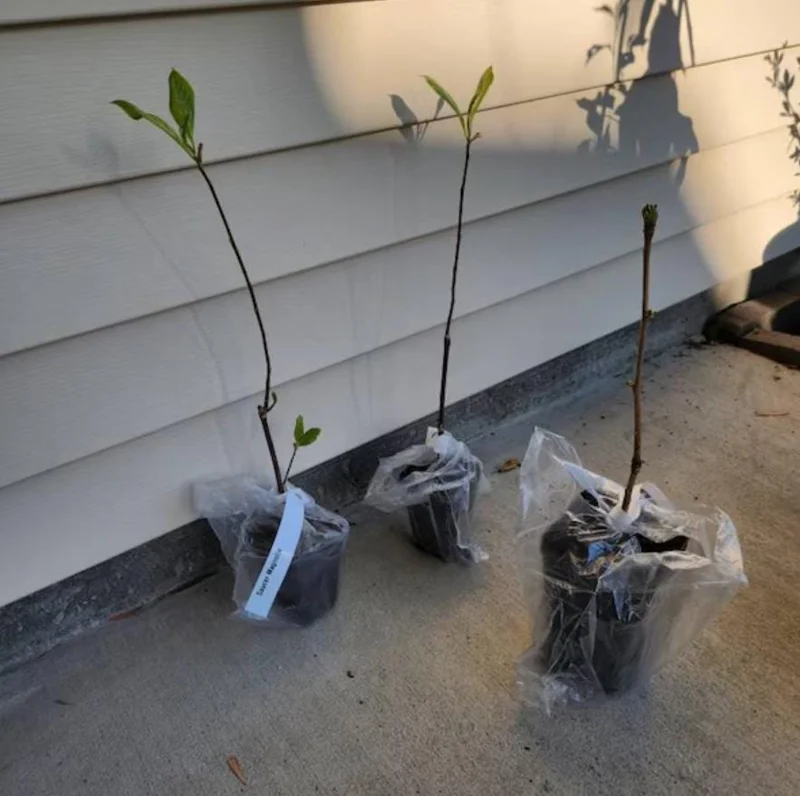
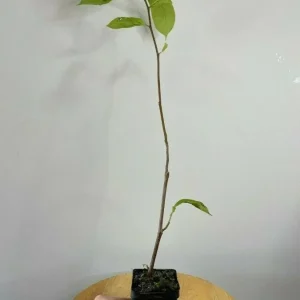
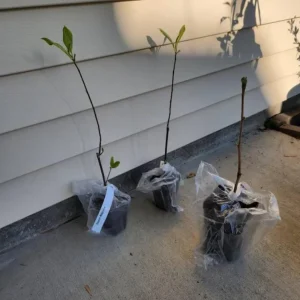
- Ships as a saucer magnolia live plant in a 2.5″ pot, 6-12 inches tall.
- Known for its eye-catching pink and white flowers.
- Can be grown as a tree or multi-stemmed shrub.
Original price was: $33.98.$23.78Current price is: $23.78.

With our Alive & Thrive Guarantee, we’ve got your back for the first 30 days! If you have any concerns about your plants, just reach out to us. Our team is here to help answer your questions and guide you in selecting the best plants for your garden, climate, and unique preferences. We're excited to help you create the garden of your dreams!
Estimated arrival
Apr 01
Apr 06 - Apr 08
Apr 11 - Apr 15
Product Details
-
USDA Hardiness Zone
4-9 -
Soil type
Acidic, loamy, well-drained soil -
Sunlight Exposure
Full sun -
Expected Planting Period
Early spring to fall
Overview
Introduce breathtaking beauty to your garden with the saucer magnolia live plant (Magnolia × soulangeana). This iconic deciduous tree is celebrated for its spectacular, large pink and white goblet-shaped flowers that emerge in early spring, often before its leaves. A true harbinger of warmer weather, the Saucer Magnolia transforms any landscape into a vibrant display of color. Known for its robust nature and adaptability, the saucer magnolia live plant is a favorite among gardeners in both the U.S. and Europe, offering a magnificent focal point for various garden styles. It’s a living testament to nature’s artistry, providing seasonal interest from its striking blooms to its lush summer foliage and smooth, silvery-gray bark.
The Magnolia × soulangeana, commonly known as the Saucer Magnolia, is a hybrid species that combines the best traits of its parent plants. This particular offering is a healthy, established saucer magnolia live plant shipped in a 2.5-inch pot, standing approximately 6-12 inches tall, ready to be planted and begin its journey of growth in your garden. Its versatility allows it to be cultivated as a small single-trunk tree, a multi-stemmed shrub, or even a larger shrub, making it suitable for a diverse range of garden designs and sizes.
Key Benefits
The saucer magnolia live plant offers a wealth of benefits that make it an indispensable addition to any garden or landscape, providing beauty and interest throughout the seasons. Its captivating presence is sure to enhance your outdoor living space.
- Spectacular Early Spring Blooms: Enjoy an explosion of large, elegant pink and white saucer-shaped flowers that appear in late February through April, often before the leaves emerge, signaling the arrival of spring. These showy blossoms create an unforgettable visual impact.
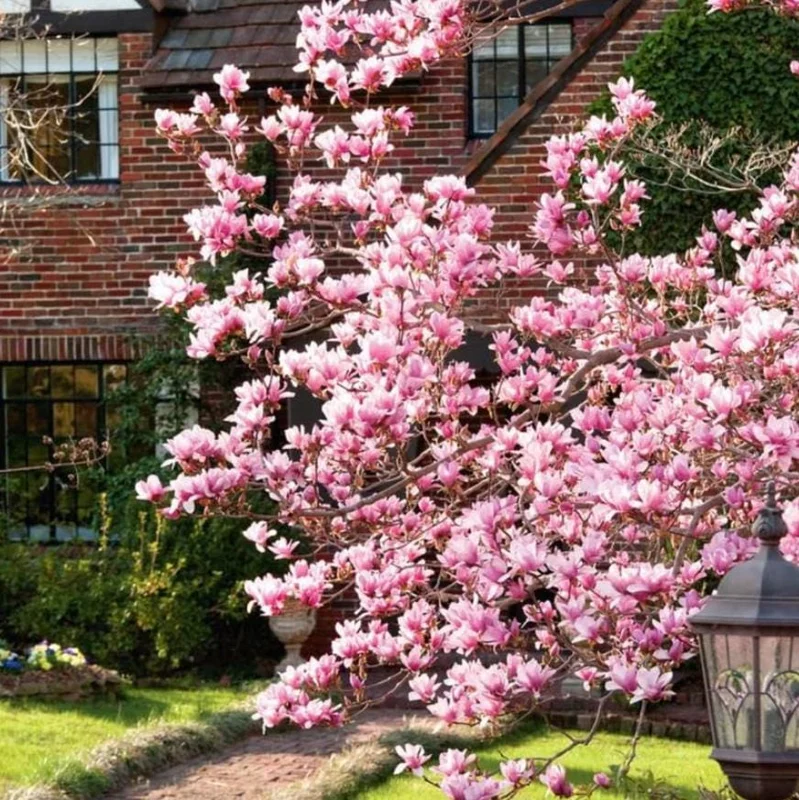
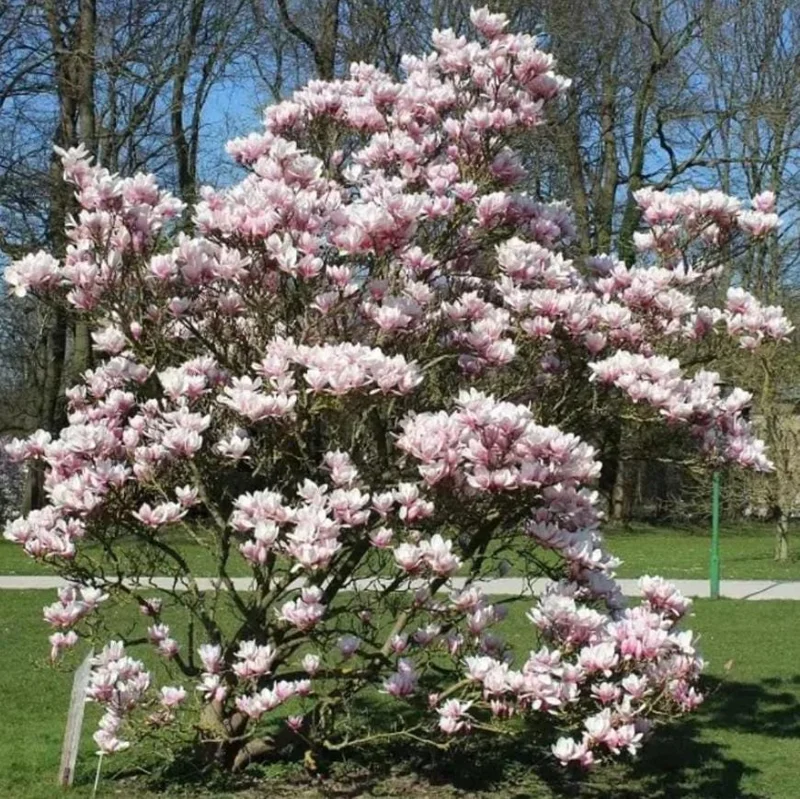
- Versatile Growth Habit: This saucer magnolia live plant can be trained to grow as a classic single-trunk tree, a more informal multi-stemmed small tree, or a generous shrub, allowing for flexibility in garden design and fitting various landscape needs.
- Attractive Year-Round Interest: Beyond its stunning flowers, the Saucer Magnolia boasts lush green leaves during summer, which provide a beautiful contrast to its smooth, silvery-gray bark, ensuring visual appeal even when not in bloom.
- Moderate Growth Rate: Growing at a medium rate of about 13–24 inches per year, this deciduous magnolia reaches a mature size that is manageable for most garden settings, allowing you to enjoy its beauty without overwhelming your space.
- Hardy and Adaptable: Thriving in a wide range of climates, the Saucer Magnolia is hardy in USDA Zones 4–9, making it a reliable choice for many regions across the United States. It’s a robust and resilient plant that adapts well to various environmental conditions.
- Popular and Widely Loved: As one of the most popular magnolia species, its widespread appeal in U.S. and European landscapes speaks to its undeniable charm and horticultural value.
- Easy to Care For: With its moderate watering needs and preference for full sun and well-drained soil, this plant offers a relatively low-maintenance option for a high-impact garden feature.
Plant Care & Growing Tips
Caring for your saucer magnolia live plant is straightforward, and with the right conditions, it will flourish and reward you with its magnificent blooms for years to come. Providing the ideal environment is key to ensuring a healthy and vibrant tree. For optimal flowering and growth, plant your Saucer Magnolia in a location that receives full sun, meaning at least 6 hours of direct sunlight daily. While it can tolerate partial shade, full sun exposure will result in the most abundant and impressive floral display. Ensure the planting site has good air circulation to prevent fungal issues.
The magnolia soulangeana care routine emphasizes well-drained soil. This plant thrives in acidic, loamy, and consistently moist but not waterlogged soil. Before planting, consider amending heavy clay soils with organic matter to improve drainage. For sandy soils, adding compost can help retain moisture and nutrients. Once established, provide moderate watering, especially during dry periods or extended droughts. Young plants will require more consistent watering to help establish their root system. Fertilize lightly in early spring with a balanced, slow-release fertilizer formulated for acid-loving plants. Avoid over-fertilizing, which can burn the roots.
This pink magnolia tree is hardy in USDA Zones 4–9, making it suitable for a broad range of climates. It can withstand winter temperatures in these zones, but young plants may benefit from winter protection in the colder parts of its range. Pruning should be done sparingly and ideally right after blooming in spring to maintain shape and remove any dead or damaged branches. Avoid heavy pruning, as this can reduce the following year’s flower production. When planting, ensure the root ball is level with or slightly above the soil surface to prevent root rot. Proper planting and consistent magnolia soulangeana care will ensure your tree thrives.
Size & Details
This offering is for a healthy saucer magnolia live plant, shipped in a 2.5-inch pot. At the time of shipping, the plant will have an approximate height of 6–12 inches, providing a strong foundation for future growth. The Saucer Magnolia (Magnolia × soulangeana) is a deciduous flowering tree/shrub that exhibits a moderate growth rate, typically adding about 13–24 inches in height per year under optimal conditions. It will eventually grow into a medium-sized tree or shrub, reaching a mature size that varies depending on its training and environmental factors, generally between 20-30 feet tall and wide.
The plant features stunning pink and white large saucer-shaped flowers, which are the highlight of its bloom period from late February through April. It’s also known to produce sporadic blooms throughout summer and into winter in some climates. It prefers full sun exposure (minimum 6 hours direct sun daily) and thrives in acidic, loamy, well-drained soil. This spring flowering tree is hardy in USDA Zones 4–9, making it a versatile choice for many gardeners. It arrives as a potted plant, ensuring minimal transplant shock and a higher success rate when planted in your garden.
Frequently Asked Questions
- Q: How big does this saucer magnolia live plant get? A: The Saucer Magnolia is a medium-sized tree or shrub, typically reaching a mature height and spread of 20-30 feet. It grows at a moderate rate of 13-24 inches per year.
- Q: What size pot does it come in? A: This saucer magnolia live plant is shipped in a 2.5-inch nursery pot, and its height at shipping will be approximately 6-12 inches.
- Q: Is this an indoor or outdoor plant? A: The Saucer Magnolia is primarily an outdoor plant, hardy in USDA Zones 4-9. It thrives in garden settings where it can receive full sun.
- Q: How much sunlight does the magnolia soulangeana care require? A: This plant requires full sun, meaning at least 6 hours of direct sunlight daily, for the best flowering and healthy growth.
- Q: Is this plant easy to care for? A: Yes, the Saucer Magnolia is considered relatively easy to care for, especially once established. It requires moderate watering and prefers well-drained, acidic soil. It’s a good choice for gardeners looking for a high-impact, low-fuss spring flowering tree.
- Q: What condition will the plant arrive in? A: Your saucer magnolia live plant will arrive as a healthy, potted plant. If shipped in winter, it may be dormant and leafless, which is normal for a deciduous plant.
- Q: When is the best time to plant this pink magnolia tree? A: The best time to plant is in early spring or fall when temperatures are mild. This allows the plant to establish its root system before extreme heat or cold.
- Q: Will it survive winter in my zone? A: The Saucer Magnolia is hardy in USDA Zones 4-9. If you are within these zones, it should comfortably survive winter. In colder zones, young plants may benefit from some winter protection.
- Q: How long until it blooms? A: While young plants may not bloom in their first year, a healthy, established deciduous magnolia typically begins to produce its signature pink and white flowers in early spring, usually within a few years of planting.
- Q: What type of soil does it prefer? A: It thrives in acidic, loamy, and well-drained soil. Good drainage is crucial to prevent root rot.
Related products
-50%
Original price was: $73.98.$36.99Current price is: $36.99.
-20%
Original price was: $36.00.$28.80Current price is: $28.80.
PLANTING & CARE

Growing Glencoe Raspberry: A Complete Guide for Gardeners
If you’re looking to add something unique to your garden, look no further than the
31
Mar
Mar

The Comprehensive Guide to Growing Bay Leaf Plants for a Flavorful Garden
Imagine stepping into your garden, greeted by the earthy aroma of fresh bay leaves, their
09
Feb
Feb

How to Make Comfrey Tea: The Ultimate Organic Plant Food
Growing an organic garden can be surprisingly expensive, especially when most store-bought fertilizers come in
02
Feb
Feb

True Comfrey: 7 Essential Tips Before You Plant This Herb
A staple in permaculture practices across the US, True Comfrey easily earns its reputation as
27
Jan
Jan

7 Heart-Shaped Plants for a Lasting Valentine’s Gift
If you’ve ever bought a bouquet of roses for Valentine’s Day, you know they are
26
Jan
Jan

Best Types of Ivy Plant for Houses: How to Choose the Perfect Ones for Your Home
Are you a garden lover looking to introduce some greenery into your home? Maybe you’ve
14
Nov
Nov

When to Harvest Garlic (Especially Fall-Planted Garlic)
TIMING IS EVERYTHING, they say – and for garlic, that truth hits with surprising accuracy.
13
Nov
Nov

11 of the Best Sweet Potato Varieties to Grow for Your Garden
If you’ve ever tried growing sweet potatoes, you know that picking the right variety can
12
Nov
Nov