Snowball Viburnum Live Plant – Old Fashion Shrub, White Flowers, 4 Inch Pot
-50%
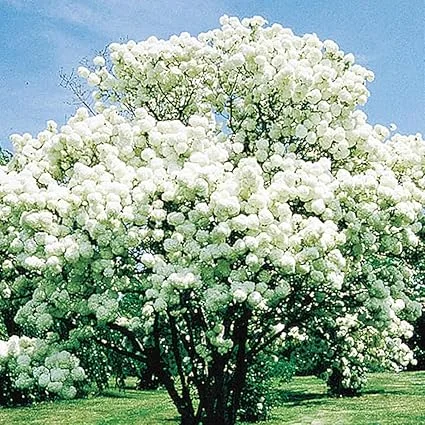
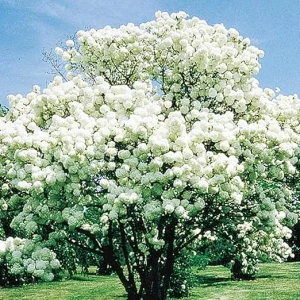
Snowball Viburnum Live Plant – Old Fashion Shrub, White Flowers, 4 Inch Pot
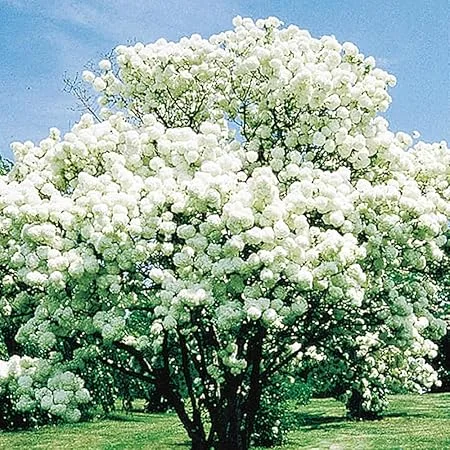
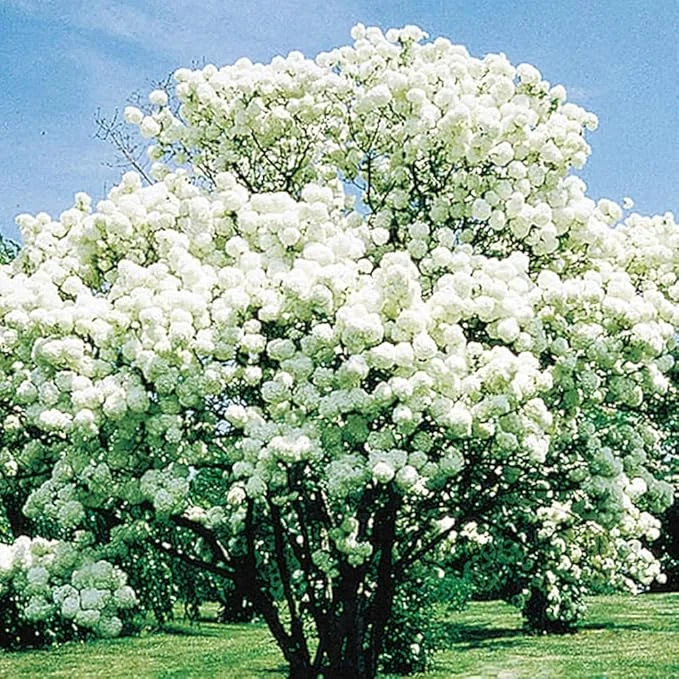
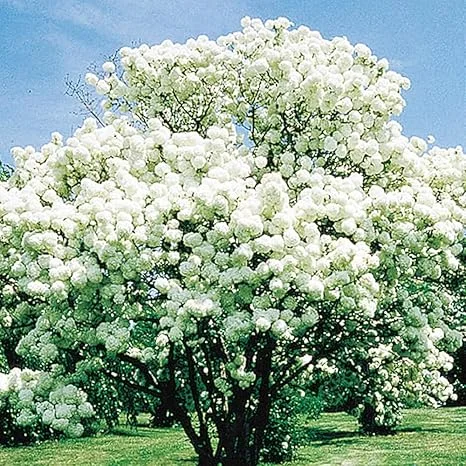
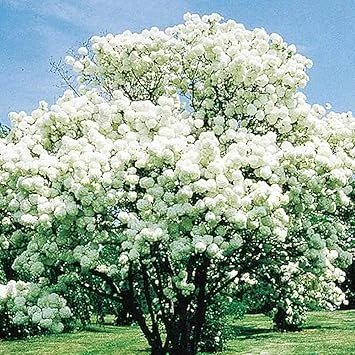
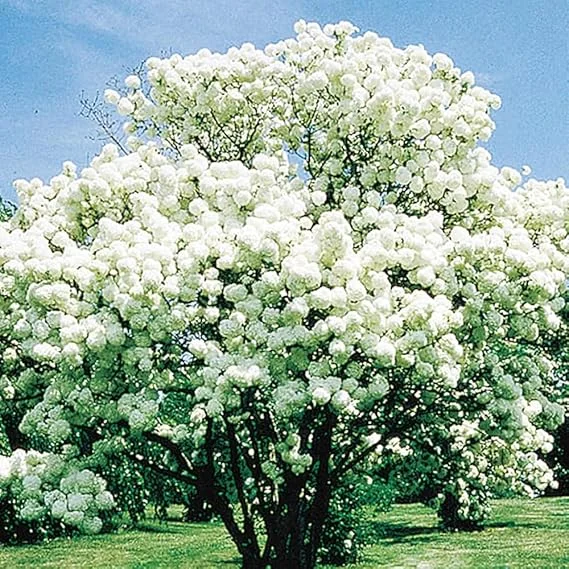
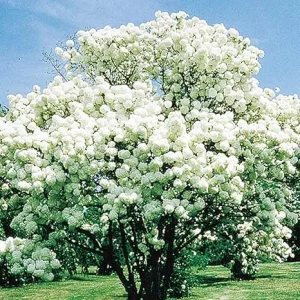
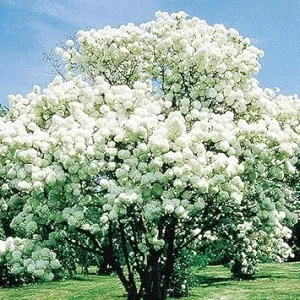
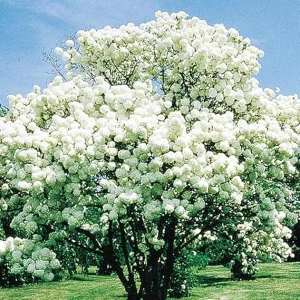
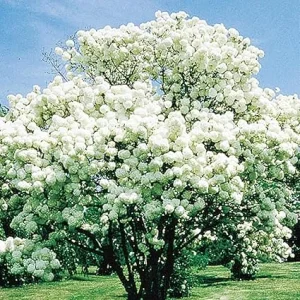
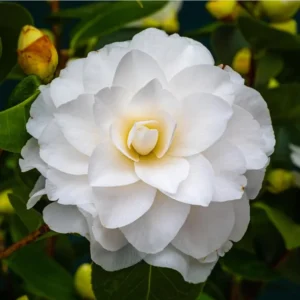
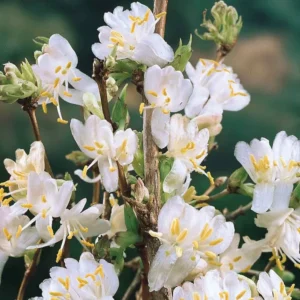
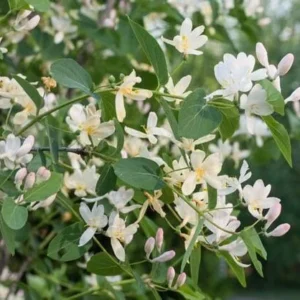
Bring classic beauty to your landscape with the snowball viburnum live plant. This Old Fashion Viburnum shrub is renowned for its stunning, globe-shaped white flowers in late spring to early summer, followed by brilliant fall foliage. Perfect for creating elegant hedges or as a standalone specimen plant, it thrives in full sun and is adaptable to various garden settings. Arrives in a 4 inch pot, ready for planting.
Original price was: $59.38.$29.69Current price is: $29.69.

With our Alive & Thrive Guarantee, we’ve got your back for the first 30 days! If you have any concerns about your plants, just reach out to us. Our team is here to help answer your questions and guide you in selecting the best plants for your garden, climate, and unique preferences. We're excited to help you create the garden of your dreams!
Estimated arrival
Apr 13
Apr 18 - Apr 20
Apr 23 - Apr 27


Product Details
-
USDA Hardiness Zone
USDA 3-8 -
Soil type
Well-draining, moist, rich in organic matter -
Sunlight Exposure
Full Sun -
Expected Planting Period
Spring to Fall
Overview
Transform your garden into a breathtaking haven with the magnificent snowball viburnum live plant. Also known as the Old Fashion Viburnum or Snowball Bush, this deciduous flowering shrub is a timeless favorite among gardeners for its spectacular display. Originating from Europe and Asia, this particular variety, Viburnum opulus ‘Roseum’, is celebrated for its abundant, sterile, snowball-like clusters of white flowers that emerge in late spring to early summer. These large, rounded blooms create a dramatic visual impact, making it a focal point in any landscape. Beyond its stunning floral show, the old fashion viburnum shrub offers lush green foliage that transitions to brilliant shades of red and purple in the fall, providing multi-seasonal interest. This robust and adaptable plant is ideal for those looking to add structure, beauty, and a touch of classic elegance to their outdoor spaces.
Our snowball viburnum live plant arrives healthy and ready to thrive, cultivated for optimal growth and performance. Whether you’re an experienced gardener or just starting, this viburnum is a rewarding addition, promising years of beauty with relatively straightforward care. Its vigorous growth habit and impressive bloom size make it a standout choice for various garden designs, from formal hedges to informal cottage gardens. Prepare to enjoy a spectacular show of white blooms and vibrant fall color with this exceptional flowering shrub.
Key Benefits
The snowball viburnum live plant offers a multitude of benefits, making it an excellent choice for diverse garden applications. Its ornamental value is unmatched, providing gorgeous seasonal displays that captivate and charm. Consider these advantages when planning your landscape:
- Spectacular Floral Display: Enjoy an abundance of large, globe-shaped white flower clusters that resemble snowballs in late spring to early summer, creating a stunning visual impact. These blooms are perfect for cutting and bringing indoors.
- Vibrant Fall Color: The lush green foliage transforms into brilliant shades of red and purple in autumn, extending the plant’s ornamental appeal through multiple seasons. This adds dynamic color to your landscape.
- Versatile Landscape Use: Ideal for creating dramatic hedges, privacy screens, or as a magnificent specimen plant. Its mature size and shape lend themselves well to various garden designs, from traditional to contemporary.
- Hardy and Adaptable: Thrives in USDA Hardiness Zones 3-8, demonstrating excellent resilience to a range of climates. This makes it a reliable choice for many regions across the United States.
- Low Maintenance Growth: Once established, this viburnum snowball bush requires moderate watering and minimal pruning, making it suitable for gardeners seeking high impact with less effort.
- Attracts Pollinators: While the common ‘Roseum’ variety has sterile flowers, other viburnum species are known to attract beneficial insects, contributing to garden biodiversity.
- Classic Appeal: Its long-standing popularity in gardens speaks to its timeless beauty and reliability, adding a touch of old-world charm to modern landscapes.
Plant Care & Growing Tips
Caring for your snowball viburnum live plant is relatively straightforward, ensuring years of beautiful blooms and foliage. This hardy shrub prefers a location with full sun exposure, meaning at least 6 hours of direct sunlight per day, to achieve the best flowering. While it can tolerate partial shade, flowering may be reduced. When planting, ensure the soil is well-draining, moist, and rich in organic matter. A slightly acidic to neutral pH (6.0-7.0) is ideal. If your soil is heavy clay or very sandy, amend it with compost or other organic materials to improve drainage and fertility.
Watering is crucial, especially during the first growing season to establish a strong root system. The old fashion viburnum shrub requires moderate watering; keep the soil consistently moist but not waterlogged. Once established, it becomes more tolerant of short dry spells but will perform best with regular moisture, particularly during dry periods. Fertilize in early spring with a balanced, slow-release granular fertilizer formulated for flowering shrubs. Avoid over-fertilizing, which can promote leafy growth at the expense of flowers. Pruning is best done immediately after flowering to shape the plant and remove any dead or weak branches. This also encourages more robust blooming the following year. For rejuvenation, you can prune out up to one-third of the oldest stems to the ground every few years.
The viburnum plant care routine also includes monitoring for common pests and diseases. Viburnums are generally robust, but can occasionally be affected by aphids, viburnum leaf beetles, or powdery mildew. Good air circulation and proper watering practices can help prevent fungal issues. If you notice signs of pests, treat with appropriate organic or chemical controls. Protecting younger plants in colder zones during severe winters with mulch around the base can be beneficial, though established plants are quite cold-hardy within their USDA 3-8 range.
Size & Details
This snowball viburnum live plant is shipped in a 4 inch pot, ready for immediate planting in your garden. At maturity, the old fashion viburnum shrub typically reaches a height of 8-12 feet tall with a spread of 8-10 feet wide, forming a dense and rounded bush. Its vigorous growth rate means you’ll see significant development within a few seasons, quickly establishing itself as a prominent feature in your landscape. The plant’s robust root system and healthy foliage ensure a strong start when transplanted, provided it receives proper care.
The impressive white flower clusters, which are the hallmark of this plant, emerge from late spring to early summer, offering a spectacular show just as many other spring bloomers are fading. These blooms are sterile, meaning they do not produce berries, which is characteristic of the ‘Roseum’ cultivar. The plant’s mature size makes it an excellent choice for creating natural privacy screens, backdrop plantings, or as a striking standalone specimen. With its reliable performance and stunning seasonal attributes, this viburnum flowering shrub is a valuable investment for any garden enthusiast.
Frequently Asked Questions
- Q: How big does this snowball viburnum live plant get? A: This shrub typically grows to a mature height of 8-12 feet tall and spreads 8-10 feet wide, forming a large, rounded bush. Its size makes it suitable for hedges or as a prominent specimen plant.
- Q: What size pot does it come in? A: The old fashion viburnum shrub is shipped in a 4 inch nursery pot, providing a healthy root system ready for transplanting into your garden or a larger container.
- Q: Is this an indoor or outdoor plant? A: This is an outdoor plant, specifically a deciduous shrub that is hardy in USDA Zones 3-8. It requires outdoor conditions to thrive and experience its natural growth cycle.
- Q: How much sunlight does it need? A: The viburnum snowball bush performs best in full sun, meaning at least 6 hours of direct sunlight per day. It can tolerate partial shade, but flowering may be less abundant.
- Q: Is this plant easy to care for? A: Yes, once established, the snowball viburnum live plant is considered low to moderate maintenance. It requires consistent moisture, especially when young, and occasional pruning after flowering.
- Q: What condition will it arrive in? A: Your plant will arrive healthy and carefully packaged in its 4 inch pot, ready for planting. We ensure it’s protected during transit to reach you in optimal condition.
- Q: How long until it blooms? A: Depending on its age and growing conditions, your viburnum flowering shrub may bloom in its first or second year after planting. Established plants will reliably bloom from late spring to early summer.
- Q: When is the best time to plant this viburnum? A: Spring or early fall are generally the best times to plant your snowball viburnum live plant, allowing it to establish its root system before extreme temperatures.
- Q: Will it survive winter in my zone? A: Yes, this viburnum is hardy in USDA Zones 3-8, meaning it is well-suited to survive cold winters in those regions. Established plants are quite resilient to winter conditions.
- Q: What are the moisture needs for this plant? A: This plant has moderate watering needs. Keep the soil consistently moist but not waterlogged, especially during dry periods and its establishment phase.
Related products
-10%
Original price was: $23.99.$21.59Current price is: $21.59.
-20%
Original price was: $36.00.$28.80Current price is: $28.80.
-30%
Original price was: $73.98.$51.78Current price is: $51.78.
-20%
Original price was: $66.00.$52.80Current price is: $52.80.
-50%
Original price was: $49.98.$24.99Current price is: $24.99.
-20%
Original price was: $76.00.$60.80Current price is: $60.80.
PLANTING & CARE

Growing Glencoe Raspberry: A Complete Guide for Gardeners
If you’re looking to add something unique to your garden, look no further than the
31
Mar
Mar

The Comprehensive Guide to Growing Bay Leaf Plants for a Flavorful Garden
Imagine stepping into your garden, greeted by the earthy aroma of fresh bay leaves, their
09
Feb
Feb

How to Make Comfrey Tea: The Ultimate Organic Plant Food
Growing an organic garden can be surprisingly expensive, especially when most store-bought fertilizers come in
02
Feb
Feb

True Comfrey: 7 Essential Tips Before You Plant This Herb
A staple in permaculture practices across the US, True Comfrey easily earns its reputation as
27
Jan
Jan

7 Heart-Shaped Plants for a Lasting Valentine’s Gift
If you’ve ever bought a bouquet of roses for Valentine’s Day, you know they are
26
Jan
Jan

Best Types of Ivy Plant for Houses: How to Choose the Perfect Ones for Your Home
Are you a garden lover looking to introduce some greenery into your home? Maybe you’ve
14
Nov
Nov

When to Harvest Garlic (Especially Fall-Planted Garlic)
TIMING IS EVERYTHING, they say – and for garlic, that truth hits with surprising accuracy.
13
Nov
Nov

11 of the Best Sweet Potato Varieties to Grow for Your Garden
If you’ve ever tried growing sweet potatoes, you know that picking the right variety can
12
Nov
Nov