Sugar Maple Live Plant – Quart Pot – Native Deciduous Tree – Acer saccharum
-30%
Sugar Maple Live Plant – Quart Pot – Native Deciduous Tree – Acer saccharum
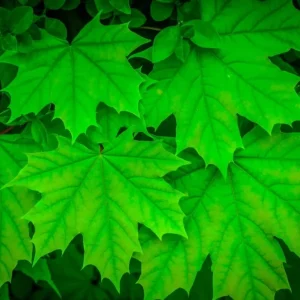
Bring home a sugar maple live plant in a quart nursery pot, perfect for adding vibrant fall color and shade to your landscape. This native deciduous tree, Acer saccharum, is known for its iconic palmate leaves and potential for maple syrup production.
Original price was: $59.98.$41.98Current price is: $41.98.

With our Alive & Thrive Guarantee, we’ve got your back for the first 30 days! If you have any concerns about your plants, just reach out to us. Our team is here to help answer your questions and guide you in selecting the best plants for your garden, climate, and unique preferences. We're excited to help you create the garden of your dreams!
Estimated arrival
Mar 31
Apr 05 - Apr 07
Apr 10 - Apr 14

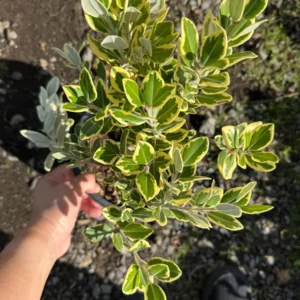
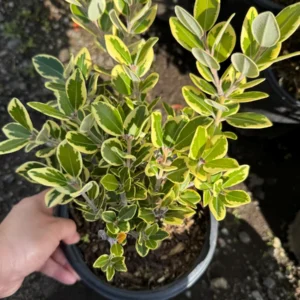
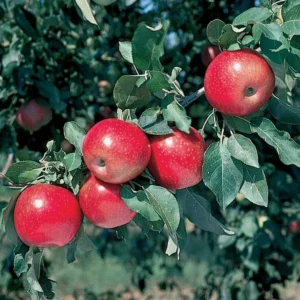
Product Details
-
USDA Hardiness Zone
USDA Zones 3-8 -
Soil type
Well-draining, fertile, slightly acidic to neutral soil -
Sunlight Exposure
Full sun to partial shade -
Expected Planting Period
Early spring or early fall
Overview
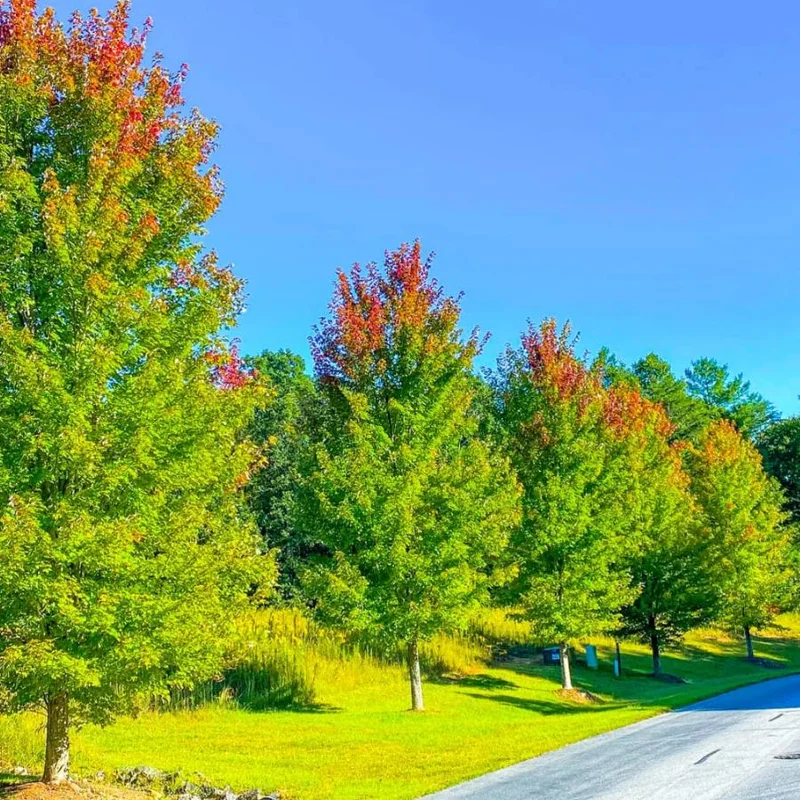
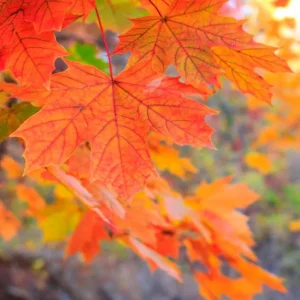
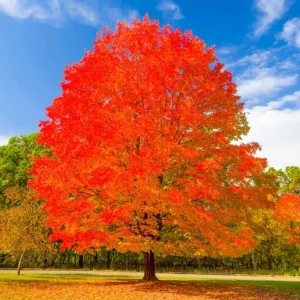
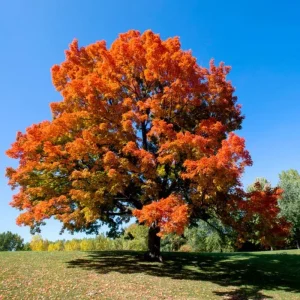
Experience the majestic beauty and vibrant autumn display of a sugar maple live plant. This iconic North American tree, scientifically known as Acer saccharum, is a beloved addition to any garden or landscape. Native to the hardwood forests of eastern Canada and the eastern United States, the sugar maple live plant is renowned for its brilliant fall foliage, which transforms into breathtaking shades of yellow, orange, and fluorescent red-orange. Beyond its stunning visual appeal, this versatile native deciduous tree is also the primary source of natural maple syrup, making it a practical and charming choice for those seeking both beauty and utility in their yard. Our live plants are shipped in a quart nursery pot, ready for successful planting and growth.
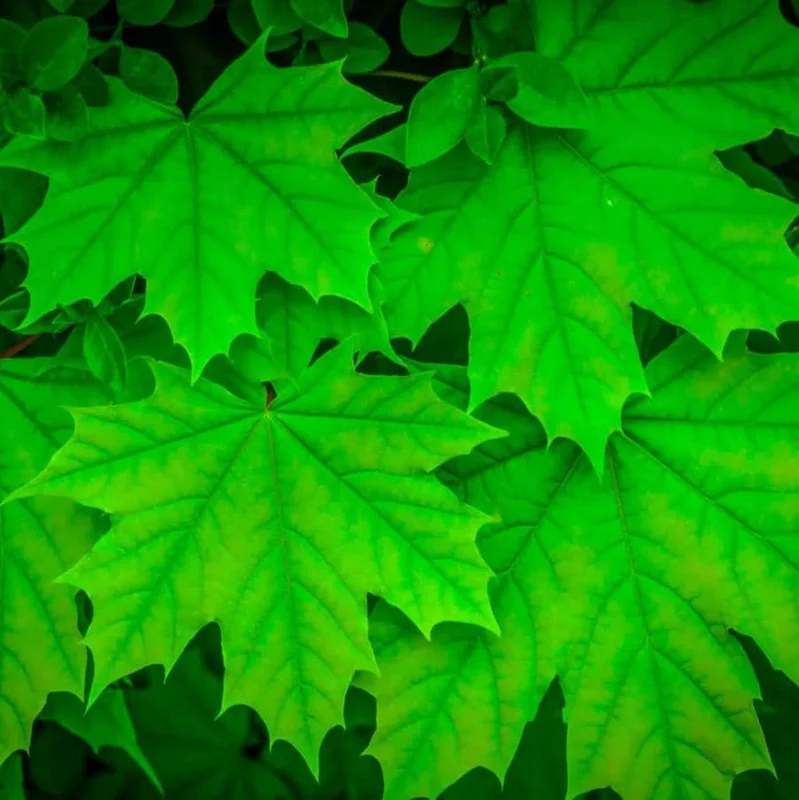
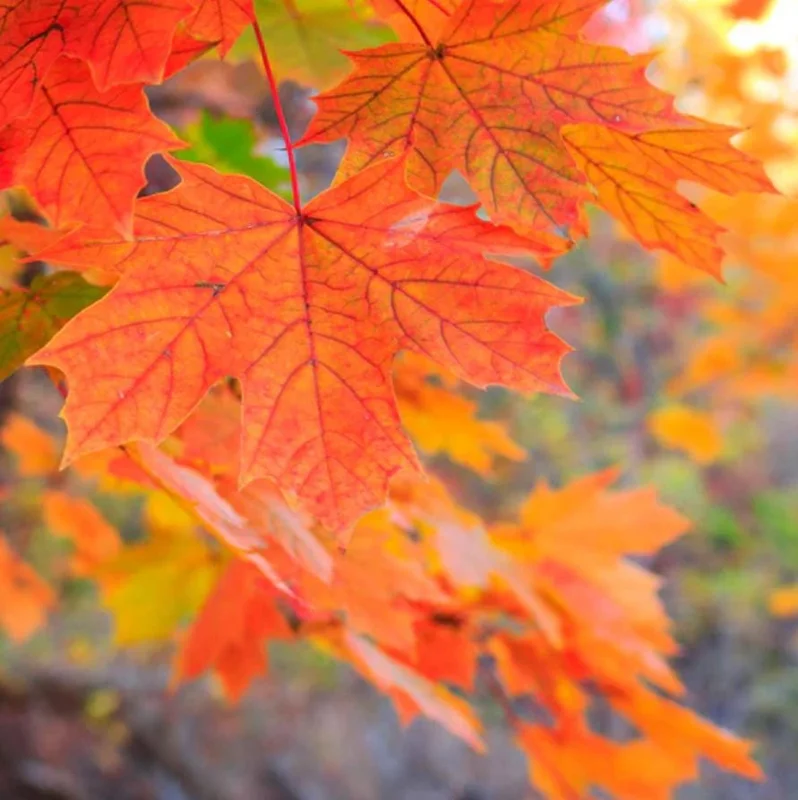
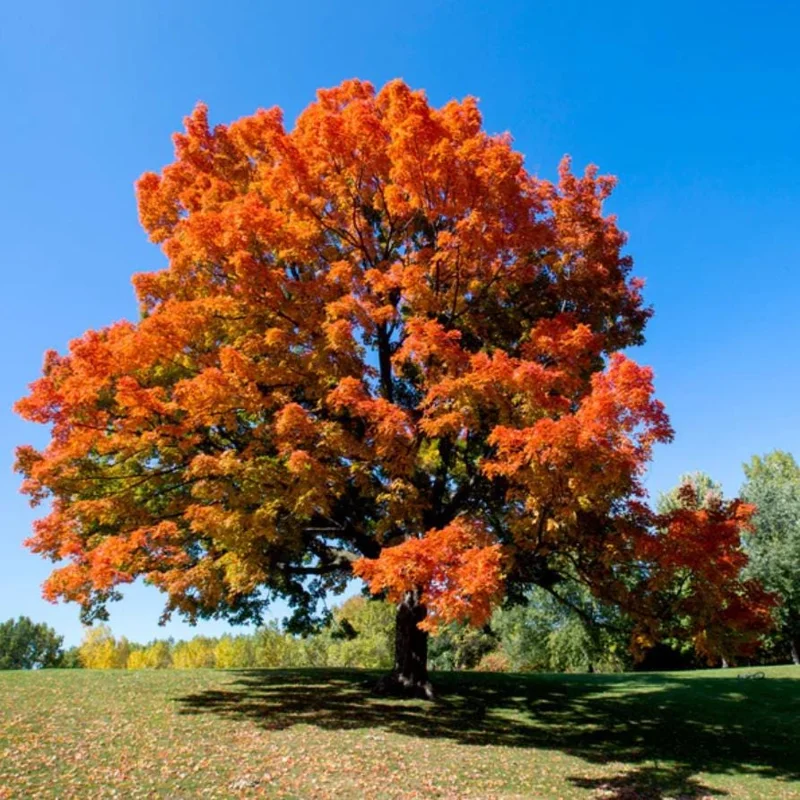
The acer saccharum tree forms a broad, stately canopy, providing excellent shade during warmer months and significant visual interest year-round. Its distinctive palmate leaves with five lobes and rounded notches are instantly recognizable, embodying the classic maple leaf shape. Whether you’re looking to create a shaded retreat, attract wildlife, or simply enjoy spectacular seasonal color, the sugar maple live plant offers a timeless charm and natural heritage that will enhance your outdoor space for decades to come.
Key Benefits
Adding a sugar maple live plant to your property brings a multitude of advantages, from aesthetic appeal to practical uses and ecological benefits. This robust native deciduous tree is an investment in both the beauty and value of your home.
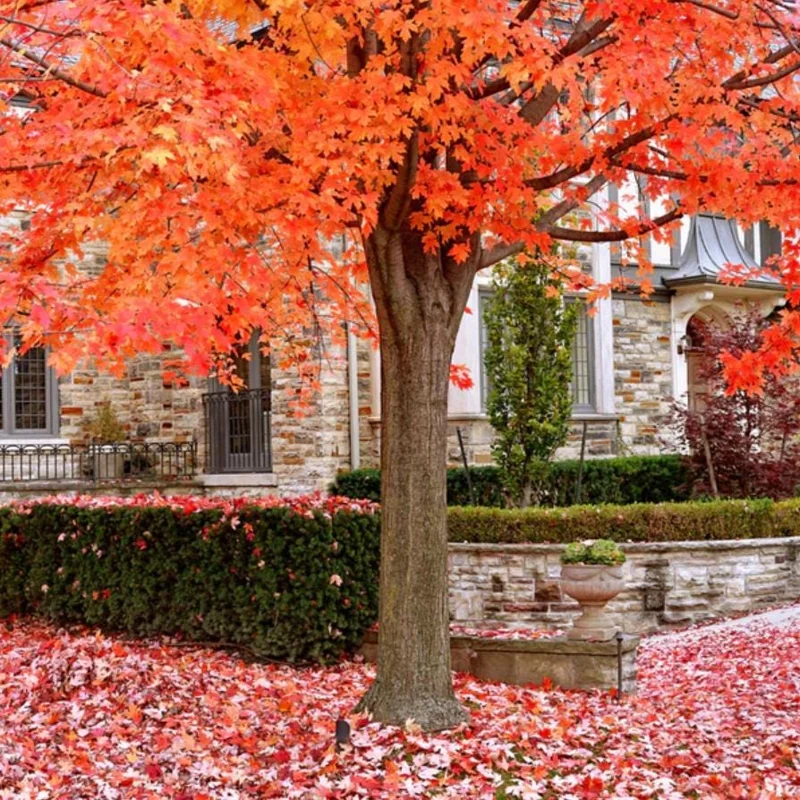
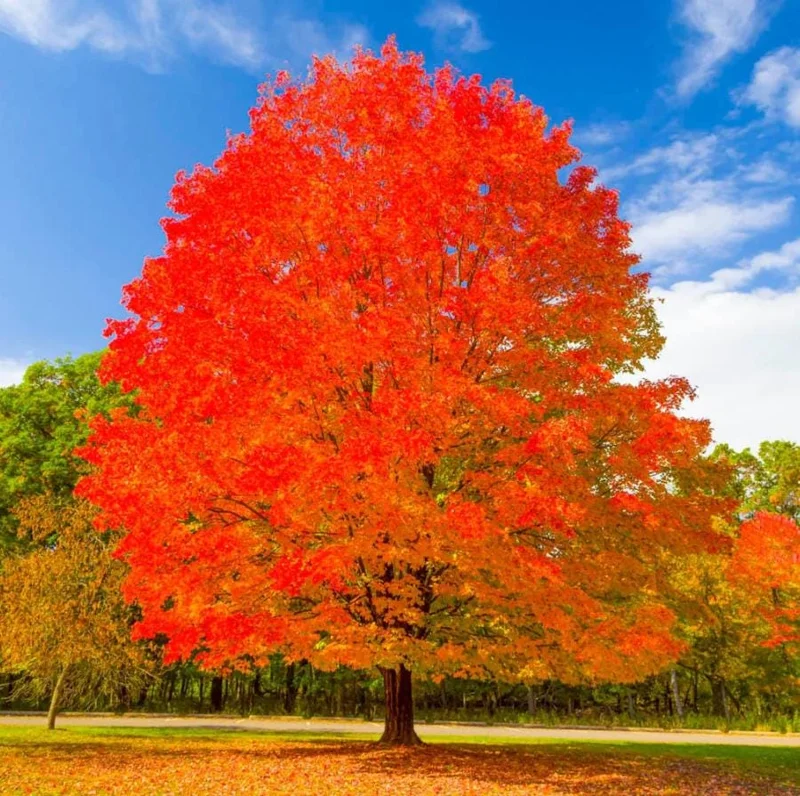
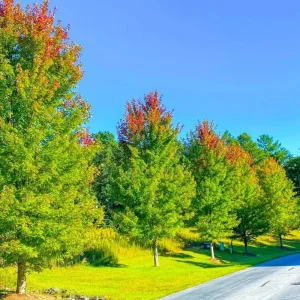
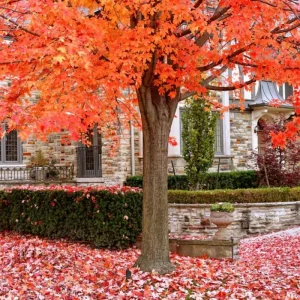
- Spectacular Fall Color: Enjoy an unparalleled display of brilliant yellow, orange, and fluorescent red-orange foliage each autumn, making it a true centerpiece of your landscape. This vibrant fall color tree creates a stunning visual spectacle that homeowners and visitors alike will admire.
- Excellent Shade Provider: With its potential to grow into a large tree with a dense canopy, the Sugar Maple offers significant shade, helping to cool your home and outdoor living spaces during hot summer months. Its broad spread provides a comfortable respite from the sun.
- Source of Natural Maple Syrup: The maple syrup tree is the primary species used for producing maple syrup, offering a unique opportunity for those interested in tapping their own syrup from a mature tree. This adds a practical and traditional element to your garden.
- Wildlife Attraction: Sugar Maples provide habitat and food for various wildlife, including birds and squirrels, contributing to the biodiversity of your garden. The seeds and buds are a valuable food source for many species.
- Native and Adaptable: As a native deciduous tree to Eastern North America, it is well-adapted to local climates and soils, making it relatively low-maintenance once established. Its natural resilience supports healthy growth in appropriate USDA zones.
- Durable Hardwood: The wood of the acer saccharum tree is highly valued as a strong, durable hardwood, often used in furniture, flooring, and other applications, adding to its long-term utility.
Plant Care & Growing Tips
Caring for your sugar maple live plant ensures its healthy growth and magnificent display for years to come. These trees are relatively low-maintenance once established, but proper initial care is crucial. Sugar Maples thrive in well-drained, fertile soil. While they can tolerate a range of soil types, they prefer slightly acidic to neutral pH. Ensure the planting site has good drainage to prevent root rot. For optimal growth, integrate organic matter into the soil during planting to improve fertility and structure. The young native deciduous tree will benefit from consistent moisture, especially during its first few years.
Sugar Maples prefer full sun to partial shade, meaning at least 4-6 hours of direct sunlight per day. While they can tolerate some shade, more sun generally leads to better fall color. Water regularly, especially during dry spells, to keep the soil consistently moist but not waterlogged. Deep watering encourages strong root development. Fertilize young trees with a balanced, slow-release fertilizer in early spring. Once mature, fertilization may not be necessary unless soil tests indicate a deficiency. This sturdy fall color tree is generally hardy in USDA Zones 3-8. Plants may arrive dormant with no leaves during colder months; this is normal and growth will resume as temperatures warm.
Size & Details
This offering is for a sugar maple live plant, shipped in a convenient quart nursery pot, ready for planting. Young Sugar Maples typically grow 25–35 feet tall within their first decade, demonstrating a moderate to fast growth rate. At maturity, a healthy acer saccharum tree can reach an impressive height of 80 to 150 feet with a spread of 40 to 50 feet, forming a grand, spreading canopy. The plant will arrive as a young specimen, carefully packaged to ensure a healthy journey to your home. It will establish itself and begin its journey towards becoming a magnificent maple syrup tree in your landscape. Expect to see significant growth and the iconic palmate leaves developing as the plant acclimates and grows.
Frequently Asked Questions
- Q: How big does this sugar maple live plant get? A: This sugar maple live plant is shipped in a quart pot. In its first 10 years, it can grow 25-35 feet tall. Mature trees can reach heights of 80-150 feet with a spread of 40-50 feet.
- Q: Is this an indoor or outdoor plant? A: The sugar maple live plant is an outdoor tree, best suited for planting in your garden or landscape. It requires ample space to grow to its full potential.
- Q: How much sunlight does a sugar maple need? A: Sugar Maples prefer full sun to partial shade, ideally receiving at least 4-6 hours of direct sunlight daily for optimal growth and the most vibrant fall color. While partial shade is tolerated, full sun promotes the best development for this fall color tree.
- Q: Is this native deciduous tree easy to care for? A: Yes, once established, the native deciduous tree is relatively low-maintenance. Key care involves proper watering during establishment and ensuring it’s planted in well-drained, fertile soil.
- Q: What condition will the plant arrive in? A: Your sugar maple live plant will arrive carefully packaged in a quart nursery pot, ready for planting. During colder months, it may arrive dormant with no leaves, which is a normal and healthy state.
- Q: When is the best time to plant a sugar maple? A: The best times to plant a sugar maple live plant are in early spring or early fall, allowing the roots to establish before extreme temperatures.
- Q: What USDA zones is this acer saccharum tree hardy in? A: This acer saccharum tree is hardy in USDA Zones 3 through 8, making it suitable for a wide range of climates across the United States.
- Q: Can I really get maple syrup from this tree? A: Yes, a mature maple syrup tree (Sugar Maple) is the primary source for producing maple syrup. It will take many years for the tree to reach a size suitable for tapping.
- Q: Will this tree attract wildlife? A: Yes, sugar maple live plants provide habitat and food sources for various wildlife, including birds and squirrels, contributing positively to your local ecosystem.
- Q: What kind of soil does a sugar maple prefer? A: The sugar maple live plant thrives in well-drained, fertile soil with a slightly acidic to neutral pH. It’s important to avoid overly compacted or consistently waterlogged soils.
Related products
-10%
Original price was: $36.99.$33.29Current price is: $33.29.
-50%
Original price was: $73.98.$36.99Current price is: $36.99.
PLANTING & CARE

Growing Glencoe Raspberry: A Complete Guide for Gardeners
If you’re looking to add something unique to your garden, look no further than the
31
Mar
Mar

The Comprehensive Guide to Growing Bay Leaf Plants for a Flavorful Garden
Imagine stepping into your garden, greeted by the earthy aroma of fresh bay leaves, their
09
Feb
Feb

How to Make Comfrey Tea: The Ultimate Organic Plant Food
Growing an organic garden can be surprisingly expensive, especially when most store-bought fertilizers come in
02
Feb
Feb

True Comfrey: 7 Essential Tips Before You Plant This Herb
A staple in permaculture practices across the US, True Comfrey easily earns its reputation as
27
Jan
Jan

7 Heart-Shaped Plants for a Lasting Valentine’s Gift
If you’ve ever bought a bouquet of roses for Valentine’s Day, you know they are
26
Jan
Jan

Best Types of Ivy Plant for Houses: How to Choose the Perfect Ones for Your Home
Are you a garden lover looking to introduce some greenery into your home? Maybe you’ve
14
Nov
Nov

When to Harvest Garlic (Especially Fall-Planted Garlic)
TIMING IS EVERYTHING, they say – and for garlic, that truth hits with surprising accuracy.
13
Nov
Nov

11 of the Best Sweet Potato Varieties to Grow for Your Garden
If you’ve ever tried growing sweet potatoes, you know that picking the right variety can
12
Nov
Nov