Sweet Almond Fragrance Live Bush Plant – Half Gallon Pot – Outdoor Shrub
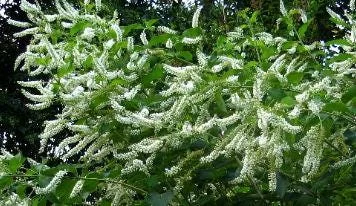
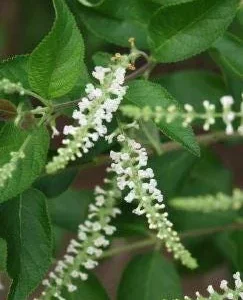
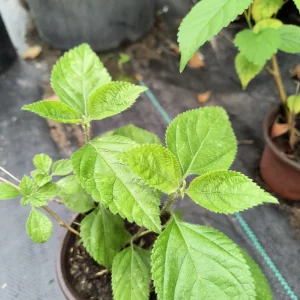
Sweet Almond Fragrance Live Bush Plant – Half Gallon Pot – Outdoor Shrub
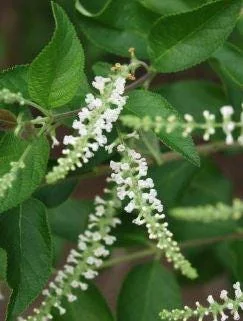
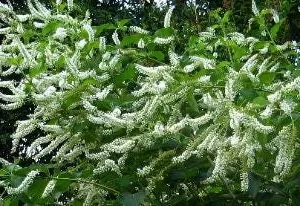
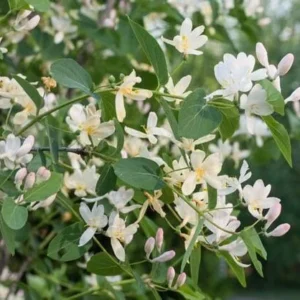
Add enchanting fragrance to your garden with a sweet almond bush. This charming shrub produces abundant, highly scented white flowers, perfect for hedges or as a specimen plant. Grown in a convenient half-gallon pot for easy planting.
$47.96

With our Alive & Thrive Guarantee, we’ve got your back for the first 30 days! If you have any concerns about your plants, just reach out to us. Our team is here to help answer your questions and guide you in selecting the best plants for your garden, climate, and unique preferences. We're excited to help you create the garden of your dreams!
Estimated arrival
Mar 30
Apr 04 - Apr 06
Apr 09 - Apr 13
Product Details
-
USDA Hardiness Zone
USDA Zones 4-8 -
Soil type
Well-draining, loamy soil -
Sunlight Exposure
Full sun -
Expected Planting Period
Spring to early fall
Overview
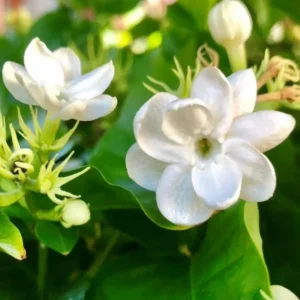
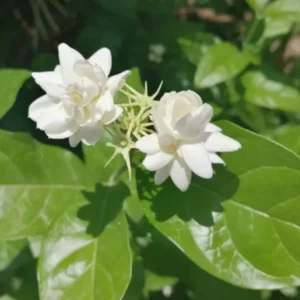
Introduce an aromatic delight to your outdoor space with the exquisite sweet almond bush. This live plant, often celebrated for its intoxicatingly sweet fragrance reminiscent of almonds, is a must-have for any garden enthusiast. Scientifically known as Prunus glandulosa ‘Alba Plena’ or sometimes referred to as Prunus triloba, this deciduous shrub offers a stunning display of white, double-petaled flowers that emerge in spring, often before its leaves. Its compact size and dense foliage make it an excellent choice for various landscape applications, from decorative borders to fragrant hedges. Imagine stepping into your garden and being greeted by the delightful perfume of this beautiful plant, transforming your outdoor environment into a sensory haven. This particular specimen comes as a robust live plant, ready to be transplanted and thrive in its new home.
The sweet almond plant is not only cherished for its scent but also for its ornamental value. Its delicate blossoms create a cloud-like effect, signaling the arrival of warmer weather. Even after the blooms fade, the attractive green foliage provides a pleasant backdrop throughout the growing season. This hardy shrub is relatively low-maintenance, making it suitable for both experienced gardeners and those just starting their horticultural journey. Whether you’re looking to attract pollinators, create a fragrant pathway, or simply enjoy its beauty, the sweet almond bush is a versatile and rewarding addition to any garden.
Key Benefits
The sweet almond bush offers a multitude of advantages that make it a standout choice for your garden. Its captivating attributes contribute to both the aesthetic appeal and the sensory experience of your outdoor living space.
- Enchanting Fragrance: The primary allure of this shrub is its powerful, sweet almond-like scent. The abundant white flowers release a delightful aroma that can perfume an entire section of your garden, especially on warm spring days. This natural fragrance creates a welcoming and serene atmosphere.
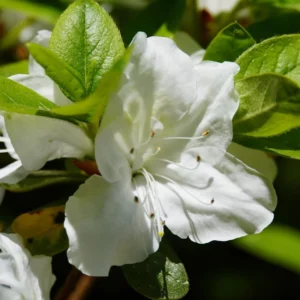
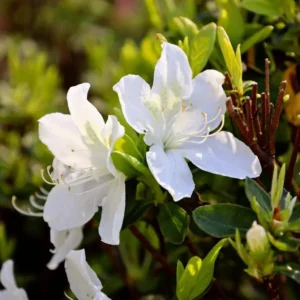
- Stunning Spring Blooms: Enjoy a spectacular display of double white flowers in early spring. These charming blossoms often appear on bare branches before the foliage emerges, making them a striking focal point when other plants are just waking up from winter dormancy.
- Attracts Pollinators: The fragrant blooms are a magnet for beneficial pollinators such as bees and butterflies, contributing to a healthier and more vibrant ecosystem in your garden. Supporting local wildlife is an important aspect of sustainable gardening.
- Versatile Landscape Use: With its moderate size and attractive form, the sweet almond plant is incredibly versatile. It can be used as a specimen plant, in mixed borders, as a low hedge, or even in large containers on patios or balconies, adding elegance wherever it’s placed.
- Low Maintenance: Once established, this shrub is relatively easy to care for, requiring minimal attention. It’s known for its resilience and tolerance to various conditions, making it a great option for gardeners seeking beauty without excessive effort.
- Hardy and Adaptable: The sweet almond fragrance plant is a robust shrub that can adapt to a range of soil types and environmental conditions, provided its basic needs for sunlight and drainage are met. Its hardiness ensures it will thrive in many different climates.
- Ornamental Foliage: Beyond its stunning flowers, the shrub develops attractive green leaves that provide visual interest throughout the summer and fall, maintaining a lush appearance in your garden.
Plant Care & Growing Tips
Caring for your sweet almond bush is straightforward, ensuring you’ll enjoy its beauty and fragrance for years to come. This hardy shrub thrives with proper attention to its basic needs. When planting, choose a location with full sun exposure, meaning at least 6 hours of direct sunlight per day. While it can tolerate partial shade, abundant flowering and the strongest fragrance are achieved in full sun. Ensure the soil is well-draining, as the plant does not like to sit in soggy conditions. A rich, loamy soil with a neutral to slightly acidic pH is ideal. Amend heavy clay soils with organic matter to improve drainage, or sandy soils to enhance water retention.
Watering should be consistent, especially during the first growing season to help establish a strong root system. Once established, the sweet almond plant is moderately drought-tolerant but will perform best with regular watering during dry spells. Avoid overhead watering to prevent fungal diseases; instead, water at the base of the plant. Fertilize in early spring with a balanced, slow-release granular fertilizer formulated for flowering shrubs. Pruning is best done after flowering in late spring or early summer to maintain shape, remove any dead or crossing branches, and encourage new growth and more blooms for the following year. This also helps manage the overall size of your sweet almond shrub.
The prunus triloba is generally hardy in USDA Zones 4-8. Protect young plants from harsh winter winds in colder zones. Watch out for common pests like aphids or spider mites, which can typically be managed with insecticidal soap if outbreaks occur. Fungal issues like powdery mildew can sometimes appear in humid conditions; ensure good air circulation around the plant. With these simple care guidelines, your sweet almond fragrance plant will flourish, providing a sensory delight to your garden year after year.
Size & Details
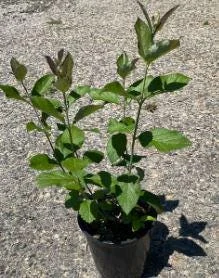
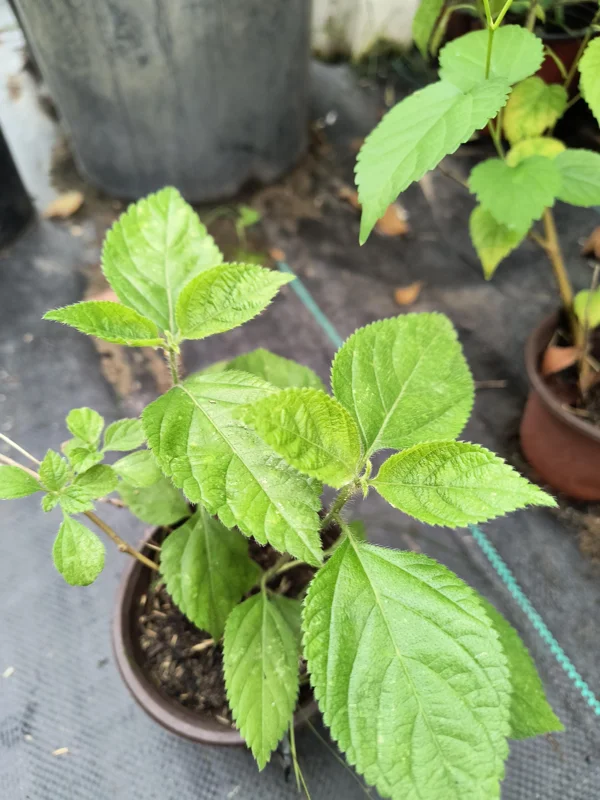
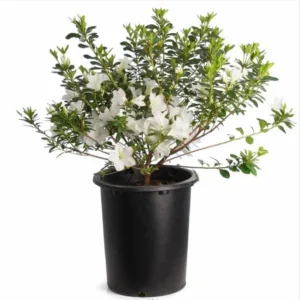
This offering is for one live sweet almond bush plant, delivered in a convenient half-gallon nursery pot. The plant is well-rooted and ready for immediate transplanting into your garden or a larger container. At the time of shipment, the plant typically stands approximately 8-15 inches tall from the base of the pot, with a spread of 6-10 inches, depending on seasonal growth and individual plant development. This size is ideal for establishing quickly in its new location. The sweet almond plant is a moderately fast grower, typically reaching a mature height of 6-10 feet with a similar spread, though it can be kept smaller with regular pruning. It will begin to produce its characteristic fragrant white flowers in its first or second year after planting, with blooms appearing in early to mid-spring.
The plant is shipped with care to ensure it arrives healthy and vibrant, ready to thrive in your landscape. Its deciduous nature means it will lose its leaves in the fall and enter dormancy over winter, re-emerging with beautiful blooms and fresh foliage in spring. The half-gallon pot provides ample space for the root system, ensuring a smooth transition to your garden. Expect this delightful sweet almond shrub to become a cherished part of your outdoor environment, providing both visual appeal and an unforgettable aroma.
Frequently Asked Questions
- Q: How big will this sweet almond bush get when mature? A: A: The sweet almond bush typically grows to a mature height and spread of 6 to 10 feet. Its size can be managed with annual pruning after it finishes flowering in the spring.
- Q: Is this an indoor or outdoor plant? A: This is an outdoor shrub. The sweet almond plant thrives in garden settings and is hardy in USDA zones 4-8, making it suitable for most temperate climates.
- Q: How much sunlight does the sweet almond fragrance plant need? A: For the best flowering and fragrance, the sweet almond fragrance plant requires full sun, which means at least 6 hours of direct sunlight per day. It can tolerate partial shade but may have fewer blooms.
- Q: What condition will the sweet almond bush arrive in? A: Your sweet almond bush will arrive as a live plant in a half-gallon nursery pot, with its roots established in soil. It will be carefully packaged to ensure it reaches you in healthy, ready-to-plant condition.
- Q: Is the sweet almond plant easy to care for? A: Yes, the sweet almond plant is considered relatively low-maintenance once established. It requires well-draining soil, adequate sunlight, and occasional watering during dry periods. Pruning after flowering helps maintain its shape.
- Q: When is the best time to plant the sweet almond shrub? A: The best time to plant your sweet almond shrub is in spring or early fall, allowing the roots to establish before extreme summer heat or winter cold. However, potted plants can be planted throughout the growing season if properly cared for.
- Q: What is the USDA hardiness zone for this Prunus triloba? A: The prunus triloba, or sweet almond bush, is generally hardy in USDA Zones 4 through 8. This range covers a wide variety of climates across the United States.
- Q: Does the sweet almond bush attract pollinators? A: Yes, the fragrant and abundant flowers of the sweet almond bush are very attractive to various pollinators, including bees and butterflies, making it a great addition for supporting local wildlife.
- Q: Can I grow this plant in a container? A: While it prefers to be in the ground, the sweet almond plant can be successfully grown in a large container (e.g., 15-gallon or larger) with good drainage, especially if you live in a colder zone and need to move it indoors for winter protection.
- Q: Will the sweet almond fragrance plant tolerate different soil types? A: The sweet almond fragrance plant is adaptable but prefers well-draining soil. It can tolerate a range of soil types from sandy to clay, as long as drainage is adequate and it’s not waterlogged.
Related products
-20%
Original price was: $20.00.$16.00Current price is: $16.00.
-10%
Original price was: $23.99.$21.59Current price is: $21.59.
-10%
Original price was: $23.99.$21.59Current price is: $21.59.
-45%
Original price was: $220.00.$121.00Current price is: $121.00.
PLANTING & CARE

The Comprehensive Guide to Growing Bay Leaf Plants for a Flavorful Garden
Imagine stepping into your garden, greeted by the earthy aroma of fresh bay leaves, their
09
Feb
Feb

How to Make Comfrey Tea: The Ultimate Organic Plant Food
Growing an organic garden can be surprisingly expensive, especially when most store-bought fertilizers come in
02
Feb
Feb

True Comfrey: 7 Essential Tips Before You Plant This Herb
A staple in permaculture practices across the US, True Comfrey easily earns its reputation as
27
Jan
Jan

7 Heart-Shaped Plants for a Lasting Valentine’s Gift
If you’ve ever bought a bouquet of roses for Valentine’s Day, you know they are
26
Jan
Jan

Best Types of Ivy Plant for Houses: How to Choose the Perfect Ones for Your Home
Are you a garden lover looking to introduce some greenery into your home? Maybe you’ve
14
Nov
Nov

When to Harvest Garlic (Especially Fall-Planted Garlic)
TIMING IS EVERYTHING, they say – and for garlic, that truth hits with surprising accuracy.
13
Nov
Nov

11 of the Best Sweet Potato Varieties to Grow for Your Garden
If you’ve ever tried growing sweet potatoes, you know that picking the right variety can
12
Nov
Nov
Pruning Bougainvillea for Winter
Bougainvillea vines are known for their dazzling display of magenta, orange, and fuchsia bracts that
05
Nov
Nov