Sweet Granadilla Live Plant – 4in Pot – Tropical Passion Fruit Vine
-31%
Sweet Granadilla Live Plant – 4in Pot – Tropical Passion Fruit Vine
Cultivate your own exotic flavors with this sweet granadilla live plant in a 4-inch pot. Known for its delicious, juicy fruit and beautiful flowers, this tropical vine is a delightful addition to any garden or patio.
Original price was: $50.00.$34.50Current price is: $34.50.

With our Alive & Thrive Guarantee, we’ve got your back for the first 30 days! If you have any concerns about your plants, just reach out to us. Our team is here to help answer your questions and guide you in selecting the best plants for your garden, climate, and unique preferences. We're excited to help you create the garden of your dreams!
Estimated arrival
Oct 14
Oct 19 - Oct 21
Oct 24 - Oct 28


Product Details
-
USDA Hardiness Zone
USDA zones 9-11 (outdoors) or container plant -
Soil type
Rich, well-draining soil -
Sunlight Exposure
Full sun to partial shade -
Expected Planting Period
Year-round indoors, spring to early summer outdoors
Overview
Start your tropical fruit journey with a vibrant sweet granadilla live plant. This particular offering is a healthy vine in a 4-inch nursery pot, ready to be transplanted and thrive in your home or garden. The sweet granadilla live plant, scientifically known as Passiflora ligularis, is a species of passion flower vine native to the Andes Mountains. It is highly prized for its exceptionally sweet and aromatic fruit, often considered one of the most delicious varieties of passion fruit. Unlike some other passion fruits, the sweet granadilla has a relatively soft, brittle shell and a juicy, gelatinous pulp filled with edible seeds. Its beautiful, intricate flowers also add significant ornamental value, making it a dual-purpose plant for both beauty and bounty. Growing your own granadilla fruit plant provides access to fresh, exotic flavors right at your fingertips.
Key Benefits
Adding a sweet granadilla live plant to your collection offers a multitude of benefits, from its delicious fruit to its ornamental appeal. This tropical vine is a fantastic choice for gardeners seeking both productivity and beauty.
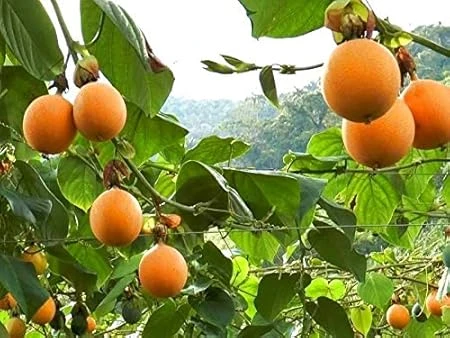
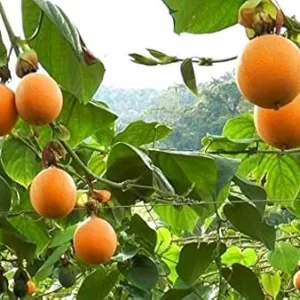
- Exotic Fruit Production: Enjoy a consistent harvest of sweet, aromatic granadilla fruits. These golden-orange fruits are perfect for eating fresh, adding to desserts, or making refreshing drinks. The unique flavor sets it apart from common passion fruit varieties.
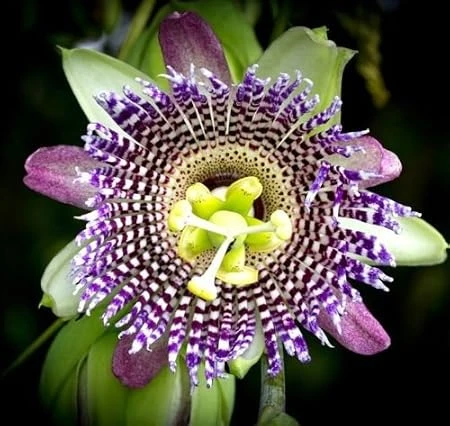
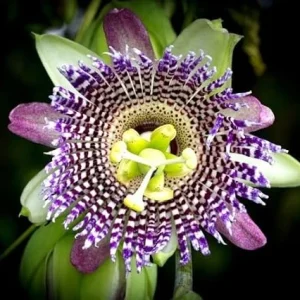
- Beautiful Ornamental Vine: The Passiflora ligularis produces stunning, intricate flowers with white petals and purple-banded filaments, making it an attractive addition to trellises, arbors, or fences. These blossoms are a true conversation starter.
- Fast-Growing Climber: This vine grows vigorously, quickly covering structures and providing lush, green foliage. Its rapid growth makes it an excellent choice for creating natural shade or privacy screens in warmer climates.
- Pollinator Attractor: The fragrant flowers of the sweet granadilla live plant attract various pollinators, including bees and butterflies, contributing to a healthy and biodiverse garden ecosystem.
- Container Gardening Potential: While it loves to spread, the sweet granadilla can be successfully grown in large containers, making it suitable for patios, balconies, or for bringing indoors during colder months, especially when learning how to grow granadilla in non-tropical zones.
- Nutritional Value: Granadilla fruit is not only delicious but also packed with vitamins A and C, fiber, and antioxidants, offering a healthy boost with every bite.
- Rewarding Growing Experience: Cultivating this unique fruit provides a satisfying and educational experience, allowing you to witness the plant’s full life cycle from flower to fruit.
Plant Care & Growing Tips
Caring for your sweet granadilla live plant involves providing the right conditions to ensure vigorous growth and abundant fruit production. This tropical vine thrives in warm, humid environments but can be adapted to various settings with proper care. For optimal growth, it requires a location with plenty of sunlight. Aim for at least 6-8 hours of direct sun per day. In very hot climates, some afternoon shade can prevent leaf scorch, but generally, more sun equals more fruit. When considering sweet granadilla care, soil is a crucial factor; it prefers rich, well-draining soil with a slightly acidic to neutral pH (6.0-7.0). Amend heavy clay soils with organic matter to improve drainage and aeration. Regular watering is essential, especially during dry periods and when the plant is actively fruiting. Keep the soil consistently moist but never waterlogged, as this can lead to root rot. Reduce watering slightly during cooler, dormant periods.
Fertilize your passiflora ligularis every 4-6 weeks during the growing season with a balanced fertilizer, or one slightly higher in phosphorus and potassium to encourage flowering and fruiting. Reduce fertilization in fall and winter. Provide a strong trellis, arbor, or fence for the vine to climb, as it can grow quite large and heavy with fruit. Pruning should be done to manage size, remove dead or diseased branches, and encourage new growth and fruiting. Light pruning can be done throughout the year, with a more significant trim in late winter or early spring before new growth begins. Protect your plant from frost if temperatures drop below freezing; in colder climates, it’s often grown in containers and moved indoors. Watch out for common pests like aphids and spider mites, and treat with insecticidal soap if necessary. Proper sweet granadilla care will reward you with beautiful blooms and delicious fruit.
Size & Details
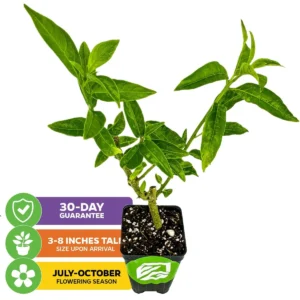
This offering is for one sweet granadilla live plant, shipped in a 4-inch nursery pot. The plant will typically be young but well-rooted, ready for transplanting into a larger container or directly into the garden. As a vigorous vine, the sweet granadilla can grow quite large, reaching lengths of 15-20 feet or more when mature, especially with adequate support. The individual fruits are typically oval to round, about 2-3 inches in diameter. The plant has a relatively fast growth rate under ideal conditions, often producing fruit within 1-2 years of planting. It is shipped as a live, actively growing plant, carefully packaged to ensure its safe arrival. Expect a healthy young vine with several leaves, ready to be nurtured into a productive granadilla fruit plant.
Frequently Asked Questions
- Q: How big does this plant get? A: The sweet granadilla live plant is a vigorous vine that can reach lengths of 15-20 feet or more when mature, especially with proper support and growing conditions. Its spread can be managed with regular pruning.
- Q: What size pot does it come in? A: This sweet granadilla live plant is shipped in a 4-inch nursery pot, providing a good start for transplanting into a larger container or directly into your garden.
- Q: Is this an indoor or outdoor plant? A: The sweet granadilla is a tropical plant that thrives outdoors in USDA Zones 9-11. In colder climates, it can be grown as an annual or in a container that can be brought indoors during winter. Understanding how to grow granadilla in your specific climate is key.
- Q: How much sunlight does it need? A: This plant requires at least 6-8 hours of direct sunlight per day for optimal growth and fruit production. In very hot climates, some afternoon shade can be beneficial to prevent leaf burn.
- Q: Is this plant easy to care for? A: With consistent watering, good drainage, and plenty of sunlight, the sweet granadilla live plant is relatively easy to care for. It’s an excellent choice for gardeners looking for a rewarding tropical fruit experience.
- Q: What condition will it arrive in? A: Your plant will arrive as a healthy, live specimen in its 4-inch nursery pot, carefully packaged to minimize stress during transit. We ensure it’s ready for immediate planting upon arrival.
- Q: Can I use granadilla fruit in cooking? A: Absolutely! The sweet granadilla fruit is delicious eaten fresh, spooned over yogurt, added to fruit salads, used in smoothies, or incorporated into desserts and sauces. It’s a versatile and flavorful fruit.
- Q: How long until it produces fruit? A: Under ideal growing conditions, a young passiflora ligularis plant can begin to produce fruit within 1-2 years after planting. Patience and proper care will be rewarded.
- Q: What’s the best soil for a sweet granadilla? A: The best soil for sweet granadilla care is rich, well-draining, and slightly acidic to neutral (pH 6.0-7.0). Amending with organic matter can greatly improve soil structure and fertility.
- Q: Will it survive winter in my zone? A: The sweet granadilla is sensitive to frost. It will only survive outdoors year-round in USDA Zones 9-11. In colder zones, it must be protected from freezing temperatures, typically by bringing it indoors or providing significant winter protection.
Related products
-50%


Original price was: $81.98.$40.99Current price is: $40.99.
-50%
Original price was: $85.98.$42.99Current price is: $42.99.
-67%
Original price was: $66.72.$22.24Current price is: $22.24.
-67%
Original price was: $59.97.$19.99Current price is: $19.99.
-67%
Original price was: $59.97.$19.99Current price is: $19.99.
PLANTING & CARE
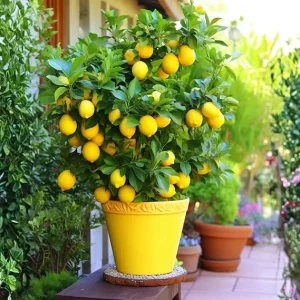
Lemon Tree Growing: Choose, Plant, and Harvest
Learn how to choose, plant, feed, and protect a lemon tree so it fits your
23
Sep
Sep
Dwarf Meyer Lemon Tree Australia: Climate Guide
Learn where dwarf Meyer lemon trees grow, how much cold they tolerate, and whether Australia,
Where to Buy a Dwarf Meyer Lemon Tree: Buyer’s Guide
Find the right dwarf Meyer lemon tree online or locally, compare starter sizes and costs,
Dwarf Meyer Lemon Tree for Sale: Buying Guide
Compare Meyer lemon tree sizes, prices, shipping limits, indoor growing and California options before you
Dwarf Meyer Lemon Tree Guide: Size, Care and Fruit
META: Learn how large a dwarf Meyer lemon tree grows, where it thrives, and how
How to Prune a Dwarf Meyer Lemon Tree
Learn when and how to prune a dwarf Meyer lemon tree, including tools, shaping cuts,
Can You Grow a Dwarf Meyer Lemon Tree in a Pot?
META: Learn how to grow a dwarf Meyer lemon tree in a pot, including container
When Do Dwarf Meyer Lemon Trees Bloom and Fruit?
META: Dwarf Meyer lemon trees usually bloom from winter through spring and may flower again