Vanilla Bean Live Plant – Half Gallon Pot Vine – Indoor/Outdoor Orchid
-25%
Vanilla Bean Live Plant – Half Gallon Pot Vine – Indoor/Outdoor Orchid
Cultivate your own aromatic spices with this vibrant vanilla bean live plant. This beautiful vine, provided in a half-gallon pot, is an elegant addition to any home or garden, offering both ornamental appeal and the promise of delicious vanilla beans. Ideal for enthusiasts and budding gardeners alike.
Original price was: $61.45.$45.95Current price is: $45.95.

With our Alive & Thrive Guarantee, we’ve got your back for the first 30 days! If you have any concerns about your plants, just reach out to us. Our team is here to help answer your questions and guide you in selecting the best plants for your garden, climate, and unique preferences. We're excited to help you create the garden of your dreams!
Estimated arrival
Oct 14
Oct 19 - Oct 21
Oct 24 - Oct 28
Product Details
-
USDA Hardiness Zone
USDA zones 10-11 (outdoors) or year-round indoors -
Soil type
Well-draining orchid mix -
Sunlight Exposure
Bright indirect light -
Expected Planting Period
Year-round indoors, or spring to early summer for outdoor establishment in warm climates
Overview
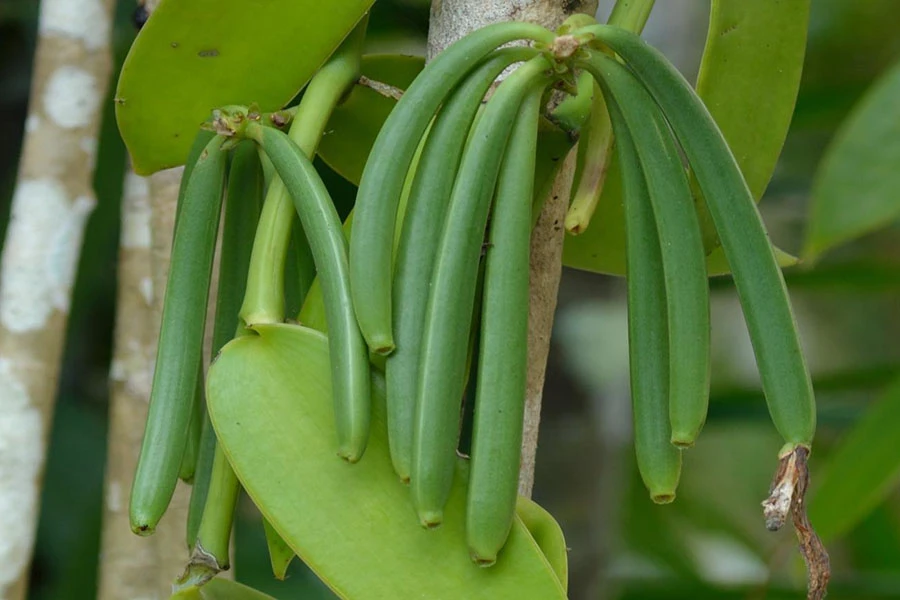
Bring the exotic beauty and aromatic potential of the tropics into your home or garden with this stunning vanilla bean live plant. This particular offering is a robust vine, carefully cultivated and shipped in a convenient half-gallon pot, ready to thrive in its new environment. The vanilla plant, scientifically known as Vanilla planifolia, is a fascinating orchid species renowned for producing the world’s most beloved spice. Unlike many orchids, the vanilla bean plant grows as a climbing vine, using aerial roots to cling to supports as it reaches for sunlight. With proper care, this living treasure will not only adorn your space with lush green foliage but also offer the rewarding experience of growing your own vanilla. It’s a truly unique and educational addition for any plant lover, promising a touch of the extraordinary.
Our vanilla bean live plant is selected for its vigor and health, ensuring you receive a premium specimen ready to establish itself. Whether you’re an experienced horticulturist or a curious beginner, cultivating vanilla can be a deeply satisfying endeavor. Imagine harvesting your own vanilla pods, a process that culminates in rich, fragrant vanilla extract or gourmet vanilla beans for your culinary creations. This plant is not just a decorative item; it’s an investment in a unique botanical journey.
Key Benefits
Owning a vanilla bean live plant offers a multitude of advantages beyond its ornamental charm. Here are some of the key benefits you can expect from cultivating this remarkable vine:
- Exotic Home Decor: The lush, green foliage and climbing habit of the vanilla vine add a unique, tropical ambiance to any indoor space or outdoor garden. Its elegant form can transform an ordinary area into an exotic sanctuary.
- Potential for Homegrown Vanilla: With patience and proper care, you can harvest your own vanilla beans. This provides a sustainable source of high-quality vanilla for cooking, baking, and even making your own extracts, offering a flavor profile unmatched by store-bought alternatives.
- Air Purification: Like many houseplants, the vanilla bean plant contributes to cleaner indoor air by absorbing common household toxins and releasing oxygen, promoting a healthier living environment for you and your family.
- Engaging Horticultural Project: Growing vanilla is an incredibly rewarding and educational experience. Learning about the unique growth habits, pollination process, and curing of vanilla beans provides a hands-on connection to nature and a deeper appreciation for this valuable spice.
- Unique Gift Idea: For the plant enthusiast, chef, or curious gardener, a vanilla bean live plant makes an unforgettable and thoughtful gift that keeps on giving, offering both beauty and utility.
- Adaptable Growth: While tropical, the vanilla vine can be successfully grown indoors in many climates, making it accessible to a wider range of gardeners who wish to experience the joy of growing this special plant.
Plant Care & Growing Tips
Caring for your vanilla bean live plant requires understanding its tropical origins. This orchid vine thrives in conditions that mimic its natural habitat. For sunlight, it prefers bright, indirect light. Indoors, place it near an east or north-facing window, or a south/west window with sheer curtains to diffuse the light. Too much direct, harsh sunlight can scorch its leaves, while too little light will hinder growth and flowering. If growing outdoors, choose a location with dappled shade or morning sun and afternoon shade.
Watering is crucial for a healthy vanilla orchid vine. The soil should be kept consistently moist but never waterlogged. Allow the top inch or two of soil to dry out slightly between waterings, then water thoroughly until it drains from the bottom of the pot. Reduce watering in cooler months. High humidity is essential; aim for 60-80%. You can achieve this by misting the plant daily, placing it near a humidifier, or using a pebble tray with water. The ideal soil type is a well-draining, airy orchid mix that allows for good aeration around the roots. A mix containing bark, perlite, and a small amount of peat or coco coir works well.
The vanilla plant is a tropical species and is sensitive to cold. It thrives in temperatures between 60-85°F (15-29°C). It is not frost-tolerant, so if you live in USDA zones below 10, it must be grown indoors or brought inside during cooler temperatures. For fertilization, use a balanced, orchid-specific fertilizer at half strength every 2-4 weeks during the growing season (spring and summer). Support is vital as this is a climbing vine; provide a sturdy trellis, moss pole, or stake for its aerial roots to cling to. Regular pruning can help manage its size and encourage bushier growth. While growing your own vanilla beans can be a longer process, understanding how to grow vanilla successfully involves mimicking its natural environment as closely as possible. Keep an eye out for common pests like spider mites or mealybugs, and treat them promptly with organic pest control methods if necessary.
Size & Details
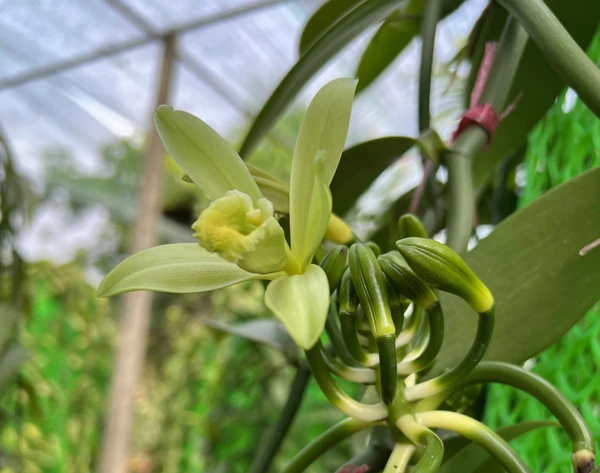
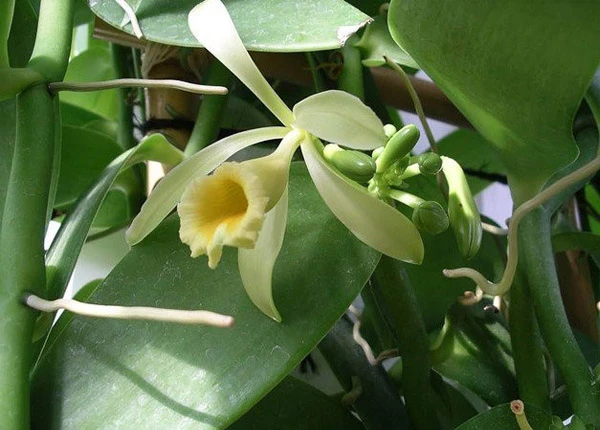
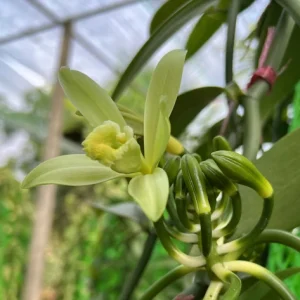
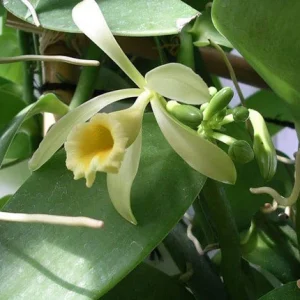
This offering is for one healthy vanilla bean live plant, thriving in a half-gallon nursery pot. The plant is a vigorous vine, typically ranging from 12 to 24 inches in length upon arrival, though growth will continue rapidly with proper care. Vanilla vines are known for their fast growth rate, potentially adding several feet in a single growing season under optimal conditions. The plant will arrive well-rooted in its container, ready for you to either enjoy as is or transplant into a larger pot with appropriate support. Expect a robust root system and lush green foliage, indicating a healthy specimen. While flowering and bean production can take several years (3-5 years) from a young plant, the journey of nurturing this unique orchid vine is a reward in itself. The plant will develop beautiful, fragrant, pale yellow-green flowers, which will then need to be hand-pollinated to produce the prized vanilla pods. This half-gallon size provides a great head start for establishing a strong, productive vanilla plant.
Frequently Asked Questions
- Q: How big does this vanilla bean live plant get? A: In optimal conditions, a vanilla vine can grow to be very long, often 20-30 feet or more, as it’s a climbing orchid. Indoors, its size can be managed with pruning and by providing a suitable trellis or support structure.
- Q: Is this an indoor or outdoor plant? A: While the vanilla plant is tropical, it can be grown both indoors and outdoors. It thrives outdoors in USDA zones 10-11 where temperatures remain warm year-round. In cooler climates, it must be grown indoors, ideally in a bright, humid environment.
- Q: How much sunlight does it need? A: Your vanilla orchid vine prefers bright, indirect light. Avoid direct, harsh sunlight, especially during the hottest parts of the day, as this can scorch the leaves. Filtered light or a location with morning sun and afternoon shade is ideal.
- Q: Is this plant easy to care for? A: Growing vanilla requires some attention to humidity, watering, and providing support for its climbing habit. It’s considered moderately easy for those with some plant experience, but beginners can succeed with diligent care and research on vanilla plant care.
- Q: What condition will it arrive in? A: Your vanilla bean live plant will arrive carefully packaged in its half-gallon nursery pot, well-hydrated and protected to ensure it reaches you in excellent, healthy condition, ready to thrive.
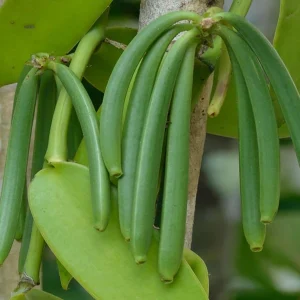
- Q: How long until it blooms and produces vanilla beans? A: From a young plant, it can take 3-5 years for the vanilla vine to mature enough to bloom. Once it blooms, the flowers must be hand-pollinated to produce vanilla pods, which then take several months to mature on the vine before curing.
- Q: Will this plant survive winter in my zone? A: If you are in USDA zones 10 or 11, it can likely survive mild winters outdoors. For zones 9 and below, the plant must be brought indoors before temperatures drop below 50°F (10°C) to protect it from cold damage.
- Q: What type of soil is best for this vanilla planifolia? A: A well-draining, airy orchid mix is best. This typically includes components like orchid bark, perlite, and a small amount of peat moss or coco coir to retain some moisture while ensuring good drainage and root aeration.
- Q: Can I really get vanilla beans from this plant? A: Yes, with patience and proper care, including hand-pollination of the flowers, you can absolutely grow and harvest your own vanilla beans from this vanilla planifolia. It’s a truly rewarding experience.
Related products
-67%
Original price was: $62.22.$20.74Current price is: $20.74.
-67%
Original price was: $50.97.$16.99Current price is: $16.99.
-67%
Original price was: $50.97.$16.99Current price is: $16.99.
-30%
Original price was: $39.99.$27.99Current price is: $27.99.
-50%
Original price was: $267.00.$133.50Current price is: $133.50.
-19%
Original price was: $28.47.$23.00Current price is: $23.00.
-20%

Original price was: $36.00.$28.80Current price is: $28.80.
PLANTING & CARE
Lemon Tree Growing: Choose, Plant, and Harvest
Learn how to choose, plant, feed, and protect a lemon tree so it fits your
23
Sep
Sep
Dwarf Meyer Lemon Tree Australia: Climate Guide
Learn where dwarf Meyer lemon trees grow, how much cold they tolerate, and whether Australia,
Where to Buy a Dwarf Meyer Lemon Tree: Buyer’s Guide
Find the right dwarf Meyer lemon tree online or locally, compare starter sizes and costs,
Dwarf Meyer Lemon Tree for Sale: Buying Guide
Compare Meyer lemon tree sizes, prices, shipping limits, indoor growing and California options before you
Dwarf Meyer Lemon Tree Guide: Size, Care and Fruit
META: Learn how large a dwarf Meyer lemon tree grows, where it thrives, and how
How to Prune a Dwarf Meyer Lemon Tree
Learn when and how to prune a dwarf Meyer lemon tree, including tools, shaping cuts,
Can You Grow a Dwarf Meyer Lemon Tree in a Pot?
META: Learn how to grow a dwarf Meyer lemon tree in a pot, including container
When Do Dwarf Meyer Lemon Trees Bloom and Fruit?
META: Dwarf Meyer lemon trees usually bloom from winter through spring and may flower again