Tartarian Mulberry Trees (2-Pack) – Morus alba tatarica Live Bare Root Plants, 2-3 ft Tall
-50%
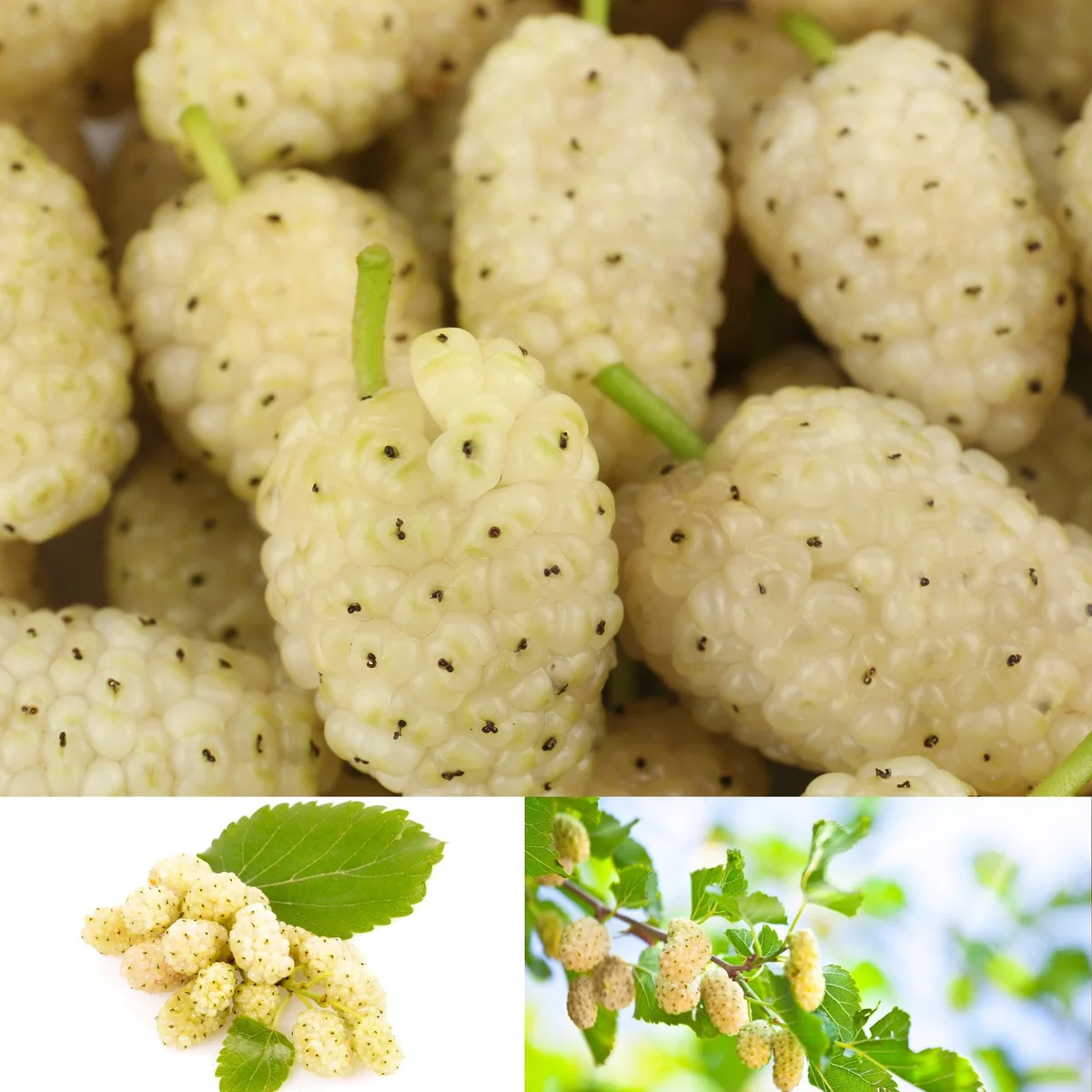
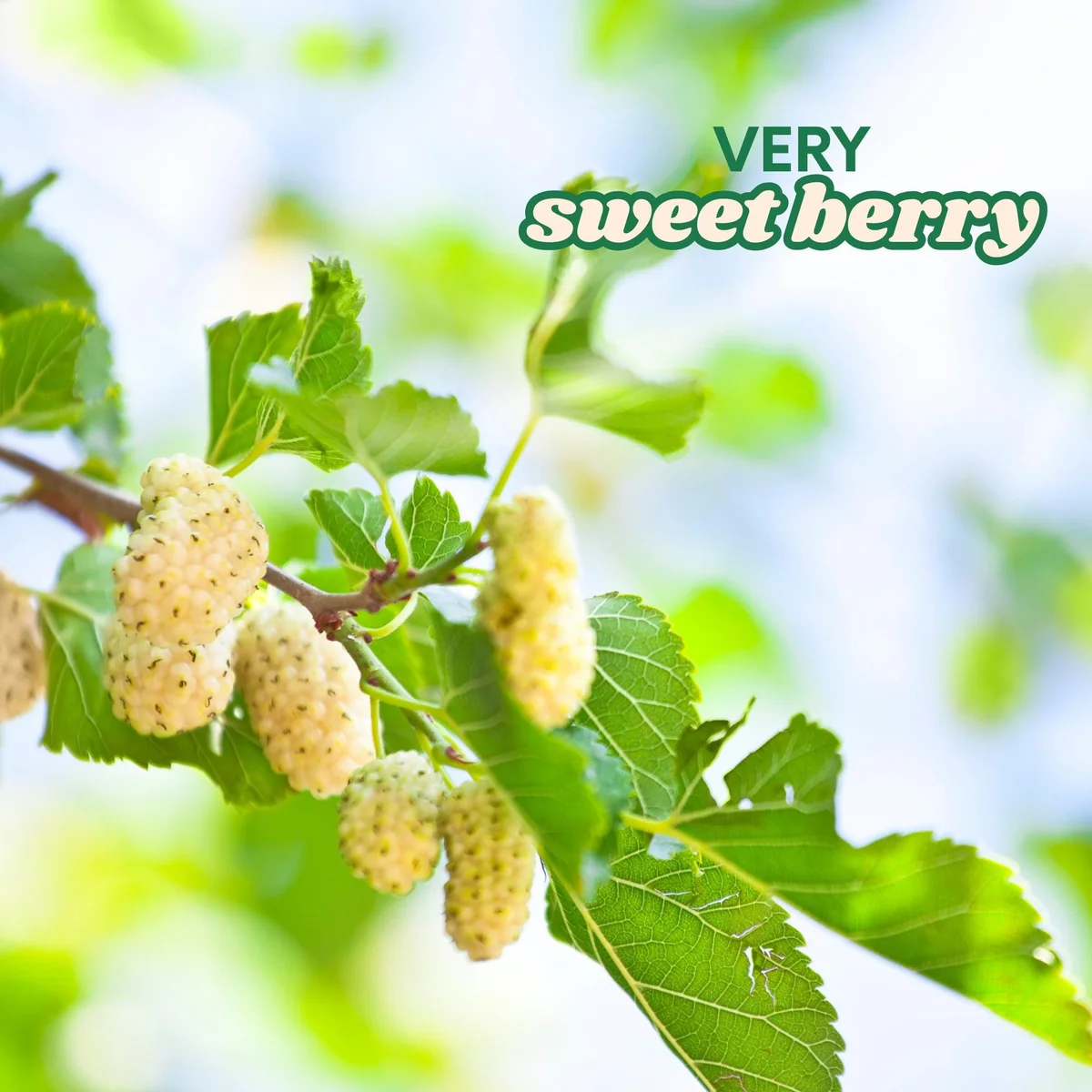




Tartarian Mulberry Trees (2-Pack) – Morus alba tatarica Live Bare Root Plants, 2-3 ft Tall
Bring resilience and delicious fruit to your garden with these Tartarian Mulberry bare root trees. You’ll receive two Morus alba tatarica plant specimens, each approximately 2-3 ft tall, ready to thrive. Known for their fast growth and sweet, edible mulberry tree berries, these plants are also remarkably drought-tolerant fruit trees and adaptable to various soils.
Original price was: $139.80.$69.90Current price is: $69.90.

With our Alive & Thrive Guarantee, we’ve got your back for the first 30 days! If you have any concerns about your plants, just reach out to us. Our team is here to help answer your questions and guide you in selecting the best plants for your garden, climate, and unique preferences. We're excited to help you create the garden of your dreams!
Estimated arrival
Apr 08
Apr 13 - Apr 15
Apr 18 - Apr 22
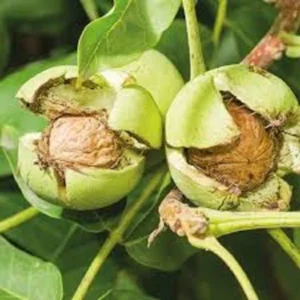
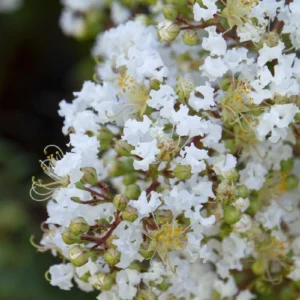
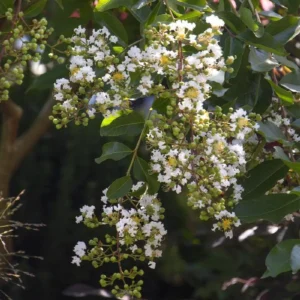
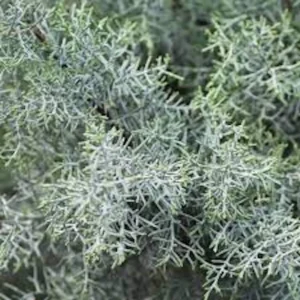

Product Details
-
USDA Hardiness Zone
4–9 -
Soil type
Tolerates a wide range, prefers well-drained -
Sunlight Exposure
Full sun to partial shade -
Expected Planting Period
Early spring to fall (when dormant)
Overview
Cultivate a resilient and productive garden with our premium Tartarian Mulberry bare root trees. This offering includes two dormant Morus alba tatarica specimens, renowned for their vigorous growth and delicious, sweet berries. The Morus alba tatarica plant, commonly known as the Tartarian Mulberry, is a lesser-known but highly valuable variety of white mulberry that excels in hardiness and fruit production. Unlike many fruit trees, this particular mulberry is remarkably adaptable, thriving in a wide range of conditions and requiring minimal care once established. Perfect for homesteads, permaculture plots, and backyard growers, these trees can also serve as an effective living fence or windbreak, adding both aesthetic and functional value to your landscape. Embrace the opportunity to grow a robust and rewarding fruit tree that will provide abundant harvests for years to come.
These Tartarian Mulberry bare root trees are shipped dormant, ensuring a stress-free transplant and strong root establishment. Each tree is approximately 2-3 feet tall, making them an ideal size for planting and quick development. The Morus alba tatarica is celebrated for its ability to produce an abundance of juicy, edible mulberry tree berries, which are cherished by both people and wildlife. Its fast-growing nature means you won’t have to wait long to enjoy the benefits of this exceptional plant. Whether you’re an experienced gardener or just starting out, the Tartarian Mulberry offers an easy-to-grow solution for fresh, homegrown fruit.
Key Benefits
Discover the compelling reasons to integrate the Morus alba tatarica plant into your garden. These trees offer a blend of beauty, utility, and resilience, making them an excellent choice for various landscaping and food production goals. Their unique attributes contribute significantly to a sustainable and fruitful outdoor space.
- Fast-Growing Tree: The Tartarian Mulberry bare root trees are known for their rapid growth rate, quickly developing into substantial trees. This makes them ideal for establishing quick shade, creating natural privacy screens, or forming a robust windbreak in a relatively short period compared to many other tree species.
- Edible Berries: Enjoy a bounty of sweet, nutritious mulberries directly from your garden. The berries produced by this edible mulberry tree are a delightful treat for both humans and local wildlife, offering a fresh, healthy snack rich in vitamins and antioxidants.
- Drought & Heat Tolerant: Morus alba tatarica exhibits remarkable resilience to challenging environmental conditions. It is highly tolerant of both drought and heat, allowing it to thrive in tough climates where other fruit trees might struggle. This makes it a truly drought-tolerant fruit trees option for sustainable gardening.
- Soil Adaptable: These versatile trees are not particular about soil type. They can grow successfully in a wide range of soils, including clay, sandy, or rocky compositions, though they prefer well-drained conditions. This adaptability simplifies the planting process and increases their suitability for diverse landscapes.
- Low Maintenance: Once established, the Tartarian Mulberry requires minimal pruning or specialized care. Its hardy nature means less effort is needed to maintain its health and productivity, making it an excellent choice for busy gardeners or those seeking a fuss-free fruit tree.
- Homestead & Permaculture Friendly: Due to its productivity, resilience, and low maintenance, this mulberry variety is perfectly suited for homesteads and permaculture designs. It contributes to a self-sufficient ecosystem, providing food, shade, and habitat with minimal input.
- Long-Lived & Productive: A mature Morus alba tatarica plant can live for many decades, providing a consistent source of fruit and ecological benefits for a significant portion of your lifetime. Its robust nature ensures sustained productivity.
Plant Care & Growing Tips
Caring for your Tartarian Mulberry bare root trees is straightforward, thanks to their inherently hardy and adaptable nature. To ensure the best start for your new plants, careful attention during the initial planting phase is beneficial. As bare root plants, they should be planted as soon as possible after arrival, ideally in early spring or fall when the ground is workable but temperatures are moderate. Dig a hole wide enough to accommodate the spread of the roots without bending them, and deep enough so that the root collar (where the roots meet the stem) is at soil level. Backfill with native soil, gently tamping down to remove air pockets, and water thoroughly.
For optimal growth and fruit production, the Morus alba tatarica plant prefers full sun, meaning at least 6-8 hours of direct sunlight per day. However, it can tolerate partial shade, especially in hotter climates, which may reduce fruit yield slightly but still allow for healthy growth. While adaptable to various soil types, well-drained soil is crucial to prevent root rot; avoid waterlogged conditions. The ideal pH range is slightly acidic to neutral. Once established, these trees are remarkably drought-tolerant fruit trees, but consistent watering during prolonged dry spells, particularly in their first few years, will promote stronger growth and better harvests. Fertilize lightly in early spring with a balanced, slow-release fertilizer if your soil lacks nutrients, but often, mulberries thrive without much intervention.
This edible mulberry tree is hardy in USDA Zones 4–9, making it suitable for a wide range of climates across the United States. It can withstand cold winters and hot summers, demonstrating its exceptional resilience. Pruning is generally minimal; focus on removing any dead, diseased, or crossing branches to maintain good air circulation and shape. Mulching around the base of the tree will help conserve soil moisture, regulate soil temperature, and suppress weeds. With proper initial planting and a little care, your fast-growing mulberry trees will flourish and provide many years of delicious berries and shade.
Size & Details
This offering includes two individual Tartarian Mulberry bare root trees, each approximately 2–3 feet tall upon delivery. These plants are shipped in a dormant, bare root state, which is the ideal condition for successful transplanting and ensures robust root establishment in their new environment. The Morus alba tatarica is known for its rapid growth rate, quickly developing into a substantial tree once planted. At maturity, these trees can reach an impressive height of 20–30 feet, providing significant shade and a bountiful harvest. They are excellent choices for creating a living fence, a windbreak, or as standalone specimens in a food forest.
The Morus alba tatarica plant is a long-lived species, offering decades of productivity. The berries typically begin to appear within 2-3 years after planting, with increasing yields as the tree matures. These trees are incredibly versatile, thriving in various landscape applications. As a fast-growing mulberry, it quickly establishes itself, making it a rewarding addition for gardeners looking for relatively quick results. The resilience of these drought-tolerant fruit trees makes them a smart investment for a sustainable and productive garden.
Frequently Asked Questions
- Q: How big do these Tartarian Mulberry bare root trees get? A: At the time of shipment, each tree is approximately 2–3 feet tall. When mature, the Morus alba tatarica plant can reach an impressive height of 20–30 feet, offering substantial shade and fruit production.
- Q: Is this an indoor or outdoor plant? A: The Tartarian Mulberry is an outdoor tree, well-suited for gardens, homesteads, and permaculture plots. It is hardy in USDA Zones 4–9 and thrives when planted directly in the ground.
- Q: How much sunlight does the Morus alba tatarica plant need? A: For best growth and fruit yield, the edible mulberry tree prefers full sun, meaning at least 6-8 hours of direct sunlight daily. It can tolerate partial shade, especially in hotter climates, but may produce fewer berries.
- Q: What condition will the trees arrive in? A: Your trees will arrive as bare root, dormant plants. This means they will not have leaves and their roots will be free of soil, optimized for successful transplanting and strong root development.
- Q: Is this plant easy to care for? A: Yes, the Tartarian Mulberry is considered a low-maintenance tree. Once established, it is remarkably hardy, soil adaptable, and a drought-tolerant fruit trees option, requiring minimal pruning or specialized care. It’s a great choice for beginners and experienced gardeners alike.
- Q: When is the best time to plant these fast-growing mulberry trees? A: Bare root trees are best planted in early spring or fall when the ground is workable and temperatures are moderate. This allows the roots to establish before extreme heat or cold.
- Q: Will it survive winter in my zone? A: The Tartarian Mulberry is very cold-hardy, thriving in USDA Zones 4–9. If your zone falls within this range, your trees should successfully overwinter and return in spring.
- Q: Can I use the berries from this edible mulberry tree in cooking? A: Absolutely! The berries from the Tartarian Mulberry are sweet and delicious, perfect for fresh eating, jams, jellies, pies, or as an addition to smoothies and baked goods.
- Q: What type of soil does the Morus alba tatarica plant prefer? A: While highly adaptable, the Morus alba tatarica plant prefers well-drained soil. It can grow in clay, sandy, or rocky soils, but avoid areas with standing water to prevent root issues.
- Q: How long until these fast-growing mulberry trees produce fruit? A: You can typically expect your Tartarian Mulberry trees to begin producing their first berries within 2-3 years after planting, with production increasing significantly as the trees mature.
Related products


-20%
Original price was: $90.00.$72.00Current price is: $72.00.
-50%
Original price was: $73.98.$36.99Current price is: $36.99.
PLANTING & CARE
Growing Glencoe Raspberry: A Complete Guide for Gardeners
If you’re looking to add something unique to your garden, look no further than the
31
Mar
Mar

The Comprehensive Guide to Growing Bay Leaf Plants for a Flavorful Garden
Imagine stepping into your garden, greeted by the earthy aroma of fresh bay leaves, their
09
Feb
Feb

How to Make Comfrey Tea: The Ultimate Organic Plant Food
Growing an organic garden can be surprisingly expensive, especially when most store-bought fertilizers come in
02
Feb
Feb

True Comfrey: 7 Essential Tips Before You Plant This Herb
A staple in permaculture practices across the US, True Comfrey easily earns its reputation as
27
Jan
Jan

7 Heart-Shaped Plants for a Lasting Valentine’s Gift
If you’ve ever bought a bouquet of roses for Valentine’s Day, you know they are
26
Jan
Jan

Best Types of Ivy Plant for Houses: How to Choose the Perfect Ones for Your Home
Are you a garden lover looking to introduce some greenery into your home? Maybe you’ve
14
Nov
Nov

When to Harvest Garlic (Especially Fall-Planted Garlic)
TIMING IS EVERYTHING, they say – and for garlic, that truth hits with surprising accuracy.
13
Nov
Nov

11 of the Best Sweet Potato Varieties to Grow for Your Garden
If you’ve ever tried growing sweet potatoes, you know that picking the right variety can
12
Nov
Nov