Upright Rosemary Live Plant 6 Inch Pot – Fragrant Culinary Herb for Garden
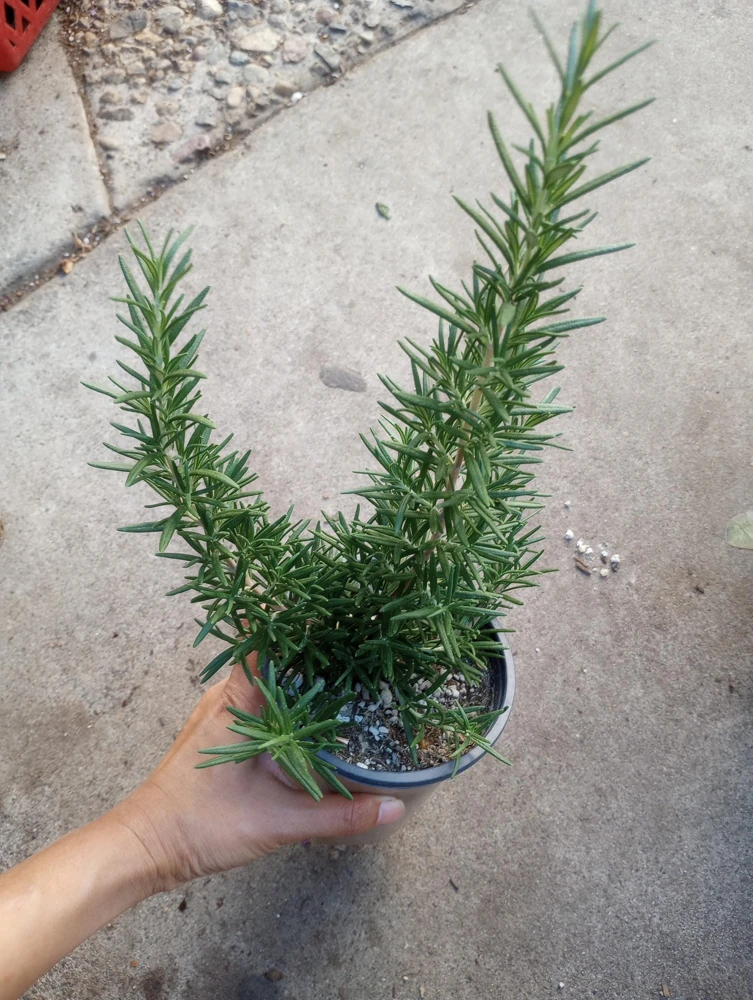
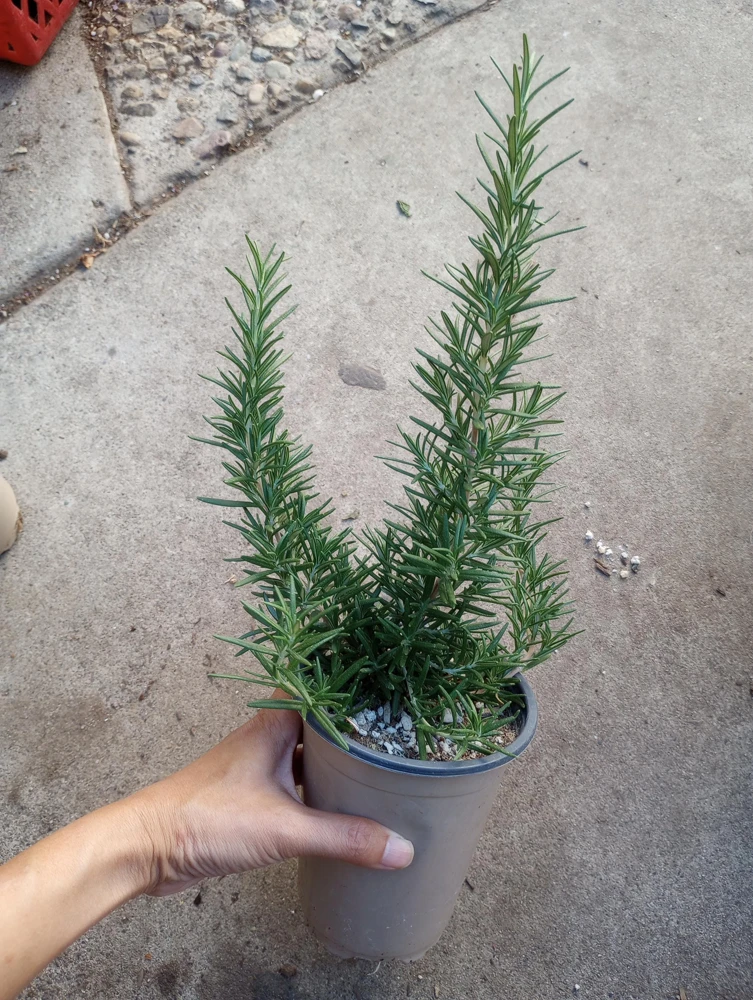
Upright Rosemary Live Plant 6 Inch Pot – Fragrant Culinary Herb for Garden
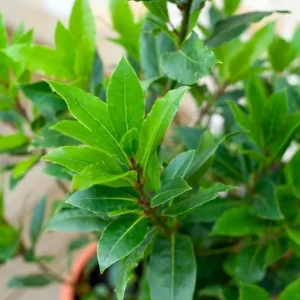
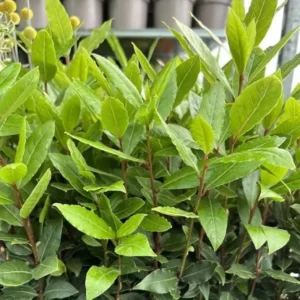
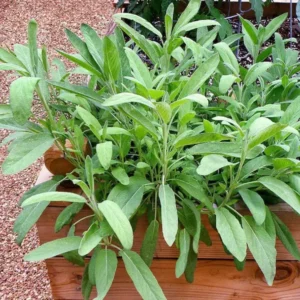
Bring the delightful aroma and flavor of fresh herbs to your home with this upright rosemary live plant. Grown in a 6 inch pot, this fragrant herb is perfect for outdoor gardens, patios, or even sunny windowsills. Enjoy its evergreen foliage and use its leaves for a variety of culinary dishes.
$25.98

With our Alive & Thrive Guarantee, we’ve got your back for the first 30 days! If you have any concerns about your plants, just reach out to us. Our team is here to help answer your questions and guide you in selecting the best plants for your garden, climate, and unique preferences. We're excited to help you create the garden of your dreams!
Estimated arrival
Oct 08
Oct 13 - Oct 15
Oct 18 - Oct 22

Product Details
-
USDA Hardiness Zone
USDA zones 7-10 -
Soil type
Well-draining, sandy or loamy soil -
Sunlight Exposure
Full sun (6-8+ hours direct light) -
Expected Planting Period
Spring to early summer (outdoors), year-round indoors
Overview
Discover the joy of gardening with our exquisite upright rosemary live plant. This robust and fragrant herb, scientifically known as Rosmarinus officinalis, is a must-have for any culinary enthusiast or garden lover. Our rosemary plant comes established in a 6 inch high pot, ready to thrive in your garden, patio container, or even as an indoor accent in a bright sunny spot. Its distinctive pine-like aroma and savory flavor make it an indispensable ingredient in countless recipes, from roasted meats to fresh bread. Beyond its culinary appeal, this evergreen shrub offers beautiful texture and a pleasant scent, making it a wonderful addition to any landscape. Growing your own fragrant rosemary herb ensures you always have fresh sprigs on hand, elevating your cooking and providing a touch of natural beauty.
Key Benefits
An upright rosemary live plant offers a multitude of benefits, combining aesthetic appeal with practical utility. It’s an easy-to-grow herb that provides continuous enjoyment and value.
- Culinary Versatility: Fresh rosemary is renowned for its strong, aromatic flavor, perfect for seasoning poultry, lamb, potatoes, and vegetables. Having a live plant means you always have access to fresh sprigs, enhancing your dishes with superior taste compared to dried alternatives.
- Aromatic & Aesthetic Appeal: The needle-like, evergreen leaves of rosemary release a delightful, invigorating scent. This makes it a fantastic addition to sensory gardens, herb borders, or as a fragrant accent on a patio. Its upright growth habit adds structure and beauty to any planting scheme.
- Low Maintenance & Drought Tolerant: Once established, rosemary is remarkably resilient. It thrives on neglect, requiring minimal watering and generally resisting pests and diseases, making it an ideal choice for busy gardeners or those new to growing herbs.
- Pollinator Attractor: During its blooming season, typically in late winter to spring, rosemary produces small, delicate blue flowers that are highly attractive to bees and other beneficial pollinators, contributing to local biodiversity.
- Health & Wellness: Historically, rosemary has been valued for its potential medicinal properties, including antioxidant and anti-inflammatory benefits. Its aromatic qualities are also often used in aromatherapy for their invigorating effects.
- Deer Resistant: The strong scent and somewhat tough texture of rosemary leaves make it generally unpalatable to deer, providing a natural protective barrier for other plants in your garden.
Plant Care & Growing Tips
Caring for your upright rosemary live plant is straightforward, especially if you provide it with the right conditions. Rosemary thrives in environments that mimic its Mediterranean origins, preferring plenty of sun and well-draining soil. Proper care ensures a lush, productive plant for years to come.
Sunlight Requirements: Rosemary absolutely loves sunshine. For optimal growth and flavor, plant your rosemary in a location that receives at least 6-8 hours of direct sunlight per day. If growing indoors, place it in your brightest window, preferably a south-facing one. Insufficient light can lead to leggy growth and reduced aromatic oils. Growing rosemary outdoors in full sun is ideal for robust plants.
Watering Schedule & Soil Moisture: While rosemary is drought-tolerant, especially once established, young plants need consistent moisture. Water thoroughly when the top inch or two of soil feels dry to the touch. Allow the soil to dry out between waterings to prevent root rot, which is the most common cause of rosemary plant failure. Overwatering is more detrimental than underwatering. Ensure good drainage to keep the roots healthy. For potted plants, ensure the pot has drainage holes.
Soil Type & Drainage: Rosemary prefers well-draining, sandy, or loamy soil with a slightly acidic to neutral pH (6.0-7.0). Heavy clay soils that retain too much moisture are not suitable. If planting in a garden, amend heavy soils with sand or organic matter to improve drainage. For container growing, use a good quality potting mix designed for herbs or cacti, which typically offers excellent drainage. This is crucial for successful rosemary plant care.
Temperature Range & USDA Hardiness Zone: Rosemary is generally hardy in USDA Zones 7-10, though some varieties can tolerate Zone 6 with protection. It prefers warm temperatures and can be sensitive to hard freezes. In colder climates, it’s best grown in containers that can be brought indoors during winter or treated as an annual. Protect outdoor plants from severe winter winds and frost. Ideal temperatures range from 55-80°F (13-27°C).
Fertilization Schedule & Type: Rosemary is not a heavy feeder. In fact, too much fertilizer can reduce the intensity of its flavor and fragrance. If planted in good soil, it may not need any fertilizer. If growth seems slow or leaves are pale, a light application of a balanced, all-purpose organic fertilizer or a fertilizer formulated for herbs, diluted to half strength, can be applied in spring. Avoid high-nitrogen fertilizers.
Common Problems & Solutions: The most common issues for rosemary are related to overwatering, leading to root rot. Ensure proper drainage and allow soil to dry between waterings. Pests like spider mites can appear, especially on indoor plants in dry conditions; misting and wiping leaves can help. Fungal diseases are rare if air circulation is good. Pruning regularly helps maintain shape and promotes bushier growth.
Size & Details
This upright rosemary live plant arrives established and healthy in a 6 inch pot, making it a substantial starter plant for your garden or container. Typically, these plants will stand approximately 8-12 inches tall at the time of shipment, with a similar spread, depending on pruning. Rosemary is a moderate grower and can reach a mature height of 2-4 feet and a width of 2-3 feet when planted in the ground and given optimal conditions, though it can be kept smaller with regular pruning. It is shipped as a well-rooted, actively growing plant, carefully packaged to ensure its safe arrival. Expect continuous growth throughout the warmer months, with flowering usually occurring in late winter to early spring, offering delicate blue blooms that attract pollinators. This plant is an excellent choice for those interested in rosemary culinary uses and garden beautification.
Frequently Asked Questions
- Q: How big does this upright rosemary live plant get? A: When mature and planted in the ground, this upright rosemary can reach 2-4 feet tall and 2-3 feet wide. In a container, its size can be managed with regular pruning to fit your space.
- Q: What size pot does it come in? A: This rosemary plant is shipped in a 6 inch high pot, providing a good foundation for continued growth after arrival.
- Q: Is this an indoor or outdoor plant? A: Rosemary thrives outdoors in full sun and well-draining soil in appropriate USDA zones. It can also be grown indoors in a very bright, sunny window, but outdoor conditions are generally preferred for best growth and flavor.
- Q: How much sunlight does it need? A: This plant requires a minimum of 6-8 hours of direct sunlight per day to flourish. The more sun it receives, the healthier and more aromatic it will be.
- Q: Is this plant easy to care for? A: Yes, rosemary is considered a relatively easy-care plant, especially once established. Its main requirements are plenty of sun and well-draining soil, with minimal watering. It’s a great choice for beginners interested in rosemary plant care.
- Q: What condition will it arrive in? A: Your upright rosemary live plant will arrive as a healthy, actively growing plant, carefully packaged to minimize stress during transit, ready for planting or placement.
- Q: Can I use rosemary in cooking? A: Absolutely! This fragrant rosemary herb is perfect for culinary uses, adding a distinctive flavor to roasted meats, vegetables, breads, and oils. It’s one of the most popular herbs for cooking.
- Q: When is the best time to plant rosemary? A: The best time to plant rosemary outdoors is in spring after the last frost. If growing indoors, it can be planted any time of year as long as it receives adequate light.
- Q: Will it survive winter in my zone? A: Rosemary is generally hardy in USDA Zones 7-10. In colder zones (6 and below), it’s best to grow it in a container and bring it indoors for winter protection.
- Q: What’s the minimum temperature this plant can tolerate? A: While mature plants can withstand light freezes, extended periods below 20-25°F (-6 to -4°C) can be damaging. Protection is recommended in colder climates.
Related products
-30%
Original price was: $67.98.$47.58Current price is: $47.58.
-50%
Original price was: $107.96.$53.98Current price is: $53.98.
-50%
Original price was: $53.98.$26.99Current price is: $26.99.
-67%
From Original price was: $35.22.$11.74Current price is: $11.74.
-30%
Original price was: $57.98.$40.58Current price is: $40.58.
-67%
Original price was: $75.72.$25.24Current price is: $25.24.
-67%
Original price was: $39.72.$13.24Current price is: $13.24.
-34%
Original price was: $75.72.$49.99Current price is: $49.99.
PLANTING & CARE
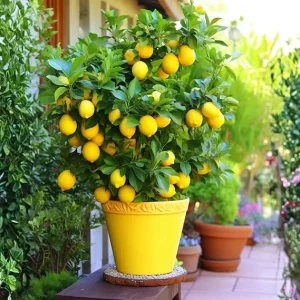
Lemon Tree Growing: Choose, Plant, and Harvest
Learn how to choose, plant, feed, and protect a lemon tree so it fits your
23
Sep
Sep
Dwarf Meyer Lemon Tree Australia: Climate Guide
Learn where dwarf Meyer lemon trees grow, how much cold they tolerate, and whether Australia,
Where to Buy a Dwarf Meyer Lemon Tree: Buyer’s Guide
Find the right dwarf Meyer lemon tree online or locally, compare starter sizes and costs,
Dwarf Meyer Lemon Tree for Sale: Buying Guide
Compare Meyer lemon tree sizes, prices, shipping limits, indoor growing and California options before you
Dwarf Meyer Lemon Tree Guide: Size, Care and Fruit
META: Learn how large a dwarf Meyer lemon tree grows, where it thrives, and how
How to Prune a Dwarf Meyer Lemon Tree
Learn when and how to prune a dwarf Meyer lemon tree, including tools, shaping cuts,
Can You Grow a Dwarf Meyer Lemon Tree in a Pot?
META: Learn how to grow a dwarf Meyer lemon tree in a pot, including container
When Do Dwarf Meyer Lemon Trees Bloom and Fruit?
META: Dwarf Meyer lemon trees usually bloom from winter through spring and may flower again